If you own a horse, you know that cleaning up after them is part of the daily routine. But dealing with horse poop doesn’t have to be a hassle.
Imagine a tool that makes this chore faster, cleaner, and less tiring. That’s exactly what a horse poop scoop can do for you. Whether you have one horse or a whole stable, the right scoop can save you time and effort while keeping your barn neat.
Keep reading to discover how the right horse poop scoop can change your cleanup game and make your life easier.

Credit: www.securefixdirect.com
Benefits Of Regular Stall Cleaning
Regular stall cleaning plays a key role in horse care. It keeps the living space clean and safe. Daily cleaning removes manure and wet bedding. This simple act offers many benefits to horses and their owners.
Health Advantages For Horses
Clean stalls reduce bacteria and germs. Horses breathe better in fresh air. It lowers the chance of respiratory problems. Clean bedding prevents hoof diseases like thrush. A dry stall keeps skin healthy and free from infections. Healthy horses perform better and feel happier.
Preventing Odors And Flies
Removing waste stops bad smells from building up. It creates a more pleasant environment for horses and people. Flies hate clean stalls and avoid them. Fewer flies mean less stress for horses. It also reduces the risk of diseases spread by insects.
Maintaining Stall Durability
Regular cleaning protects stall floors and walls. Moisture from manure can cause wood to rot. Cleaning helps keep stalls dry and strong. Well-maintained stalls last longer and need fewer repairs. This saves money and effort over time.
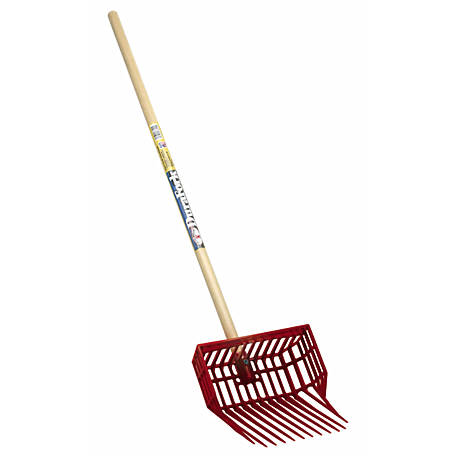
Credit: www.tractorsupply.com
Choosing The Right Poop Scoop
Choosing the right horse poop scoop makes cleaning easier and faster. It saves time and effort. Picking the right tool depends on several factors. This guide helps you find the best scoop for your needs.
Types Of Scoops Available
There are many poop scoops on the market. Some have long handles. Others are small and handheld. Rake-style scoops gather manure quickly. Shovel-style scoops work well for large piles. Some have a basket design to let dirt fall through. Each type suits different cleaning tasks.
Material And Durability
Poop scoops come in plastic, metal, or wood. Plastic scoops are lightweight and easy to carry. Metal scoops last longer but weigh more. Wood handles feel comfortable but need care. Choose materials that resist rust and cracking. Durability saves money and effort over time.
Ergonomic Features To Consider
Comfort matters during long cleaning sessions. Look for scoops with padded handles. Long handles reduce bending and back pain. Lightweight designs ease hand strain. Some scoops have angled heads for better reach. Ergonomic features make chores less tiring.
Effective Stall Cleaning Techniques
Effective stall cleaning techniques keep horses healthy and comfortable. Clean stalls reduce odors and prevent infections. Regular cleaning also improves the horse’s mood and energy. Using the right methods saves time and effort. Understanding daily tasks and deep cleaning routines helps maintain a fresh environment.
Daily Vs Deep Cleaning
Daily cleaning removes manure and wet spots. It keeps the stall dry and fresh. This prevents bacteria and flies from growing. Deep cleaning happens weekly or biweekly. It includes removing all bedding and washing the floor. Deep cleaning stops odor build-up and kills germs. Both daily and deep cleaning work together well.
Safe Waste Disposal Methods
Proper waste disposal protects the environment and animals. Manure can be composted safely on-site. Composting turns waste into useful fertilizer. Avoid dumping manure near water sources. Use sealed containers or bags if needed. Regular removal of waste reduces flies and smells. Follow local rules for manure disposal.
Tips For Speed And Efficiency
Use a good-quality horse poop scoop with a sturdy handle. Scoop manure right after horse leaves the stall. Keep cleaning tools close to the stall area. Wear gloves and boots for safety and hygiene. Break the task into small steps to avoid fatigue. Work methodically to cover the entire stall quickly.
Managing Stall Bedding
Managing stall bedding is important for a horse’s health and comfort. Clean, dry bedding helps prevent hoof problems and keeps the stall fresh. Using the right materials and replacing bedding at the right time makes cleanup easier. Good bedding also absorbs moisture and controls odors. Caring for bedding regularly keeps your horse happy and healthy.
Best Bedding Materials
Choose bedding that absorbs moisture well. Straw is common and natural but can be dusty. Wood shavings are soft and absorbent but may be pricey. Paper bedding is dust-free and safe for horses with allergies. Avoid materials that are too dusty or slippery. The best bedding keeps the stall clean and comfy.
When And How To Replace Bedding
Remove wet or soiled bedding daily. This keeps the stall dry and odor-free. Add fresh bedding on top after cleaning. Deep clean the stall and replace all bedding weekly. Use a horse poop scoop to remove waste quickly. Regular replacement prevents bacteria buildup and keeps horses healthy.
Keeping Bedding Dry And Fresh
Keep the stall well-ventilated to reduce moisture. Fix leaks and avoid water spills inside the stall. Spread fresh bedding evenly to cover damp areas. Use a scoop to remove manure daily. Dry bedding prevents mold and bad smells. Fresh bedding creates a safe and cozy space for horses.
Tools And Accessories For Stall Care
Proper tools and accessories make stall care easier and faster. They help keep the stable clean and safe for horses. Using the right equipment reduces effort and improves hygiene. Clean stalls prevent illness and keep horses comfortable.
Essential Cleaning Tools
A good manure fork or scoop is a must-have. It picks up horse poop quickly and cleanly. A sturdy broom helps sweep away loose dirt and bedding. A wheelbarrow or muck tub carries waste to the disposal site. Choose tools that are durable and easy to handle.
Protective Gear For Cleanliness
Wear gloves to protect your hands from germs and dirt. Waterproof boots keep your feet dry and clean. Coveralls or old clothes prevent your regular clothes from getting dirty. A dust mask stops you from breathing in dust and allergens.
Storage Solutions
Keep your cleaning tools in one place to save time. A wall-mounted rack or hooks organize forks, brooms, and scoops. A storage bin or shed protects tools from weather damage. Label containers for easy access and better organization.
Troubleshooting Common Stall Issues
Keeping a horse stall clean is not always easy. Many stable owners face common problems that affect their horses’ comfort and health. Identifying and fixing these issues helps maintain a safe and pleasant environment for the animals.
Proper use of a horse poop scoop is key to solving many stall problems. Regular cleaning reduces smells, mud, and pests. Here are some tips for handling common stall troubles effectively.
Dealing With Persistent Odors
Bad smells come from urine and manure left in the stall. Use a good horse poop scoop daily to remove waste. Clean the stall thoroughly once a week with safe disinfectants. Add fresh bedding often to absorb moisture and odors. Good airflow helps keep the air fresh. Open windows or use fans if possible.
Handling Muddy Or Wet Stalls
Wet stalls cause hoof problems and discomfort. Check for leaks in the roof and walls. Fix any water sources that make the floor wet. Use dry bedding like straw or shavings to soak up moisture. Remove wet bedding and replace it quickly. Consider adding gravel or mats for better drainage under the bedding.
Addressing Pest Problems
Flies and rodents spread disease and stress horses. Clean stalls often to remove all waste. Store feed in sealed containers to stop pests. Use safe fly sprays or traps near the stall. Keep the area around the barn clean and dry. Removing manure regularly reduces fly breeding sites.

Credit: www.premierequine.co.uk
Frequently Asked Questions
What Is The Best Tool For A Horse Poop Scoop?
A sturdy metal or plastic scoop with a long handle works best for cleaning horse manure.
How Often Should Horse Poop Be Scooped?
Daily scooping helps keep stalls clean and reduces odor and flies around horses.
Can Horse Manure Be Used As Fertilizer?
Yes, horse manure is rich in nutrients and great for gardens after composting.
How To Clean A Horse Poop Scoop Properly?
Rinse with water and mild soap, then dry to prevent rust and bacteria buildup.
Is It Safe To Leave Horse Poop In The Pasture?
No, regular removal prevents parasite spread and keeps pastures healthy for horses.
What Size Scoop Is Ideal For Horse Manure Cleanup?
Medium to large scoops hold more waste and make cleaning quicker and easier.
Conclusion
Keeping your stable clean matters a lot. A good horse poop scoop saves time and effort. It helps keep your horses healthy and happy. Regular cleaning stops bad smells and pests. Choose a scoop that fits your needs best. Simple tools can make a big difference daily.
Clean stables create a better place for everyone. Take care of your horses by keeping their space neat. Small habits lead to great results over time.
As an Amazon Associate, I earn from qualifying purchases.