Have you ever noticed how a simple piece of art can transform the entire look of your space? The Rajasthani Carved Horse Head is one such masterpiece that brings a unique charm and rich heritage right into your home.
This intricately crafted sculpture isn’t just a decoration; it tells a story of skilled artisans and timeless tradition. If you’re looking to add character and elegance to your decor, understanding the beauty and significance of this art piece will help you make a choice you’ll cherish.
Keep reading to discover why the Rajasthani Carved Horse Head could be the perfect addition to your collection.
Rajasthani Carved Horse Head Origins
The Rajasthani carved horse head is a unique art piece. It has deep roots in Rajasthan’s rich history and culture. This carving shows the skill and tradition of local artisans. The horse head is not just a decorative item. It reflects stories and values passed down through generations.
Historical Roots
The carved horse head dates back many centuries in Rajasthan. It was used in royal palaces and noble homes. Horses were important in battles and ceremonies. Artisans carved horse heads to honor their strength and beauty. These carvings often adorned furniture and doors. The designs show influences from Rajput warriors and Mughal art. Each piece tells a story of Rajasthan’s past.
Cultural Significance
The horse holds a special place in Rajasthani culture. It symbolizes power, freedom, and loyalty. The carved horse head is a mark of pride and respect. It appears in festivals and traditional events. People believe it brings good luck and protection. The craftsmanship preserves local heritage and identity. It connects the present with Rajasthan’s vibrant history.
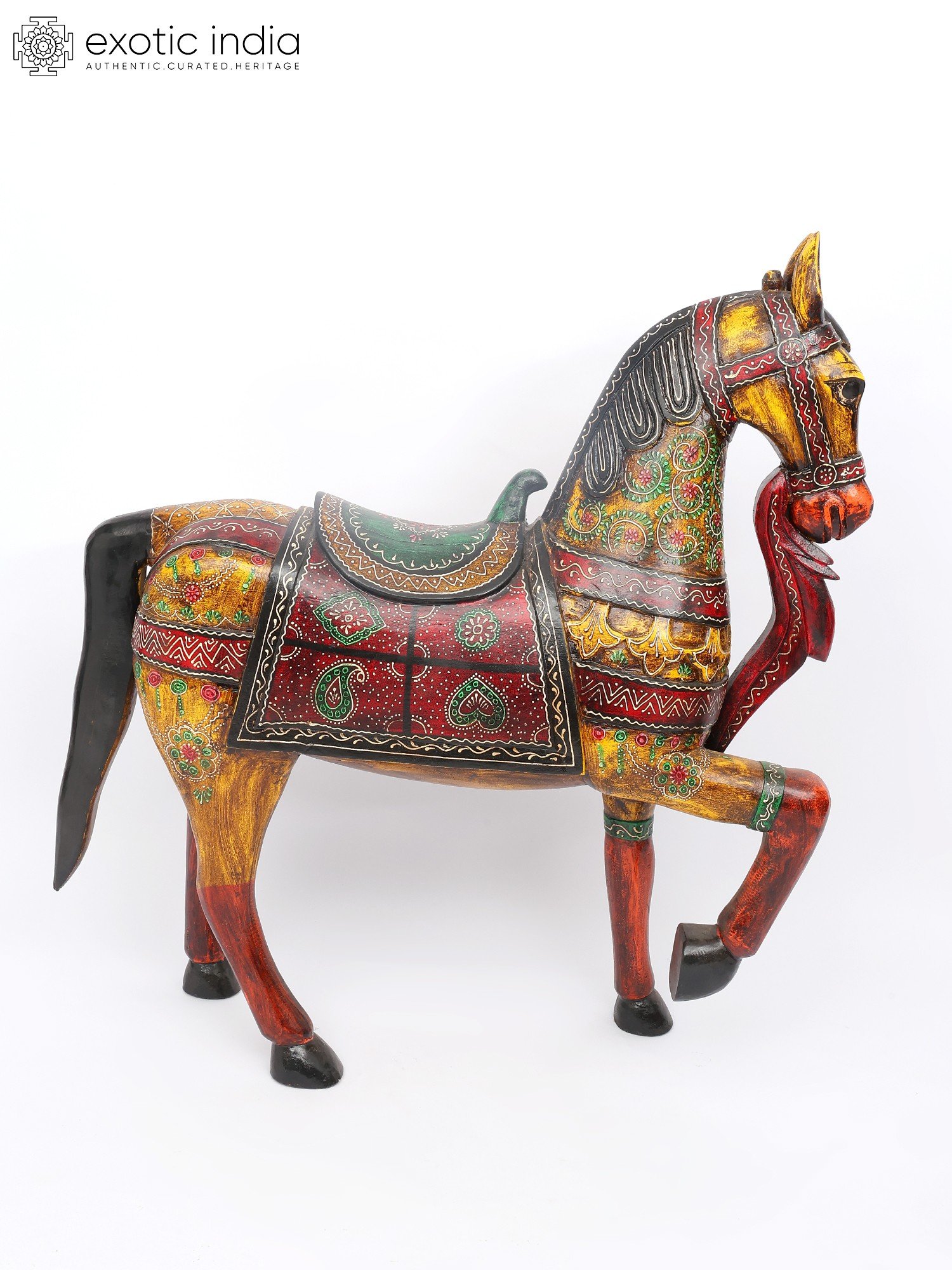
Credit: www.exoticindiaart.com
Materials And Craftsmanship
The Rajasthani Carved Horse Head is a stunning art piece made with care and skill. Its beauty comes from the quality of materials and the detailed work of artisans. Each part tells a story of tradition and craftsmanship passed down through generations.
Wood selection plays a key role in the final look and durability. Artisans choose wood that is strong but easy to carve. This balance helps in creating detailed shapes and smooth finishes.
Types Of Wood Used
Teak wood is a popular choice for its strength and rich color. It resists decay and lasts for many years. Rosewood is another favorite. It offers a deep hue and fine grain, perfect for detailed carvings. Mango wood is also used. It is softer and lighter, allowing for quicker carving without losing beauty.
Carving Techniques
Artisans use hand tools like chisels and gouges to shape the wood. They start with rough cuts and slowly add fine details. The process requires patience and steady hands. Each curve and line is carefully formed to bring the horse head to life. Polishing smooths the surface, enhancing the wood’s natural shine.
Artisan Skills
Crafting a Rajasthani Carved Horse Head demands years of practice. Artisans learn to read the wood’s grain and work with its natural patterns. They balance creativity with tradition, following designs passed down from their masters. Their skills turn simple wood into a vibrant, lifelike figure that reflects Rajasthan’s rich culture.
Design Elements And Styles
The Rajasthani carved horse head is a stunning example of traditional Indian craftsmanship. Its design blends art and culture, showcasing the skills of local artisans. Each piece tells a story through shapes, patterns, and symbols.
Design elements and styles vary widely. They reflect history, regional culture, and beliefs. These details make each carved horse head unique and full of meaning.
Traditional Motifs
Common motifs include floral patterns, geometric shapes, and animal figures. These designs come from centuries-old art traditions. They often represent nature, beauty, and power. Artisans carve these motifs with fine detail and care. The motifs add elegance and depth to the horse head.
Regional Variations
Different regions in Rajasthan have distinct carving styles. Some areas prefer bold, sharp lines, while others favor soft, curved shapes. Color choices also change by region, with some using bright paints and others natural wood tones. These variations reflect local culture and artistic preferences. They help identify the origin of each piece.
Symbolism In Design
The carved horse head carries strong symbolism. Horses represent strength, speed, and loyalty in Rajasthani culture. The head often shows alert eyes and proud posture, symbolizing courage and honor. Some designs include religious symbols for protection and blessings. This symbolism connects the art to local beliefs and values.
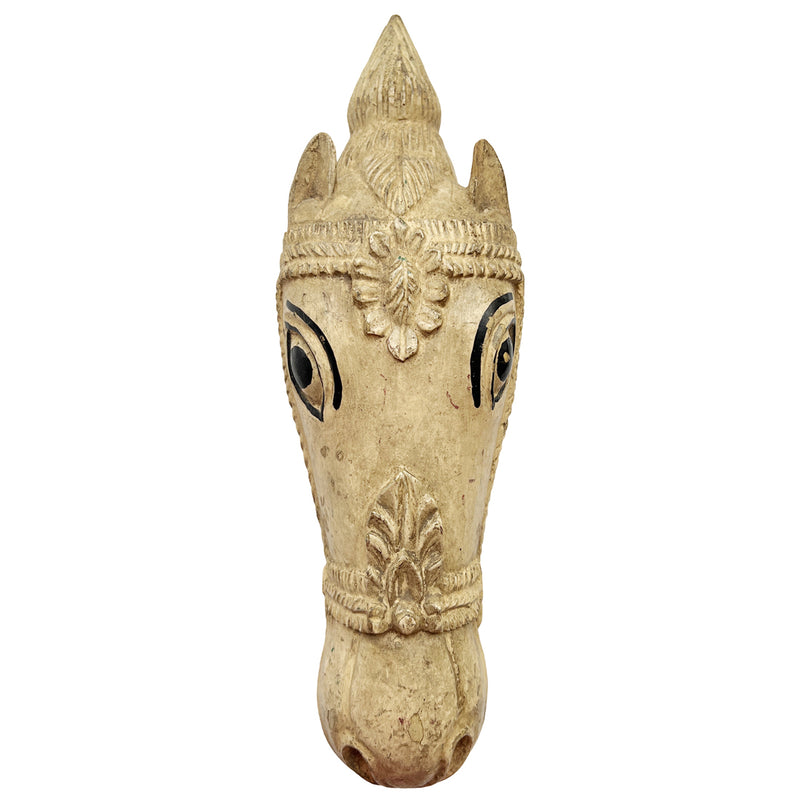
Credit: ikkadukka.com
Role In Rajasthani Decor
The Rajasthani carved horse head holds a special place in traditional decor. This art piece reflects the rich culture and skilled craftsmanship of Rajasthan. It brings a royal touch and old-world charm to any space. The intricate carvings tell stories of heritage and valor.
Using this carved horse head in decor adds character and warmth. It connects modern living with cultural roots. The piece stands out as a symbol of strength and elegance. Its presence can transform plain walls and corners into focal points.
Home Decoration Ideas
Place the carved horse head above a fireplace for a bold statement. Use it as a centerpiece on a feature wall. Pair it with wooden furniture to enhance the traditional look. Surround it with warm lighting to highlight the detailed carvings. Smaller carved horse heads work well on shelves or side tables. This creates a cohesive and inviting atmosphere.
Incorporating With Modern Interiors
The carved horse head fits well in modern homes too. Use it as an accent piece in minimalist rooms. Contrast it against plain walls for visual interest. Combine it with neutral colors to balance tradition and modernity. It adds texture and depth to sleek spaces. The piece can blend with metal and glass decor elements. This creates a unique fusion of styles.
Preserving The Craft
The Rajasthani Carved Horse Head is more than art; it is culture and history. Preserving this craft keeps the tradition alive for future generations. Each piece tells a story through skilled hands and detailed work.
Artisans face many obstacles in keeping this craft alive. Yet, efforts to revive it continue with passion and care.
Challenges Faced By Artisans
Artisans often struggle with low income from their work. Young people avoid the craft due to better job options. Tools and materials can be expensive and hard to find. Lack of awareness reduces demand for carved horse heads. Many face difficulty passing skills to new learners.
Efforts For Revival
Workshops teach young artists the carving techniques. Local groups promote the craft through fairs and exhibitions. Some organizations provide financial support to artisans. Online platforms help artisans reach wider markets. Schools include traditional arts in their curriculum to raise interest.
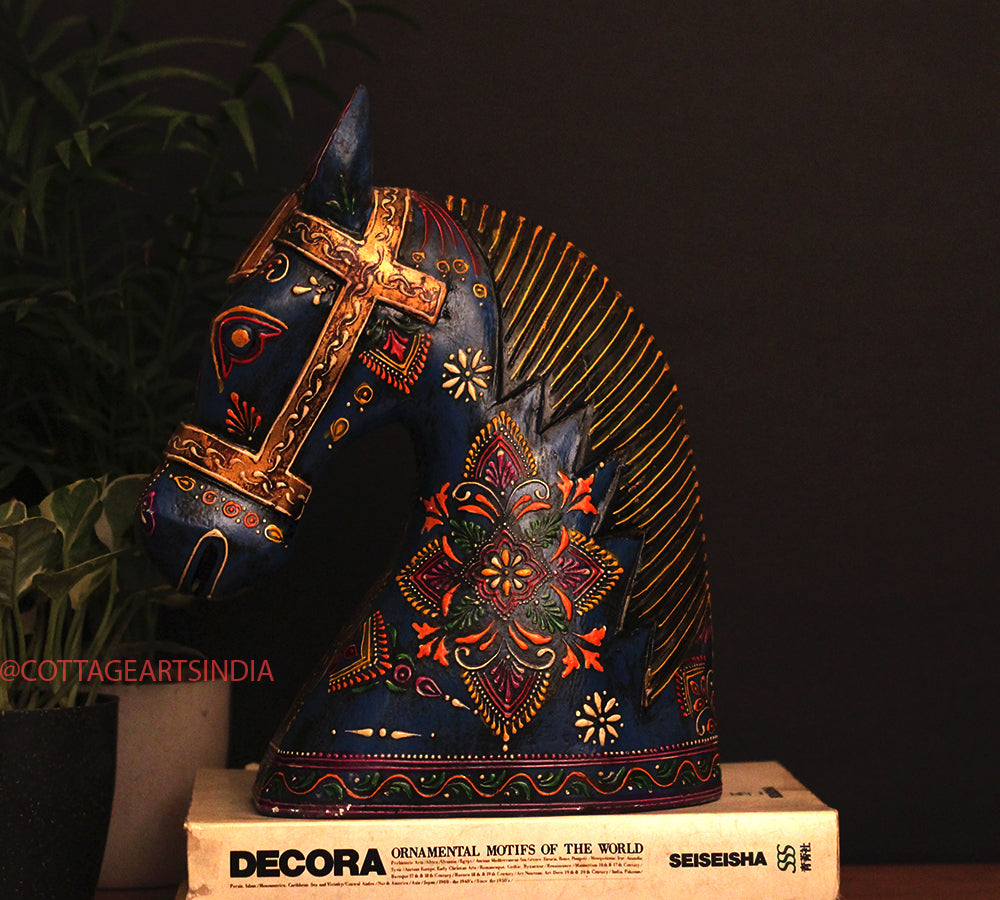
Credit: www.cottageartsindia.com
Collecting And Caring Tips
Collecting a Rajasthani carved horse head is a rewarding experience. These pieces show rich culture and skilled craftsmanship. Caring for them keeps their beauty and value intact. Proper knowledge helps avoid damage and maintains authenticity. Below are tips to check and care for these art pieces.
Authenticity Checks
Start by examining the wood quality. Genuine carvings use teak or sandalwood. Check for smooth, detailed carving marks. Look for natural wood grain patterns. Fake pieces may have rough or uneven textures. Smell the wood; real sandalwood has a distinct fragrance. Verify the origin by asking the seller for proof. Handcrafted imperfections show true artistry. Machine-made items look too perfect and uniform.
Maintenance Guidelines
Keep the carving away from direct sunlight. Sunlight can fade and dry the wood. Dust the piece gently with a soft cloth weekly. Avoid using water or harsh cleaners. Use wood polish designed for delicate carvings. Apply polish sparingly to prevent buildup. Store in a dry place to stop moisture damage. Handle with clean hands to avoid oils staining the wood.
Frequently Asked Questions
What Is A Rajasthani Carved Horse Head?
A Rajasthani Carved Horse Head is a wooden sculpture made in Rajasthan, India, known for detailed carvings.
How Is A Rajasthani Carved Horse Head Made?
Skilled artisans hand-carve the horse head from wood, adding traditional designs and fine details.
Why Are Rajasthani Horse Carvings Popular?
They show rich culture and craftsmanship, making them unique decorative pieces worldwide.
What Wood Is Used For These Horse Heads?
Teak and sheesham wood are commonly used for their durability and smooth finish.
Where Can I Buy Authentic Rajasthani Carved Horse Heads?
You can find them in Rajasthan’s local markets, art galleries, and online craft stores.
How To Care For A Rajasthani Carved Horse Head?
Keep it away from moisture and dust; clean gently with a soft dry cloth.
Conclusion
The Rajasthani carved horse head shows true skill and art. Each piece tells a story of culture and tradition. It adds charm to any home or collection. These carvings keep old crafts alive today. Owning one connects you to Rajasthan’s rich heritage.
A simple decoration with deep meaning. Truly, art that lasts through time.
As an Amazon Associate, I earn from qualifying purchases.