If you care about your horse’s health, you know how important the right hay is. But did you know that steaming your horse’s hay can make a huge difference?
A horse hay steamer can help reduce dust, mold, and harmful bacteria, making every bite safer and easier to digest. Imagine your horse breathing easier, eating better, and feeling more comfortable every day. You’ll discover why a horse hay steamer could be the simple change that improves your horse’s well-being.
Keep reading to learn how it works and why it might be exactly what your horse needs.

Credit: haygain.co.uk
Why Steam Hay For Horses
Steaming hay is a smart choice for horse owners who want to improve their horses’ health. Hay can carry dust, mold, and bacteria that may harm horses’ lungs and digestion. Steaming hay reduces these risks and makes hay safer and healthier to eat.
Benefits For Respiratory Health
Steaming hay lowers dust and mold in the hay. Dust can cause coughing and breathing problems in horses. Mold spores can lead to allergies and infections in the lungs. Warm steam kills many of these harmful particles. This helps horses breathe easier and stay healthier.
Reducing Dust And Allergens
Hay often has tiny dust and allergens that irritate horses’ noses and throats. Steam makes these particles stick together and fall out of the hay. Less dust means less sneezing and less risk of allergic reactions. Clean hay helps sensitive horses stay comfortable.
Enhancing Nutrient Absorption
Steaming hay changes its structure slightly. This makes it easier for horses to digest. More nutrients are released and absorbed in the gut. Better nutrition supports strong muscles, shiny coats, and good energy. Steamed hay can improve overall health and performance.
How Horse Hay Steamers Work
Understanding how horse hay steamers work helps horse owners improve their feeding routine. These devices use steam to make hay safer and healthier for horses. The process involves creating steam, preparing the hay, and allowing steam to soak into the hay. Each step plays a key role in cleaning and softening the hay.
Steam Generation Process
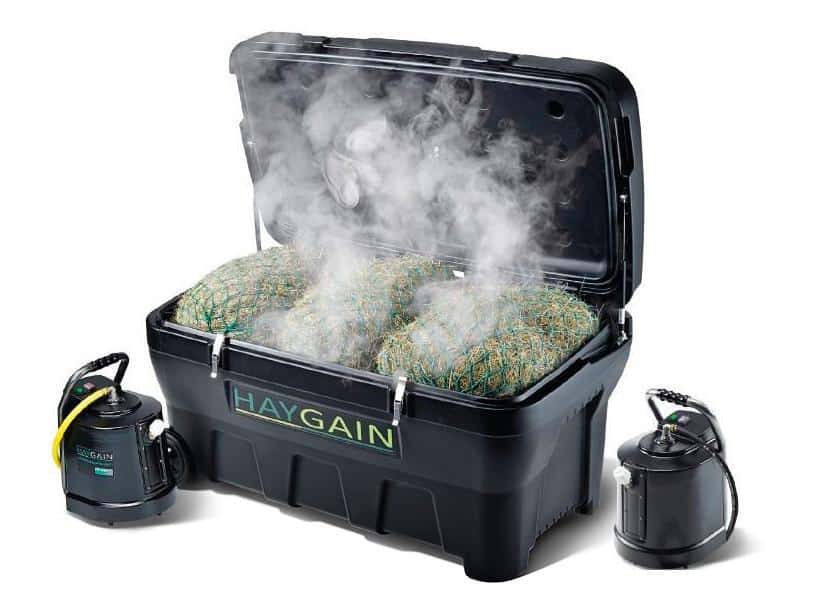
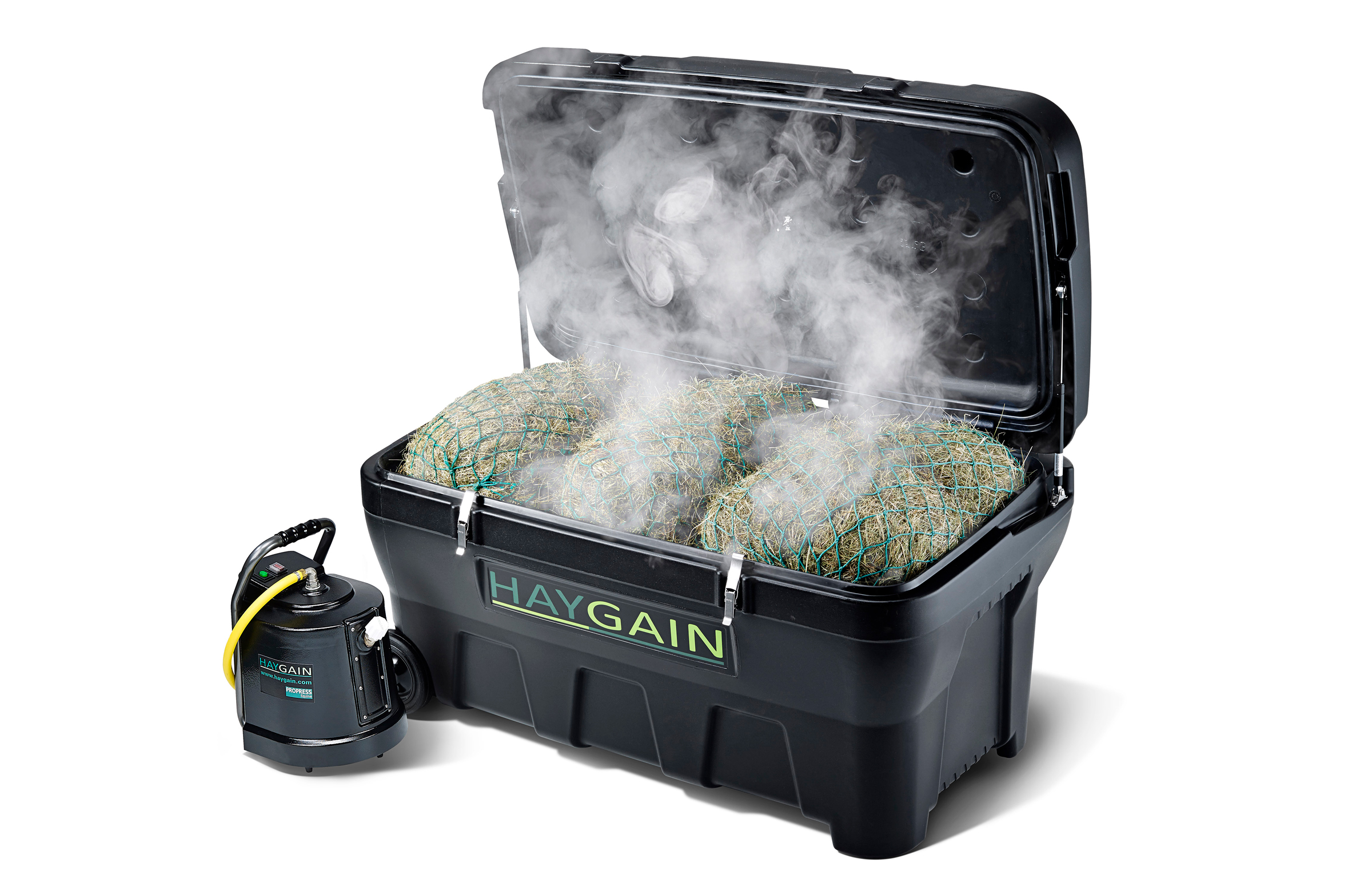
Horse hay steamers use water heated to produce steam. A heating element warms the water inside the steamer. Steam forms and rises into the chamber where hay is placed. This steam helps kill dust, mold, and bacteria in the hay. The steam also adds moisture, making hay easier to chew and digest.
Hay Preparation And Loading
Before steaming, hay must be loose and not tightly packed. This allows steam to reach all parts of the hay. Hay is loaded into the steamer’s chamber carefully. Owners should avoid overfilling to ensure steam flows well. Proper loading helps steam penetrate every layer of hay evenly.
Steam Penetration And Timing
Once loaded, steam circulates through the hay for a set time. Most steamers run for about 45 minutes to one hour. This timing lets steam fully soften and clean the hay. After steaming, the hay cools slightly before feeding. The result is a softer, cleaner, and safer meal for horses.
Choosing The Right Hay Steamer
Choosing the right hay steamer can make a big difference in your horse’s health. Proper steaming removes dust and mold, which helps your horse breathe easier. Picking a steamer that fits your needs saves time and effort. Focus on the type, size, and energy use of the hay steamer.
Types Of Hay Steamers
There are several types of hay steamers. Some use electric power, while others run on gas or propane. Electric steamers are quiet and easy to use indoors. Gas steamers work well outside and heat up fast. Choose a type that matches your stable setup and power availability.
Size And Capacity Options
Hay steamers come in different sizes. Small steamers hold one or two hay nets. Large steamers can handle several nets at once. Think about how much hay you need to steam daily. A bigger steamer saves time if you care for many horses. A smaller one works well for one or two horses.
Energy Efficiency And Portability
Energy-efficient steamers reduce electricity or fuel use. This lowers costs and helps the environment. Portable steamers are easy to move around your stable. Look for models with wheels or handles for easy transport. A lightweight steamer suits smaller spaces and quick steaming needs.
Credit: horseandcountry.tv
Step-by-step Hay Steaming Process
Steaming hay improves its quality and safety for horses. This process removes dust, mold, and bacteria. It also makes the hay softer and easier to eat. Following the right steps ensures the best results.
Preparing Hay For Steaming
Start with clean, dry hay. Check for any wet spots or mold. Break large clumps into smaller pieces. This helps steam reach every part. Place the hay loosely in the steamer basket. Avoid packing it too tight to allow steam flow.
Operating The Steamer Safely
Fill the steamer with the right amount of water. Turn the device on and wait for the water to boil. Steam the hay for at least 45 minutes. Keep the lid closed during steaming. Never leave the steamer unattended. Use heat-resistant gloves when handling hot parts.
Cooling And Serving Steamed Hay
After steaming, let the hay cool for 10 minutes. This prevents burns and moisture buildup. Spread the hay out in a clean area. Check the hay for any wet or soggy spots. Serve the hay fresh to your horse. Store any leftovers in a dry place.
Maintaining Your Hay Steamer
Maintaining your hay steamer is important for its performance and your horse’s health. Regular care keeps the machine working well. It also extends its life. Clean and check the steamer often. This prevents problems and ensures safe hay steaming.
Cleaning Tips
Clean the hay steamer after each use. Remove leftover hay and debris from the chamber. Use a soft brush or cloth to wipe surfaces. Avoid harsh chemicals that may damage the steamer. Rinse with water and dry completely to stop rust. Clean the water tank regularly to prevent buildup.
Preventing Mold And Mildew
Keep the hay steamer dry when not in use. Mold and mildew grow in damp places. Store the steamer in a dry, cool area. After cleaning, leave the door open to air dry. Check seals and gaskets for damage. Replace any worn parts to stop moisture leaks. This prevents mold from forming inside.
Troubleshooting Common Issues
Check the power supply if the steamer won’t turn on. Inspect the water level; low water stops steaming. Clean clogged nozzles to improve steam flow. Listen for strange noises that may signal a problem. Tighten loose parts to avoid leaks or rattles. Contact a professional if issues persist despite these steps.
Cost And Investment Considerations
Understanding the cost and investment of a horse hay steamer helps owners decide wisely. This tool can protect your horse’s health by improving hay quality. Knowing the expenses involved aids in planning your budget properly. Let’s explore the main cost factors and what benefits you might gain over time.
Initial Purchase Price
The price of a horse hay steamer varies by brand and size. Basic models start at a few hundred dollars. Larger, more advanced steamers can cost over a thousand dollars. Consider the steamer’s capacity and features before buying. Remember, a higher price often means better durability and performance.
Long-term Savings On Horse Health
Steaming hay reduces dust, mold, and bacteria that harm horses. This can lower vet bills by preventing respiratory problems. Healthier horses perform better and need fewer treatments. Over time, these savings may cover the steamer’s initial cost. Investing now can avoid expensive health issues later.
Comparing Alternatives
Some owners use hay soakers or dust extractors as alternatives. Soaking hay removes dust but wastes water and nutrients. Dust extractors clean hay but may not kill bacteria effectively. Steaming combines cleaning with heating to kill pathogens. Compare costs and benefits before choosing the right option.
Real-life Benefits And Case Studies
Horse hay steamers offer many real benefits that impact horses’ health and performance. Practical case studies show how steamers improve hay quality. They reduce dust and kill bacteria, making hay safer to eat. Owners and vets share their experiences with these devices. The results often include better digestion and fewer respiratory problems.
Many horse owners report clear changes after using hay steamers. Vets observe positive health signs in treated horses. Performance levels also rise in various equine sports. This section highlights real-life examples to explain these effects.
Owner Testimonials
Horse owners say steamed hay helps horses with allergies. They notice less coughing and clearer breathing. Some report horses eating hay more eagerly. Owners also mention fewer vet visits for respiratory issues. These changes improve daily care and horse comfort.
Veterinary Insights
Vets recommend hay steamers for horses with lung problems. Steam kills mold and dust that cause irritation. It also lowers the risk of infections. Vets find horses recover faster with steamed hay. They suggest steaming as a simple, effective care step.
Performance Improvements
Steamed hay supports better energy and stamina. Horses feel healthier and perform well in races or shows. Trainers see more consistent results with steamed hay. Reduced breathing issues allow horses to train harder. This leads to improved overall performance and wellbeing.
Credit: stablemanagement.com
Frequently Asked Questions
What Is A Horse Hay Steamer Used For?
A horse hay steamer moistens hay to reduce dust and mold, improving horse health.
How Does A Horse Hay Steamer Benefit Horses?
It softens hay, making it easier to chew and reduces respiratory problems.
Can A Horse Hay Steamer Kill Bacteria In Hay?
Yes, steaming kills most bacteria and mold spores, making hay safer to eat.
How Long Does It Take To Steam Horse Hay?
Typically, it takes about 30 to 60 minutes to steam a batch of hay.
Is Steaming Hay Better Than Soaking It?
Steaming keeps nutrients while soaking can remove vitamins and minerals from hay.
What Types Of Hay Can Be Steamed For Horses?
Most types like timothy, alfalfa, and orchard grass can be steamed effectively.
Conclusion
Steaming hay helps horses digest food better and stay healthy. It lowers dust and kills bacteria in the hay. Horses with breathing problems often feel better with steamed hay. Using a hay steamer saves time and keeps hay fresh longer.
Choose a steamer that fits your needs and budget. Taking care of your horse’s feed means caring for your horse. Healthy horses perform better and enjoy their meals more. Steaming hay is a simple step to improve your horse’s health.
As an Amazon Associate, I earn from qualifying purchases.