Are you curious about miniature horse foals and what makes them so special? These tiny horses capture hearts with their adorable size and playful nature.
Whether you’re thinking about adding one to your family or just want to learn more, understanding their unique traits can help you connect with them better. Keep reading to discover everything you need to know about caring for and enjoying your miniature horse foal.
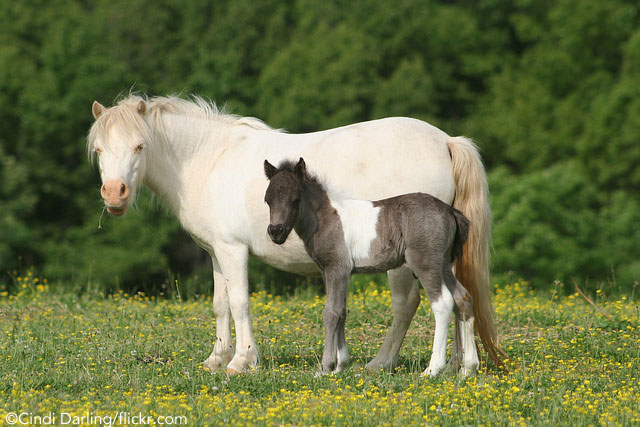
Credit: www.horseillustrated.com
Choosing The Right Foal
Choosing the right miniature horse foal is an important step. It shapes your experience and the bond you build. A well-chosen foal fits your needs and lifestyle. Focus on key aspects to make a good choice.
Breed Characteristics
Miniature horses come in different breeds and sizes. Each breed has unique traits and care needs. Some breeds are better for showing, others for companionship. Learn about the foal’s breed before deciding. This helps you understand its growth and behavior.
Health Checks
Healthy foals grow strong and live longer. Check the foal’s eyes, coat, and movement carefully. Ask for vet records and vaccinations. Watch for signs of illness like coughing or limping. Early health checks prevent future problems.
Temperament Traits
Temperament affects how easy the foal is to train. Some foals are calm and friendly. Others may be shy or energetic. Spend time with the foal to see its personality. Choose a foal that matches your experience and patience level.
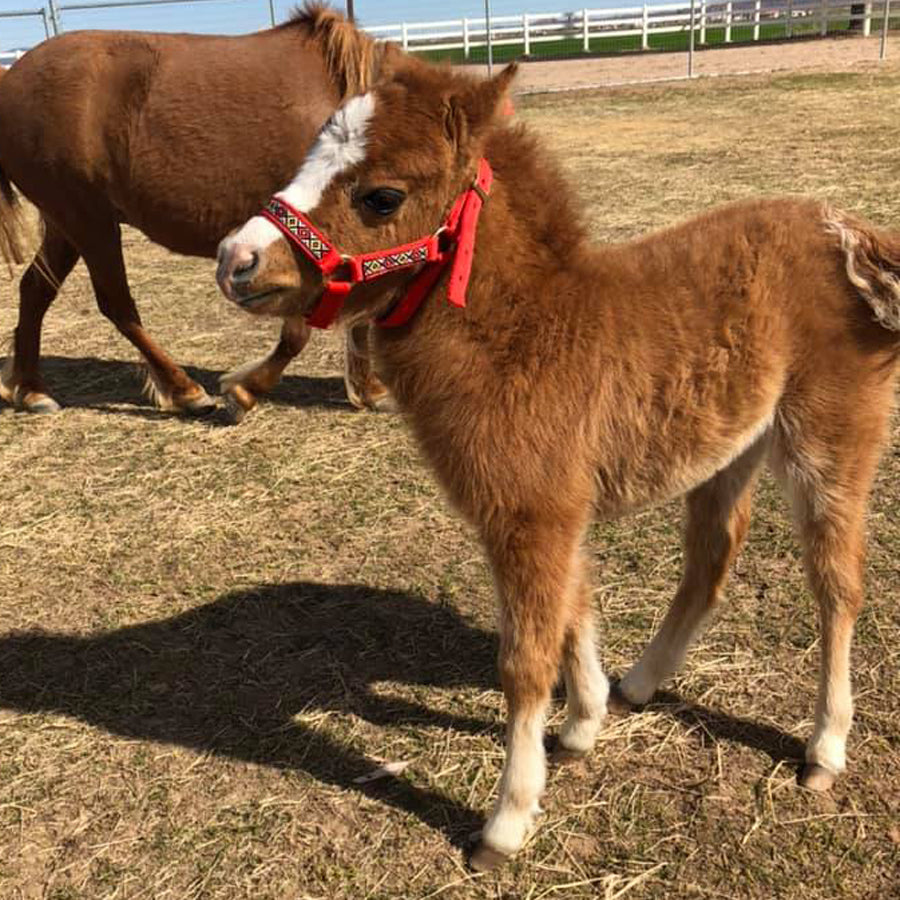
Credit: www.halterup.com
Preparing The Living Space
Preparing the living space for a miniature horse foal requires careful planning. A safe and comfortable environment helps the foal grow healthy. It reduces stress and prevents injuries. The stall must be clean, secure, and cozy. Each detail plays a big role in the foal’s well-being.
Safe Stall Setup
Choose a stall free from sharp edges or nails. Use smooth wood or metal bars for walls. Make sure the door locks securely but opens easily in emergencies. Remove any objects that the foal could chew or swallow. Keep water buckets and feeders at a safe height.
Space should allow the foal to move freely. Avoid overcrowding with too many animals. Regularly check for hazards like loose boards or exposed wires. Safety is the top priority in the stall setup.
Bedding Options
Select soft and absorbent bedding to keep the stall dry. Straw is a popular choice because it is natural and comfortable. Wood shavings work well but avoid those with strong smells or dust. Clean the bedding daily to prevent bacteria and odors.
Fresh bedding helps the foal rest better. It also protects the legs from sores. Avoid slippery surfaces by spreading bedding evenly. A dry stall reduces the risk of infections and respiratory problems.
Temperature Control
Miniature horse foals need a warm, stable environment. Keep the stall away from drafts or cold winds. Use blankets or heated pads if the weather is very cold. Ensure good ventilation to avoid dampness and mold.
Too much heat can cause discomfort and dehydration. Monitor the temperature daily to keep it balanced. Proper temperature control supports the foal’s immune system and growth.
Feeding Essentials
Feeding a miniature horse foal right is very important. Good nutrition helps the foal grow strong and healthy. Early feeding sets the base for a happy, active life.
Every stage of growth needs special care. The foal’s diet changes from milk to solid foods. Knowing what and when to feed helps avoid health problems.
Nutritional Needs
Miniature horse foals need protein for muscle growth. Vitamins and minerals support bone and immune health. Energy comes from carbohydrates and fats. Water is always essential for all body functions.
Milk And Weaning
Milk is the foal’s main food for the first few months. It provides all nutrients needed for early growth. Weaning starts around 4 to 6 months of age. This process should be slow and gentle to reduce stress.
Introducing Solid Foods
Begin with soft, easy-to-digest foods like hay and grain. Offer small amounts several times a day. Watch the foal’s reaction to new foods closely. Gradually increase solid food as milk decreases. This helps the foal adjust and stay healthy.

Credit: minihorseforsale.com
Health Care Basics
Taking care of a miniature horse foal means paying close attention to its health. Good health care helps foals grow strong and avoid sickness. Simple steps like vaccinations and deworming keep them safe. Knowing common health problems helps catch issues early. This guide covers the basics every owner should know.
Vaccination Schedule
Vaccines protect foals from serious diseases. Start vaccinations at 4 to 6 months old. Key vaccines include tetanus, equine influenza, and rhinopneumonitis. Follow a vet’s advice for booster shots. Keep a record of all vaccinations. Timely vaccines keep your foal healthy and safe.
Deworming Plan
Foals need regular deworming to fight parasites. Begin deworming at 2 months old. Use a vet-recommended dewormer based on fecal tests. Repeat deworming every 6 to 8 weeks. Avoid overusing dewormers to prevent resistance. A proper plan keeps your foal free from worms.
Common Ailments
Foals can face illnesses like diarrhea, colic, and respiratory infections. Watch for signs such as coughing, lethargy, or loose stool. Early treatment improves recovery chances. Keep foals in clean, dry areas to reduce risks. Consult a vet if you notice unusual symptoms.
Daily Grooming Tips
Daily grooming helps keep your miniature horse foal healthy and happy. It builds trust and strengthens your bond. Grooming also lets you spot health issues early.
Set a simple routine for brushing, hoof care, and bathing. Gentle handling makes the foal comfortable. Regular care improves their coat and skin condition.
Brushing Techniques
Use a soft brush to remove dirt and loose hair. Start with gentle strokes on the foal’s neck and back. Brush in the direction of hair growth.
Be careful around the face and legs. Use a smaller brush for these areas. Check the skin for cuts, bumps, or insects while brushing.
Hoof Care
Pick the foal’s hooves daily to remove mud and stones. Use a hoof pick gently to avoid hurting the sensitive areas. Look for cracks or signs of infection.
Keep the hooves dry and clean. This helps prevent hoof diseases. Regular care helps the foal walk comfortably and grow strong hooves.
Bathing Guidelines
Bath the foal only when necessary, not too often. Use lukewarm water and a mild shampoo made for horses. Rinse thoroughly to avoid skin irritation.
Dry the foal with a soft towel after bathing. Keep the foal in a warm place until fully dry. Avoid cold or wet conditions to prevent illness.
Training And Socialization
Training and socialization are key for a happy, well-behaved miniature horse foal. Starting early helps the foal learn good habits. It builds trust between the foal and handler. This foundation shapes their behavior as they grow.
Gentle, consistent training makes learning easier. Socialization helps the foal feel safe around people and other animals. Together, these skills prepare the foal for everyday life.
Basic Commands
Teaching basic commands is the first step. Start with simple words like “walk,” “stop,” and “come.” Use calm, clear voice tones. Reward the foal with gentle pats or treats. Keep training sessions short, around 5 to 10 minutes. Repeat often to help the foal remember.
Handling Practices
Handle the foal gently from the start. Touch its legs, ears, and face regularly. This helps the foal get used to human contact. Practice leading with a soft halter and lead rope. Teach the foal to stand still for grooming and vet checks. Consistent handling makes future care easier and safer.
Social Interaction
Expose the foal to other horses and animals. Supervised play with peers helps develop social skills. Introduce new people slowly and calmly. This reduces fear and builds confidence. Social interaction prevents loneliness and bad behavior. A well-socialized foal grows into a friendly, relaxed horse.
Safety Precautions
Keeping a miniature horse foal safe is very important. Foals are small and delicate. They need careful attention to avoid injuries and stress. Taking safety steps helps them grow strong and healthy.
Being aware of risks and preparing for emergencies can save lives. Use the right tools and handle foals gently. Safety is key to happy, healthy foals and peaceful owners.
Preventing Injuries
Foals are curious and quick. They can hurt themselves easily. Remove sharp objects and clutter from their area. Use soft bedding to protect their legs and joints. Watch them closely during play and feeding times. Avoid overcrowding in their space. Check fences and gates for gaps or sharp edges. Clean floors reduce slips and falls. These steps lower the chance of injuries.
Safe Handling Tools
Choose tools made for small foals. Use light halters that fit well and do not hurt. Soft lead ropes help control movement gently. Avoid heavy or rough equipment. Gloves protect your hands but also keep touch gentle. Always handle foals calmly and slowly. Good tools and care prevent fear and injury. Proper handling builds trust and safety.
Emergency Preparedness
Have a plan ready for accidents or illness. Keep emergency numbers handy, like vets and animal hospitals. Stock first aid supplies specific for horses. Know basic first aid steps for cuts and breathing problems. Train family or helpers on how to act calmly. Quick response in emergencies can save your foal’s life. Preparedness reduces panic and improves outcomes.
Frequently Asked Questions
What Is A Miniature Horse Foal?
A miniature horse foal is a baby horse that is very small in size.
How Long Do Miniature Horse Foals Nurse?
They usually nurse from their mother for about 4 to 6 months.
When Do Miniature Horse Foals Start Walking?
Miniature foals can stand and walk within an hour after birth.
What Do Miniature Horse Foals Eat Besides Milk?
After nursing, they eat soft hay, grass, and special foal feed.
How Fast Do Miniature Horse Foals Grow?
They grow quickly in the first year but stay small compared to regular horses.
Are Miniature Horse Foals Good Pets?
Yes, they are gentle, friendly, and make great pets with proper care.
Conclusion
Miniature horse foals bring joy with their small size and gentle nature. They need care, love, and proper feeding to grow healthy. Watching them play and learn is a special experience. These tiny horses adapt well to families and farms.
Caring for a foal teaches patience and responsibility. Each foal has its own unique charm and personality. Enjoy the journey of raising a miniature horse foal. It’s a rewarding and heartwarming adventure for all.
As an Amazon Associate, I earn from qualifying purchases.