If you’re involved with horses, you know how important the right tools are for training and care. The neck rope horse is one of those simple yet powerful tools that can change the way you connect with your horse.
Imagine having better control, building trust faster, and making your riding or groundwork smoother—all with just a rope around your horse’s neck. Curious how this works and why so many trainers swear by it? Keep reading to discover the secrets behind the neck rope horse and how it can make your horse experience safer and more enjoyable.
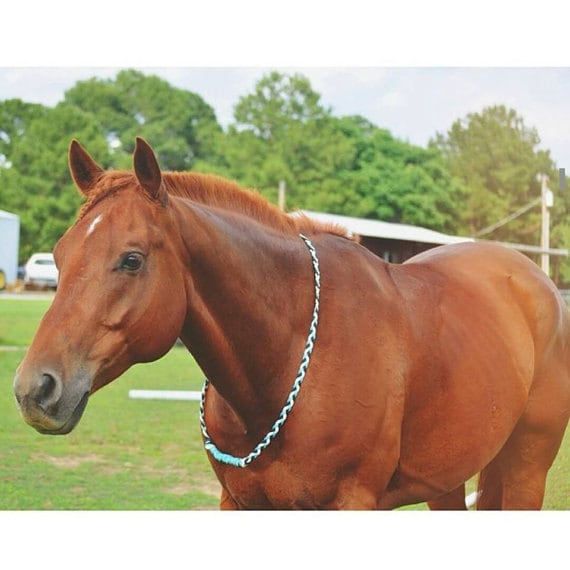
Credit: www.etsy.com
Neck Rope Basics
Understanding the basics of the neck rope is important for horse owners and trainers. This simple tool helps improve communication between the horse and handler. It can guide the horse gently without harsh pressure. Learning about the neck rope helps you use it safely and effectively.
Knowing what a neck rope is, the benefits it offers, and the best materials to choose will make training easier. This section covers these key points clearly and simply.
What Is A Neck Rope
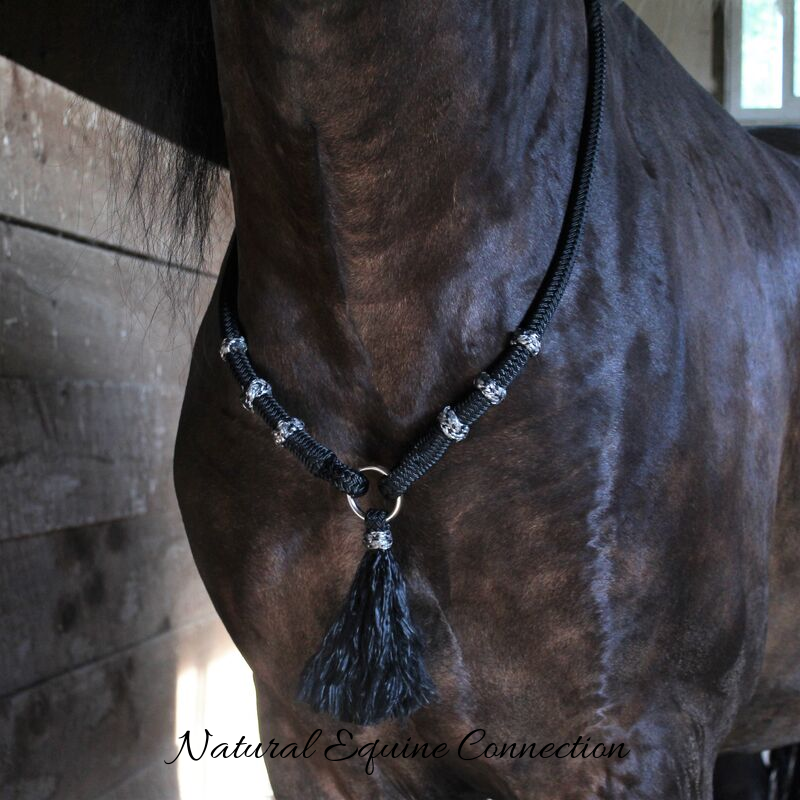
A neck rope is a soft rope placed around a horse’s neck. It does not have a bit or metal parts. The rope helps guide the horse by touch and pressure. It is often used for groundwork and training young horses. The neck rope allows gentle control without causing discomfort.
Benefits For Horse Training
The neck rope improves trust between horse and handler. It teaches the horse to respond to light pressure. Training with a neck rope encourages calm and respectful behavior. It helps the horse learn to move forward, stop, and turn. The rope also builds confidence for both the horse and trainer.
Choosing The Right Material
Select a neck rope made from soft, durable material. Cotton and nylon are common choices. The rope should be strong but gentle on the horse’s skin. Avoid rough or stiff ropes that can cause irritation. Pick a rope with enough length to tie knots and adjust fit easily.
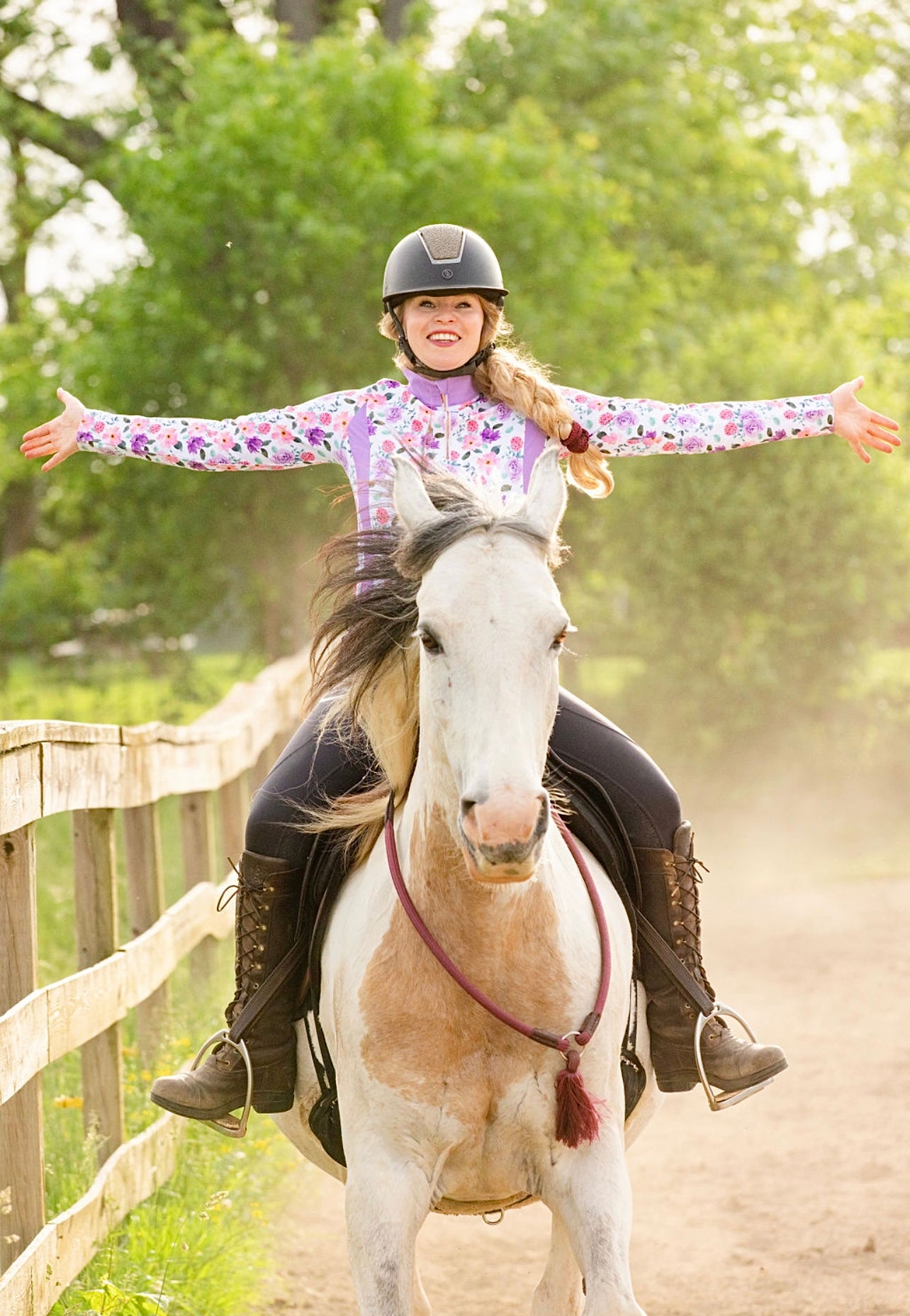
Credit: thespiritedhorseboutique.com
Preparing Your Horse
Preparing your horse for neck rope work is important for a smooth experience. The horse must feel safe and calm. This helps build a good connection between you and your horse. Proper preparation also reduces stress and unwanted behaviors. Follow simple steps to get started.
Introducing The Neck Rope
Let your horse see and smell the neck rope first. Hold it loosely and let the horse get used to it. Gently place the rope around the neck without tightening. Watch the horse’s reaction closely. Repeat these steps over several days. This helps the horse accept the rope calmly.
Building Trust And Comfort
Spend time near your horse without any pressure. Talk softly and offer gentle pats. Allow the horse to move freely with the neck rope on. Encourage slow, relaxed walking to build comfort. Patience is key to gaining the horse’s trust. Comfort leads to better cooperation during training.
Safety Precautions
Always check the neck rope for wear and tear before use. Use a rope that fits well and is not too tight. Keep a clear space free of obstacles around your horse. Never leave the horse unattended with the neck rope on. Wear gloves to protect your hands. Safety protects both you and your horse.
Training Techniques
Training a horse with a neck rope requires patience and clear communication. The techniques build trust and improve control. Each step helps the horse understand your cues and respond calmly. Consistent practice makes training smoother and safer for both.
Start with basic movements and gradually add more complex exercises. The focus is on gentle guidance, not force. This approach helps the horse stay relaxed and learn faster.
Leading And Direction Control
Begin by teaching the horse to follow your lead. Hold the neck rope softly and walk forward. Use gentle pressure on the rope to signal direction changes. The horse learns to move beside you and follow your path. Keep your pace steady and clear.
Stopping And Backing Up
Stopping starts with a gentle pull on the rope. Hold the rope steady to ask the horse to pause. Reward calm behavior with soft praise or a gentle pat. For backing up, apply light backward pressure. The horse steps back slowly, understanding the cue.
Turning And Flexing Exercises
Turn the horse by guiding the neck rope in the desired direction. Use small, steady pulls to encourage bending. Flexing exercises increase the horse’s softness and responsiveness. These movements help the horse stay flexible and attentive to your signals.
Advanced Control Methods
Advanced control methods improve communication between rider and horse using the neck rope. These techniques refine signals and help guide the horse more clearly. Riders gain better control by practicing these methods carefully.
Pressure And Release Timing
Pressure and release timing teaches the horse when to respond. Apply gentle pressure on the neck rope to ask for action. Release pressure immediately when the horse obeys. This clear signal helps the horse learn faster and stay calm.
Using Voice Commands
Voice commands support signals from the neck rope. Simple words like “walk,” “stop,” or “turn” assist the horse’s understanding. Speak calmly and clearly to avoid confusion. Pairing voice with rope pressure strengthens communication.
Combining Neck Rope With Other Gear
Using a neck rope with other gear adds control options. A halter or bit helps guide the horse in different ways. Use the neck rope for gentle cues and other gear for stronger signals. This balance keeps the horse relaxed and responsive.
Common Challenges
Working with a neck rope horse can bring many rewards. Still, trainers often face common challenges. These problems can slow progress and cause frustration. Understanding these issues helps find better solutions and improve training sessions.
Dealing With Resistance
Resistance is a common hurdle in neck rope training. Horses may pull, back up, or refuse to move. Such actions show discomfort or confusion. Trainers must stay calm and patient. Gentle pressure and clear cues help reduce resistance. Consistent practice builds trust and cooperation.
Handling Fearful Horses
Fear can make horses shy or bolt. Sudden movements or loud noises increase this fear. Trainers should approach slowly and speak softly. Let the horse see and smell the rope first. Gradual exposure helps the horse feel safe. Trust grows when trainers stay steady and kind.
Correcting Misbehavior
Misbehavior can include biting, kicking, or ignoring commands. These actions need quick, firm correction. Use calm but clear signals to show what is wrong. Reward good behavior to encourage learning. Avoid harsh punishment as it causes more problems. Patience and consistency are key to success.
Maintenance And Care
Proper maintenance and care extend the life of your neck rope horse. Regular cleaning and checks keep it safe and strong. Store it well to avoid damage and wear.
Cleaning The Neck Rope
Clean the neck rope after each use. Use mild soap and warm water to remove dirt. Avoid harsh chemicals that can weaken the rope. Rinse thoroughly and let it dry completely before storing.
Inspecting For Wear
Check the rope for frays, cuts, or loose fibers. Look closely at knots and attachment points. Replace the rope if you find any damage. Regular inspection prevents accidents and ensures safety.
Proper Storage Tips
Store the neck rope in a cool, dry place. Keep it away from direct sunlight and moisture. Coil the rope loosely to avoid kinks and bends. Proper storage maintains its shape and strength.
Credit: naturalequineconnection.com
Frequently Asked Questions
What Is A Neck Rope Horse Used For?
A neck rope horse is trained using a rope around its neck for gentle control and communication.
How Does A Neck Rope Differ From A Halter?
A neck rope fits loosely around the neck, while a halter fits tightly around the head.
Can Neck Ropes Be Used For Riding Horses?
Yes, neck ropes help guide horses during riding, especially for beginners and training.
Are Neck Ropes Safe For Horses?
Neck ropes are safe when used correctly and with gentle hands to avoid harm.
What Materials Are Common For Neck Ropes?
Neck ropes are usually made from soft, durable materials like cotton or nylon.
How Do You Train A Horse With A Neck Rope?
Training uses gentle pressure and release on the rope to teach the horse commands.
Conclusion
Neck rope horses show unique strength and calmness. They help riders connect closely with their animals. Using a neck rope can improve control without harsh tools. It suits gentle training and natural horsemanship well. Trust and respect grow between horse and rider.
Simple tools often bring the best results. Choosing a neck rope horse offers a peaceful riding experience. This method fits riders who want kindness and ease. Give your horse gentle guidance for better teamwork. Enjoy the bond that grows with patient handling.
As an Amazon Associate, I earn from qualifying purchases.