Imagine capturing the spirit and strength of your horse in a single image. A horse portrait painting does just that—it freezes a moment of beauty, emotion, and connection you share with your horse.
Whether you want to celebrate your horse’s unique personality or create a timeless keepsake, this art form speaks directly to your heart. Keep reading, and you’ll discover how a horse portrait painting can bring your bond to life like never before.
Choosing The Right Style
Choosing the right style for a horse portrait painting shapes its look and feel. The style sets the mood and shows your horse’s personality. It also reflects your taste and the space where you will display the art. Many styles exist. Each style tells a different story.
Realism Vs Impressionism
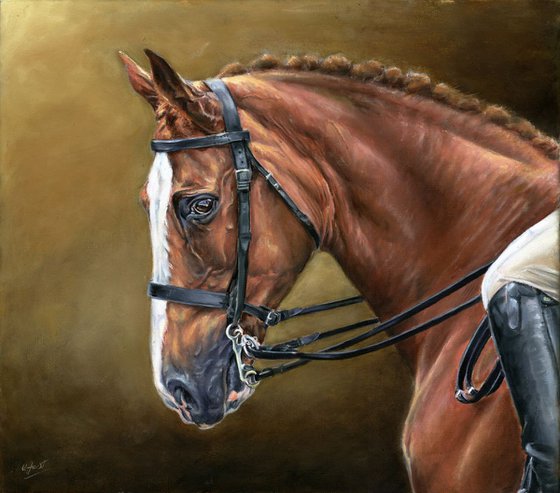
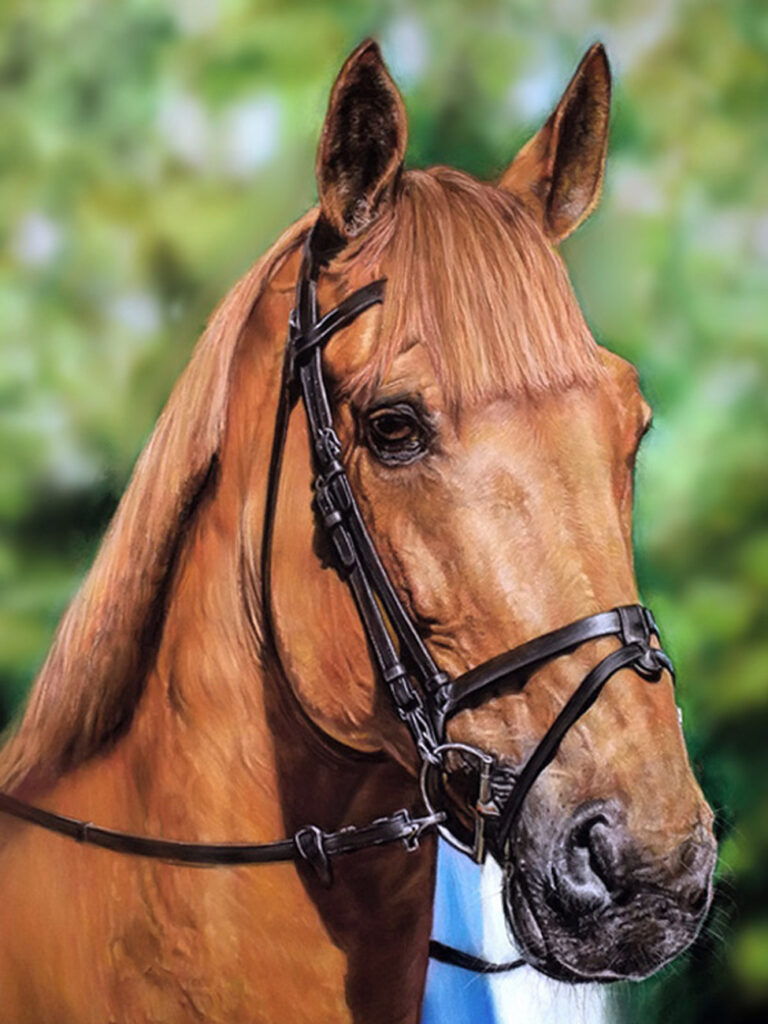
Realism captures every detail of your horse. The coat, eyes, and muscles appear lifelike. This style suits those who want a true-to-life image. Impressionism uses loose brush strokes and soft colors. It focuses on light and movement. This style creates a dreamy, emotional effect. Both styles have strong appeal. Realism shows accuracy. Impressionism shows feelings.
Abstract Interpretations
Abstract horse portraits use shapes and colors. They show the horse in a new way. This style breaks away from reality. It invites viewers to imagine and feel. Abstract art can highlight energy or spirit. It offers freedom in how to see the horse. This style fits modern or bold spaces. It suits those who want art that stands out.
Mixed Media Options
Mixed media combines different materials and techniques. Artists may use paint, charcoal, paper, or fabric. This style adds texture and depth. It makes the portrait more interesting to touch and see. Mixed media can blend realism with abstract elements. It allows creativity and uniqueness. This style works well for personal, artistic horse portraits. It creates a fresh and lively look.
Selecting Materials
Choosing the right materials is important for a horse portrait painting. Good materials help bring out the beauty and details of the horse. They also make the painting process smoother and more enjoyable. Understanding each material helps create a lasting and vibrant artwork.
Types Of Paints
Oil paints offer rich colors and smooth blending. They dry slowly, allowing time to work on details. Acrylic paints dry fast and are easy to clean. Watercolors give a soft, transparent look. Each type changes the style and feel of the painting.
Canvas And Paper Choices
Canvas provides a strong, textured surface for oils and acrylics. It holds paint well and lasts long. Watercolor paper works best for watercolors. It absorbs water and keeps colors bright. Thick, acid-free paper prevents warping and damage.
Brushes And Tools
Use brushes with soft, flexible bristles for smooth strokes. Different brush shapes create various effects. Flat brushes cover large areas quickly. Round brushes help with fine details. Palette knives add texture and bold strokes. Clean tools keep colors clear and vibrant.
Capturing Equine Features
Capturing equine features in a horse portrait painting requires attention to detail and a deep understanding of the animal’s form. Each part of the horse tells a story. The eyes, muscles, and movement show its spirit and strength. An artist must observe carefully to bring the horse’s true nature to life on canvas.
Focusing On The Eyes
The eyes reflect the horse’s soul. They show emotion, alertness, and intelligence. Painting the eyes with care helps create a connection between the viewer and the horse. The shape and shine of the eyes add depth. Subtle reflections bring life and realism to the portrait.
Depicting Muscle Structure
Muscle shapes define the horse’s power and elegance. Artists study the horse’s body closely. They capture the curves and lines of muscles under the skin. Showing muscle tone gives the horse a sense of strength. It also adds realism and texture to the painting.
Portraying Movement And Grace
Movement gives energy to the portrait. The horse’s grace appears in how it stands or moves. Artists use flowing lines and balanced shapes. These show motion, even in a still image. The posture and fluidity highlight the horse’s natural beauty.
Credit: www.artfinder.com
Lighting And Backgrounds
Lighting and backgrounds play a big role in horse portrait painting. They help bring the horse to life and tell a story. The right light can show every muscle and hair. The background sets the scene and mood. Both must work well together.
Choosing between natural and studio lighting changes the feel of the painting. Backgrounds can be simple or detailed. Color in the background can lift or soften the mood. Each choice changes how viewers see the horse.
Natural Vs Studio Lighting
Natural light gives a soft, warm look to the horse. It shows real shadows and highlights. Sunlight adds a natural glow to the coat. It works well for outdoor portraits.
Studio lighting is controlled and consistent. Artists can place lights to show muscles and shape. It creates sharp contrasts and deep shadows. Studio light suits formal and dramatic portraits.
Simple Vs Detailed Backgrounds
Simple backgrounds keep the focus on the horse. Plain colors or soft blurs help highlight details. They do not distract from the subject.
Detailed backgrounds tell a story or show place. A field, barn, or forest adds context. They create a mood but must not overpower the horse.
Using Color To Enhance Mood
Colors set feelings and tone in a painting. Warm colors like red and orange feel lively and strong. Cool colors like blue and green feel calm and peaceful.
Soft pastels create a gentle and quiet mood. Bright colors add energy and excitement. The right color mix makes the horse stand out.
Incorporating Personality
Capturing a horse’s personality makes a portrait truly special. It goes beyond just showing the animal’s shape or color. The painting tells a story about the horse’s spirit and character.
Each horse has traits that set it apart. A good portrait artist sees these traits and brings them to life on canvas. The result is a piece of art that feels alive and personal.
Highlighting Unique Traits
Every horse has features that stand out. It might be a white star on the forehead or a proud neck curve. These details make the horse unique.
An artist studies these traits closely. They paint them with care to keep the horse’s identity clear. This focus gives the portrait a personal touch.
Expressing Emotion Through Art
Horses show feelings through their eyes and posture. Calm, alert, curious – each emotion tells a story. A good painting captures these feelings clearly.
The artist uses light, color, and brush strokes to show mood. This helps viewers connect with the horse on a deeper level. Emotion brings the portrait to life.
Customizing Portraits For Owners
Owners know their horses best. They share stories and preferences with the artist. This helps the artist create a portrait that matches the owner’s view.
Custom portraits may include favorite poses or backgrounds. They reflect the bond between horse and owner. This makes the artwork even more meaningful.

Credit: royalthaiart.com
Techniques For Depth And Texture
Creating depth and texture is key in horse portrait painting. It brings the horse to life and makes the image more real. These techniques help show the muscle, fur, and light on the horse’s body. They give the painting a rich and detailed look.
Layering Paint
Start with thin layers of paint. Build up color slowly. Each layer adds more detail and depth. Use lighter colors first, then add darker shades. This method helps create a strong base. It also makes the painting look more natural.
Creating Fur Texture
Use small, quick brush strokes. Follow the direction of the fur. Paint in short lines to mimic hair. Vary the length and thickness of strokes. This adds realism to the horse’s coat. Try dry brushing to give a soft, fuzzy feel.
Adding Highlights And Shadows
Highlights show where light hits the horse. Use white or light colors for this. Shadows add depth and shape. Use darker colors in shadowed areas. Balance highlights and shadows for a three-dimensional effect. This contrast makes the horse look solid and alive.
Common Challenges And Solutions
Painting horse portraits can be tough. Many artists face similar problems. These challenges can make the painting look less real. Understanding common problems helps to find smart solutions. This section covers three key challenges artists meet often. Each one has tips to improve your horse portrait painting skills.
Capturing Lifelike Proportions
Getting the horse’s body parts right is hard. The head, neck, and legs must be in correct size. Wrong proportions make the horse look strange. Use simple measuring tools. Compare parts of the horse’s body. Start with basic shapes like circles and rectangles. Build the form step by step. Look at photos or real horses. Practice drawing the horse’s skeleton to understand structure better.
Avoiding Flatness
Flat paintings lack depth and feel dull. Horses have round muscles and curves. Show light and shadow clearly. Use darker colors where the body curves away. Add highlights on raised areas. Blend colors softly for smooth transitions. Paint fur texture with small, light brush strokes. This adds volume and life. Think about the light source to keep shadows consistent.
Maintaining Detail In Motion
Horses often move fast, making details tricky. Motion can blur lines and shapes. Use quicker, looser brush strokes for the body. Focus on the horse’s key features like eyes and mane. Keep these sharp to show focus. Capture the motion by showing muscles and hair flow. Use colors that match the speed and energy of the horse’s movement.
Credit: horse-portraits.com
Displaying And Preserving Art
Displaying and preserving horse portrait paintings takes care and thought. These artworks show the beauty and spirit of horses. Proper display keeps them looking fresh. Good preservation protects colors and details for years.
Framing Options
Choose a frame that suits your painting style. Wood frames add warmth and tradition. Metal frames create a modern look. Use acid-free mats to keep the painting safe from touching glass. The right frame protects edges and supports the artwork.
Protective Coatings
Apply varnish or fixative to shield the paint surface. These coatings stop dust, dirt, and fading. Use coatings made for the paint type. Avoid harsh chemicals that can damage the colors. Protective layers keep the painting vibrant and safe.
Optimal Display Conditions
Hang paintings away from direct sunlight to avoid fading. Keep art in rooms with stable temperature and humidity. Avoid damp or very dry places. Use soft lighting to highlight details without heat damage. Proper conditions preserve the painting’s beauty over time.
Frequently Asked Questions
What Materials Are Best For Horse Portrait Painting?
Oil and acrylic paints are popular for horse portraits due to their rich colors and durability.
How Long Does A Horse Portrait Painting Usually Take?
It typically takes several days to weeks, depending on size and detail.
What Style Suits Horse Portrait Paintings The Most?
Realistic and impressionistic styles are common, capturing the horse’s beauty and spirit well.
Can I Use Photos For Creating Horse Portrait Paintings?
Yes, photos help capture accurate details and poses for realistic horse portraits.
How Do Artists Capture A Horse’s Personality In Portraits?
By focusing on eyes, posture, and unique markings to reflect character and mood.
What Size Is Ideal For A Horse Portrait Painting?
Sizes vary, but medium to large canvases best showcase horse details and expressions.
Conclusion
Horse portrait painting captures the beauty and spirit of these animals. Each brushstroke shows their strength and grace. These paintings bring warmth and life to any room. They create a special bond between the horse and the owner. Choosing the right style and artist makes all the difference.
A horse portrait is more than art; it is a memory. Cherish your horse’s unique character through this timeless gift. Art like this stays with you for many years. A horse portrait painting truly honors these magnificent creatures.
As an Amazon Associate, I earn from qualifying purchases.