If you ride horses, you know how important it is to have the right gear. One piece you might not think about often is the horse curb strap.
But this simple strap can make a big difference in how your horse responds and performs. You want your horse to be comfortable and under control without causing discomfort or stress. Understanding what a curb strap does and how to use it properly can improve your riding experience.
Keep reading to learn why the horse curb strap matters and how it can help you and your horse work better together.
Purpose Of A Curb Strap
A curb strap is a small but important part of horse tack. It fits under the horse’s chin and works with the curb bit. Its main job is to control how much the bit moves. This helps the rider guide the horse better and keeps the horse comfortable during riding.
Enhancing Rider Control
The curb strap limits the bit’s rotation in the horse’s mouth. This gives the rider better control over the horse’s head. It helps the rider send clear signals. The horse can respond faster and with less confusion. This control is especially useful in activities like trail riding or showing.
Improving Horse Comfort
The curb strap stops the bit from pressing too hard on the horse’s chin. It spreads pressure evenly and prevents pinching. This reduces pain and stress for the horse. A comfortable horse is more willing to follow commands. The right fit of the curb strap is key to comfort. It should be snug but not tight.
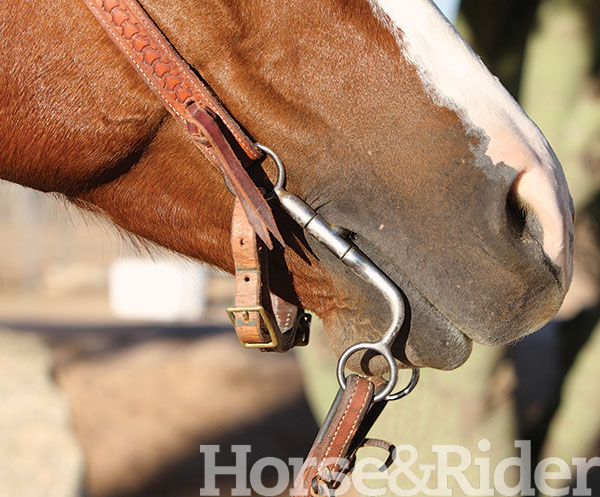
Credit: horseandrider.com
Types Of Curb Straps
Curb straps are important for controlling a horse’s bit and improving communication. Different types of curb straps offer various benefits. Choosing the right type depends on your horse’s needs and your riding style. Here are the common types of curb straps used in horse tack.
Leather Straps
Leather curb straps are classic and widely used. They are soft and flexible, which makes them gentle on the horse’s chin. Leather straps last long with proper care. They also look traditional and neat. Regular cleaning and conditioning keep leather straps strong and comfortable.
Synthetic Straps
Synthetic curb straps are made from materials like nylon or biothane. These straps are durable and weather-resistant. They dry quickly and need little maintenance. Synthetic straps often cost less than leather ones. Bright colors and modern designs make them popular for casual riding.
Chain Straps
Chain curb straps are made of metal links. They provide more control because they are less stretchy. Riders use chain straps on horses needing stronger guidance. Chain straps can be harsh if used incorrectly. Padding is recommended to protect the horse’s chin.
Choosing The Right Size
Choosing the right size for a horse curb strap is important. A well-fitted strap keeps the horse comfortable and the bridle effective. Too tight can cause pain. Too loose can reduce control. Proper sizing helps the horse perform better and stay calm.
Measuring For Fit
Start by measuring the horse’s chin groove. Use a soft tape measure. Wrap it gently around the area where the strap will sit. Note the length in inches or centimeters. Add a small allowance for movement. This ensures the strap is not too tight. Check the manufacturer’s size chart to find the closest match.
Adjusting For Comfort
After fitting the strap, check how it feels on the horse. It should rest snugly but not pinch the skin. Adjust the buckle or fastener to avoid pressure points. Watch the horse’s reactions during use. Signs of discomfort mean you must loosen or change the strap. Comfort leads to better control and a happier horse.
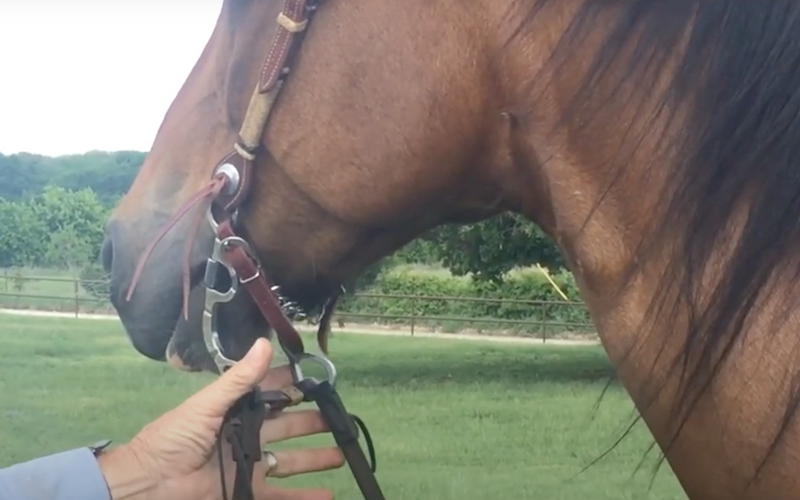
Credit: www.quarterhorsenews.com
Proper Placement And Adjustment
Proper placement and adjustment of a horse curb strap ensure comfort and control. It helps the bit work correctly and keeps the horse calm. Incorrect fitting can cause pain or injury to the horse’s mouth. Careful attention to where and how tight the strap is will improve riding safety and the horse’s response.
Positioning On The Bit
The curb strap should sit just below the bit’s chin groove. It rests against the horse’s jaw without pressing hard. Place it so the strap lies flat and does not twist. Avoid positioning it too high or too low on the bit. Proper placement allows the bit to apply pressure gently when needed. This helps communicate commands clearly to the horse.
Tightness Guidelines
The curb strap should be snug but not tight. It must allow a finger to fit between the strap and the horse’s jaw. Too loose means the strap will not work well. Too tight causes discomfort or restricts the horse’s breathing. Adjust the strap carefully and check it before every ride. The right tightness gives control without hurting the horse.
Common Mistakes To Avoid
Using a horse curb strap correctly is important for the horse’s comfort and control. Many riders make common mistakes that can hurt the horse or reduce the strap’s effectiveness. Avoiding these errors helps the horse stay calm and responsive during rides.
Overtightening
Many riders tighten the curb strap too much. This can cause pain and discomfort to the horse’s chin. A tight strap stops the horse from moving its jaw naturally. It may also make the horse resist or become anxious. The curb strap should fit snugly but not squeeze the horse’s chin.
Incorrect Placement
Placing the curb strap in the wrong spot is a common error. The strap should rest just below the horse’s chin groove. If it sits too high or too low, it won’t work properly. Wrong placement can cause rubbing or sores. It also reduces the control the rider has over the horse.
:strip_icc()/working-horse-and-harness---close-up-of-mouth-and-nose-626040680-5c12a3f7c9e77c00014106c6.jpg)
Credit: www.thesprucepets.com
Maintenance And Care
Taking good care of your horse curb strap helps it last longer and work well. Regular maintenance keeps the leather soft and strong. Clean straps avoid dirt buildup that can cause damage. Proper storage stops the leather from drying out or cracking. These simple steps keep the strap safe for your horse’s comfort.
Cleaning Tips
Use a soft brush or cloth to remove dirt and dust. Clean the strap with saddle soap and warm water. Avoid soaking the leather in water. Wipe the strap gently and dry it with a soft towel. Apply leather conditioner to keep the leather soft and flexible. Clean the strap after every ride or at least once a week.
Storage Recommendations
Store the curb strap in a cool, dry place away from sunlight. Avoid damp or hot areas that can damage leather. Hang the strap or lay it flat to keep its shape. Use a breathable bag or cover to protect it from dust. Check the strap regularly for cracks or wear. Proper storage helps the leather stay strong and ready to use.
Signs Of Discomfort In Horses
Horses cannot speak to say if they feel pain or discomfort. They show signs through their behavior and body. Watching these signs helps keep horses safe. It also helps trainers adjust equipment like the curb strap to fit properly. Recognizing discomfort early prevents injury and stress for the horse.
Behavioral Indicators
Horses may act restless or fidgety when uncomfortable. They might toss their head or try to pull away. Some horses refuse to move forward or stop suddenly. Others may chew or bite at the curb strap area. A horse that is usually calm but suddenly becomes nervous needs attention.
Physical Signs
Look for swelling or redness near the curb strap. Hair loss or sores can appear from rubbing or pressure. The horse may have a tense jaw or tight neck muscles. Sweat spots in the bit area can indicate pain. These signs show the curb strap might be too tight or placed wrong.
Benefits Of Using A Curb Strap
A curb strap is a simple tool that helps improve riding control. It works by holding the bit in place on the horse’s mouth. This small strap plays an important role in making riding safer and more comfortable for the horse.
Using a curb strap brings many advantages. It helps the rider communicate better and keeps the pressure on the horse’s mouth low. This makes the horse respond more easily and feel less pain.
Enhanced Communication
A curb strap helps the rider send clear signals to the horse. It keeps the bit steady, so the horse understands commands faster. This makes riding smoother and more effective. The horse can trust the rider’s hands more because the pressure is even and steady.
Reduced Bit Pressure
The curb strap stops the bit from pulling too hard on the horse’s mouth. It spreads out the pressure over a larger area. This reduces pain and discomfort. The horse stays relaxed and calm, which helps it perform better.
Frequently Asked Questions
What Is A Horse Curb Strap Used For?
A curb strap helps control a horse by applying pressure under the chin during riding.
How Do You Attach A Curb Strap Correctly?
Attach it snugly under the horse’s chin, allowing slight movement without being too tight.
What Materials Are Horse Curb Straps Made Of?
Most curb straps are made from leather or nylon for strength and comfort.
Can A Curb Strap Hurt My Horse?
If too tight, it can cause discomfort. Proper fitting prevents pain or injury.
How Do I Clean And Maintain A Curb Strap?
Wipe with a damp cloth after use and condition leather straps regularly to keep them soft.
When Should I Adjust Or Replace A Curb Strap?
Replace if worn or cracked. Adjust if it feels too loose or too tight.
Conclusion
A horse curb strap helps keep control and safety during riding. It fits under the horse’s chin and works with the bit. Choosing the right strap ensures comfort for your horse. Regular checks prevent rubbing or discomfort. Using a curb strap properly improves communication between rider and horse.
It supports better riding and trust. Simple, careful use makes a big difference. Keep your horse happy and responsive with the right curb strap. A small tool with a strong impact.
As an Amazon Associate, I earn from qualifying purchases.