If you care for horses, you know how important it is to keep them comfortable and protected. A horse tail wrap might sound simple, but it can make a huge difference in your horse’s daily life.
Whether you want to prevent tail damage, keep your horse clean, or help with grooming, the right tail wrap is a game-changer. You’ll discover why a horse tail wrap is a must-have, how to choose the best one, and tips to use it correctly.
Keep reading to give your horse the care it deserves!
Benefits Of Tail Wraps
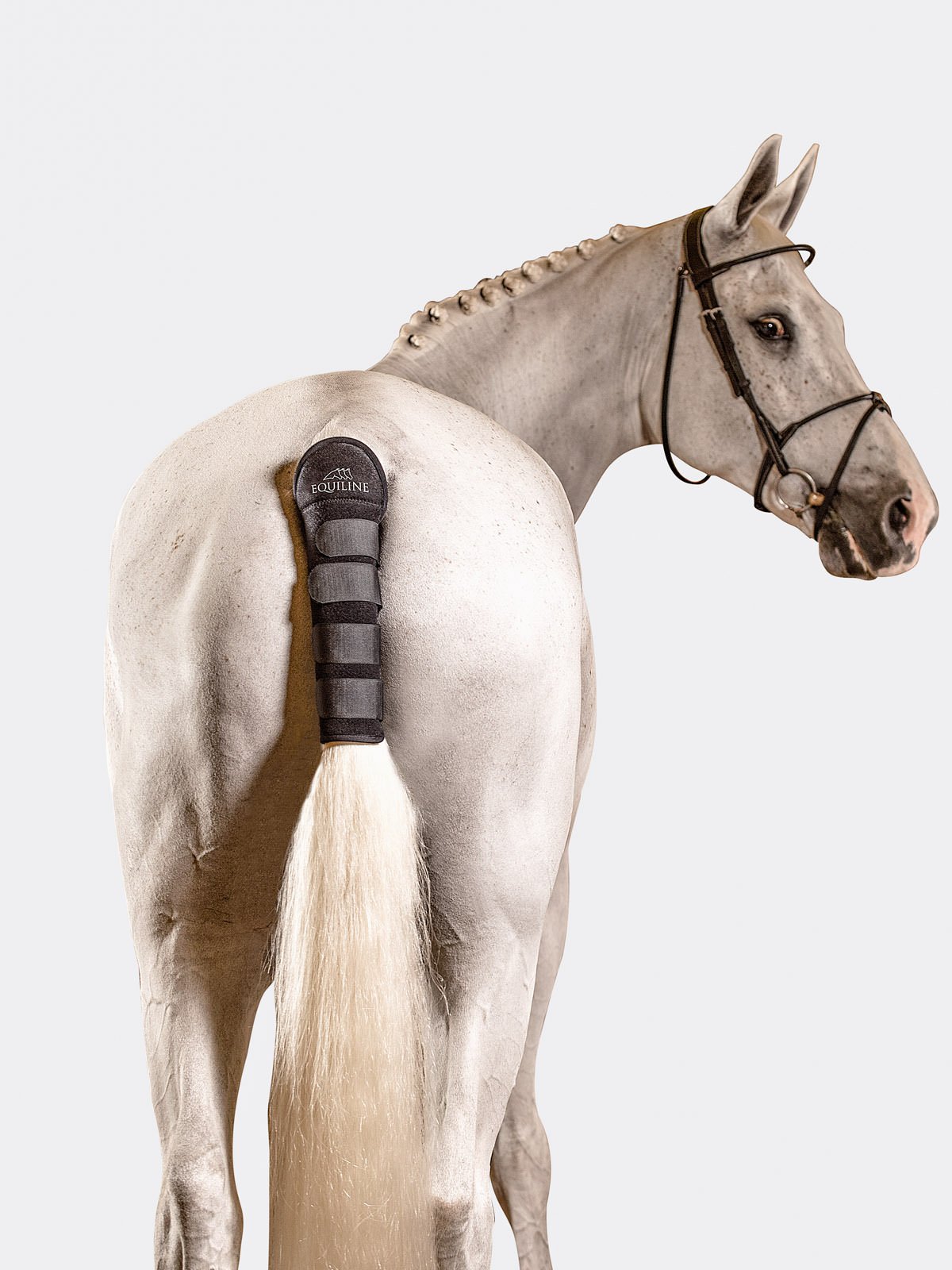
Tail wraps offer many benefits for horse owners and their animals. They protect the tail from harm and keep it neat. Using tail wraps helps maintain the horse’s health and appearance. Each benefit plays an important role in daily care.
Preventing Tail Damage
Tail wraps protect the tail from breaks and rubbing. They keep the hair from splitting or falling out. This is important during riding or transport. The wrap shields the tail from dirt and insects that cause harm. It also helps avoid painful tail injuries.
Maintaining Cleanliness
Tail wraps keep the horse’s tail clean and dry. They stop mud, manure, and debris from sticking to the hair. This reduces the time needed for washing and grooming. Clean tails help prevent skin infections and unpleasant odors. A tidy tail shows good care and respect for the horse.
Enhancing Appearance
Tail wraps give the horse a polished, healthy look. They keep the tail smooth and tangle-free. This is useful for shows and competitions. A well-wrapped tail looks neat and elegant. It shows the owner’s attention to detail and pride in their horse.
Credit: equilineamerica.com
Types Of Tail Wraps
Tail wraps protect a horse’s tail from dirt, damage, and tangles. They keep the tail clean and healthy. Different types of tail wraps suit different needs and occasions. Each type has its own benefits and uses.
Traditional Cloth Wraps
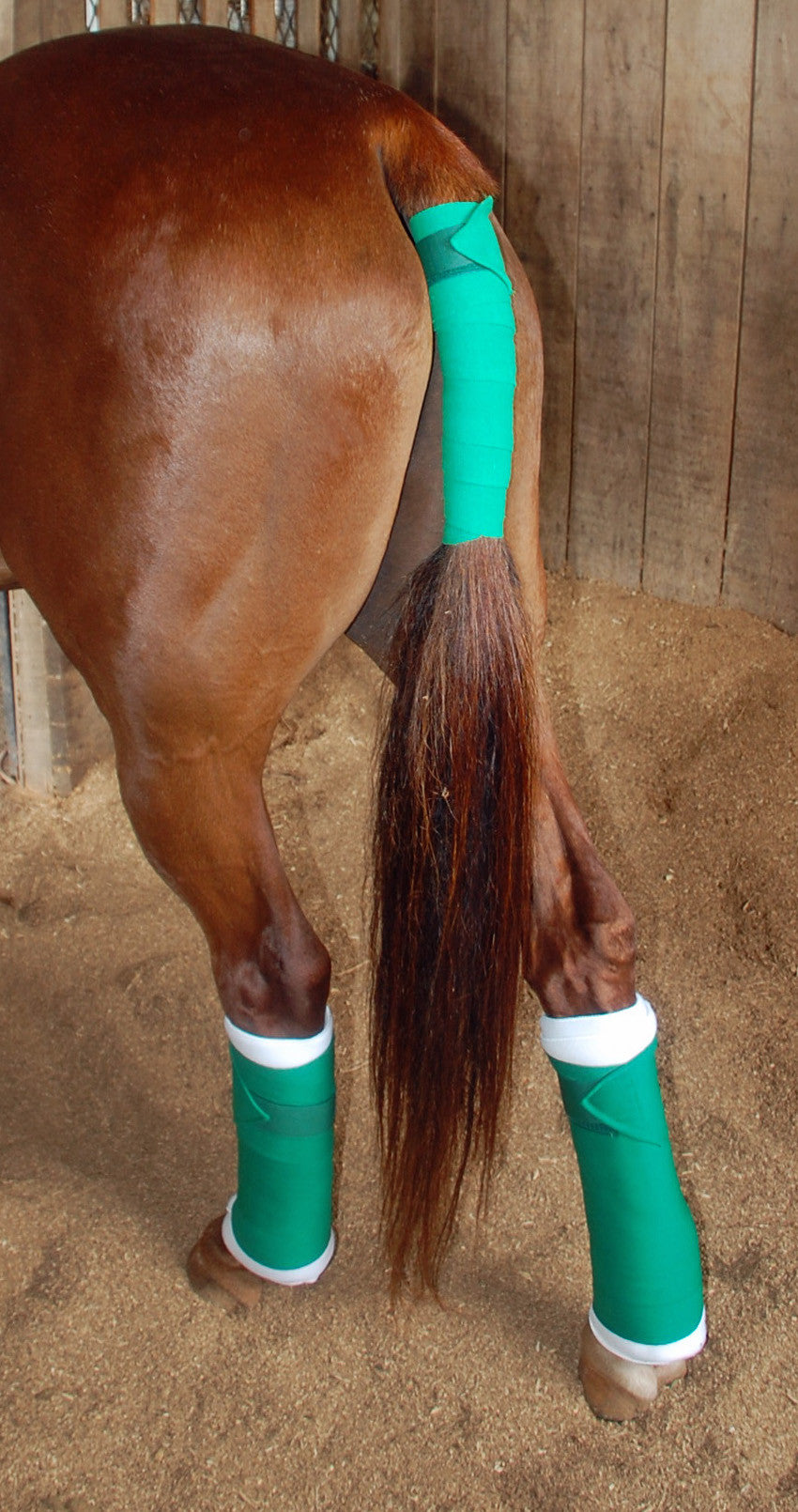
Traditional cloth wraps use soft fabric to cover the tail. They provide good protection during travel or turnout. The fabric is breathable and gentle on hair. These wraps are easy to apply and remove. They help prevent the tail from breaking or getting tangled.
Tail Bags And Socks
Tail bags and socks fully cover the tail hair. They keep the tail clean and safe from dirt and insects. These covers come in different materials and sizes. Tail bags are great for long tails and show horses. Socks offer flexibility and protect from rubbing or chafing.
Braided Tail Wraps
Braided tail wraps involve braiding the tail hair tightly. They keep hair neat and reduce breakage. Braiding is common before riding or shows. It gives a polished look and controls tail movement. Braids need regular care to avoid tightness or discomfort.
Choosing The Right Material
Choosing the right material for a horse tail wrap is important. The material affects comfort, protection, and how well the wrap works. Picking the best fabric helps keep the horse safe and happy. It also makes sure the wrap lasts longer and fits well.
Breathable Fabrics
Breathable fabrics allow air to flow through the wrap. This helps stop sweat buildup. It keeps the horse’s tail dry and cool. Cotton and mesh are good examples. These materials reduce skin irritation. The horse feels more comfortable during use.
Durability And Comfort
Durability means the wrap can handle wear and tear. Strong fabrics last longer and protect better. At the same time, comfort is key. The wrap should not be too tight or rough. Soft materials like fleece offer good comfort. They protect the tail without causing pain.
Weather Considerations
Weather affects the choice of wrap material. In hot weather, light and breathable fabrics work best. They keep the tail cool and dry. Cold weather needs thicker materials for warmth. Waterproof fabrics protect the tail from rain. Choosing the right material helps in all weather types.
Credit: equinetextiles.com
Step-by-step Wrapping Techniques
Wrapping a horse’s tail properly protects it from dirt and damage. It also keeps the tail neat and clean during rides or shows. Follow these simple steps to wrap the tail correctly and safely. Each step helps ensure comfort for your horse and a tidy look.
Preparing The Tail
Start by brushing the tail thoroughly to remove tangles and dirt. Use a wide-tooth comb or your fingers to avoid pulling hair. Check the tail for any cuts or wounds before wrapping. If the tail is wet, let it dry to prevent skin irritation. Divide the tail into sections if needed. This makes wrapping easier and more secure.
Securing The Wrap
Use a soft, stretchy tail wrap to avoid cutting off circulation. Begin wrapping at the base of the tail, near the dock. Wrap gently but firmly, moving downward toward the end. Overlap each layer slightly to hold the wrap in place. Avoid wrapping too tightly to keep blood flow normal. If using tape, make sure it is safe for horse hair.
Finishing Touches
Secure the end of the wrap with a hook-and-loop fastener or gentle tape. Check the wrap for any loose spots or gaps. Adjust if needed to ensure a snug fit. Avoid wrapping over the horse’s skin or tailbone. Finally, monitor the tail regularly to prevent discomfort or slipping. Change the wrap daily or as required.
Common Mistakes To Avoid
Using a horse tail wrap can protect your horse’s tail. It keeps the tail clean and prevents damage. Many people make simple mistakes when wrapping tails. These errors can cause discomfort or harm to the horse. Knowing what to avoid helps keep your horse happy and healthy.
Wrapping Too Tight
Wrapping the tail too tight can cut off blood flow. It causes pain and may damage the tail’s skin. The horse might try to remove the wrap or become stressed. Leave enough space for the tail to move freely. The wrap should be snug but not tight.
Using Incorrect Materials
Not all materials are safe for tail wraps. Avoid rough or stiff fabrics that can irritate the skin. Use soft, breathable, and stretchy materials instead. Materials that trap heat or moisture can cause infections. Choose wraps designed for horse tails only.
Ignoring Regular Maintenance
Leaving the wrap on too long causes problems. Dirt and sweat build up under the wrap. This can lead to skin irritation or infections. Check the wrap daily and clean the tail often. Replace or adjust the wrap as needed to keep it fresh.
Tail Care And Maintenance
Proper tail care is key to keeping your horse’s tail healthy and strong. Wrapping a horse’s tail protects it but needs regular attention. Without care, wrapped tails can cause problems like dirt buildup or skin irritation. Routine checks and cleaning help avoid these issues. Understanding when to remove wraps ensures your horse stays comfortable.
Cleaning Wrapped Tails
Clean the wrapped tail gently to remove dirt and sweat. Use a soft cloth or sponge with mild soap. Avoid soaking the wrap to keep it dry. Clean the area around the wrap to prevent bacteria growth. Dry the tail well after cleaning to stop mold or mildew.
Checking For Skin Irritations
Look under the wrap for redness, bumps, or sores daily. Skin irritation can cause pain and infection. If you notice any signs, remove the wrap immediately. Let the skin breathe and apply a vet-recommended ointment. Check the tail regularly to catch problems early.
When To Remove Wraps
Remove wraps regularly to allow the tail to rest. Wraps should not stay on for more than a few days. Take off wraps before riding or turnout if possible. Remove the wrap if it becomes wet or dirty. Give your horse’s tail time to dry and recover.
Styling Tips For A Polished Look
A well-styled horse tail wrap adds a neat and polished look to your horse. It shows care and attention to detail. Styling also protects the tail during rides and events. Simple tips can make your horse stand out while keeping comfort in mind.
Matching Wraps With Tack
Choose wraps that match your tack color for a clean look. Leather, saddle pads, and bridles all work well when colors align. Dark wraps with dark tack create elegance. Bright wraps with colorful tack add energy. Matching ties the whole outfit together smoothly.
Adding Decorative Elements
Decorative touches add flair without overdoing it. Small bows or ribbons on the wrap can look charming. Use subtle beads or charms for special events. Keep decorations light to avoid discomfort. Simple details make your horse look unique and cared for.
Seasonal Style Ideas
Adjust your wrap style with the seasons. Use lighter colors in spring and summer to keep cool. Darker, richer colors fit fall and winter well. Choose breathable materials for hot months. In cold weather, thicker wraps protect and add warmth. Seasonal choices keep your horse stylish year-round.
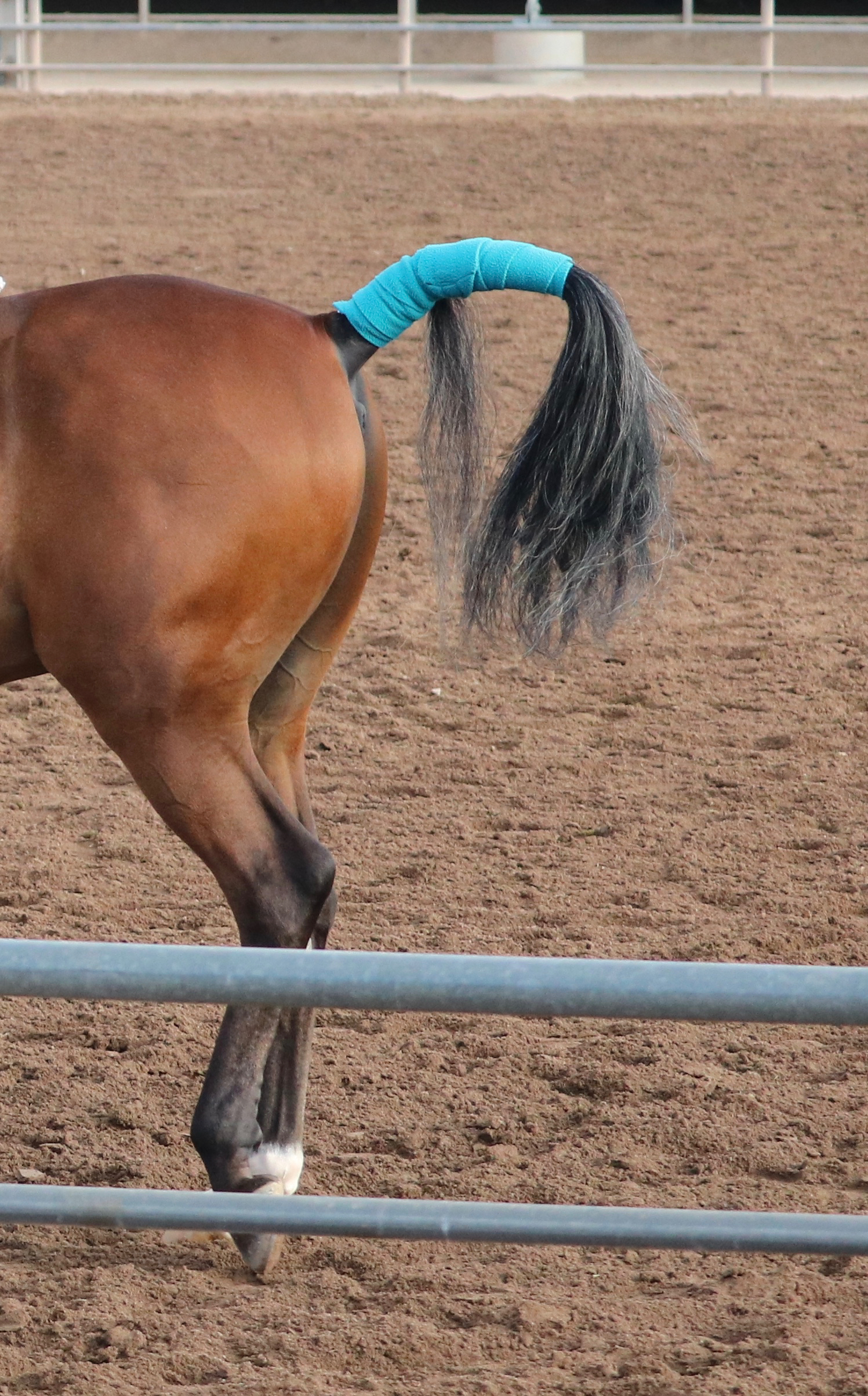
Credit: commons.wikimedia.org
Tail Wraps For Different Disciplines
Tail wraps protect horse tails during various riding activities. Different horse disciplines need different tail wrap styles. Choosing the right wrap helps keep tails clean and safe. It also enhances the horse’s appearance for shows or casual rides.
Show Jumping And Dressage
In show jumping and dressage, tail wraps keep the tail tidy and neat. They prevent hair from breaking during intense movements. The wraps are usually sleek and tight. This gives a polished look, matching the formal style of these events. Tail wraps also stop dirt from settling on the tail. Riders prefer wraps that are simple and elegant here.
Western Riding
Western riding tail wraps focus more on protection. They guard the tail from brush and debris on trails. Wraps in this discipline are often thicker and stronger. They protect against rubbing and hair loss from long rides. The style may be a bit looser for comfort. Western riders need durable wraps for rough terrain.
Trail And Leisure Riding
Trail and leisure riders use tail wraps for comfort and safety. These wraps keep the tail clean from mud and bugs. They help avoid tangles and hair damage over long rides. The wraps are usually simple and easy to apply. Comfort is key for casual riding wraps. These wraps allow the horse to move freely and stay relaxed.
Frequently Asked Questions
What Is A Horse Tail Wrap Used For?
A horse tail wrap protects the tail from injury and keeps it clean during rides.
How Do You Properly Apply A Horse Tail Wrap?
Start at the tailbone, wrap gently downward, and secure without cutting off circulation.
Can Horse Tail Wraps Prevent Tail Rubbing?
Yes, wraps help reduce tail rubbing by protecting sensitive skin and hair.
How Long Should A Horse Tail Wrap Stay On?
Keep the wrap for a few hours to a day, depending on activity.
Are Horse Tail Wraps Safe For All Horse Breeds?
Horse tail wraps are generally safe for all breeds when used correctly.
How Often Should You Change Or Remove The Tail Wrap?
Change or remove the wrap daily to check for skin irritation or dirt.
Conclusion
Horse tail wraps protect and keep tails clean. They help prevent damage and tangles. Using wraps regularly keeps the tail healthy. Choose wraps that fit well and feel soft. Always check and change wraps often. Caring for your horse’s tail shows love and respect.
Simple steps make a big difference. Healthy tails look good and last longer. Try wraps to keep your horse comfortable. Small efforts lead to better horse care.
As an Amazon Associate, I earn from qualifying purchases.