If you’ve ever wondered what keeps a horseshoe firmly attached to a horse’s hoof, the answer lies in one small but mighty tool: the horse shoe nail. These nails might seem simple, but they play a crucial role in protecting your horse’s feet and ensuring its comfort and performance.
Understanding how horse shoe nails work can save you time, money, and even prevent injury to your horse. Stick with me, and you’ll discover everything you need to know about choosing, using, and caring for horse shoe nails—because your horse deserves the best care possible.
Credit: flintknappingsupplies.com
Choosing The Right Nail
Choosing the right horse shoe nail is key for your horse’s comfort and safety. The correct nail keeps the shoe firmly in place without hurting the hoof. Selecting the wrong nail can cause pain, injury, or a loose shoe. Understanding the types, sizes, and materials helps you pick the best nail for your horse’s needs.
Types Of Horse Shoe Nails
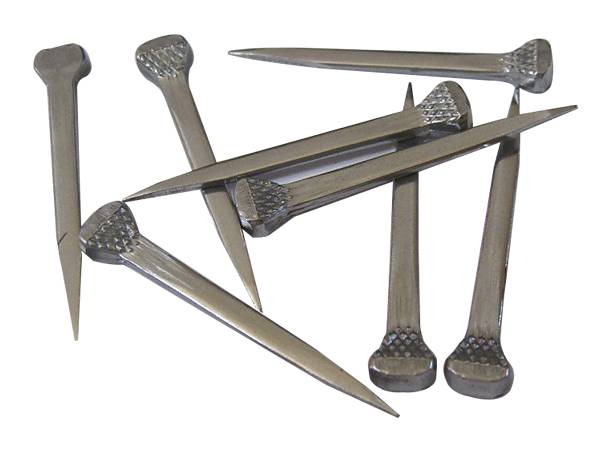
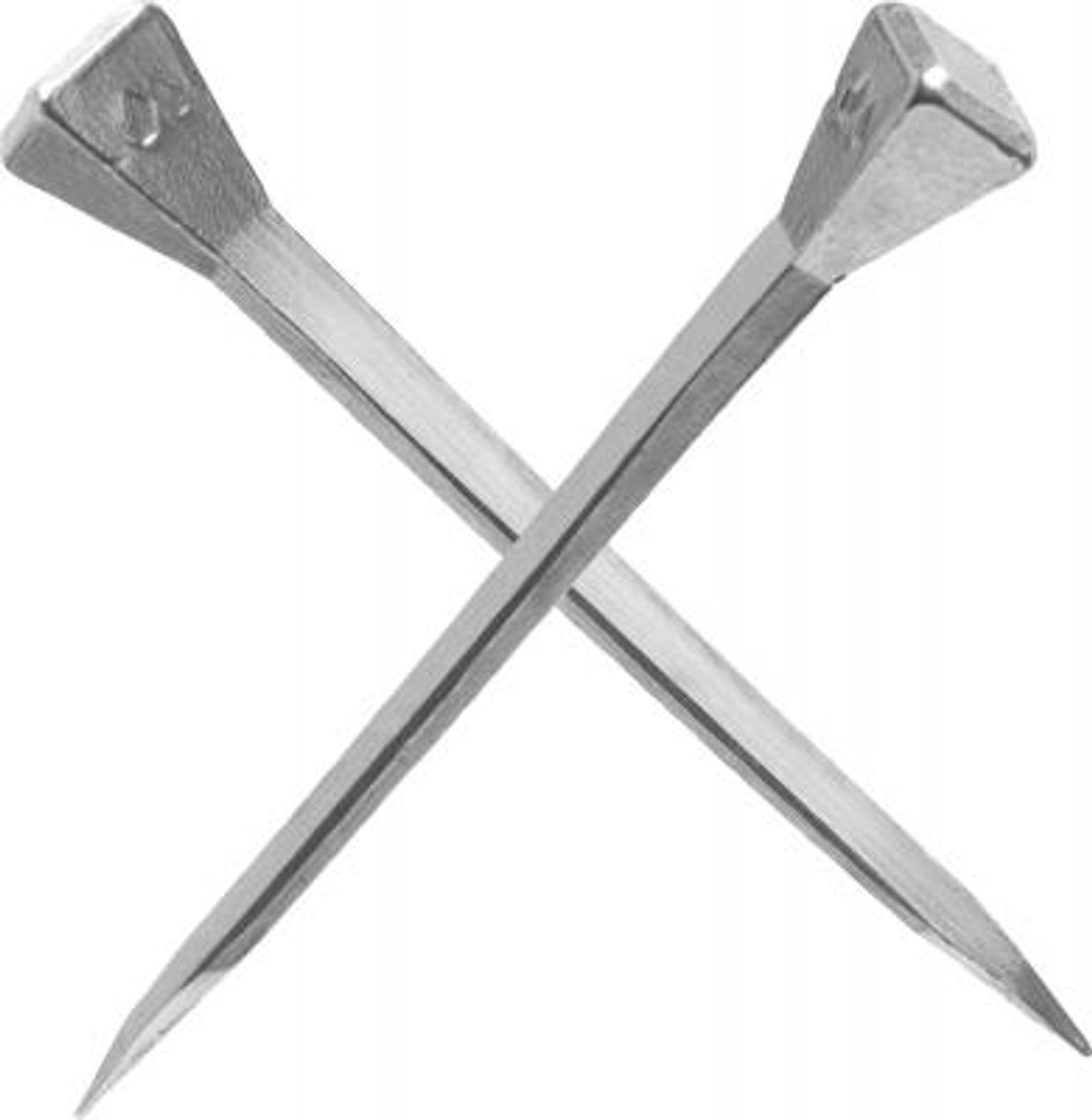
Horse shoe nails come in different styles. Clipped nails have a small bend that helps hold the shoe better. Square nails fit tightly and offer strong grip. Rose-head nails have a rounded head to prevent slipping. Each type suits different shoeing techniques and hoof shapes.
Nail Sizes And Lengths
Nails vary in length and thickness. Shorter nails work for small horses or thin hooves. Longer nails suit larger horses or thick hooves. The nail must reach the outer wall without poking the sensitive inner hoof. Using the right length prevents injury and shoe loss.
Material Considerations
Most nails are made of steel or aluminum. Steel nails are strong and resist bending. Aluminum nails are lighter and less likely to cause cracks. Some nails have special coatings to prevent rust. Choosing the right material helps keep the shoe secure and hoof healthy.
Preparing The Hoof
Preparing the hoof is a crucial step before nailing a horseshoe. It ensures the shoe fits well and stays secure. Taking time to prepare the hoof helps prevent injuries and discomfort for the horse. A clean, healthy hoof provides the best base for the horseshoe nails.
Cleaning And Trimming
Start by cleaning the hoof thoroughly. Remove dirt, mud, and old debris using a hoof pick. Check for any stones stuck in the sole or frog. After cleaning, trim the hoof wall to the proper length. Use sharp nippers to cut evenly. Trimming shapes the hoof and removes excess growth.
Inspecting For Damage
Look closely at the hoof for cracks or chips. Check the sole and frog for soft spots or injuries. Notice any signs of thrush or infection. Damaged hooves need care before shoeing. Healthy hooves hold nails better and reduce the risk of pain.
Proper Hoof Alignment
Align the hoof so it sits flat and balanced. Ensure the hoof wall is straight and level. Proper alignment helps the horse walk comfortably. It also makes sure the horseshoe fits without gaps. Correct positioning is key for the nail to hold firmly.
Nailing Techniques
Nailing a horseshoe requires skill and care. Proper techniques keep the horse safe and comfortable. Each step matters in securing the shoe correctly. Below are key methods to ensure good nailing.
Correct Nail Placement
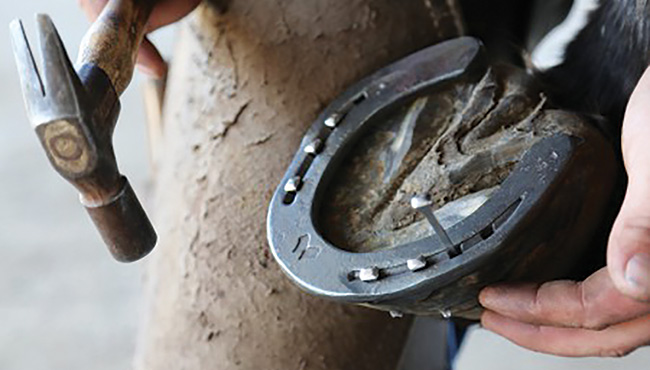
Place nails in the thick part of the hoof wall. This area is strong and can hold nails well. Avoid placing nails too close to the hoof sole. Nails should go straight and not at an angle. Proper placement prevents damage and keeps the shoe tight.
Avoiding Sensitive Areas
Some parts of the hoof are very sensitive. Avoid the frog and sole areas when nailing. These parts have nerves and blood vessels. Nailing here causes pain and injury. Focus only on the outer wall for safe nailing.
Driving Nails Safely
Use a hammer gently to drive nails in. Start slowly to avoid cracking the hoof. Push nails until the head sits flush with the shoe. Bend the nail tips outward to hold the shoe. Finish by clipping excess nail for safety.
Credit: shopedss.com
Common Mistakes To Avoid
Using horse shoe nails may seem simple. Yet, many make common mistakes that harm the horse’s hoof. Avoiding these errors helps keep horses healthy and comfortable. Proper nailing ensures the shoe stays secure without causing pain.
Overdriving Nails
Driving nails too deep can hurt the horse. It may cause bruises or infections in the hoof. Nails should hold the shoe firmly but not penetrate sensitive areas. Stop driving when the nail reaches the right depth. Check the hoof for signs of discomfort or damage.
Using Incorrect Nail Types
Different shoes need different nails. Using the wrong nail type can loosen the shoe or damage the hoof. Nails come in various sizes and shapes. Choose nails designed for your horse’s shoe and hoof condition. Proper nails improve shoe fit and hoof safety.
Ignoring Hoof Health
Healthy hooves are vital for good nailing. Ignoring hoof care weakens the hoof structure. Dirt, cracks, and infections must be treated before shoeing. Clean and trim hooves regularly to prepare for nailing. Healthy hooves hold nails better and prevent injuries.
Maintaining Hoof Health
Maintaining hoof health is essential for every horse owner. Healthy hooves ensure better movement and less pain. Proper care helps avoid serious problems later. Horse shoe nails play a key role in keeping shoes secure without harming the hoof. Regular attention to these nails protects the horse’s comfort and performance.
Regular Inspections
Check the hooves often to spot any issues early. Look closely at the nails and the shoe fit. Loose or missing nails can cause the shoe to shift. Dirt and debris around the nails can lead to infections. Clean the hooves gently and remove any buildup. Regular inspections help keep the horse sound and happy.
Signs Of Nail-related Issues
Notice any swelling or heat near the nails. The horse may show lameness or favor one leg. Cracks or splits around the nail holes are warning signs. Pus or bad smells can mean infection. Pain when touching the hoof suggests a nail problem. Early detection prevents bigger hoof troubles.
When To Replace Nails
Replace nails if they become loose or bent. Nails that pull away from the hoof can cause damage. Change nails during regular shoeing appointments for safety. Avoid using too long or too short nails. Properly sized nails keep the shoe stable and the hoof healthy. Timely replacement supports strong hoof structure.
Credit: www.americanfarriers.com
Tools For Nail Application
Applying horse shoe nails requires specific tools to do the job well. These tools help secure the shoe firmly and keep the horse comfortable. Using the right tools makes nailing faster and safer.
Let’s explore the main tools used for nail application and their care.
Essential Farrier Tools
Farriers use several tools to apply horse shoe nails. A hoof pick cleans dirt from the hoof before nailing. A hoof knife trims excess hoof material. Nail pincers pull old nails out carefully. A hammer drives new nails into place. A clinching tool bends nail tips to hold shoes tight. Each tool has a clear purpose in the nailing process.
Safety Equipment
Safety gear protects both farrier and horse. Gloves shield hands from sharp nails and tools. Safety glasses guard eyes from flying debris. Steel-toed boots protect feet from dropped tools. A sturdy apron prevents injury from hammer hits. Safety measures reduce accidents during shoeing.
Maintenance Of Tools
Keeping tools clean and sharp ensures good work. Remove dirt and rust after each use. Oil metal parts to stop rusting. Sharpen edges regularly for precise cuts. Store tools in a dry place to avoid damage. Well-maintained tools last longer and work better.
Frequently Asked Questions
What Is A Horse Shoe Nail Used For?
Horse shoe nails attach horseshoes to horse hooves securely.
How Are Horse Shoe Nails Different From Regular Nails?
They are specially shaped to hold shoes without hurting the hoof.
What Materials Are Horse Shoe Nails Made From?
Mostly steel or aluminum, for strength and rust resistance.
Can Horse Shoe Nails Cause Injury To Horses?
Proper nailing avoids injury; poor use can hurt the hoof.
How Often Should Horse Shoe Nails Be Replaced?
Every 4 to 6 weeks, along with shoe replacement.
What Size Horse Shoe Nail Fits Best For My Horse?
Size depends on hoof thickness and shoe type; farriers decide.
Conclusion
Horse shoe nails play an important role in horse care. They keep the shoes firmly attached to the hooves. Choosing the right nail helps avoid injuries and discomfort. Proper nail use supports the horse’s movement and health. Always check nails regularly for wear or damage.
Good nail care means a happy, healthy horse. Simple steps can make a big difference in horse shoeing. Trust in quality nails for lasting hoof protection.
As an Amazon Associate, I earn from qualifying purchases.