Thinking about getting your horse trained but worried about the cost? You’re not alone.
Knowing how much you’ll need to spend can help you make smart decisions for your horse’s future. Whether you want basic riding skills or advanced training, the price can vary a lot. You’ll discover what influences the cost, what to expect, and how to get the best value for your money.
Keep reading to find out exactly what it takes to get your horse trained without breaking the bank.
Factors Influencing Horse Training Costs
Several factors shape the cost of horse training. Understanding these elements helps in planning a budget. Costs can vary widely based on the horse and the trainer.
Knowing what affects the price ensures the best value for your money. Each factor plays a key role in the final cost.
Horse Age And Experience
Young horses need more basic training, which takes longer. Older horses with prior training may require less time. Horses with bad habits need special attention, increasing costs. The more training needed, the higher the price.
Training Duration And Intensity
Short training sessions cost less than full-time training. Intensive programs with daily work raise the price. The length of training depends on your goals. More time means more fees for care and work.
Trainer Expertise And Reputation
Experienced trainers charge higher rates. A well-known trainer may cost more but offer better results. Less experienced trainers might be cheaper but less skilled. Choose a trainer who fits your budget and needs.
Location And Facility Quality
Training costs vary by region and facility. High-quality stables with good care charge more. Remote areas may have lower fees but fewer amenities. The facility’s quality affects horse comfort and learning.
Training Methods Used
Different methods require different time and skill levels. Gentle, natural training might take longer but costs less. Specialized techniques can increase fees due to trainer expertise. Choose a method that matches your horse’s temperament.
Credit: www.littleredfeather.com
Types Of Horse Training Services
Horse training covers many types of services. Each type focuses on different skills and goals. Understanding these can help decide which training suits your horse best. Costs vary based on the training type and duration.
Basic Groundwork Training
This training teaches horses to respond to basic commands on the ground. It builds trust and respect between horse and handler. Horses learn to lead, stand still, and accept grooming. Groundwork is essential before any riding begins.
Riding And Performance Training
This training focuses on riding skills and horse control. It prepares horses for trail rides, shows, or everyday riding. Trainers work on balance, gait, and rider communication. Performance training suits horses meant for competitions or leisure riding.
Behavioral Correction
This service helps horses with bad habits or fear issues. Trainers address biting, kicking, or refusing commands. It improves safety for riders and handlers. Behavioral training often requires patience and consistent work.
Specialized Discipline Training
This training targets specific horse sports or activities. Examples include dressage, jumping, or western riding. It requires skilled trainers familiar with each discipline’s rules. Horses learn precise movements and techniques for competitions.
Typical Price Ranges For Training
Understanding the typical price ranges for horse training helps you plan your budget. Training costs vary by trainer experience, location, and training type. Knowing common rates avoids surprises and makes your decision easier.
Daily Training Rates
Daily training rates usually range from $30 to $100 per day. Some trainers charge more for special skills or advanced horses. This option suits owners who want short-term or occasional training.
Monthly Training Packages
Monthly training packages cost between $500 and $1,500. These include daily work and progress tracking. Packages often provide better value than daily rates for long-term training.
Boarding And Training Combos
Boarding plus training combos cost $800 to $2,500 monthly. They cover stabling, feeding, and daily training sessions. This option fits owners without a stable or who want full care for their horse.
Additional Fees And Expenses
Extra fees may include vet care, farrier visits, and equipment. Transportation to shows or clinics can add to costs. Always ask trainers about hidden fees before starting training.
Cost Comparison By Region
Horse training costs differ widely across regions. These differences depend on local demand, trainer expertise, and facility standards. Understanding regional costs helps horse owners budget better. Here is a look at training costs in various parts of the world.
Training Costs In North America
North America offers many training options for horses. Prices range from $500 to $2,000 per month. Trainers in big cities charge higher fees. Rural areas tend to have lower prices. Specialized training, like show jumping, costs more.
Training Costs In Europe
Europe has a long tradition of horse training. Costs vary between countries and regions. Western Europe often has higher fees, around $1,000 to $3,000 per month. Eastern Europe usually offers more affordable rates. Trainers in Europe focus on discipline and style.
Training Costs In Australia And New Zealand
Australia and New Zealand have strong equestrian cultures. Training costs range from $700 to $2,000 monthly. Remote areas tend to charge less than cities. Many trainers offer packages for basic and advanced training. Climate influences training schedules in these countries.
Other Global Markets
In other global regions, costs vary greatly. South America and Asia often have lower fees, sometimes under $500 monthly. Quality and expertise can differ widely. Middle Eastern countries invest heavily in horse training. Prices there can match those in Europe or North America.
How To Choose The Right Trainer
Choosing the right horse trainer is very important. The trainer shapes your horse’s skills and behavior. A good trainer makes a big difference in your horse’s progress. Take time to find a trainer who fits your needs and goals.
Checking Credentials And References
Start by checking the trainer’s credentials. See if they have certifications or special training. Ask for references from past clients. Talk to those clients about their experience. Good trainers will have positive feedback and proof of work.
Visiting Training Facilities
Visit the trainer’s facility before making a decision. Look at the cleanliness and safety of the area. See how the horses are treated and cared for. A well-maintained facility shows professionalism. It also means your horse will be in a good environment.
Trial Training Sessions
Ask if you can have a trial session. This helps you see the trainer’s style and methods. Watch how they interact with your horse. Notice if your horse seems comfortable and calm. Trial sessions help avoid surprises later on.
Contracts And Payment Terms
Before starting, review the contract carefully. Check what services are included and the costs. Understand the payment schedule and cancellation rules. Clear contracts protect both you and the trainer. Always ask questions about anything unclear.

Credit: www.reddit.com
Tips To Manage Training Expenses
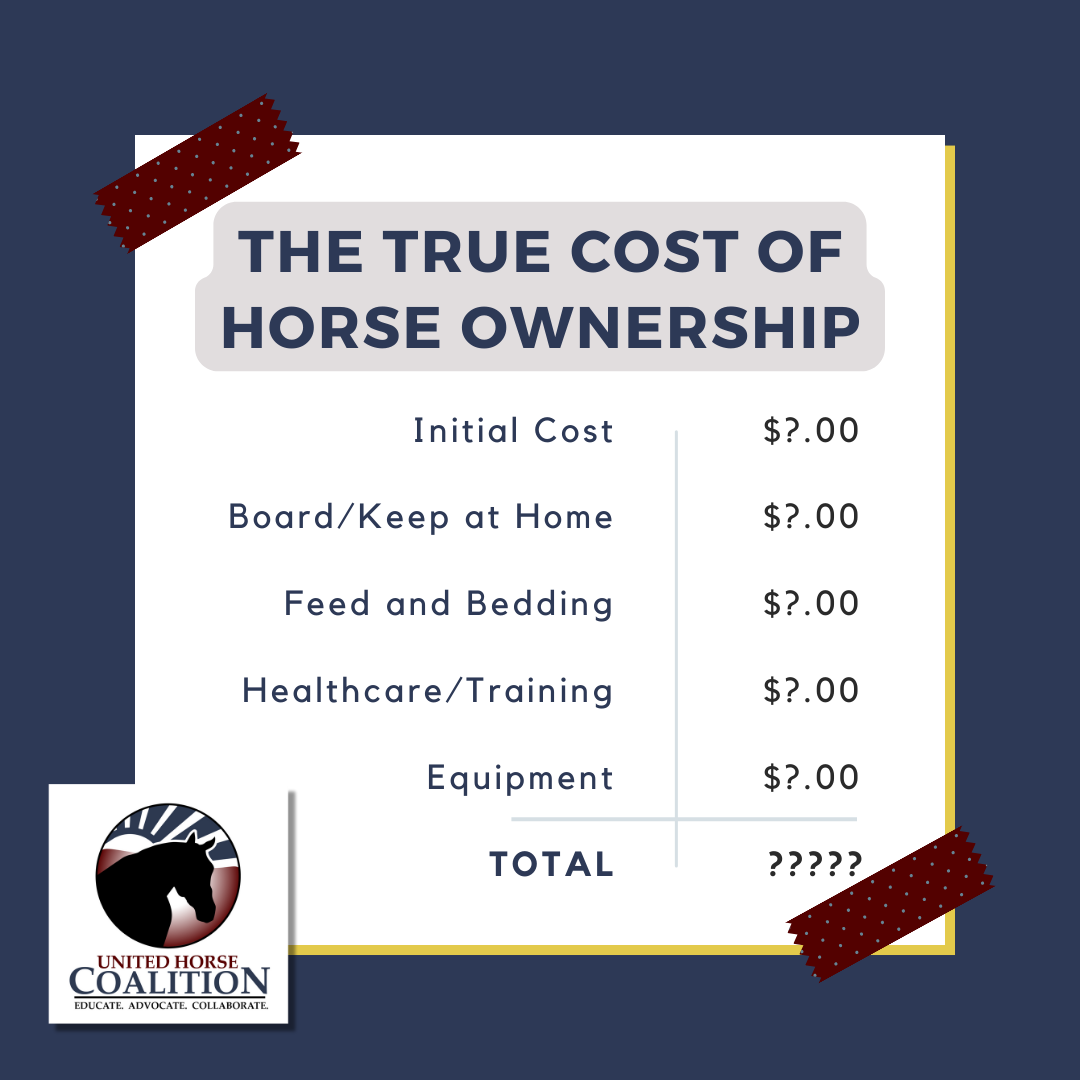
Training a horse can be expensive. Managing these costs wisely helps you get the best results without overspending. Simple strategies can reduce the financial burden and keep your training on track. Planning and smart choices make a big difference.
Budgeting For Training Costs
Set a clear budget before starting horse training. List all possible expenses, such as trainer fees, equipment, and feed. Track your spending regularly. This helps avoid surprises and keeps you in control of costs.
Negotiating Rates
Talk openly with trainers about your budget limits. Some trainers may offer discounts for longer training periods or group lessons. Ask if payment plans are available. Polite negotiation can save you money without sacrificing quality.
Diy Training Options
Learn basic training skills to do some work yourself. Use books, videos, or online tutorials for guidance. This reduces hours needed from a professional trainer. Make sure to practice safety and patience during DIY training.
Utilizing Training Clinics And Workshops
Attend clinics or workshops for focused, short-term training. These are usually cheaper than private sessions. Clinics offer hands-on experience and expert advice. Join group sessions to share costs with other horse owners.
Credit: unitedhorsecoalition.org
Frequently Asked Questions
How Much Does Basic Horse Training Usually Cost?
Basic horse training typically ranges from $500 to $1,500, depending on location and trainer experience.
What Factors Affect The Price Of Horse Training?
Training cost depends on horse age, skill level, training type, and trainer reputation.
How Long Does Horse Training Usually Take?
Most training programs last 30 to 90 days, depending on horse needs and goals.
Is Group Training Cheaper Than Private Horse Training?
Group training often costs less than private sessions but may offer less personalized attention.
Can I Train My Horse Myself To Save Money?
Self-training is possible but requires knowledge, time, and patience for good results.
Are There Ongoing Costs After Initial Horse Training?
Yes, regular practice and occasional refresher sessions are needed to maintain training skills.
Conclusion
Training a horse takes time and money. Costs vary by trainer, location, and horse needs. Basic training is cheaper than advanced lessons. Always ask for clear prices before starting. Choose a trainer who suits your goals. Remember, good training helps your horse stay safe and happy.
Plan your budget carefully to avoid surprises. A well-trained horse makes riding more fun and easier. Invest wisely for the best results.
As an Amazon Associate, I earn from qualifying purchases.