If you own a draft horse or are thinking about getting one, you know how important the right harness is. A draft horse driving harness isn’t just about control—it’s about comfort, safety, and making every ride smoother for you and your horse.
But with so many options out there, how do you choose the best one? You’ll discover exactly what makes a draft horse driving harness stand out, and how to pick the perfect fit for your needs. Keep reading, because the right harness can change your whole experience.
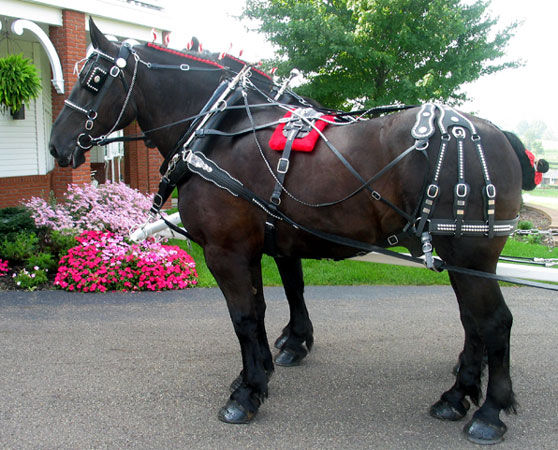
Credit: www.mydrafthorse.com
Types Of Draft Horse Harnesses
Draft horse harnesses come in different types. Each type suits a specific task or team size. Choosing the right harness helps the horse work comfortably and efficiently.
Understanding the types of draft horse harnesses makes it easier to pick the correct one for your needs. This section explains the most common types.
Single Harness
The single harness is designed for one horse pulling a load. It includes a collar, hames, traces, and reins. This harness fits snugly and spreads the load evenly across the horse’s shoulders.
Farmers and drivers often use the single harness for light to medium work. It allows the horse to pull wagons, carts, or small plows with ease.
Double Harness
The double harness is for two horses working side by side. Each horse wears its own harness, connected by a pole or doubletree. This setup increases pulling power for heavier loads.
It is common in logging, farming, and carriage driving. The double harness keeps the horses balanced and working together smoothly.
Breaching Harness
The breaching harness includes a strap around the horse’s hindquarters. This strap helps the horse slow down or stop a heavy load. It prevents the cart from pushing forward too much.
This type is useful on hills or steep terrain. It gives the driver more control and protects the horse from strain.
Key Components Of A Driving Harness
The driving harness is essential for controlling draft horses safely and comfortably. Each part has a specific role. Understanding these parts helps ensure proper use and care. The key components work together to distribute weight and guide the horse effectively.
Collar And Hames
The collar fits around the horse’s neck. It spreads the pulling force evenly. The hames are metal or wooden strips attached to the collar. They hold the traces and connect the horse to the vehicle. This part must fit well to avoid injury.
Traces And Tugs
Traces are long straps that link the harness to the load. They carry the pulling power from the horse. Tugs are short straps that keep the traces in place. Strong traces and tugs are vital for pulling heavy loads safely.
Breeching
Breeching is a strap around the horse’s rear. It helps the horse slow down or stop the vehicle. This part provides brake control and prevents the load from pushing into the horse. It must be snug but not tight.
Saddle And Backband
The saddle sits on the horse’s back under the harness. It supports the shafts or poles of the vehicle. The backband holds the saddle firmly in place. These parts help balance the weight and protect the horse’s back.
Reins And Bridle
The bridle fits on the horse’s head and holds the bit. The reins connect the bridle to the driver’s hands. They allow the driver to steer and control the horse. Soft but strong reins help maintain clear communication.
Measuring For The Perfect Fit
Getting the right fit for a draft horse driving harness is key. A well-fitted harness keeps the horse comfortable and improves performance. Incorrect measurements cause discomfort and reduce control. Take time to measure carefully for the best results.
Measuring The Horse’s Neck
Start by measuring the neck where the collar will sit. Use a soft tape measure. Wrap it around the thickest part of the neck. Make sure the tape is snug but not tight. This measurement helps choose the correct collar size.
Determining Collar Size
The collar size must match the neck measurement closely. Check the collar width and thickness. The collar should fit comfortably without pinching. It must allow the horse to breathe and move easily. A proper collar reduces pressure points.
Checking Trace Length
Trace length affects how the horse pulls the load. Measure from the collar ring to the shaft ring. The trace should be long enough for free movement. Avoid traces that are too short or too long. Proper length improves control and balance.
Adjusting The Breeching
Breeching helps the horse slow down and back up. Adjust it to sit just above the hind legs. It should be snug but not tight. Check that it does not rub or chafe the horse. Correct breeching adjustment increases safety and comfort.

Credit: chimacumtack.com
Fitting The Harness Step-by-step
Fitting a draft horse driving harness takes care and attention. Each part must fit well for the horse to work comfortably. Follow these steps to fit the harness properly. This helps the horse pull with ease and stay safe.
Placing The Collar
Start by placing the collar gently around the horse’s neck. The collar should sit snug but not tight. It must rest evenly on the horse’s shoulders. Check that it does not pinch or rub the skin. A well-placed collar spreads the load evenly.
Attaching The Hames
Next, attach the hames to the collar. The hames are the metal or wooden pieces that fit on each side. Secure them tightly to avoid slipping. Make sure the hooks face backward. This holds the traces that pull the load.
Securing The Traces
Connect the traces to the hames. Traces are the long straps that link the horse to the vehicle. Check that the traces are even in length. They should allow the horse to move freely. Fasten all buckles firmly but not too tight.
Adjusting The Saddle
Place the saddle on the horse’s back behind the collar. The saddle supports the shafts or poles of the vehicle. Adjust the straps so the saddle stays steady. Avoid pressure points that may hurt the horse. A balanced saddle keeps the horse comfortable.
Setting The Breeching
Finally, fit the breeching around the horse’s hindquarters. Breeching helps the horse slow and hold back weight. Adjust it so it rests low but does not rub. The straps should be tight enough to stay in place. Proper breeching improves control and safety.
Common Fitting Mistakes To Avoid
Fitting a draft horse driving harness properly is key for safety and comfort. Mistakes in fitting can cause pain and reduce performance. Avoiding common errors helps the horse work well and stay happy. Below are frequent fitting mistakes and how to prevent them.
Too Tight Or Too Loose Collars
Collars that are too tight can choke the horse or cause sores. Tight collars stop blood flow and make breathing hard. Loose collars slide and rub, causing discomfort and blisters. The collar must fit snugly but allow the horse to breathe freely.
Incorrect Trace Length
Traces that are too short pull on the horse’s shoulders. This restricts movement and causes strain. Traces that are too long drag on the ground or get tangled. Proper trace length allows smooth, even pulling without extra pressure.
Improper Breeching Adjustment
Breeching that is too tight can hurt the horse when slowing or backing. Too loose breeching offers no control and can slip off. Adjust breeching to fit securely but comfortably, giving the horse room to move and brake safely.

Credit: www.hansenwheel.com
Maintaining And Caring For Harnesses
Maintaining and caring for draft horse driving harnesses ensures their safety and longevity. Regular care keeps the leather soft and strong. It prevents damage and costly repairs. Proper harness care also makes your horse comfortable during work.
Cleaning Leather Parts
Clean leather parts after each use. Wipe off dirt with a damp cloth. Use a gentle leather cleaner for deep cleaning. Avoid soaking the leather. Let it dry naturally, away from heat. Apply leather conditioner to keep it soft.
Checking For Wear And Tear
Inspect harnesses regularly for cracks or weak spots. Check stitching and buckles carefully. Replace worn or broken parts immediately. Small problems can grow into bigger issues. Safety depends on strong, intact harnesses.
Storing Harnesses Properly
Store harnesses in a cool, dry place. Hang them to keep shape and prevent creases. Avoid damp or direct sunlight areas. Cover with a cloth to protect from dust. Proper storage extends harness life and performance.
Choosing The Right Harness For Your Horse
Choosing the right draft horse driving harness is key for comfort and safety. A well-fitted harness helps your horse work better and stay healthy. It also makes driving easier and more enjoyable. Many factors affect the choice of harness. Size, workload, terrain, budget, and quality all matter. This guide explains how to pick the right harness for your horse.
Matching Harness To Horse Size
Measure your horse carefully before buying a harness. The harness must fit snugly but not tight. A harness too small will hurt your horse. A harness too large can slip or cause chafing. Different breeds and ages need different sizes. Check neck, girth, and back measurements. Choose a harness designed for your horse’s size and shape.
Considering Workload And Terrain
Think about how hard your horse will work. Light tasks need lighter harnesses. Heavy pulling requires stronger, more durable harnesses. Terrain affects the harness choice too. Rough or hilly land needs sturdy harnesses with good support. Soft, flat ground allows for simpler harnesses. Match the harness to the job and environment for best results.
Budget And Quality Factors
Set a budget before shopping for a harness. High-quality materials last longer and feel better. Cheap harnesses may wear out fast and cause harm. Leather harnesses often cost more but last many years. Synthetic harnesses can be lighter and easier to clean. Balance cost with durability and comfort. Spend wisely to protect your horse and your wallet.
Frequently Asked Questions
What Is A Draft Horse Driving Harness Used For?
It helps control draft horses while pulling carts, wagons, or farm equipment.
How Do You Fit A Draft Horse Driving Harness?
Measure the horse carefully and adjust straps for comfort and safety.
What Materials Make A Durable Draft Horse Harness?
Leather and heavy-duty nylon are common for strength and long use.
How Often Should You Clean A Driving Harness?
Clean after every use to prevent wear and keep it safe.
Can One Harness Fit All Draft Horse Sizes?
No, harnesses come in different sizes to fit various horse breeds.
What Are Signs Of A Worn-out Draft Horse Harness?
Look for cracked leather, frayed straps, or broken buckles needing replacement.
Conclusion
Choosing the right draft horse driving harness ensures safety and comfort. A good harness fits well and lasts long. It helps your horse pull with less effort. Regular checks keep the harness in good shape. Proper care prevents injuries for both horse and driver.
Remember, the harness connects you and your horse. Treat it with care, and it will serve you well. This simple gear makes driving easier and more enjoyable.
As an Amazon Associate, I earn from qualifying purchases.