If you care for horses, you know how important every detail is to keep them healthy and comfortable. One small but vital part you might overlook is the horse nail.
These tiny nails play a big role in protecting your horse’s hooves and ensuring they move safely and smoothly. Understanding what horse nails are, why they matter, and how to choose the right ones can make a huge difference in your horse’s well-being.
Keep reading to discover everything you need to know about horse nails and how they can help you take better care of your horse.
Credit: formahoof.com
Choosing The Right Horse Nails
Choosing the right horse nails is key for healthy hooves. The wrong nails can cause pain or damage. Good nails hold the shoe firmly without hurting the horse. This helps the horse stay comfortable and perform well.
Types Of Horse Nails
There are several types of horse nails made for different needs. Common types include clipped, flat, and rose head nails. Clipped nails have a small clip to prevent slipping. Flat nails are simple and easy to use. Rose head nails have a rounded top to avoid sharp edges. Each type fits certain shoe styles and hoof shapes.
Materials And Sizes
Horse nails come in different materials like steel or aluminum. Steel nails are strong and last long. Aluminum nails are lighter and good for racing horses. Nails also vary in size. Longer nails suit bigger hooves. Shorter nails work for smaller hooves. Choosing the right size avoids damage and keeps shoes tight.
Selecting Nails For Different Hooves
Hoof shape and thickness affect nail choice. Thick hooves need thicker nails for strength. Thin hooves require thinner nails to avoid cracks. Dry hooves benefit from nails that reduce pressure. Wet or soft hooves need nails with better grip. Matching nails to hoof type helps prevent injury and improves shoe fit.
Proper Nail Application Techniques
Proper nail application is key to healthy horseshoes and sound hooves. Using the right technique protects the horse’s comfort and hoof health. This process needs care and attention at every step. Each nail must go in the right place with the correct angle and depth. Nail mistakes can cause pain and hoof damage.
Preparing The Hoof
Start by cleaning the hoof thoroughly. Remove dirt, stones, and old shoe debris. Trim the hoof wall evenly for a smooth surface. Check for cracks or weaknesses. A clean, flat hoof helps nails hold better. Dry the hoof to avoid slipping nails. Proper preparation prevents future hoof problems.
Correct Placement Of Nails
Place nails along the outer edge of the hoof wall. Avoid soft areas and sensitive parts inside. Nails should enter at a slight angle, not straight. This ensures a strong hold without harming the sensitive inner hoof. Drive nails just enough to secure the shoe. Bend and clinch the nail ends tightly against the hoof wall. This stops nails from loosening or pulling out.
Avoiding Common Mistakes
Do not drive nails too deep or too shallow. Deep nails hurt the horse. Shallow nails can come loose quickly. Avoid placing nails too close together; this weakens the hoof wall. Don’t nail into the white line or sole. This causes pain and possible infections. Always use the right size nails for the hoof and shoe. Check nail placement often during application to avoid errors.
Daily Nail Care And Inspection
Daily nail care and inspection are key to keeping a horse healthy and comfortable. Nails can easily get loose or damaged during daily activities. Regular checks help catch problems early. This stops pain and infection before they get worse.
Spending a few minutes each day on nail care strengthens your bond with the horse. It also keeps the horse ready for riding or work. Simple steps make a big difference in hoof health and overall well-being.
Checking For Loose Or Damaged Nails
Start by gently touching each nail. Feel for any that move or wiggle. Loose nails can cause discomfort and lead to injury. Look for cracks or breaks in the nails. These signs mean the nail needs attention or replacement. Act quickly to prevent further damage.
Signs Of Infection Or Injury
Look closely around the nails and hoof area. Redness, swelling, or heat can show infection. Notice any discharge or foul smell. These are clear signs of trouble. Check for cuts, bruises, or puncture wounds. Early detection helps avoid serious problems.
Routine Cleaning Practices
Clean the nails daily to remove dirt and debris. Use a soft brush or hoof pick carefully. Keep the nails dry to prevent bacteria growth. Regular cleaning improves the horse’s comfort and hoof health. It also allows you to spot new issues fast.

Credit: www.horsehealthproducts.com
Maintaining Hoof Health
Maintaining hoof health is key to a horse’s overall well-being. Healthy hooves support strong legs and good movement. Neglecting hoof care can cause pain and lameness.
Regular care keeps hooves in good shape and prevents problems. Simple steps help maintain hoof strength and durability. This section covers essential tips for hoof care.
Trimming And Shaping Hooves
Hooves grow constantly and need regular trimming. Trimming prevents cracks and uneven wear. A farrier shapes hooves to match the horse’s gait and weight. Proper shape helps balance and reduces stress on joints. Trimming every 6 to 8 weeks is ideal for most horses.
Moisture Management
Hooves need the right moisture to stay strong. Too dry causes cracks and brittleness. Too wet makes hooves soft and weak. Use hoof conditioners to keep moisture balanced. Avoid standing horses on wet ground for long periods. Check hooves daily for signs of dryness or softness.
Diet And Supplements For Strong Hooves
Good nutrition supports healthy hoof growth. Horses need proteins, vitamins, and minerals in their diet. Biotin, zinc, and methionine help improve hoof quality. Feed a balanced diet of hay, grains, and supplements if needed. Consult a vet to choose the best supplements for your horse.
When To Replace Or Remove Nails
Knowing when to replace or remove horse nails is important for your horse’s hoof health. Nails help hold horseshoes in place, but they can wear out or cause problems if left too long. Careful timing and proper handling keep your horse comfortable and safe.
Timing And Frequency
Replace nails during regular hoof care sessions. Most farriers check nails every 4 to 6 weeks. Nails loosen as the hoof grows, so old nails may not hold well. Remove and replace nails before they cause discomfort or damage. Timely nail care helps prevent hoof injuries and infections.
Handling Nail Removal Safely
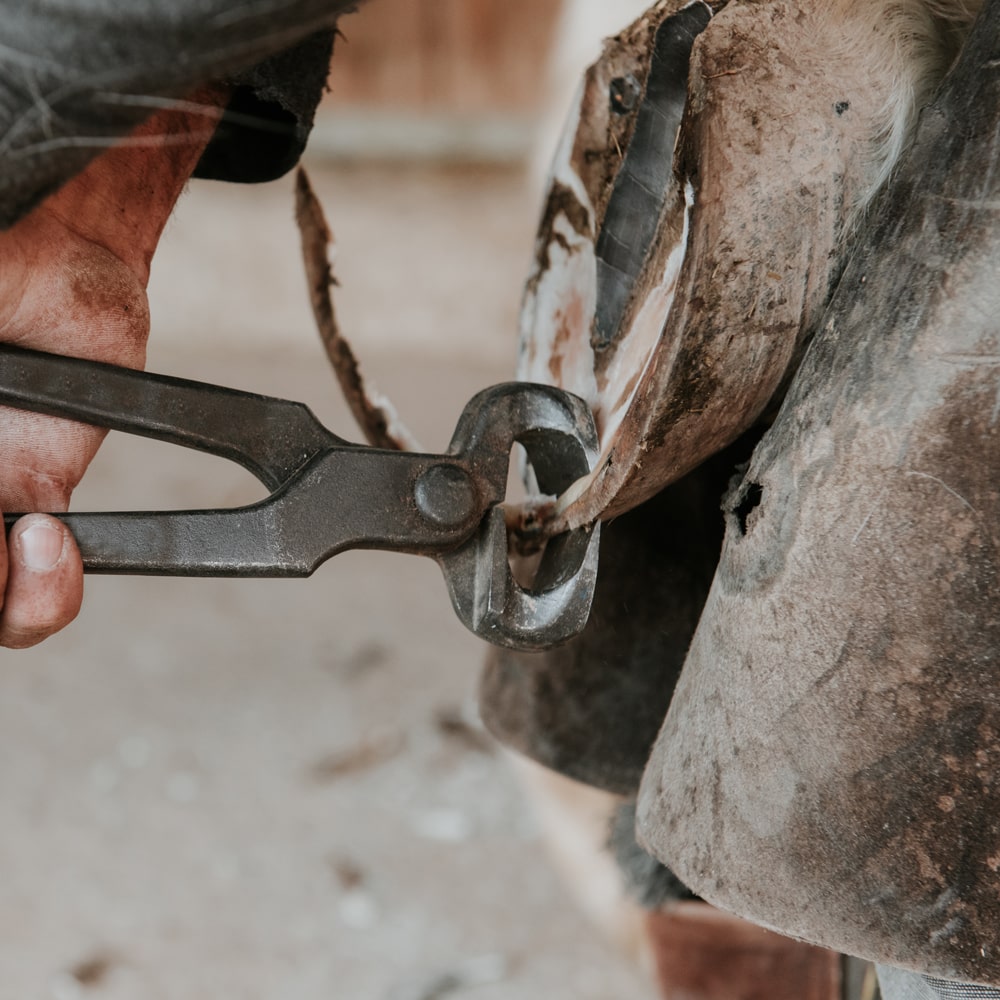
Use proper tools like nail pullers to remove nails gently. Avoid pulling nails too hard to protect the hoof wall. Work slowly and carefully to prevent pain or injury. Clean the area around the nail before removal. Safety keeps your horse calm and protects the hoof’s health.
Dealing With Bent Or Broken Nails
Bent or broken nails must be replaced quickly. Damaged nails can cause pressure points or cuts. Remove bent nails carefully to avoid further damage. Check the hoof for any signs of injury after removal. Replace nails with new, correctly sized ones for a secure fit.
Tools For Nail Care And Maintenance
Taking care of horse nails is important for the animal’s health and comfort. Proper tools make nail care easier and safer. Using the right tools helps prevent injury and keeps horses happy. Good tools also save time during hoof care. Below are the main tools used for nail care and how to maintain them.
Essential Farrier Tools
Farriers use special tools to work with horse nails. A hoof knife trims the hoof and cleans dirt. Nippers cut the nails to the right length. A rasp smooths rough edges and shapes the hoof. These tools help keep nails and hooves healthy. Using quality tools ensures better results and less stress for the horse.
Using Nail Pullers And Clinchers
Nail pullers remove old nails without hurting the hoof. They are strong and have a good grip. Clinchers bend nail tips so nails stay tight. Proper use of clinchers keeps shoes secure. These tools work together for safe nail care. Learning the correct technique is key for good nail maintenance.
Maintaining Your Tools
Clean tools after each use to stop rust and dirt build-up. Oil metal parts to keep them working smoothly. Store tools in a dry place away from moisture. Sharpen blades regularly for clean cuts. Well-maintained tools last longer and work better. Proper care protects your investment and helps horses stay healthy.
Common Problems And Troubleshooting
Horse nails play a vital role in keeping horseshoes attached to hooves. Problems with these nails can cause discomfort and health issues for horses. Understanding common problems helps keep horses healthy and comfortable.
Loose Nails And Their Causes
Loose nails happen when nails do not hold the horseshoe tightly. This problem can arise from poor nail placement or weak nail heads. Hoof growth also pushes nails out over time. Dirt and moisture can loosen nails too. Regular checks help spot loose nails early.
Hoof Damage From Nails
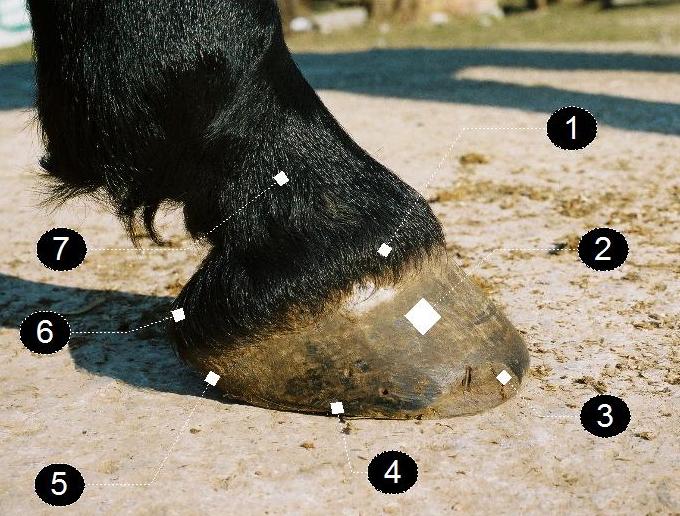
Nails driven too deep can hurt the sensitive parts inside the hoof. This can cause pain and infection. Bent or broken nails may also damage the hoof wall. Poor nail care leads to cracks and splits. Proper nailing reduces damage risks significantly.
Preventing Nail-related Injuries
Use the right nail size for each horse’s hoof. Skilled farriers know where to place nails safely. Keep hooves clean and dry to avoid loosening nails. Inspect nails regularly for signs of wear or damage. Quick action stops small problems from getting worse.
Credit: en.wikipedia.org
Frequently Asked Questions
What Is A Horse Nail And What Is It Used For?
A horse nail is a special nail used to attach horseshoes to a horse’s hoof.
How Are Horse Nails Different From Regular Nails?
Horse nails are thicker, stronger, and have a flat head to hold horseshoes firmly.
Can Horse Nails Hurt The Horse During Shoeing?
Properly placed horse nails do not hurt the horse; they go into the tough hoof wall.
How Long Do Horse Nails Typically Last On A Horseshoe?
Horse nails usually last 6 to 8 weeks before needing replacement or adjustment.
What Materials Are Horse Nails Usually Made From?
Horse nails are often made from steel or aluminum for strength and durability.
How Do Farriers Remove Horse Nails Safely?
Farriers use special tools to pull nails gently without damaging the horse’s hoof.
Conclusion
Horse nails play a key role in horse care and hoof health. Choosing the right nail helps keep horses comfortable and safe. Proper nailing prevents injuries and supports good movement. Learning about horse nails helps owners make better decisions. Small details, big impact.
Taking care of nails means taking care of horses. Simple steps lead to strong, healthy hooves every day.
As an Amazon Associate, I earn from qualifying purchases.