If you care for horses, knowing how to give an intramuscular injection can make a big difference in their health and recovery. You might wonder why this skill matters or worry about doing it wrong.
But don’t worry—understanding the right technique can keep your horse safe and comfortable. You’ll discover simple steps, common mistakes to avoid, and tips that will boost your confidence every time you need to give an injection. Keep reading to learn how to handle intramuscular injections like a pro and ensure your horse stays strong and healthy.
Choosing Injection Sites
Choosing the right injection site is key for safe and effective intramuscular injections in horses. Proper site selection helps reduce pain and avoids injury. Each site has unique features and risks. Understanding these helps ensure the horse’s comfort and safety.
Neck Muscles
The neck muscles are the most common injection site. They are easy to reach and have fewer large blood vessels. The ideal spot is the triangle between the nuchal ligament, cervical vertebrae, and the shoulder blade. This area provides enough muscle mass for the injection.
Use the upper third of the neck to avoid nerves and blood vessels. Avoid the lower neck near the jugular vein. This site allows quick healing and less discomfort for the horse.
Pectoral Muscles
Pectoral muscles lie on the horse’s chest, under the front legs. This site has less muscle bulk but can be used for small volume injections. It is a good alternative if the neck muscles are not suitable.
Inject into the thickest part of the muscle, avoiding the sternum and front legs. Careful handling is needed as this area is sensitive. This site is less common but useful in some cases.
Gluteal Muscles
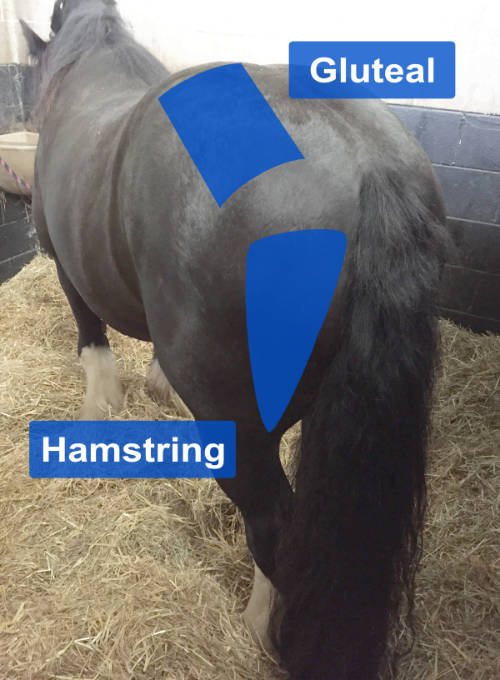
The gluteal muscles are in the horse’s rump, above the hind legs. They have large muscle mass, suitable for bigger injections. This site is less often used due to difficulty in access and risk of damaging nerves.
Choose the upper outer quadrant of the rump. This area avoids the sciatic nerve and major blood vessels. The injection here can be more painful and needs careful technique.
Avoiding Nerves And Vessels
Injecting near nerves or blood vessels can cause pain and injury. Locate the injection site carefully before injecting. Palpate the area to feel for veins or hard structures.
Always stay clear of the jugular vein in the neck. Avoid the sciatic nerve in the gluteal area. Use proper landmarks and gentle technique to prevent harm.
Credit: erskinedvm.com
Preparing For Injection
Preparing a horse for an intramuscular injection is an important step. It ensures the process is safe and smooth. Proper preparation helps reduce stress for both the horse and the handler. It also lowers the chance of infection and injury.
This section explains how to gather supplies, use sterilization methods, and apply restraint techniques. These steps make the injection easier and safer.
Gathering Supplies
Collect all materials before starting. You need a clean syringe, the right needle size, and medication. Have alcohol swabs ready for cleaning. Use gloves to keep everything sanitary. Prepare a sharps container for safe needle disposal. Check expiration dates on medications to ensure safety.
Sterilization Methods
Clean the injection site with an alcohol swab. Wipe in one direction to avoid contamination. Let the area dry before injecting. Sterilize your hands or wear gloves. Use a new needle for each injection. Do not touch the needle tip or shaft after sterilizing.
Restraint Techniques
Keep the horse calm and still. Use a halter and lead rope for control. Have an assistant hold the horse if needed. Stand on the same side as the injection site. Speak softly to reassure the horse. Avoid sudden movements to prevent injury.
Injection Techniques
Injection techniques are important for safe and effective intramuscular injections in horses. Using the right method reduces pain and risk of injury. It also helps the medicine work better. Careful preparation and correct steps make the process smoother for both the horse and the handler.
Needle Selection
Choose a needle that fits the horse and medication. Usually, a 1 to 1.5 inch needle works well. The gauge should be between 18 and 20. Thicker medicine needs a wider needle. Always use a new, sterile needle for each injection.
Proper Angle And Depth
Insert the needle at a 90-degree angle to the skin. This ensures the medicine goes into the muscle, not under the skin. Insert the needle deep enough but avoid hitting bone or nerves. Feel the muscle before injecting. Pull back the plunger slightly to check for blood. If blood appears, reposition the needle.
Administering Medication
Inject the medicine slowly and steadily. Quick injections can cause discomfort or muscle damage. After injecting, remove the needle smoothly. Massage the area gently to help spread the medicine. Watch the horse for any signs of pain or swelling after injection.

Credit: benefabproducts.com
Post-injection Care
Post-injection care is a vital step after giving an intramuscular injection to a horse. Proper care helps the horse heal quickly and reduces risks of problems. Watching the horse closely ensures any issues get noticed early. Comfort and gentle handling support faster recovery.
Monitoring For Reactions
Check the injection site often for swelling or heat. Look for signs like redness, lumps, or pain. Watch the horse’s behavior for unusual signs like limping or reluctance to move. Early detection of reactions helps prevent serious problems. Report any concerns to your vet immediately.
Massage And Comfort
Gently massage around the injection site to improve blood flow. Use soft, circular motions with clean hands. Avoid pressing directly on the injection spot. Provide a calm and quiet space for the horse to relax. Comfort reduces stress and helps muscles heal faster.
Record Keeping
Keep detailed records of each injection given. Note the date, medication type, dosage, and injection site. Record any reactions or unusual behavior observed after injection. Accurate records help track the horse’s health over time. They also assist vets in future treatments and care plans.
Safety Tips For Handlers
Handling horses during intramuscular injections requires careful attention. Safety is key for both the horse and the handler. Proper techniques reduce risks and make the process smooth. Follow these tips to keep control and avoid accidents.
Positioning Around The Horse
Stand close but never directly behind the horse. Horses can kick if startled. Stay near the shoulder or neck area for better control. Keep your body calm and relaxed. Approach the horse from the side, not from the front or back. This helps the horse feel safe and less nervous.
Avoiding Injuries
Wear gloves to protect your hands. Use a firm grip but avoid sudden moves. Keep your eyes on the horse’s body language. Signs like ear flicks or tail swishes show discomfort. Pull back quickly if the horse reacts. Use a clean needle to reduce infection risk. Dispose of needles safely to prevent injuries.
Emergency Procedures
Know how to stay calm if the horse panics. Step away slowly to avoid startling it more. Call for help immediately. Have a first aid kit ready for minor injuries. Learn basic horse first aid for cuts or bites. Contact a vet quickly in case of serious reactions. Always keep your phone nearby for emergencies.
Credit: wvs.academy
Common Complications
Intramuscular injections in horses help deliver medicine directly into muscle tissue. This method is common but can cause some problems. Knowing these common complications helps keep horses safe and healthy. Treating issues early can prevent bigger health problems.
Infection Signs
Infections can develop after an injection. Watch for swelling, heat, or redness at the site. The horse may show pain or reluctance to move the area. Fever and loss of appetite can also signal infection. Early detection is important for quick treatment.
Injection Site Abscesses
Abscesses form when pus collects under the skin. They cause swelling, warmth, and pain at the injection area. The skin may break and drain thick fluid. Abscesses need care to prevent spreading and discomfort. A vet often drains and cleans the abscess.
Managing Muscle Soreness
Muscle soreness happens after many injections. The horse may favor the leg or show stiffness. Gentle massage and light exercise help ease soreness. Use cold packs to reduce swelling. Always rotate injection sites to avoid repeated soreness in one spot.
Frequently Asked Questions
What Is An Intramuscular Injection In Horses?
It is a shot given deep into a horse’s muscle to deliver medicine quickly.
Why Choose Intramuscular Injections For Horses?
These injections work fast and are absorbed well by the horse’s body.
Where Are Common Injection Sites On A Horse?
The neck, shoulder, and hindquarters are safe spots for injections.
How To Prepare A Horse For Intramuscular Injection?
Calm the horse and clean the injection site with alcohol before injecting.
What Are Possible Side Effects Of These Injections?
Some horses may have swelling, soreness, or small lumps at the injection site.
How Often Can Intramuscular Injections Be Given Safely?
The frequency depends on the medicine; always follow the vet’s instructions carefully.
Conclusion
Proper intramuscular injection helps keep horses healthy and strong. Using correct techniques reduces pain and prevents infections. Always choose the right needle and injection site. Clean the area well before injecting. Watch the horse closely after the shot for any problems.
Ask a vet if you feel unsure or notice issues. Taking care during injections shows respect for your horse’s well-being. Simple steps make a big difference in safe medication. Keep learning and practicing to help your horse stay happy.
As an Amazon Associate, I earn from qualifying purchases.