Have you ever wondered how something as simple as leather can bring the beauty and strength of horses into your everyday life? Leather horses are more than just stylish accessories or decor—they carry a story of craftsmanship, durability, and timeless charm.
If you want to discover how these unique pieces can add character and warmth to your space or wardrobe, keep reading. You’re about to learn why leather horses capture hearts and how they can become a meaningful part of your world.
History Of Leather In Equestrian Gear
Leather has been a key material in equestrian gear for centuries. Its strength and flexibility made it ideal for saddles, bridles, and reins. Riders trusted leather for comfort and durability on long journeys and tough terrains.
Over time, leatherwork in equestrian gear became more refined. Craftsmen improved techniques to create gear that fit better and lasted longer. This history shows the deep bond between riders and their leather equipment.
Early Uses Of Leather
Leather was one of the first materials used in horse riding gear. Ancient riders used rawhide and tanned leather for basic saddles and straps. These early items helped riders control their horses and stay seated.
Simple leather bands served as reins and bridles. Leather’s natural toughness was perfect for handling the horse’s movements. Even with basic tools, early leatherwork gave riders essential gear.
Evolution Of Leather Craftsmanship
Leather crafting advanced alongside horseback riding. Craftsmen learned tanning methods to make leather softer and stronger. This improved comfort and gear lifespan.
Detailed stitching and shaping techniques emerged. Saddles became more ergonomic, supporting riders better. Leather gear grew more decorative with embossed patterns and dyes.
These improvements combined function with style. Riders gained better control and a polished look.
Leather’s Role In Traditional Equestrian Style
Leather remains central in traditional equestrian style. Classic saddles, boots, and belts showcase fine leather craftsmanship. The material’s natural appeal adds elegance to riding attire.
Leather gear symbolizes heritage and quality. It connects modern riders to centuries of equestrian tradition. The timeless look of leather continues to shape riding culture.
Types Of Leather Used For Horses
Leather is a popular choice for horse gear because of its strength and comfort. Different types of leather offer various qualities for horse equipment. Knowing these types helps choose the best leather for durability and look. Here are the common types used for horses.
Full-grain Leather
Full-grain leather is the strongest and most durable. It uses the top layer of the hide with all natural marks. This leather ages well, becoming softer and more beautiful. It is often used for high-quality saddles and bridles. Full-grain leather resists stretching and holds its shape over time.
Top-grain Leather
Top-grain leather is slightly thinner than full-grain. It is sanded and buffed to remove blemishes. This process makes the leather smooth and uniform. It is still strong but more flexible than full-grain. Many horse tack items use top-grain leather for comfort and style.
Corrected-grain Leather
Corrected-grain leather has an artificial grain applied. The surface is buffed to hide imperfections. Then, a new grain is stamped on it. This leather is less expensive and easier to clean. It does not age as well but is good for everyday horse gear.
Exotic Leather Options
Exotic leathers come from animals like alligators, ostriches, and snakes. They offer unique textures and patterns. Exotic leather is often used for special horse accessories. It is less common and usually more costly. These leathers add distinct style and luxury to horse gear.
Crafting Leather Horses
Crafting leather horses is an art that blends skill and patience. Each piece is carefully made to show beauty and strength. The process starts with raw leather and ends with a detailed, elegant horse figure. Every step matters to create a durable and attractive product.
Understanding the crafting process helps appreciate the time and effort involved. The journey from leather to finished horse includes tanning, design, stitching, and finishing. Each stage uses special techniques to bring the leather horse to life.
Tanning And Preparation
Tanning changes raw animal hides into soft, strong leather. Tanners clean and treat hides to stop decay. This process makes leather flexible and long-lasting. Different tanning methods create varied textures and colors. Proper preparation ensures the leather is ready for crafting.
Design Techniques
Designers sketch the horse shape before cutting leather. They consider size, shape, and details like mane or tail. Patterns guide cutting to keep pieces consistent. Some designs include carving or embossing for texture. Thoughtful design gives the leather horse its unique style.
Stitching And Finishing Details
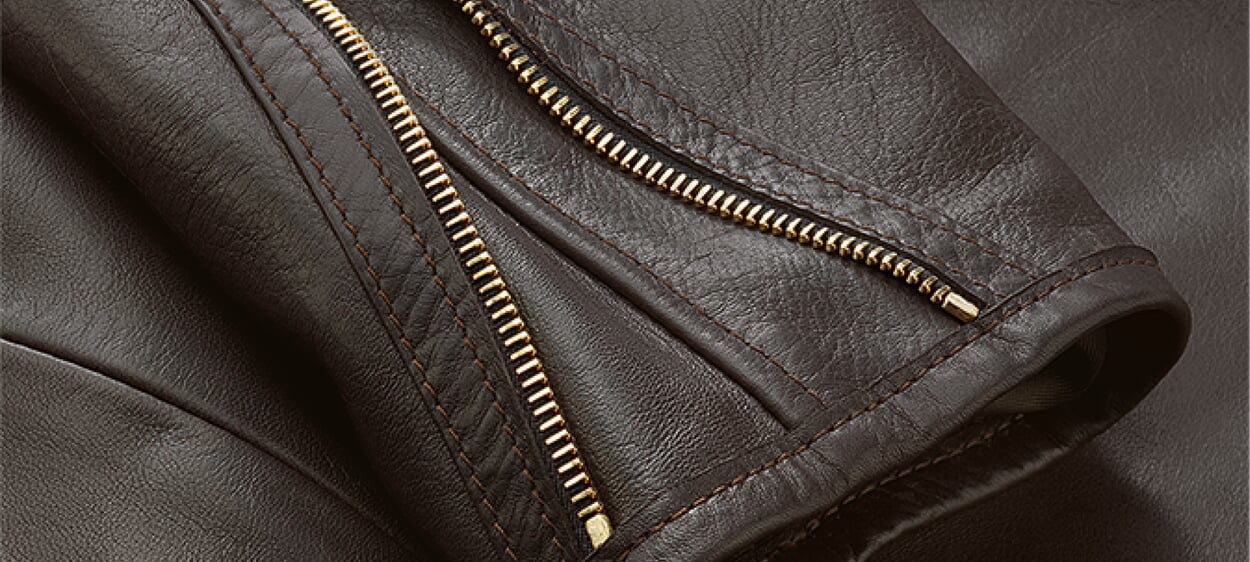
Stitching joins leather pieces with strong threads. Craftsmen use hand or machine stitching for neat seams. Fine stitching adds strength and beauty. Finishing touches include polishing edges and adding paint or dye. These details improve appearance and protect the leather.
Credit: www.manufactum.com
Leather Horse Accessories
Leather horse accessories blend style, comfort, and strength. They enhance the riding experience and provide durability. These accessories fit well and last long. Their natural look appeals to many horse lovers.
Choosing the right leather accessories helps keep your horse safe and comfortable. They also add a classic, elegant touch to your gear. Let’s explore key leather items every rider values.
Saddles And Bridles
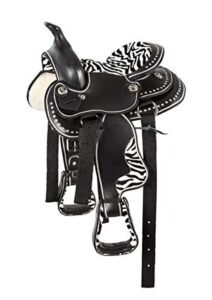
Leather saddles offer support and balance. They shape to fit both horse and rider over time. Quality leather bridles provide control and comfort during rides. Both are vital for smooth communication between horse and rider.
Reins And Halters
Leather reins give a firm yet gentle hold. They offer better grip, even in wet conditions. Halters made from leather ensure durability and safety. These tools help guide and manage the horse easily.
Decorative Leather Accents
Leather accessories can also be decorative. Embossed patterns and polished finishes add charm. Such accents personalize the horse’s look without losing function. They bring beauty and tradition to everyday riding gear.
Maintaining Leather For Longevity
Leather horses are beautiful and strong, but they need care to last long. Proper maintenance keeps the leather soft and prevents cracks. Simple steps help your leather items stay in good shape for years. Follow these tips to protect your leather horse gear and keep it looking great.
Cleaning Methods
Use a soft cloth or brush to remove dirt and dust. Avoid harsh chemicals that can damage the leather. Use mild soap mixed with water for cleaning. Dampen the cloth slightly and wipe gently. Never soak leather in water. Let it dry naturally, away from direct heat.
Conditioning Tips
Apply leather conditioner to keep the leather soft and flexible. Use a small amount and rub it in with a clean cloth. Condition the leather every few months or when it feels dry. Do not over-condition, as it can make leather sticky. Choose conditioners made for natural leather for best results.
Storage Best Practices
Store leather horses in a cool, dry place. Avoid direct sunlight that fades and dries leather. Use breathable covers, not plastic bags, to prevent moisture build-up. Keep leather items away from damp areas to avoid mold. Hang or lay flat to keep shape and avoid creases.
Styling With Leather Horses
Leather horses add a unique charm to any outfit. They bring style and texture that stand out. Styling with leather horses gives a fresh twist to your wardrobe. This section explores different ways to wear leather horses with confidence.
Classic Equestrian Looks
Leather horses fit perfectly in classic equestrian outfits. Pair them with riding boots and tailored jackets. Neutral colors like brown, black, and tan work best. Add a white shirt for a clean and sharp look. This style feels timeless and elegant.
Modern Leather Trends
Leather horses also suit modern and edgy styles. Match them with denim jeans or leather pants. Choose bold colors or distressed leather for a trendy touch. Layer with oversized sweaters or cool graphic tees. This look is casual but stylish.
Mixing Leather With Other Materials
Leather horses blend well with different fabrics and textures. Try combining them with soft cotton or warm wool. Silk scarves or linen pants balance the leather’s toughness. This mix creates an interesting and balanced outfit. Play with contrasts to keep it fresh.
Sustainability In Leather Production
Sustainability in leather production is growing in importance. Consumers want products that do not harm the planet. The leather industry is adapting by using cleaner and greener methods. These efforts help reduce waste and pollution while supporting animal welfare.
Eco-friendly Tanning Processes
Traditional tanning uses harmful chemicals. These chemicals pollute water and soil. Eco-friendly tanning uses natural ingredients like vegetable extracts. This method lowers toxic waste and saves energy. It also creates leather that lasts longer and looks better.
Ethical Sourcing Of Leather
Ethical sourcing means using leather from animals treated well. Many producers get leather as a byproduct of the meat industry. This practice reduces waste and respects animal life. Farms that follow strict animal welfare rules are preferred. Buyers seek transparency about where and how leather is sourced.
Innovations In Sustainable Leather
New types of leather come from plants, fruits, and even mushrooms. These alternatives use less water and no harmful chemicals. Scientists also develop methods to recycle old leather. These innovations help lower the demand for animal leather. They offer a greener choice for eco-conscious buyers.
Credit: www.etsy.com
Credit: omersa.co.uk
Frequently Asked Questions
What Are Leather Horses Made Of?
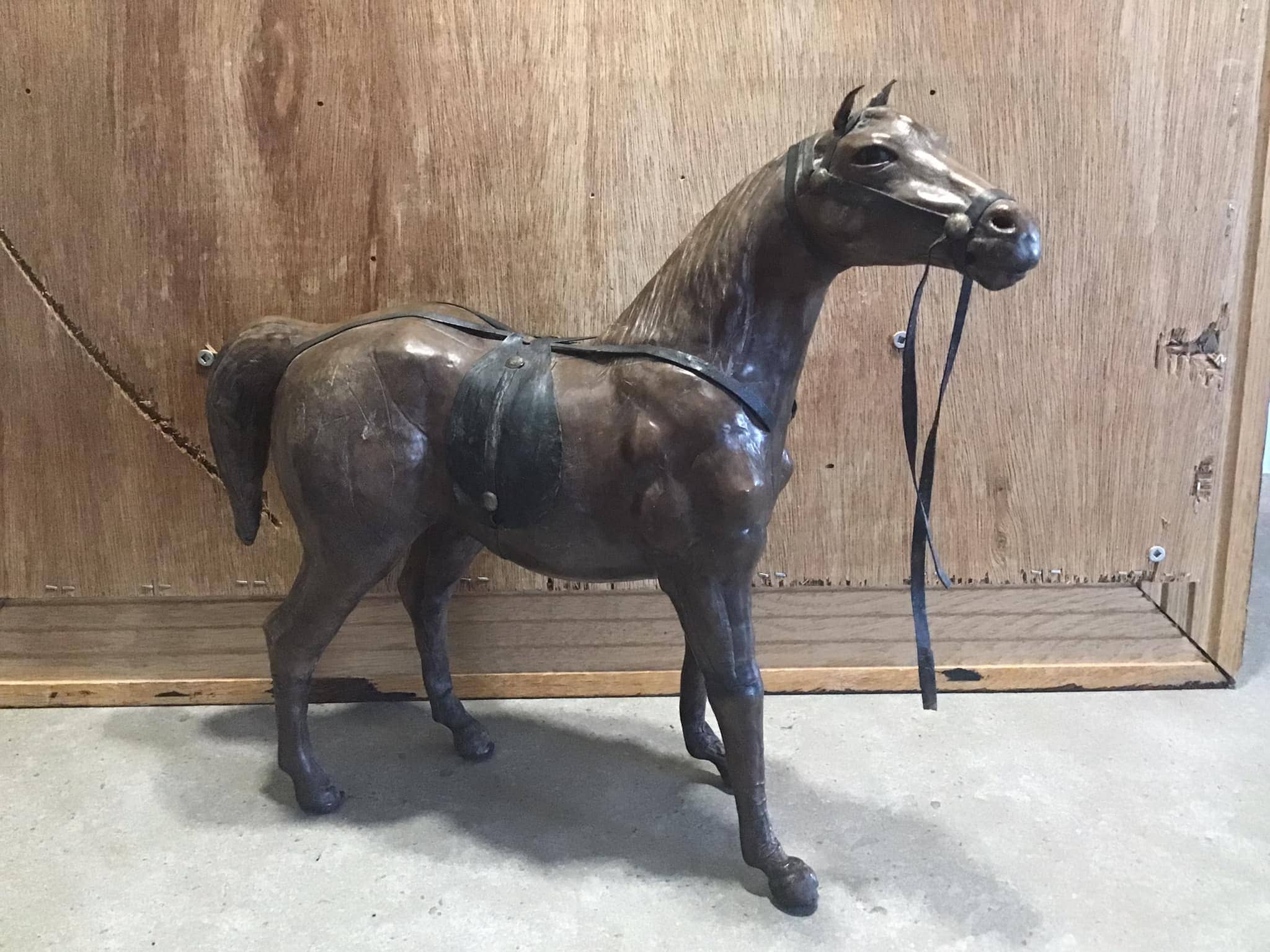
Leather horses are crafted from real or synthetic leather shaped into horse figures.
How Durable Are Leather Horses?
Leather horses last long if kept dry and cleaned regularly with gentle care.
Can Leather Horses Be Used As Home Decor?
Yes, leather horses add a rustic and elegant touch to home decoration.
Are Leather Horses Safe For Children?
Leather horses are generally safe but supervise young children to avoid small part hazards.
How Do You Clean Leather Horses Properly?
Use a soft cloth and mild soap; avoid soaking or harsh chemicals on leather.
Where Can I Buy Quality Leather Horses?
Quality leather horses are available online, in craft stores, and specialty home decor shops.
Conclusion
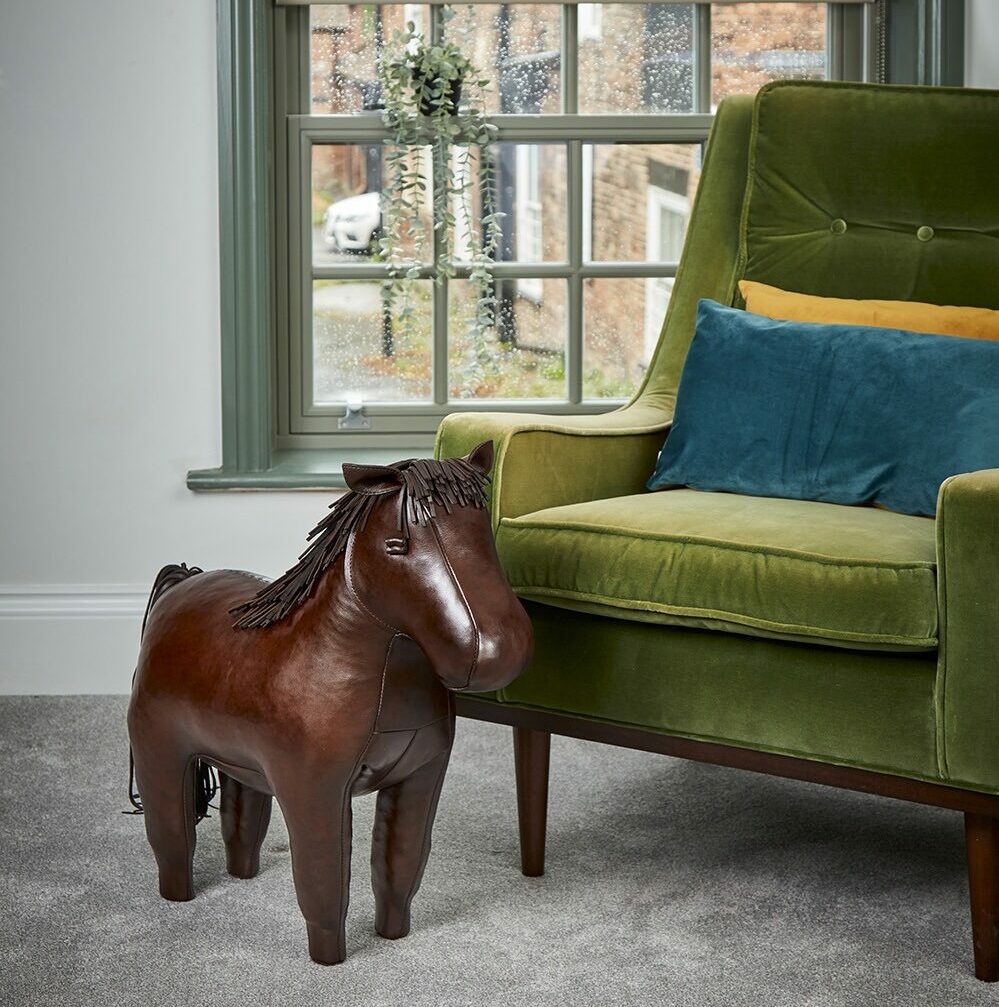
Leather horses bring charm and warmth to any space. They blend tradition with style easily. Each piece tells a unique story through its texture. Caring for leather keeps these horses looking great. They suit many decor styles, from classic to modern.
These figures offer both beauty and lasting value. A leather horse can add a special touch. They invite a sense of comfort and nostalgia. Choosing one means enjoying art that lasts. Simple, elegant, and full of character.
As an Amazon Associate, I earn from qualifying purchases.