If you ride gaited horses, you know how important comfort and control are for both you and your horse. Choosing the right bit can make a big difference in your horse’s performance and willingness to respond.
But with so many options out there, how do you find the perfect gaited horse bit that suits your horse’s unique style and needs? You’ll discover what makes gaited horse bits special, why they matter, and how to pick the best one to enhance your riding experience.
Keep reading to unlock the key to smoother rides and a happier horse.
Types Of Gaited Horse Bits
Gaited horse bits help riders control horses that move with a smooth, natural gait. These bits allow gentle communication between horse and rider. Different types of bits suit different training styles and horse needs. Choosing the right bit is important for comfort and control.
Snaffle Bits
Snaffle bits are simple and gentle. They work by applying pressure on the horse’s lips and tongue. These bits are popular for training young gaited horses. The rider gets clear signals without harsh pressure. Snaffle bits encourage soft responses and trust.
Curb Bits
Curb bits use leverage to apply pressure on the horse’s poll and chin. They offer stronger control than snaffle bits. Riders use curb bits for more advanced training or strong-willed horses. The bit’s shanks create mechanical advantage for precise commands. Proper use avoids discomfort.
Combination Bits
Combination bits mix snaffle and curb features. They give riders control with both direct and leverage pressure. This type suits gaited horses that need varied cues. Combination bits offer flexibility in training and riding. Riders can adjust pressure depending on the horse’s response.
Mechanical Hackamores
Mechanical hackamores are bitless but use leverage on the horse’s nose and chin. They avoid mouth pressure, which some horses prefer. These work well for gaited horses with sensitive mouths. Riders gain control while keeping the horse comfortable. Mechanical hackamores need careful handling for effectiveness.
Choosing The Right Bit For Comfort
Choosing the right bit for a gaited horse matters a lot for comfort and control. The bit sits in the horse’s mouth. A good fit helps the horse respond well without pain. Comfort affects how the horse moves and behaves. Picking the right bit means knowing the material, design, and size that suit your horse best.
Material And Design
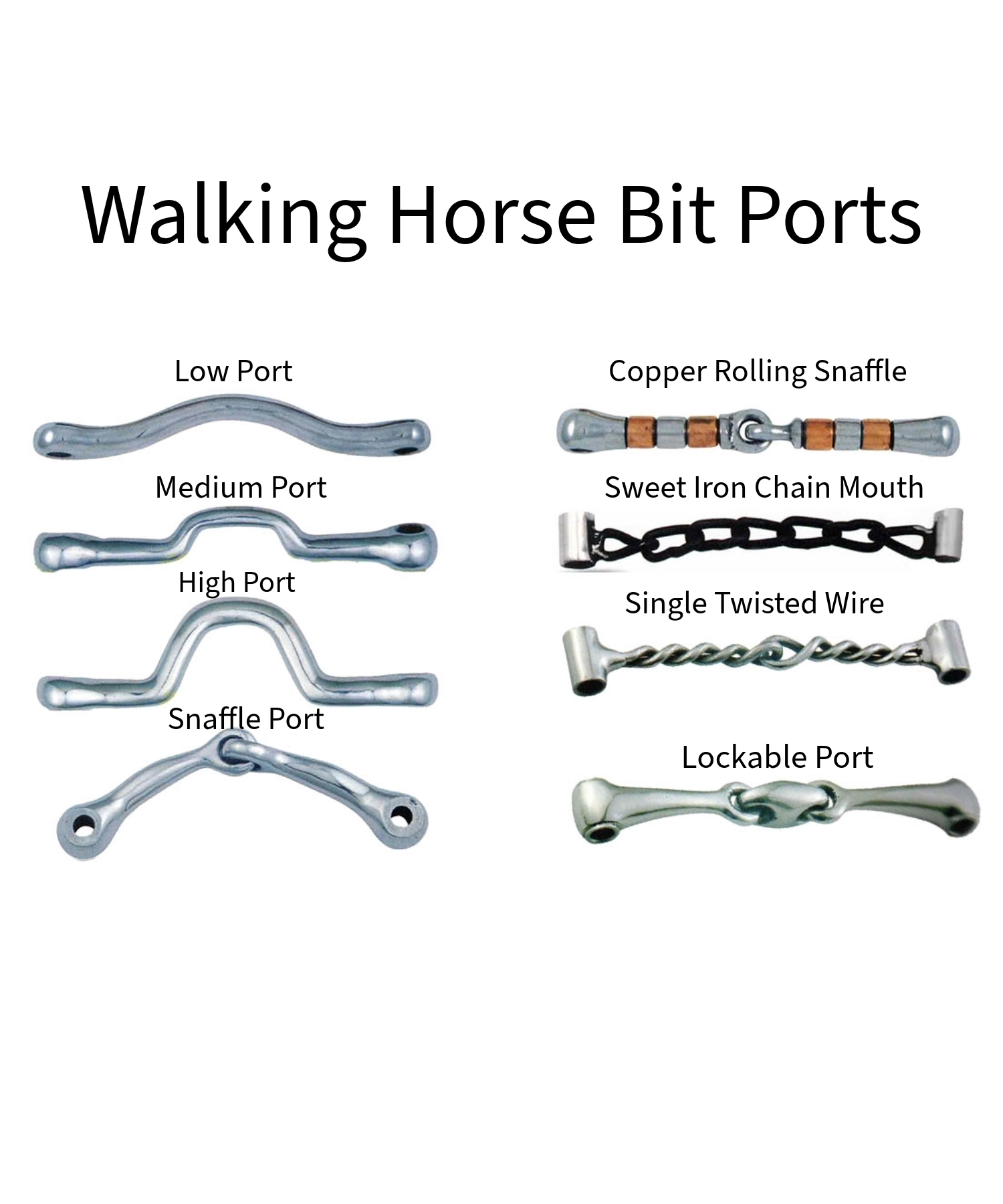
Bits come in many materials like stainless steel, copper, and rubber. Each material feels different in the horse’s mouth. Soft materials like rubber are gentle and reduce mouth soreness. Metal bits are strong and last longer. Design shapes vary too. Some bits have smooth curves, others have joints or rollers. The right design prevents pinching and pressure points.
Mouthpiece Styles
The mouthpiece is the part inside the mouth. It can be straight, jointed, or have a port. Straight mouthpieces apply even pressure. Jointed bits give more flexibility. Ports create space for the tongue. Horses with sensitive mouths may prefer smooth or flexible mouthpieces. Choose a style that suits your horse’s comfort and training level.
Fitting The Bit Properly
A bit must fit correctly to avoid discomfort. It should sit gently in the horse’s mouth without pressing hard. Check that the bit is not too tight or loose. The horse’s lips should close softly over the bit. Adjust the cheekpieces to keep the bit steady. A well-fitted bit helps clear communication and a relaxed horse.
Enhancing Control With Gaited Bits
Gaited horse bits help riders control their horses smoothly and safely. These bits are designed to work well with gaited breeds, which move differently than other horses. Using the right bit can improve communication between rider and horse. It makes riding easier and more enjoyable. Understanding how gaited bits work helps riders find the best fit for their horse’s needs.
Leverage And Pressure Points
Gaited bits use leverage to guide the horse’s head and neck. Leverage means the bit applies pressure in different ways. It can press on the horse’s tongue, bars, or poll. These pressure points tell the horse to slow down or change direction. The design of the bit controls how much pressure is used. Riders can choose bits with mild or stronger leverage.
Adjusting For Rider Skill Level
Different riders need different bits. Beginners may prefer softer bits that use less pressure. These bits give gentle signals to the horse. Experienced riders can use bits with more leverage for better control. The rider’s hands should stay soft and steady. Changing the bit can help riders improve their skills safely.
Common Bit Issues And Solutions
Bits can cause problems if they don’t fit well or are used incorrectly. A loose bit may hurt the horse’s mouth. Too much pressure can cause pain and resistance. Watch for signs of discomfort like head tossing or refusal to move. Fix problems by adjusting the bit size or trying a different style. Regular checks keep the horse comfortable and responsive.

Credit: www.hendersonswesternstore.com
Training Tips For Gaited Horses
Training gaited horses requires patience and clear communication. Using the right bit helps guide your horse gently. Proper training builds trust and improves performance. Focus on gradual steps and observe your horse closely. Small changes make a big difference in training success.
Introducing New Bits
Start with a familiar bit before trying a new one. Let the horse feel the bit in its mouth without pressure. Use soft, gentle cues to avoid confusion. Allow time for adjustment before asking for commands. Watch how the horse reacts to the new bit. Repeat this process over several sessions.
Building Trust And Responsiveness
Speak softly and use calm body language. Reward your horse for good responses with pats or treats. Keep training sessions short to maintain focus. Be consistent with commands and bit pressure. Avoid sudden pulls or harsh movements. Trust grows with patience and kind handling.
Signs Of Discomfort To Watch
Look for head tossing or excessive chewing. Notice if the horse resists the bit or pulls away. Check for swollen areas around the mouth. Observe changes in gait or reluctance to move forward. Discomfort means the bit may not fit well. Adjust or switch bits to ensure comfort.
Maintenance And Care Of Bits
Proper maintenance and care of gaited horse bits ensure their longevity and safety. Clean and inspect bits regularly. This keeps your horse comfortable and responsive. Neglecting care can cause discomfort or injury.
Cleaning Techniques
Rinse bits with warm water after each ride. Use a soft brush to remove dirt and saliva. Mild soap helps remove stubborn grime. Avoid harsh chemicals that can damage metal or rubber. Dry bits completely before storing to stop rust.
Checking For Wear And Damage
Look closely at bits for cracks or sharp edges. Check joints and moving parts for smoothness. Replace bits if metal feels rough or worn. Damaged bits can hurt your horse’s mouth. Regular checks prevent accidents and discomfort.
Storage Recommendations
Store bits in a dry place to avoid rust. Use a clean container or bag for protection. Keep bits away from dust and moisture. Organize bits separately to prevent scratches. Proper storage keeps bits ready for use.

Credit: www.ebay.com
Credit: thesaddleguy.com
Frequently Asked Questions
What Are Gaited Horse Bits Used For?
Gaited horse bits help control and guide horses that perform special gaits.
How Do Gaited Bits Differ From Regular Horse Bits?
Gaited bits are designed to suit the unique movements of gaited horses.
Which Materials Are Common For Gaited Horse Bits?
Steel, copper, and rubber are popular materials for comfort and durability.
Can Gaited Horse Bits Improve Horse Performance?
Yes, they can help horses perform smooth, balanced gaits with better control.
Are Gaited Horse Bits Suitable For All Horse Breeds?
No, they work best with horses trained for specific gaited movements.
How To Choose The Right Gaited Horse Bit?
Consider your horse’s comfort, training level, and the type of gait performed.
Conclusion
Choosing the right gaited horse bit helps improve communication and control. Each horse reacts differently to various bits. A good bit fits comfortably and suits the horse’s gait. Experiment with options to find what works best. Always watch your horse’s response during rides.
Proper use of bits supports better training and riding. Keep your horse’s comfort and safety as top priorities. Simple tools often lead to better performance and trust. Remember, patience and care build a strong rider-horse bond.
As an Amazon Associate, I earn from qualifying purchases.