If you work with horses or simply love them, understanding harness parts is essential. Knowing how each piece fits and functions can make your time with your horse safer and more enjoyable.
Whether you’re driving a carriage or training your horse, the right harness parts can improve comfort and control. You’ll discover the key harness components and how to use them effectively. Get ready to take your horse handling skills to the next level!

Credit: horsesaddleshop.org
Key Harness Components
Harness parts are essential for controlling and guiding a horse safely. Each component has a special role. Understanding these parts helps in caring for the horse and using the harness properly. Here are the key harness components every horse owner should know.
Bridle And Bit
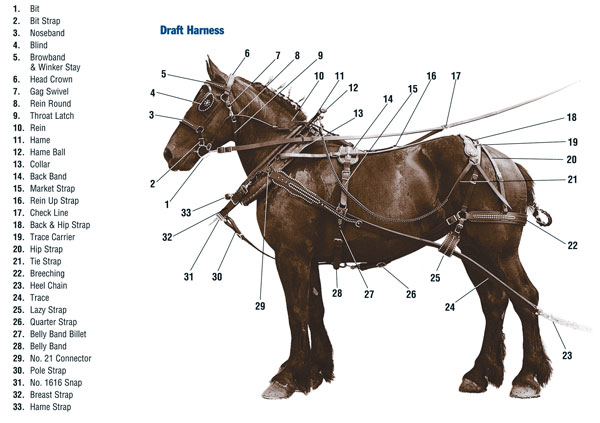
The bridle fits over the horse’s head. It holds the bit in the horse’s mouth. The bit helps the rider or driver communicate with the horse. Different bits affect the horse differently. Choose one that suits the horse’s comfort and training level.
Breastplate And Collar
The breastplate sits across the horse’s chest. It keeps the harness from slipping backward. The collar fits around the horse’s neck. It helps to spread the load when pulling. Both parts protect the horse and improve control.
Saddle And Pads
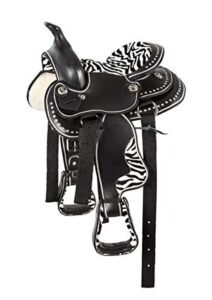
The saddle rests on the horse’s back. It supports the rider or carries the harness straps. Pads go under the saddle to prevent rubbing. They add comfort and protect the horse’s skin. Proper fit is important for the horse’s health.
Reins And Lines
Reins attach to the bit and go to the rider’s hands. They allow the rider to guide the horse’s movement. Lines are longer reins used in driving a carriage. Good reins and lines give clear signals without hurting the horse.
Choosing The Right Size
Choosing the right size for harness parts horse is key for your horse’s comfort and safety. A well-fitted harness helps your horse work better and avoids injuries. This guide explains how to measure, adjust, and spot signs of poor fit.
Measuring Your Horse
Start by measuring your horse carefully. Use a soft tape measure for accuracy. Measure around the horse’s chest, where the harness will sit. Also, measure from the withers to the girth area. Note the length of the horse’s neck and back. Write down all measurements to compare with harness sizes.
Adjusting For Comfort
Adjust harness parts slowly and evenly. Check straps and buckles for tightness. The harness should be snug but not too tight. Leave enough space to fit two fingers between the harness and the horse’s skin. Comfort affects your horse’s movement and mood. Always recheck adjustments after a short ride.
Signs Of Poor Fit
Look for rubbing or sore spots on the horse’s skin. Watch your horse’s behavior during work. Signs like head tossing or refusal to move may mean discomfort. Check for uneven wear on harness parts. Ill-fitting harness can cause chafing, sores, or even injuries. Fix issues quickly to keep your horse happy.
Material Selection
Choosing the right material for harness parts horse affects comfort, safety, and durability. Material choice influences how the harness feels on the horse and how long it lasts. Some materials need more care than others. Knowing the differences helps you pick the best fit for your needs.
Leather Vs. Synthetic
Leather is the traditional choice for horse harnesses. It feels strong and looks classic. Leather molds to the horse’s body over time. This makes it very comfortable. Synthetic materials are lighter and often cheaper. They dry faster and resist stains. Synthetic harness parts can come in many colors and styles. Leather needs more care but often lasts longer than synthetic.
Durability And Maintenance
Leather harness parts need regular cleaning and conditioning. This keeps the leather soft and prevents cracking. Without care, leather can become stiff and break. Synthetic materials are easier to clean. Usually, soap and water are enough. Synthetic does not need conditioning. It resists wear and tear better in some cases. Both materials can last long with proper maintenance.
Weather Considerations
Leather can be damaged by water and extreme cold. Wet leather can stretch and lose shape. Dry weather may cause leather to dry out and crack. Synthetic materials handle rain and snow better. They do not absorb water. Synthetic stays flexible in cold weather. For wet or cold climates, synthetic may be a better choice. Leather is best in dry, mild weather.

Credit: horsesaddleshop.org
Daily Care Routine
Taking care of harness parts daily keeps your horse comfortable and safe. A simple routine helps spot problems early and extends the life of your gear. Consistent care also ensures the harness fits well and works properly during rides.
Cleaning Techniques
Wipe down leather parts with a damp cloth to remove dirt. Use saddle soap for a deeper clean. Rinse metal parts with water and dry them well to stop rust. Avoid soaking leather in water. Let everything air dry naturally.
Checking For Wear
Look closely at straps and buckles for cracks or weak spots. Check stitching for loose threads or tears. Test metal parts for rust or bending. Replace worn parts quickly to prevent accidents. Pay attention to areas that bend or rub the most.
Storage Tips
Store harness parts in a cool, dry place. Avoid direct sunlight to keep leather soft. Hang straps to prevent creases and cracks. Use breathable bags or covers to protect from dust. Keep metal parts separated to avoid scratches and rust.
Common Fit Issues
Proper fit is essential for harness parts on a horse. Poor fit causes discomfort and can harm the horse. Many common fit issues arise from pinching, slipping, or wrong strap adjustments. Fixing these problems improves the horse’s comfort and performance.
Pinching And Pressure Points
Pinching happens when harness parts press too tightly on the horse’s skin. This causes pain and sores. Pressure points form where straps press unevenly. These spots can cause irritation and restrict movement. Check for tight spots and adjust straps to reduce pressure.
Slipping And Movement
Slipping occurs when harness parts move out of place during use. This causes chafing and loss of control. Loose straps or wrong size harnesses often cause slipping. A well-fitted harness stays steady and secure. Regularly check that all parts stay in position during riding.
Adjusting Straps Properly
Straps must fit snugly but not too tight. Adjust each strap to avoid pinching or slipping. Use the buckles and holes designed for fine-tuning. Check that straps do not rub the horse’s skin harshly. Proper adjustment keeps the harness comfortable and safe.
Credit: www.mydrafthorse.com
Safety Checks Before Riding
Safety checks before riding are crucial for both horse and rider. A proper harness ensures comfort and control. Neglecting these checks can lead to accidents or injuries. Simple steps help spot problems early and keep everyone safe.
Inspecting Buckles And Fasteners
Check all buckles for cracks or bends. Make sure fasteners close tightly and do not slip. Look for rust or dirt that can weaken parts. Replace any damaged or worn pieces before riding.
Ensuring Proper Harness Alignment
Align the harness so it fits the horse comfortably. Straps should lie flat without twists or tight spots. Misalignment can cause chafing or restrict movement. Adjust straps to balance pressure evenly across the horse’s body.
Testing Harness Stability
Pull gently on the harness after fastening. It should stay firm without shifting or loosening. A stable harness keeps control and prevents accidents. Recheck stability periodically during your ride.
Frequently Asked Questions
What Are The Main Parts Of Horse Harness?
A horse harness includes the bridle, bit, reins, saddle, girth, and traces. Each part helps control and guide the horse.
How Does A Bridle Fit On A Horse?
The bridle fits over the horse’s head, holding the bit in the mouth and reins in the rider’s hands.
Why Is The Bit Important In Horse Harness?
The bit helps communicate commands to the horse through pressure in its mouth, guiding its movements.
What Role Does The Saddle Play In Harnessing?
The saddle supports the rider or load and connects the horse to the carriage or plow.
How To Keep Horse Harness Parts Clean?
Use a damp cloth to wipe dirt daily, and clean leather parts with saddle soap regularly.
Can A Wrong Harness Harm A Horse?
Yes, an ill-fitting harness can cause discomfort, sores, or injury to the horse’s skin and muscles.
Conclusion
Harness parts keep your horse safe and comfortable. Choosing the right parts helps your horse perform well. Regular checks and maintenance prevent problems and wear. Quality parts last longer and save money. Understanding harness parts makes caring for your horse easier.
Small details make a big difference in riding experience. Always prioritize your horse’s comfort and safety. This ensures happy rides every time you go out.
As an Amazon Associate, I earn from qualifying purchases.