If you own a horse or spend time riding, you know how important it is to keep your horse comfortable and safe. One piece of gear that often goes unnoticed but plays a big role in this is the horse wither strap.
You might wonder, what exactly is it, and why should you care? This simple strap can make a huge difference in how your saddle fits and how your horse feels during every ride. Keep reading to discover why the horse wither strap matters and how it can improve your riding experience.
Purpose Of A Wither Strap
The wither strap is an important part of horse tack. It helps keep the saddle in place and makes riding safer. This strap fits over the horse’s withers, the area just above the shoulder blades. It works to stop the saddle from moving too much. Riders can feel more balanced and steady thanks to this strap.
Preventing Saddle Slippage
The wither strap stops the saddle from sliding backward or sideways. Without this strap, the saddle can slip during riding. Slipping saddles can make the horse uncomfortable. It can also make the rider fall. The strap holds the saddle tight and steady. This keeps both horse and rider safe.
Enhancing Rider Stability
A stable saddle means the rider stays balanced. The wither strap helps the rider sit firmly. It reduces sudden movements caused by a loose saddle. This makes riding smoother and more comfortable. The rider can control the horse better. The strap supports a secure seat for all riders.
Types Of Wither Straps
Wither straps help keep the saddle in place on a horse’s back. They come in different types, each with unique features. Choosing the right one depends on comfort, durability, and the horse’s needs.
Leather Straps
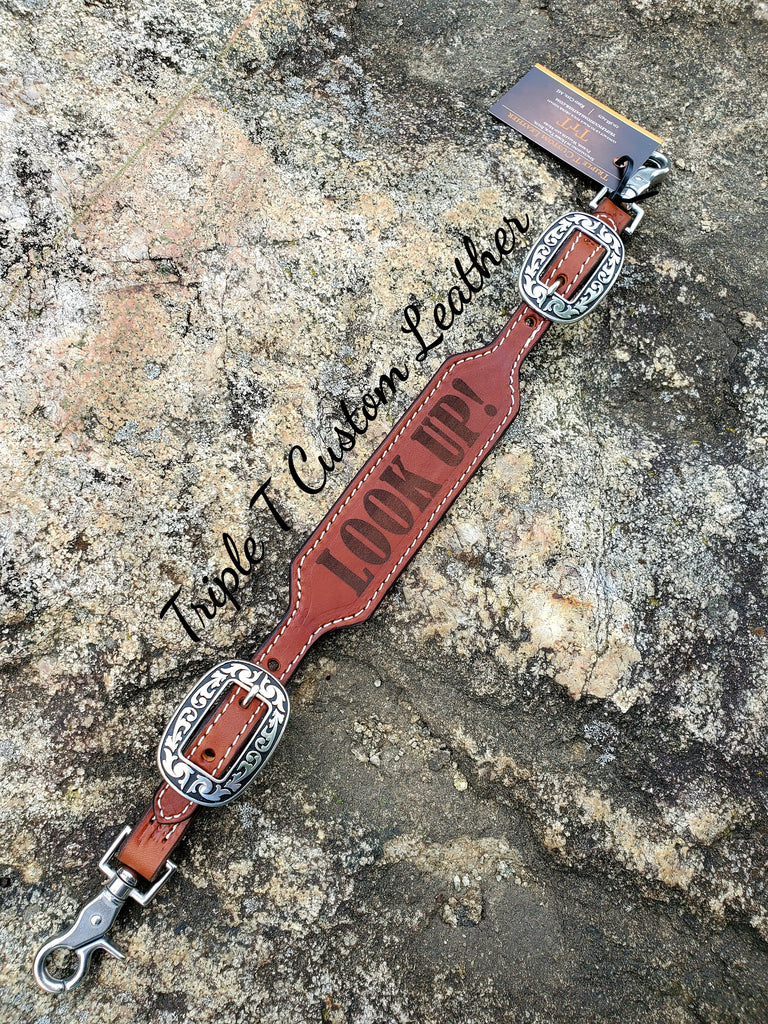
Leather straps are classic and strong. They look good and last a long time with care. These straps fit snugly and provide solid support. Leather can soften over time, making it more comfortable for the horse.
Nylon Straps
Nylon straps are lightweight and easy to clean. They dry quickly after getting wet. Nylon is less expensive than leather and comes in many colors. These straps are good for everyday riding and casual use.
Elastic Straps
Elastic straps stretch to allow some movement. They reduce pressure on the horse’s withers during rides. These straps offer extra comfort but may wear out faster. Elastic straps are useful for horses that need flexibility.
Choosing The Right Wither Strap
Choosing the right wither strap is important for your horse’s comfort and safety. The wither strap helps keep the saddle in place without causing pain or pressure. A good fit avoids slipping and rubbing, which can lead to sores. Understanding your horse’s size and needs makes selecting easier. Focus on three key areas to find the best wither strap for your horse.
Measuring Your Horse
Start by measuring your horse’s withers carefully. Use a soft tape measure to get the width and height. Measure from the base of the neck to the top of the shoulder. Write down the numbers to compare with strap sizes. Proper measurement prevents straps that are too tight or too loose.
Matching Saddle And Tack
Choose a wither strap that fits your saddle and other tack. Different saddles need different strap shapes and lengths. Check the saddle’s design and how it sits on the horse. The strap should work with the saddle’s billets and keep the gear stable. Matching gear ensures better balance and comfort.
Considering Horse Activity
Think about what your horse does most. Riding styles like trail, jumping, or dressage need different strap types. Active horses may need stronger, padded straps to protect their withers. Calm horses might do fine with simpler straps. Select straps that suit your horse’s daily work and movement.

Credit: hoofbeatdesigns.com
Fitting Techniques
Fitting a horse with a wither strap requires care and attention. It is important to ensure the strap fits well for the horse’s comfort and safety. Proper fitting helps avoid injuries and improves the horse’s performance. Below are key techniques to help fit the wither strap correctly.
Adjusting For Comfort
Start by placing the wither strap gently over the horse’s withers. Make small adjustments to avoid tight spots. The strap should lie flat without digging into the skin. Leave enough space for the horse to move its head freely. Comfort is the top priority for a good fit.
Ensuring Proper Tightness
The strap must be snug but not too tight. Use your fingers to check the fit. You should fit two fingers between the strap and the horse’s withers. This space prevents chafing and allows breathing room. Avoid straps that are loose or overly tight.
Checking For Pressure Points
Look closely for any red marks or sores on the withers. These signs show the strap presses too hard in some spots. Adjust the strap to spread pressure evenly. A well-fitted strap protects the horse from pain and skin damage. Check the strap regularly during riding sessions.
Maintenance And Care
Proper maintenance and care of a horse wither strap ensure safety and comfort for your horse. Good care extends the strap’s life and keeps it reliable during rides. Regular attention prevents damage and helps spot issues early.
Cleaning Tips
Clean the wither strap after every ride. Use a soft brush to remove dirt and sweat. Wipe the strap gently with a damp cloth. Avoid soaking leather straps in water. Let the strap dry naturally, away from direct sunlight. Use leather conditioner to keep it soft and flexible.
Regular Inspection
Check the strap before each use. Look for cracks, frays, or loose stitching. Test the buckles and fasteners for proper function. Notice any changes in the strap’s shape or firmness. Early detection of wear prevents accidents and discomfort.
Replacing Worn Straps
Replace the wither strap if it shows significant wear. Do not use straps with broken stitching or damaged buckles. A worn strap can break during use and harm your horse. Choose a replacement that fits well and matches your horse’s needs.
Common Issues And Fixes
Horse wither straps play a crucial role in keeping tack secure and comfortable. Problems with these straps can cause discomfort to the horse and disrupt the ride. Understanding common issues helps in quick fixes and avoids bigger troubles.
Strap Slippage
Strap slippage happens when the strap moves out of place. This can cause the saddle to shift and irritate the horse. To fix slippage, check the strap’s tightness regularly. Use a strap with good grip material. Adjust the strap to fit snugly without being too tight.
Chafing And Irritation
Chafing appears as redness or sores on the horse’s skin. It often results from rough or dirty straps rubbing the skin. Clean the strap often to keep it soft. Use padded straps for extra comfort. Inspect the horse’s skin daily and change straps if irritation occurs.
Strap Breakage
Strap breakage can stop a ride suddenly and cause accidents. This happens if the strap is old or weak. Check straps for cracks and wear before riding. Replace damaged straps immediately. Choose strong materials like leather or heavy-duty nylon for durability.
Enhancing Horse Comfort
The horse wither strap plays a key role in keeping your horse comfortable. It helps secure the saddle while reducing pressure on sensitive areas. Proper fit and materials make a big difference.
Comfort affects your horse’s mood and performance. A well-fitted strap can prevent sores and chafing. Choosing the right options ensures your horse feels good during every ride.
Padding Options
Padding softens the pressure on the horse’s withers. Foam and gel pads provide extra cushioning. Wool and fleece are natural and breathable choices. Padding reduces friction and keeps skin safe.
Material Choices
Materials impact durability and comfort. Leather is strong and molds to the horse’s shape over time. Synthetic materials are lightweight and easy to clean. Choose soft, flexible materials to avoid rubbing.
Seasonal Adjustments
Season affects your horse’s comfort needs. In summer, use breathable materials to prevent sweat build-up. In winter, thicker padding offers warmth and protection. Adjust straps to fit changes in your horse’s coat.

Credit: www.100mohairhorsetack.com
Credit: tripletcustomleather.com
Frequently Asked Questions
What Is A Horse Wither Strap Used For?
A horse wither strap helps keep the saddle in place and prevents slipping during riding.
How Do You Fit A Wither Strap On A Horse?
Place the strap over the horse’s withers and attach it securely to the saddle.
Can A Wither Strap Prevent Saddle Sores?
Yes, it helps reduce saddle movement, which lowers the risk of sores and discomfort.
What Materials Are Horse Wither Straps Made Of?
They are usually made from leather, nylon, or synthetic materials for durability and comfort.
How Often Should You Check A Horse Wither Strap?
Check the strap before each ride to ensure it is tight and not causing pressure points.
Can A Wither Strap Improve Horse Riding Safety?
Yes, it stabilizes the saddle, which helps the rider stay balanced and safe during rides.
Conclusion
Choosing the right horse wither strap helps keep your saddle secure. It adds comfort for both horse and rider during rides. A good strap prevents slipping and reduces pressure on the horse’s back. Always check the strap for wear and proper fit before riding.
Taking care of this small item makes a big difference. Simple steps lead to safer, happier rides every time. Remember, a well-fitted wither strap supports your horse’s health and your riding experience.
As an Amazon Associate, I earn from qualifying purchases.