If you care about your horse’s comfort, you know how important the right gear is. Horse halter padding might seem like a small detail, but it can make a huge difference in your horse’s daily comfort and overall health.
Imagine your horse wearing a halter that doesn’t rub, pinch, or cause sores. Wouldn’t that make your rides and handling easier and more enjoyable? You’ll discover why halter padding matters, how to choose the best type for your horse, and simple tips to keep your horse happy and comfortable every day.
Keep reading to learn how a little padding can change your horse’s world.
Benefits Of Halter Padding
Halter padding offers many benefits for horses and their owners. It makes the halter softer and more comfortable. This small change helps protect the horse’s skin and improves their overall experience. Padding can prevent problems that often arise from wearing a plain halter.
Reducing Pressure Points
Halter padding spreads the pressure evenly on the horse’s head. It stops the halter from digging into one spot. This reduces pain and discomfort during use. Horses can wear their halters longer without stress. Padding helps avoid injuries caused by tight or hard straps.
Preventing Chafing And Sores
The soft material of halter padding protects the skin. It stops rubbing that causes chafing and sores. Horses with sensitive skin benefit the most from padding. This protection keeps the horse healthy and happy. It also reduces the need for treatment and care.
Enhancing Horse Comfort
Padded halters feel gentle on the horse’s face. Comfort increases trust between horse and handler. A comfortable horse behaves better and stays calm. Padding supports the horse’s well-being every day. It shows care and respect for the animal’s needs.
Types Of Halter Padding
Halter padding makes a big difference in your horse’s comfort. Different types of padding suit different horses and uses. Some materials offer extra softness, while others provide durability and support. Choosing the right padding helps prevent rubbing and skin irritation. Here are the main types of halter padding to consider.
Fleece And Sheepskin
Fleece and sheepskin are soft and gentle on the skin. These materials reduce pressure points and prevent chafing. They are great for horses with sensitive skin. Sheepskin offers natural breathability and helps wick away moisture. Fleece is easier to clean and dries quickly. Both add a cozy feel to your horse’s halter.
Neoprene And Foam
Neoprene and foam provide firm, cushioned padding. They absorb shock well during movement. These materials offer good support around the nose and poll areas. Neoprene resists water, making it suitable for wet conditions. Foam is lightweight and flexible, adapting to the horse’s shape. Both types help reduce pressure and increase comfort.
Gel And Silicone Options
Gel and silicone padding mold to your horse’s face. They provide excellent pressure relief and cushioning. These materials are easy to clean and durable. Gel padding helps prevent sores by distributing pressure evenly. Silicone offers a non-slip surface for better halter fit. Both options work well for horses prone to skin irritation.
Choosing The Right Padding Material
Choosing the right padding material for a horse halter is important for your horse’s comfort and safety. The padding acts as a cushion between the halter and your horse’s skin. It helps prevent rubbing and sores. Different materials offer different benefits. Understanding these can help you pick the best option for your horse.
Durability And Maintenance
Padding must last through daily use and weather changes. Some materials wear out quickly or become hard. Choose padding that stays soft after washing. Easy-to-clean padding saves time and keeps the halter fresh. Materials like neoprene and fleece often hold up well. Check for stitching and quality to avoid quick damage.
Breathability And Moisture Control
Breathable padding stops sweat build-up under the halter. Good airflow keeps the skin dry and cool. Moisture can cause irritation or infections. Materials like mesh or open-cell foam help air pass through. Avoid thick, solid padding that traps heat. Proper moisture control protects your horse’s skin health.
Allergy Considerations
Some horses have sensitive skin or allergies. Padding materials can cause itching or rashes. Natural fibers like cotton usually cause fewer reactions. Synthetic materials might irritate some horses. Watch for signs of discomfort or redness. Choose hypoallergenic padding to keep your horse happy and calm.
How To Properly Fit Padded Halters
Properly fitting a padded halter is key for your horse’s comfort and safety. A well-fitted halter prevents rubbing and pressure sores. It also helps keep your horse calm and cooperative during handling. Take time to adjust the padding and straps correctly. This ensures even pressure and reduces the risk of injury.
Adjusting For Comfort And Safety
Start by placing the padded halter gently on your horse’s head. Adjust the noseband so it sits about two fingers below the cheekbone. The padding should cover areas that touch the skin most. Tighten the crownpiece strap until it fits snugly but not too tight. Your horse should be able to open its mouth slightly. Avoid any loose straps that might catch or rub.
Checking For Pressure Points
Check the padded areas for red marks or swelling after use. These signs show where pressure points develop. Move the padding if needed to distribute pressure evenly. Avoid any hard or rough edges under the padding. Use your hand to feel for tight spots along the halter. Adjust straps to relieve pressure on sensitive areas.
Routine Inspection Tips
Inspect the padded halter before every use. Look for worn or torn padding that may cause discomfort. Clean the padding regularly to prevent dirt buildup. Replace padding if it becomes thin or cracked. Check all buckles and straps for secure fastening. A safe, comfortable halter keeps your horse happy and healthy.
Diy Halter Padding Solutions
DIY halter padding solutions help protect your horse’s face from chafing. Padding adds comfort and prevents sores. Making your own padding saves money and uses what you already have at home. It is simple and quick to do. This guide shows easy steps and safe materials to use.
Materials You Can Use At Home
Soft fabrics work best for padding. Old fleece blankets or thick cotton work well. Foam pieces from old cushions add extra softness. You can also use felt or fleece strips. Avoid rough or scratchy materials. Make sure the padding is clean and free of dirt.
Step-by-step Padding Application
Cut the material to fit the halter’s straps. Use scissors for clean edges. Wrap the padding around the straps where the halter touches the horse’s skin. Secure it with strong tape or stitch with needle and thread. Check that the padding covers all pressure points. Adjust the padding to avoid slipping or bunching.
Safety Precautions
Check the padding often for wear and tear. Replace it if it becomes thin or dirty. Make sure the padding does not block the halter’s buckles or fasteners. Avoid padding that is too thick, as it may cause tightness. Always watch your horse for signs of discomfort after padding.

Credit: sprhodes.com
Common Mistakes With Halter Padding
Halter padding helps protect your horse’s face from rubbing and sores. Using padding correctly matters a lot. Many people make common mistakes with halter padding. These errors can cause discomfort or injury to the horse. Avoiding these mistakes improves your horse’s comfort and safety.
Overpadding Issues
Too much padding creates pressure points. It can make the halter tight and uncomfortable. Overpadding may cause the halter to slip or twist. This can lead to skin irritation and sores. Use just enough padding to protect without adding bulk.
Ignoring Fit Adjustments
Padding changes how the halter fits. Not adjusting the halter after adding padding causes problems. The halter may become too loose or too tight. Always check and adjust straps after applying padding. Proper fit prevents rubbing and keeps the halter secure.
Using Incompatible Materials
Some padding materials irritate a horse’s skin. Avoid rough or synthetic fabrics that cause itching. Soft, breathable materials work best for padding. Materials that absorb moisture help prevent sores. Choose padding that suits your horse’s skin and climate.
Maintaining And Cleaning Halter Padding
Maintaining and cleaning halter padding is essential for your horse’s comfort and health. Dirty or worn padding can cause irritation and sores. Regular care helps keep the padding soft and effective. It also extends the life of your halter. Simple steps can make a big difference in maintaining quality padding.
Cleaning Techniques By Material
Different padding materials need different cleaning methods. For fleece or synthetic padding, hand wash with mild soap and cold water. Avoid harsh detergents that can damage the fabric. Let it air dry completely before use. Leather padding requires special leather cleaner and conditioner. Use a soft cloth to clean and keep it supple. Avoid soaking leather to prevent cracking and shrinking.
Storage Tips To Preserve Padding
Store halters in a dry, cool place to avoid mold and mildew. Keep them away from direct sunlight to prevent fading and weakening. Use hooks or hangers to keep the halter shape intact. Avoid folding or crushing padded areas. Clean the padding before storing to remove dirt and sweat. Proper storage keeps the padding fresh and ready for use.
Replacing Worn Padding
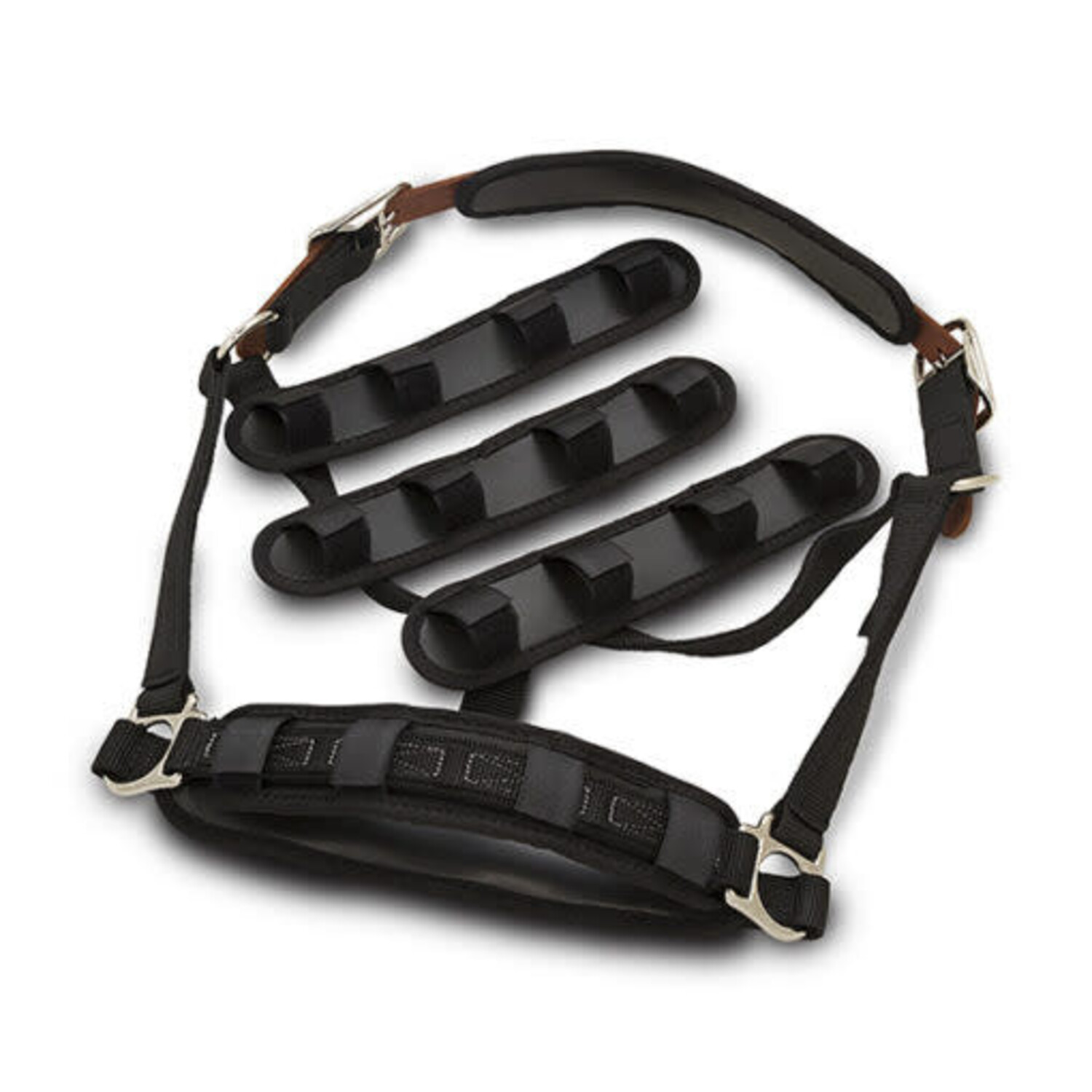
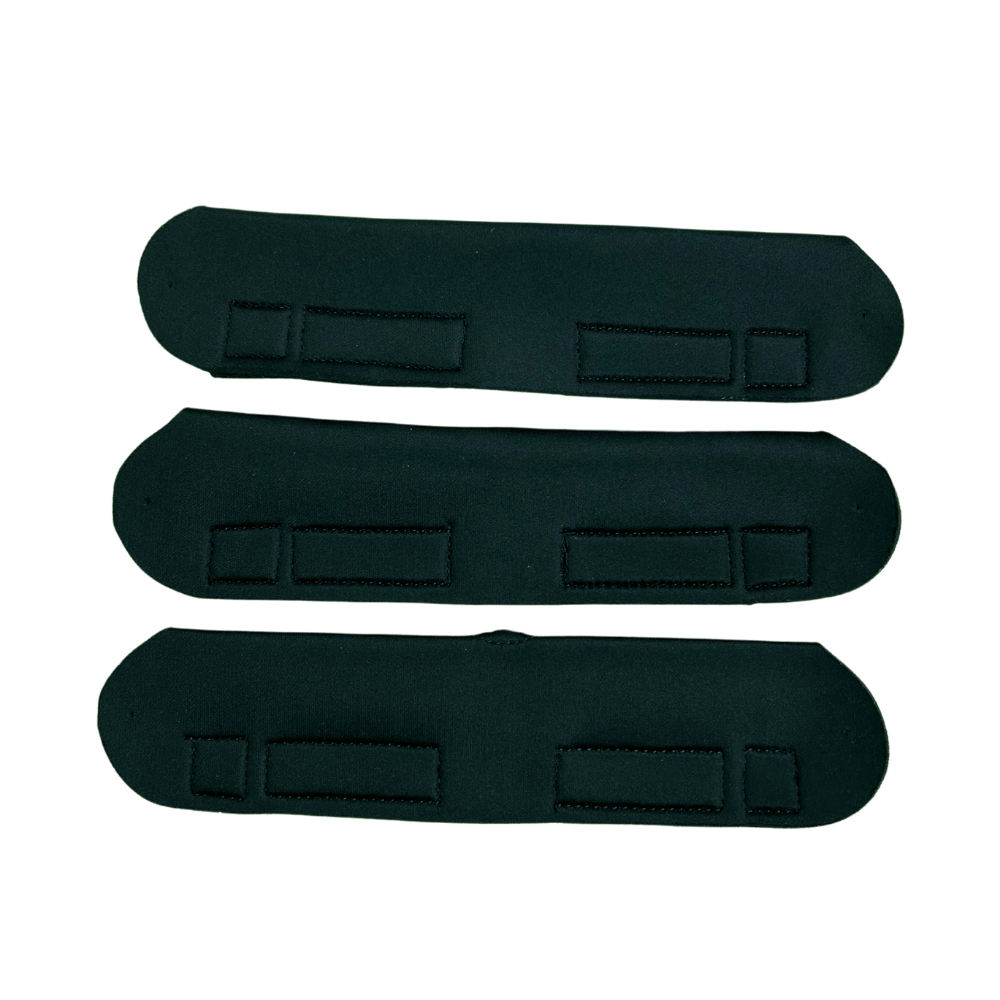
Check padding regularly for signs of wear and tear. Thin or flattened padding loses its cushioning effect. Replace worn padding to prevent discomfort and skin problems. Many halters have removable padding for easy replacement. Choose padding that fits well and matches the halter material. Fresh padding improves your horse’s comfort and safety during riding or handling.
Credit: www.equineessentials.ca
Signs Your Horse Needs Halter Padding
Knowing when your horse needs halter padding helps keep them safe and comfortable. Halter padding reduces pressure and prevents injuries. Watch for signs that show your horse might need extra soft material under the halter. These signs can be easy to spot and help you act quickly.
Behavioral Indicators
Your horse may shake its head a lot or rub its face against objects. It might try to bite or paw at the halter. These actions show discomfort or pain. A horse that avoids being haltered could need padding to ease pressure points.
Visible Skin Irritations
Check for redness or hair loss where the halter sits. Look for sores or swelling under the noseband and behind the ears. These signs mean the halter is rubbing too hard. Padding can protect the skin and help it heal.
Changes In Halter Fit
The halter may feel tighter or cause marks on the skin after wearing it. You might notice the halter moves more than usual or slides around. These changes suggest the halter does not fit well. Adding padding can improve fit and comfort for your horse.
Credit: www.gg-equine.com
Frequently Asked Questions
What Is Horse Halter Padding Used For?
Horse halter padding protects the horse’s skin from rubbing and chafing.
How Does Padding Improve Horse Comfort?
Padding softens pressure points, making the halter more comfortable for the horse.
What Materials Are Best For Halter Padding?
Foam, fleece, and neoprene are common, soft materials used for padding.
Can Padding Prevent Halter Sores On Horses?
Yes, good padding reduces friction and helps stop sores from forming.
How Often Should Horse Halter Padding Be Cleaned?
Clean padding weekly to keep it fresh and prevent dirt buildup.
Is Padded Halter Suitable For All Horse Types?
Padded halters work well for most horses, especially those with sensitive skin.
Conclusion
Horse halter padding protects your horse’s skin from rubbing and sores. It keeps your horse comfortable during rides and training. Soft, well-fitted padding helps prevent injuries and irritation. Choosing the right padding improves your horse’s overall well-being. Always check padding regularly for wear and cleanliness.
Simple care makes a big difference in comfort. Good padding helps your horse stay happy and healthy every day.
As an Amazon Associate, I earn from qualifying purchases.