If you care for horses, you know how important their health is to their happiness and performance. One common treatment you might encounter is intramuscular (IM) injections.
But how do you make sure these injections are done safely and effectively? Understanding IM injections in horses can help you protect your horse from discomfort and complications. You’ll discover everything you need to know about IM injections—from when they’re needed to how they’re given—so you can feel confident in managing your horse’s care.
Keep reading to learn the simple steps that can make a big difference in your horse’s health.
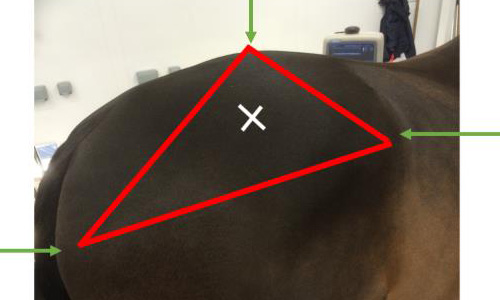
Credit: www.rvc.ac.uk
Preparing For Injection
Preparing for an intramuscular (IM) injection in horses is key to a smooth and safe process. Proper preparation helps reduce stress for the horse and prevents complications. It ensures the medicine works well and the horse stays comfortable. Follow these steps carefully before giving the injection.
Choosing The Right Injection Site
Select a muscle that is easy to reach and large enough for the injection. Common sites include the neck, shoulder, and hindquarters. Avoid areas near bones, nerves, or large blood vessels. Check the horse’s skin for swelling or sores and pick a clean spot. Changing the site each time helps prevent tissue damage.
Gathering Necessary Supplies
Collect all tools before starting the injection. You need a clean syringe, the correct needle, and the medication. Have alcohol wipes or antiseptic solution ready. Use gloves to keep everything clean. Organize supplies on a clean surface close to you. This saves time and keeps the horse calm.
Ensuring Proper Hygiene
Clean your hands and wear disposable gloves. Wipe the injection site with alcohol or antiseptic. Let the skin dry to avoid stinging. Use a new needle for each injection. Dispose of used needles safely in a sharps container. Cleanliness lowers the chance of infection and helps the horse heal faster.
Injection Techniques
Proper injection techniques are key for safe and effective horse care. They reduce pain and avoid infections. Knowing the correct steps helps you give injections smoothly. This section explains two common injection methods and tips to avoid mistakes.
Intramuscular Injection Steps
Choose a clean, dry area on the horse’s neck. Clean the skin with an alcohol swab. Hold the needle like a pencil, steady and firm. Insert the needle at a 90-degree angle into the muscle. Pull back the plunger slightly to check for blood. If no blood appears, inject the medication slowly. Remove the needle and apply gentle pressure with cotton. Dispose of the needle safely in a sharps container.
Subcutaneous Injection Steps
Pick a loose skin area, usually on the neck or shoulder. Clean the skin with an alcohol swab before injection. Pinch the skin to make a small tent shape. Insert the needle at a 45-degree angle under the skin. Pull back the plunger to check for blood. If no blood appears, inject the medication slowly. Remove the needle carefully and release the skin. Press gently with cotton to avoid bleeding.
Avoiding Common Mistakes
Never reuse needles or syringes. Use the correct needle size for the injection type. Avoid injecting into blood vessels by checking for blood return. Do not inject into dirty or wet skin. Always calm the horse before injection to reduce movement. Dispose of needles safely to prevent injury. Follow the medication dose instructions precisely to avoid overdosing.
Safety Precautions
Safety is the top priority during intramuscular (IM) injections in horses. Taking the right precautions protects both the horse and the handler. Careful handling and correct techniques reduce risks and ensure a smooth process.
Handling Horses Calmly
Stay calm and speak softly to your horse. Sudden moves or loud noises can startle the animal. A relaxed horse is easier to manage and less likely to resist the injection. Approach the horse slowly and confidently.
Using Proper Restraint Methods
Use safe restraint tools like halters and lead ropes. Hold the horse firmly but gently. Avoid tight or harsh restraints that can cause stress or injury. Proper restraint keeps the horse still and prevents sudden movements during the injection.
Preventing Needle Injuries
Always use clean, sharp needles to avoid pain and infection. Insert the needle at the correct angle and depth. Keep your hands steady and watch the horse’s reactions closely. Dispose of needles safely to protect yourself and others from accidental sticks.
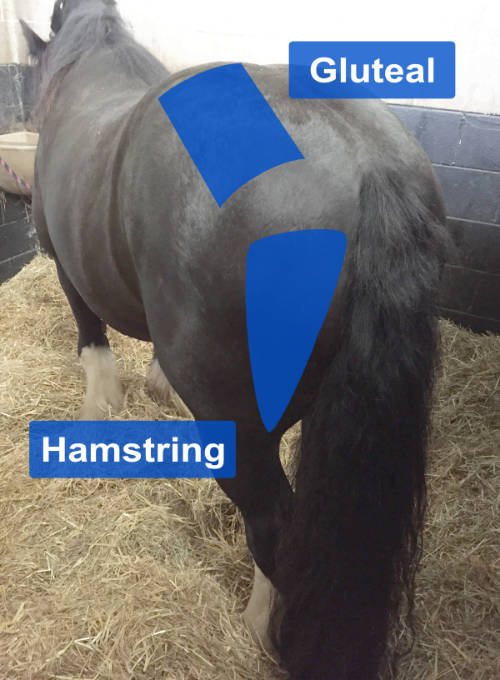
Credit: wvs.academy
Aftercare Tips
Proper aftercare is vital for your horse after intramuscular (IM) injections. It helps prevent infections and ensures quick healing. Paying close attention to the injection area can avoid complications. Good aftercare supports your horse’s health and comfort.
Monitoring Injection Sites
Check the injection site daily for swelling or redness. Look for heat or pain when you touch the area. Small lumps may form but should shrink in a few days. Note any discharge or unusual changes. Early detection of problems helps prevent bigger issues.
Managing Reactions And Complications
Some horses may show mild reactions like soreness or stiffness. Use cold compresses to reduce swelling. Avoid rubbing or massaging the injection site. Severe reactions include large swelling, heat, or abscess. Contact your vet if signs worsen or do not improve.
Keeping Records Of Treatments
Write down the date and type of injection given. Include the dose and the injection site used. Note any reactions or changes seen after treatment. Keeping clear records helps track your horse’s health. It assists your vet in future care decisions.
When To Seek Veterinary Help
Knowing when to seek veterinary help after giving an intramuscular (IM) injection to your horse is very important. Some problems can start small but grow fast. Early action can stop serious health issues. Watch your horse closely after each injection. Trust your instincts if something seems wrong.
Recognizing Adverse Responses
Some horses may react badly to IM injections. Look for sudden swelling or heat at the injection site. The horse may show pain when you touch the area. Watch for unusual behavior like restlessness or shaking. Sometimes, the horse may have a fever or show signs of weakness. These signs mean the horse needs a vet’s checkup quickly.
Signs Of Infection Or Abscess
Infections can develop after injections. Swelling that gets bigger or becomes very hard is a warning sign. Pus or a bad smell from the injection site shows infection. The horse may stop eating or seem tired. If you see any of these signs, contact your vet. Early treatment prevents more serious problems.
Emergency Procedures
In some cases, quick action is vital. Severe allergic reactions can cause breathing problems or collapse. If the horse has trouble breathing, call the vet immediately. Keep the horse calm and in a safe place. Do not try to treat serious reactions by yourself. Emergency care can save your horse’s life.

Credit: benefabproducts.com
Frequently Asked Questions
What Are Im Injections In Horses?
IM injections deliver medicine deep into horse muscles for quick absorption.
Which Muscles Are Used For Im Injections In Horses?
Common muscles include the neck, pectoral, and thigh muscles for safe injections.
How Much Medicine Can A Horse Safely Receive Im?
Usually, 5 to 10 ml per injection site is safe for horses.
What Are Common Risks Of Im Injections In Horses?
Risks include swelling, soreness, infection, or accidental nerve damage.
How Often Can Im Injections Be Given To Horses?
Frequency depends on the medication, but usually not more than once daily.
Can Im Injections Cause Pain To Horses?
Some discomfort occurs, but using correct technique reduces pain significantly.
Conclusion
Intramuscular injections help keep horses healthy and strong. They deliver medicine directly into the muscle fast. Knowing the right technique reduces pain and avoids infections. Always clean the area before giving an injection. Use the correct needle size for the horse’s muscle.
Watch the horse closely after the injection for any issues. Proper care makes treatments safer and more effective. Taking small steps protects your horse’s well-being. Simple actions lead to better health and comfort. Keep learning and stay careful to help your horse thrive.
As an Amazon Associate, I earn from qualifying purchases.