Are you looking for ways to improve your horse’s movement and overall health? Corrective exercises can make a huge difference in fixing common issues and boosting your horse’s performance.
Whether your horse struggles with stiffness, balance, or muscle imbalances, the right exercises can help. You’ll discover 55 effective corrective exercises designed to target specific problems and keep your horse feeling strong and comfortable. Keep reading to find out how you can take your horse’s training and care to the next level.
Common Equine Movement Issues
Horses often face movement problems that affect their health and performance. These issues can come from injuries, poor posture, or weak muscles. Understanding common equine movement issues helps in choosing the right corrective exercises. This knowledge supports better care and improves the horse’s comfort and strength.
Corrective exercises target specific problems to restore balance and function. Let’s explore some common movement challenges horses experience.
Lameness And Its Causes
Lameness is a common sign of pain or injury in horses. It shows as a limp or uneven gait. Causes include joint problems, tendon injuries, or hoof pain. Detecting the root cause is key to effective treatment. Early care can prevent long-term damage and improve recovery.
Postural Imbalances
Postural imbalances happen when a horse’s body is uneven or twisted. This affects movement and can cause strain. Poor saddle fit or uneven muscle use often leads to these issues. Corrective exercises help realign the body and ease tension. Balanced posture improves the horse’s overall performance.
Muscle Weakness Patterns
Muscle weakness in horses limits strength and control. Weak areas may cause the horse to favor one side. This leads to uneven movement and fatigue. Targeted exercises build muscle and improve coordination. Strengthening weak muscles supports better movement and reduces injury risk.
Benefits Of Corrective Exercises
Corrective exercises for horses help fix movement problems and prevent injuries. These exercises support the horse’s body to work better. They improve the horse’s health and comfort. Regular practice leads to stronger muscles and better motion. Trainers and riders notice better performance and fewer issues.
Enhancing Flexibility
Corrective exercises stretch tight muscles and joints. They help horses move with less stiffness. Flexible muscles reduce the risk of strains and sprains. Horses become able to handle different movements easily. Flexibility also helps horses recover from injuries faster.
Boosting Strength
These exercises build muscle strength evenly across the body. Strong muscles support joints and bones well. Strength reduces fatigue during long rides or work. Horses gain power to perform tasks better and safer. Stronger muscles also protect the horse from future injuries.
Improving Coordination
Corrective exercises teach horses to move smoothly and with balance. They improve the horse’s awareness of its body parts. Better coordination helps horses avoid stumbling or falling. This leads to more graceful and controlled movements. Improved coordination also makes training easier and more effective.
Equipment For Exercises
Using the right equipment is key for effective horse exercises. It helps trainers guide horses safely and correctly. Proper tools also improve the horse’s comfort and performance. Choosing the right gear supports better results in corrective exercises.
Essential Tools
Basic equipment includes halters, lead ropes, and lunging lines. Cones and poles help create exercise patterns. Cavaletti rails improve stride and balance. A mounting block is useful for rider training. All tools should fit the horse well and be in good condition.
Safety Gear
Safety gear protects both horse and handler during exercises. Helmets are a must for riders. Protective boots guard horse legs from injury. Gloves give handlers a better grip on ropes. Always check gear for wear and tear before use.
Setup Tips
Set up exercises in a flat, clear area. Remove any hazards like sharp objects or holes. Space equipment evenly to prevent accidents. Use markers to guide horse movements. Keep water and first aid nearby for emergencies.
Warm-up Routines
Warm-up routines prepare horses for exercise and help prevent injuries. These routines increase blood flow, loosen muscles, and improve joint flexibility. A proper warm-up makes horses more responsive and comfortable during training. Simple, gentle exercises work best to get horses ready.
Stretching Techniques
Stretching helps lengthen muscles and tendons. It reduces stiffness and improves movement range. Start with gentle neck stretches by encouraging the horse to lower its head. Side stretches help loosen the shoulders and ribs. Hold each stretch for 10 to 15 seconds. Avoid forcing the horse into uncomfortable positions. Regular stretching keeps muscles flexible and joints healthy.
Light Movement Drills
Light movement drills gradually increase heart rate and circulation. Begin with slow walking in a straight line. Add gentle turns and changes in direction to engage different muscles. Use short trots to build momentum without strain. Keep movements smooth and calm to avoid stress. These drills prepare the horse’s body and mind for harder work.
Flexibility Exercises
Flexibility exercises help keep horses agile and prevent injuries. These exercises improve muscle length and joint range. They also support better movement and comfort for your horse. Regular practice builds strength and balance over time.
Neck And Head Movements
Neck and head exercises increase range of motion. Simple stretches include gentle side-to-side and up-and-down movements. Encourage your horse to lower and raise its head slowly. These motions relax tight muscles and improve circulation. They also help with better posture and control during riding.
Back And Spine Stretches
Stretching the back keeps the spine flexible and strong. Ask your horse to round and stretch its back gently. Use exercises like backing up slowly or walking over poles. These actions engage the core muscles and relieve tension. A flexible spine supports smooth and balanced movement.
Leg And Joint Mobility
Leg and joint exercises prevent stiffness and improve blood flow. Lift each leg carefully to stretch the joints. Move the legs forward, backward, and sideways. These motions keep the tendons and ligaments healthy. They also help with better coordination and reduce injury risks.
Strength Building Exercises
Strength building exercises help horses recover and improve muscle tone. These exercises target key muscle groups to support movement and balance. They also prevent injuries by making muscles stronger and more flexible.
Corrective exercises focus on specific areas that need improvement. Consistent practice helps horses perform better and stay healthy. Below are some key types of strength building exercises for horses.
Hindquarter Strengthening
Strong hindquarters provide power and stability. Exercises like hill work and backing up improve these muscles. Walking over poles also enhances coordination and strength. These moves help horses push off with more force.
Core Stability Drills
The core supports the whole body during movement. Exercises such as side steps and circling build core strength. Balancing drills on uneven ground also engage core muscles. A strong core improves posture and control.
Forelimb Conditioning
Forelimbs support weight and absorb shock. Conditioning includes exercises like walking on varied surfaces. Stretching and gentle trotting develop muscle tone. Strong forelimbs reduce strain and improve gait.
Balance And Coordination Drills
Balance and coordination drills help horses move with more control and confidence. These exercises improve muscle strength and body awareness. They also reduce the risk of injuries by teaching horses to adjust their steps carefully. Regular practice builds better posture and smoother movement.
Pole Work Variations
Pole work is a simple way to enhance balance. Horses step over poles laid on the ground. Changing the distance between poles challenges their stride length. Walking, trotting, or cantering over poles helps coordination. Poles can be arranged in straight lines or patterns for variety. These drills sharpen focus and timing.
Cavaletti Exercises
Cavaletti are small, raised poles that horses step over. They improve rhythm and leg lift. Adjusting the height and spacing changes the difficulty. Cavaletti exercises encourage even muscle use and better foot placement. They also help horses develop a steady pace. These exercises suit all training levels.
Lateral Movements
Lateral movements teach horses to move sideways with ease. Exercises like leg yields and shoulder-ins improve flexibility. These drills strengthen muscles on both sides of the body. They also enhance coordination between rider and horse. Practicing lateral moves builds better balance and control.

Credit: www.amazon.com
Gait Correction Exercises
Gait correction exercises help horses move better and feel more comfortable. These exercises focus on fixing how a horse walks, trots, or canters. Improving gait can reduce pain and improve performance. Trainers use specific drills to enhance stride, rhythm, and transitions. This section explains key exercises for better gait.
Improving Stride Length
Stride length means how far a horse moves with each step. Longer strides help horses cover more ground easily. To improve stride length, use ground poles spaced evenly apart. Walk or trot your horse over these poles slowly. This encourages the horse to stretch its legs and step further.
Another method is hill work. Walking uphill makes the horse lift its legs higher. This builds strength and flexibility. Stronger muscles help with longer, smoother strides.
Rhythm And Cadence Enhancements
Rhythm is the regular pattern of footfalls. Cadence means the speed of those steps. Both are important for smooth movement. Use a metronome or count beats to keep a steady pace. Practice walking or trotting to this beat with your horse.
Circle exercises also improve rhythm. Riding your horse in circles helps balance and timing. Change directions often to keep the horse focused. Consistent practice builds better, more even steps.
Transition Drills
Transitions are changes between gaits, like walk to trot. Smooth transitions show better control and balance. Practice quick, clear commands to signal transitions. Start with small steps and increase speed gradually.
Use markers or cones to create short distances for transitions. This helps the horse learn to change gaits on cue. Repeating these drills improves responsiveness and confidence.
Posture Improvement Techniques
Improving a horse’s posture is key to its overall health and performance. Good posture helps reduce strain and prevents injuries. It also makes the horse more balanced and easier to control. Posture improvement exercises target muscles and joints to keep the horse strong and flexible.
Carrot Stretches
Carrot stretches help horses stretch their neck and back muscles. Hold a treat near the horse’s nose and slowly move it around. The horse follows the treat with its head, stretching different muscles. This exercise improves neck flexibility and encourages a better head carriage. It also helps with muscle relaxation and reduces stiffness.
Hill Work Benefits
Walking up and down hills builds strength in the horse’s hindquarters and back. It promotes better balance and posture naturally. Hills encourage the horse to engage core muscles and lift its back. This exercise improves muscle tone and joint health. It also helps the horse learn to move smoothly on uneven ground.
Groundwork For Alignment
Groundwork exercises teach horses to stand and move correctly. Using poles or cones, guide the horse to step evenly and maintain a straight line. This practice improves body awareness and muscle control. It helps correct posture issues and encourages proper alignment. Groundwork also builds trust and focus between horse and handler.
Recovery And Cool-down
Recovery and cool-down are vital parts of a horse’s exercise routine. They help the horse relax and heal after work. Proper recovery reduces muscle stiffness and lowers injury risk. Cool-down also helps the horse’s heart rate return to normal safely.
Stretching After Work
Stretching helps keep a horse’s muscles flexible and strong. It reduces tightness and improves joint movement. Gentle stretches after exercise help muscles relax. Focus on the neck, shoulders, and hind legs. Hold each stretch for about 20 seconds. Avoid forcing the horse into any position.
Massage And Myofascial Release
Massage soothes sore muscles and improves blood flow. Myofascial release targets tight spots in the soft tissue. Use gentle pressure with your hands or tools. This helps the horse release tension and feel more comfortable. Regular sessions can improve overall muscle health.
Rest And Hydration
Rest allows the horse’s body to repair itself. Provide a quiet space for the horse to relax. Water is critical after exercise to prevent dehydration. Offer fresh water often and encourage drinking. Proper rest and hydration support muscle recovery and energy restoration.
Tailoring Exercises To Horse Types
Each horse type needs special exercises. Tailoring workouts helps improve their strength and skills. It prevents injuries and keeps horses happy. Corrective exercises match the horse’s work and body type. This section explains exercises for different horse activities.
Dressage Focus
Dressage horses need balance and flexibility. Exercises improve their posture and muscle control. Work on slow, precise movements. Use lateral stretches to increase side flexibility. Focus on strengthening the back and hind legs. This helps horses carry riders with ease.
Jumping Preparation
Jumping horses require power and agility. Exercises build strong legs and quick reflexes. Include hill work and trotting poles. These improve strength and coordination. Jumping practice should also teach rhythm and timing. Correct exercises reduce the risk of joint injuries.
Trail And Endurance Training
Trail horses need stamina and steady pace. Exercises focus on long, steady walks and trots. Build cardiovascular health and muscle endurance. Include varied terrain to strengthen joints and ligaments. Teach horses to stay calm in different environments. This prepares them for long rides without stress.
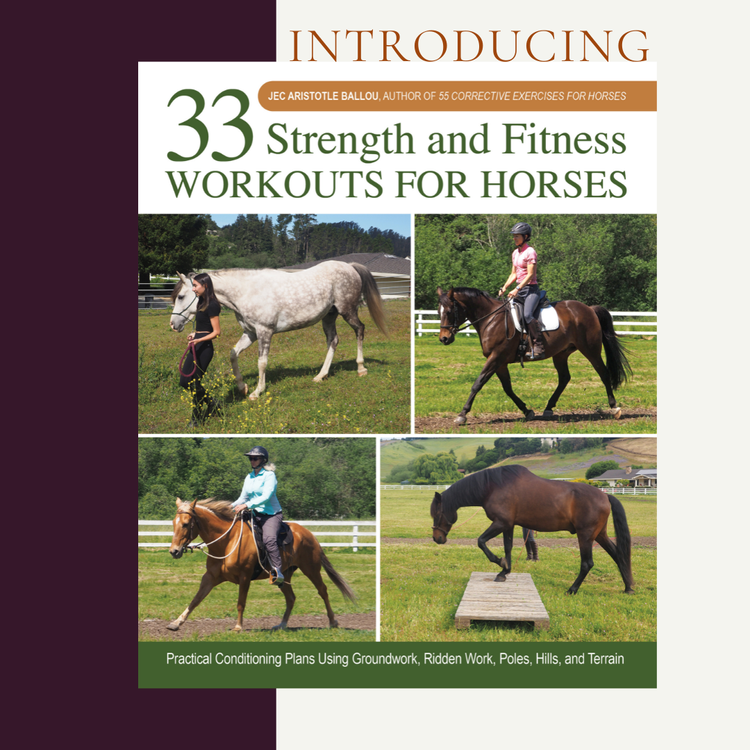
Credit: store.jecballou.com
Monitoring Progress
Monitoring progress is key when using corrective exercises for horses. It helps ensure the horse improves safely and effectively. Tracking changes over time shows if the exercises work or need adjustment.
Observe your horse closely during and after each session. Small changes matter. Note any shifts in movement, behavior, or comfort.
Signs Of Improvement
Look for smoother movements and better balance. The horse should show less stiffness and more flexibility. Watch for easier transitions in gait and less resistance to work. Notice if the horse seems more relaxed and confident during exercises.
Adjusting Exercise Plans
Modify exercises based on your observations. Increase intensity slowly if the horse improves well. Reduce or change exercises if the horse shows pain or fatigue. Keep the plan flexible to meet the horse’s needs. Regular updates help maintain steady progress.
When To Consult Professionals
Seek expert advice if progress stalls or worsens. Consult a veterinarian for pain or injury concerns. A trainer or equine therapist can offer new exercise ideas. Professionals help ensure safety and effectiveness. Don’t delay if you notice troubling signs.

Credit: trafalgarbooks.com
Frequently Asked Questions
What Are Corrective Exercises For Horses?
Corrective exercises help fix movement problems and improve a horse’s balance and strength.
How Often Should Horses Perform Corrective Exercises?
Horses usually need these exercises 3 to 5 times a week for best results.
Can Corrective Exercises Prevent Horse Injuries?
Yes, they improve muscle strength and flexibility, reducing the chance of injuries.
Are Corrective Exercises Suitable For All Horse Breeds?
Most breeds benefit, but exercises should match each horse’s specific needs and condition.
How Long Does It Take To See Results From Exercises?
Results can appear in a few weeks with regular and correct practice.
Should I Consult A Professional Before Starting Exercises?
Yes, a trainer or vet can design safe exercises tailored for your horse.
Conclusion
Corrective exercises help horses stay healthy and strong. They fix muscle imbalances and improve movement. Using the right exercises can prevent injuries. Keep sessions short and focus on your horse’s needs. Consistency is key to seeing good results over time.
Always watch your horse closely during exercises. Small steps lead to big improvements. These exercises support your horse’s comfort and performance. Try different moves to find what works best. A happy horse moves better and feels better.
As an Amazon Associate, I earn from qualifying purchases.