If you have a mini horse, you know how important it is to keep their feeding routine simple and stress-free. A Mini Horse Feeder can make a huge difference in how you care for your little companion every day.
Imagine a feeder that saves you time, reduces waste, and keeps your mini horse happy and healthy. Curious to find out how the right feeder can transform your feeding routine? Keep reading to discover the best tips and options for your mini horse’s feeding needs.
Benefits Of Mini Horse Feeders
Mini horse feeders offer many benefits for owners and their small horses. They help manage feeding more easily and keep the food fresh and clean. These feeders fit perfectly to mini horses’ needs and improve their overall care.
Improved Feeding Efficiency
Mini horse feeders control the amount of food given at once. This prevents overfeeding and helps maintain a healthy diet. Feeding becomes faster and less messy. Owners save time and effort managing meals daily.
Reduced Feed Waste
Feed stays inside the feeder, not on the ground. This stops food from getting trampled or spoiled. Less waste means lower costs for horse owners. Clean feed also means less chance for bugs or mold.
Health Advantages For Mini Horses
Proper feeders support healthy eating habits in mini horses. They reduce the risk of choking or gulping food too fast. Controlled portions help maintain good weight. Clean feeding areas lower illness chances linked to dirty food.

Credit: www.thehaypillow.com
Types Of Mini Horse Feeders
Mini horse feeders come in various types to suit different needs. Each type helps feed your mini horse efficiently and safely. Choosing the right feeder can save time and keep your horse healthy. Below are the common types of mini horse feeders you can consider.
Automatic Feeders
Automatic feeders release food at set times. They help control portions and feeding schedules. These feeders are great for busy owners or when you are away. They reduce waste and keep food fresh. Mini horses receive meals on time without extra work.
Gravity Feeders
Gravity feeders use the weight of the food to refill the tray. Food flows down as the horse eats. These feeders are simple and easy to use. They provide constant access to hay or pellets. Gravity feeders help avoid overfeeding and keep food clean.
Bucket And Bowl Feeders
Bucket and bowl feeders are the most basic types. They are easy to fill and clean. These feeders work well for grain or supplements. You can place them on the ground or hang them. They offer flexibility for feeding different types of food.
Slow Feeders
Slow feeders control the speed of eating. They have special designs that limit how much food a horse can take. Slow feeders prevent overeating and reduce waste. They keep your mini horse busy longer during meals. These feeders support healthy digestion and weight control.
Choosing The Right Feeder
Choosing the right feeder for your mini horse is essential. It affects their health and daily routine. A good feeder fits your horse’s size, eating habits, and environment. This helps keep your mini horse happy and well-fed.
Considering Horse Size And Breed
Mini horses vary in size and breed. Each has different needs. Smaller breeds eat less but may need special feeders. Choose a feeder that matches your mini horse’s mouth size. Avoid feeders that are too big or too small. This prevents food waste and discomfort while eating.
Feeding Frequency And Portions
Mini horses eat small meals throughout the day. Some feeders allow you to control portion sizes. This helps avoid overfeeding or underfeeding. Select a feeder that fits your feeding schedule. It should make feeding easy and consistent.
Material And Durability
Feeders come in plastic, metal, and wood. Choose a durable material that lasts long. It should handle weather changes and chewing. Metal feeders often resist damage better. Plastic can be light but may break easily. Pick a feeder that stays safe and sturdy over time.
Ease Of Cleaning
Clean feeders prevent bacteria and mold. Choose a feeder that is easy to clean daily. Smooth surfaces and removable parts help. Regular cleaning keeps your mini horse healthy. Avoid feeders with hard-to-reach corners or rough textures.
Installation And Setup Tips
Setting up a mini horse feeder correctly ensures your horse eats safely and comfortably. Proper installation helps prevent waste and keeps the feeding area clean. Follow these simple tips to place, secure, and blend your feeder with your stall.
Placement For Accessibility
Choose a spot where your horse can reach the feeder easily. Avoid placing it too high or too low. Ensure the feeder is visible and within easy reach. This helps your horse eat without strain or frustration.
Keep the feeder away from wet or muddy areas. Dry places reduce spoilage and keep feed fresh. Also, place it where other horses cannot block access.
Securing Feeders Safely
Use sturdy hooks or brackets to attach the feeder firmly. Loose feeders can fall and scare your horse. Make sure all parts are stable and free of sharp edges.
Check the feeder regularly for wear or damage. Tighten screws or fasteners as needed. Safety prevents injuries and keeps feeding smooth.
Integrating With Existing Stalls
Fit the feeder to your current stall setup without blocking doors or windows. It should not interfere with cleaning or stall chores. Consider the stall size and your horse’s habits.
Use mounting options that do not damage stall walls. Removable hooks or clips work well. This keeps your stall flexible for future changes.
Maintenance And Cleaning
Proper maintenance and cleaning keep your mini horse feeder safe and efficient. Dirt and leftover food can cause problems. Regular care helps avoid illness and damage. Clean feeders last longer and work better. Follow simple steps to keep the feeder in top shape.
Regular Cleaning Schedules
Clean the feeder at least once a week. Remove all food remains and debris. Use warm water and mild soap. Rinse thoroughly to remove soap traces. Dry the feeder completely before refilling. Stick to this routine to keep it fresh.
Preventing Mold And Bacteria
Mold grows fast in damp, dirty feeders. Always dry the feeder after cleaning. Store it in a dry place. Check for wet spots or clumps of old food. Use vinegar water to wipe the feeder sometimes. This stops harmful bacteria from growing.
Inspecting For Wear And Tear
Look for cracks, rust, or sharp edges. Damaged parts can hurt your horse. Fix or replace broken pieces quickly. Check hinges and locks to ensure they work well. Regular inspections help catch problems early. A safe feeder means a happy horse.
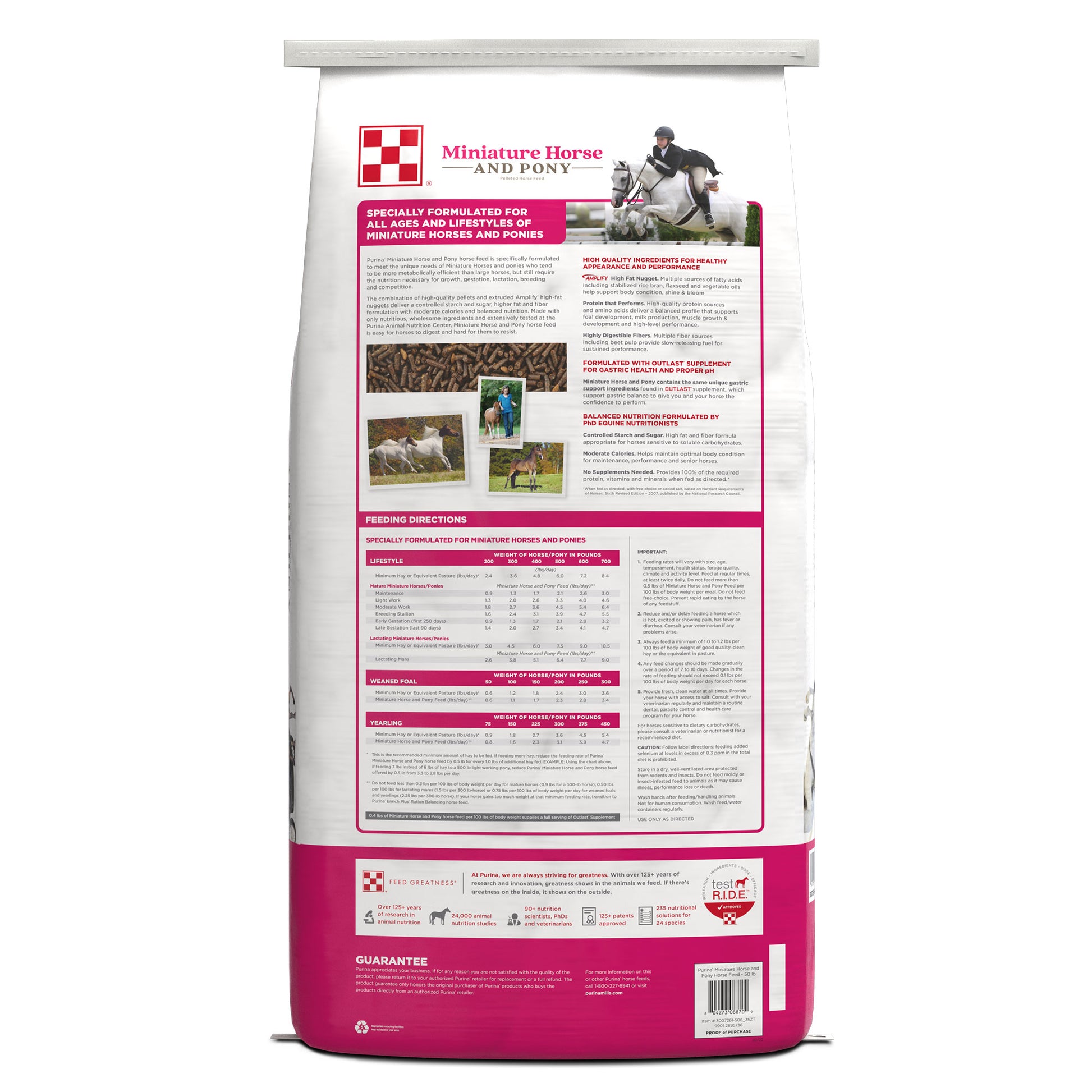
Credit: shop.purinamills.com
Common Feeding Challenges
Feeding mini horses can be tricky. Each horse has its own habits and needs. Challenges arise that make feeding time less smooth. Knowing these common issues helps in planning better care. This section covers three main feeding challenges and offers simple ways to handle them.
Dealing With Picky Eaters
Some mini horses refuse certain foods. They may avoid new feeds or specific textures. Try offering small amounts of new food first. Mix favorite treats with healthy options. Keep a regular feeding schedule to build trust. Patience is key. Watch for signs of hunger to adjust feeding times.
Preventing Overfeeding
Overfeeding can cause health problems. Mini horses need less food than regular horses. Use a measured feeder to control portions. Avoid free-choice feeding with high-calorie feeds. Feed smaller meals more often to keep them satisfied. Monitor their weight regularly to spot changes. Adjust food amounts as needed.
Managing Multiple Mini Horses
Feeding many mini horses together can lead to competition. Some may eat too fast or push others away. Use separate feeders to give each horse space. Feed them at the same time to reduce stress. Observe their behavior during feeding. Make changes to prevent bullying and ensure fair feeding.
Cost And Budget Considerations
Choosing the right mini horse feeder means thinking about cost and budget. Spending wisely helps you get value and meet your horse’s needs. Understanding different costs aids in planning your purchase and use.
Initial Investment
The first cost includes buying the feeder. Prices vary by size, material, and brand. Simple models cost less, while heavy-duty feeders are pricier. Think about durability and features before deciding.
Long-term Savings
A good feeder saves money over time. It reduces wasted feed by controlling portions. Less waste means fewer feed purchases. Also, durable feeders need fewer repairs or replacements.
Diy Vs. Commercial Options
Making your own feeder can lower initial costs. Materials are often cheaper than buying ready-made. But DIY feeders may lack durability or special features. Commercial feeders offer quality and warranty but cost more upfront.
Enhancing Feeding With Technology
Technology is changing how we feed mini horses. New tools make feeding easier and safer. They help owners give the right amount of food at the right time. This keeps mini horses healthy and happy.
Smart Feeders
Smart feeders use sensors to track food levels. They can tell when the feeder needs refilling. Some models adjust portions based on the horse’s needs. This prevents overfeeding and waste. Smart feeders save time and reduce feeding errors.
Monitoring Intake Remotely
Remote monitoring lets owners check feeding from anywhere. Apps show how much the mini horse eats each day. Owners get alerts if the horse skips a meal. This helps spot health problems early. Remote checks give peace of mind to busy owners.
Automated Feeding Schedules
Automated feeders release food at set times. This mimics natural grazing patterns well. Horses get fresh feed throughout the day. It prevents hunger and reduces stress. Automated schedules keep feeding consistent and easy to manage.
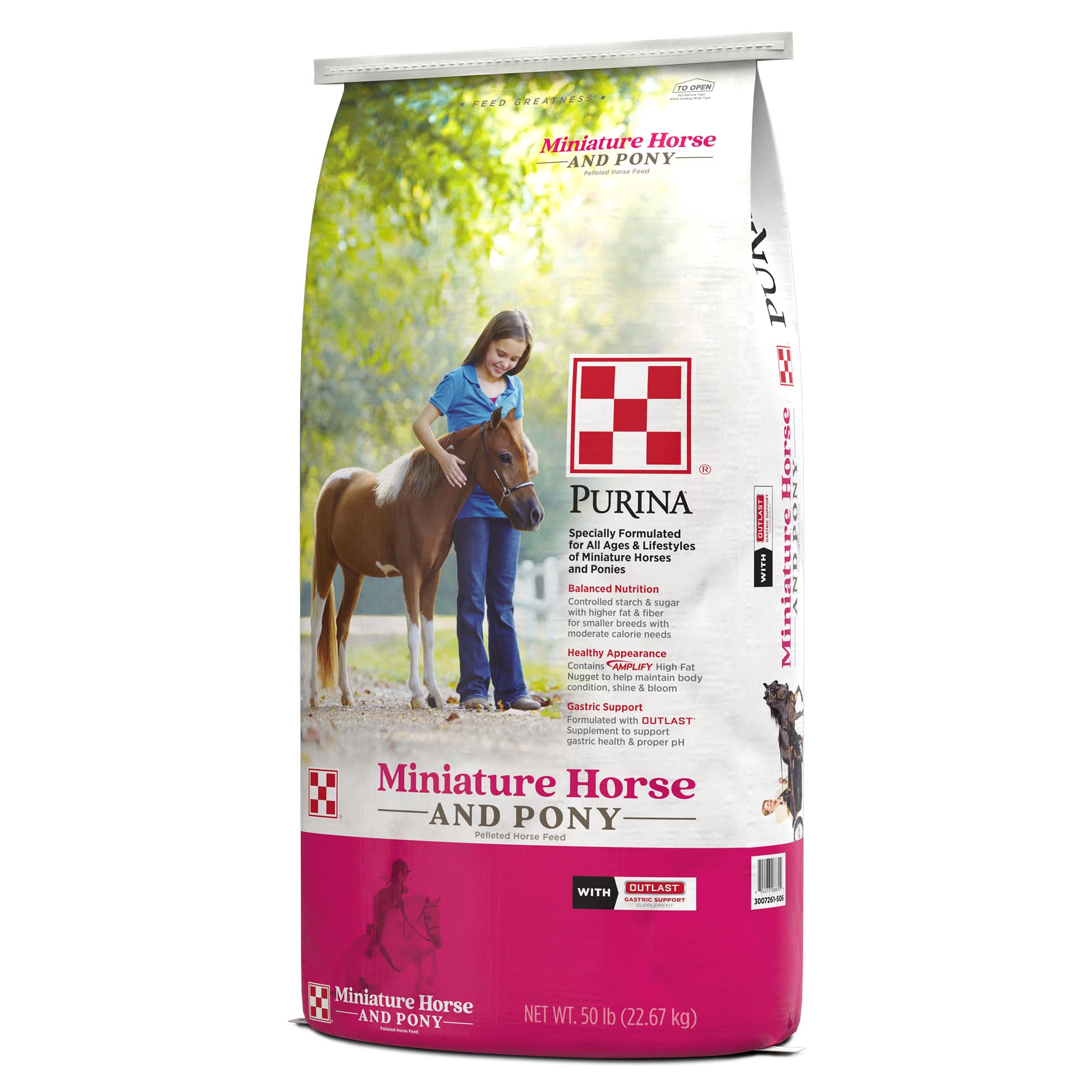
Credit: www.amazon.com
Frequently Asked Questions
What Is A Mini Horse Feeder Used For?
A mini horse feeder helps feed small horses or ponies easily and safely.
How Do I Choose The Right Mini Horse Feeder?
Look for size, material, and ease of cleaning when picking a feeder.
Can Mini Horse Feeders Prevent Food Waste?
Yes, they help reduce spillage and keep food clean for longer.
Are Mini Horse Feeders Easy To Clean?
Most are designed for quick and simple cleaning to keep hygiene high.
Where Should I Place A Mini Horse Feeder?
Place it at a comfortable height and in a dry, safe spot.
How Often Should I Refill A Mini Horse Feeder?
Refill daily or as needed to keep your horse fed and happy.
Conclusion
A mini horse feeder makes feeding easier and less messy. It helps save food and keeps it clean. Choosing the right feeder keeps your horse healthy and happy. Simple designs often work best for small horses. Feeding time becomes quicker and more organized.
A good feeder fits your space and your horse’s needs. Small changes can improve daily care a lot. Trust your choice and enjoy watching your horse thrive.
As an Amazon Associate, I earn from qualifying purchases.