Are you curious about how much horse riding really costs? Whether you want to try it for fun or learn to ride like a pro, understanding the price can help you make the best choice.
You might be surprised by how many factors affect the cost—from lessons to gear and even the type of horse. Keep reading, and you’ll get clear answers that help you plan your horse riding adventure without breaking the bank. Your perfect ride is closer than you think!
Factors Affecting Horse Riding Costs
Horse riding costs vary for many reasons. Knowing these factors helps plan your budget well. Expenses depend on where you ride, the type of lessons, horse care, and gear needed. Understanding each factor makes horse riding more affordable and enjoyable.
Location And Facility Fees
Prices change by location. Riding near cities often costs more. Facilities with good amenities charge higher fees. Some places include stable use and arena access in their rates. Rural areas usually have lower fees but fewer services.
Type Of Riding Lessons
Group lessons are cheaper than private ones. Specialized lessons, like dressage or jumping, cost more. Beginner classes tend to be less expensive. The skill level and duration affect the price too. Some instructors charge extra for weekend or evening classes.
Horse Boarding Expenses
Boarding fees vary by stable and services. Full board covers feeding, cleaning, and vet care. Partial board means you handle some tasks. Some stables charge more for larger stalls or extra turnout time. Location also affects boarding prices.
Equipment And Gear Costs
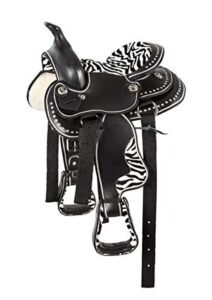
Riding gear adds to the total cost. Basic items include a helmet, boots, and gloves. Quality gear lasts longer but costs more. Special equipment like saddles and bridles can be expensive. Renting gear is an option to reduce expenses.

Credit: www.airtasker.com
Lesson Pricing Models
Horse riding lesson prices vary based on the lesson type and structure. Different pricing models fit different needs and budgets. Understanding these models helps choose the best option.
Group Vs Private Lessons
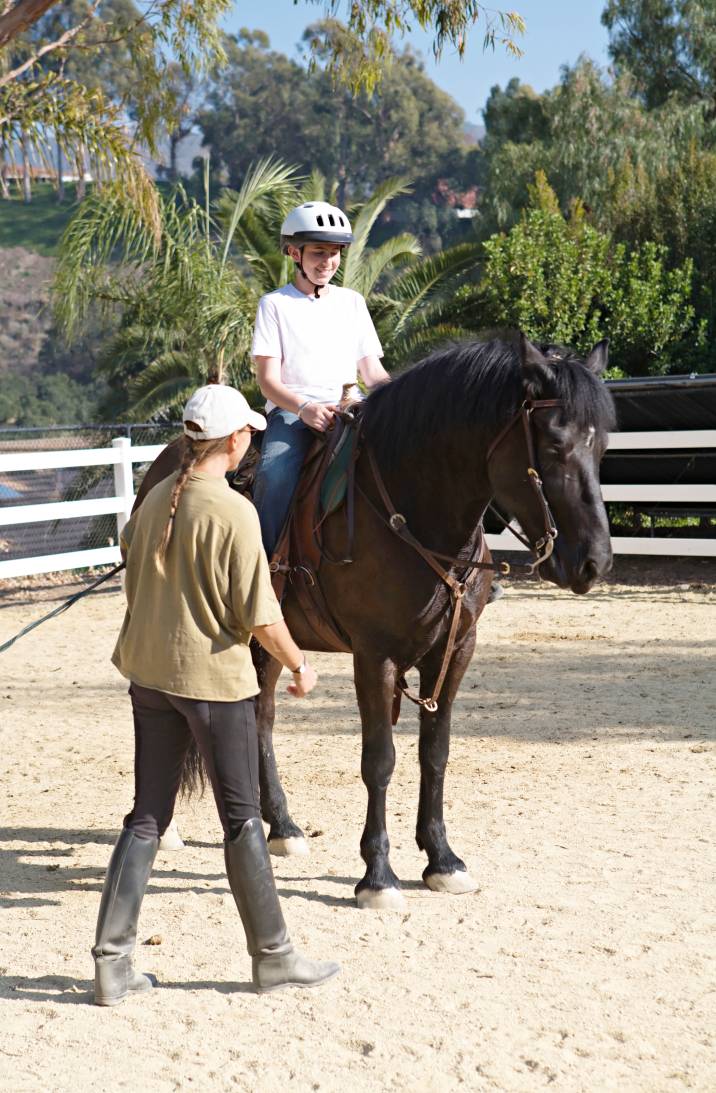
Group lessons cost less than private ones. You share the instructor’s time with others. This lowers the price but means less personal attention. Private lessons offer one-on-one coaching. They cost more but give focused guidance. Choose group lessons for a budget option. Pick private lessons for faster progress and tailored help.
Package Deals And Discounts
Many stables sell lesson packages. Buying several lessons upfront reduces the price per lesson. Packages encourage regular practice and help save money. Some places offer discounts for siblings or repeat customers. Always ask about available deals. Packages and discounts make riding lessons more affordable.
Trial Lessons And Intro Offers
Trial lessons give a chance to try riding at a low cost. These lessons are short and introduce basic skills. Intro offers help beginners start without a big investment. They often include equipment rental and safety instructions. Trial and intro lessons help decide if riding suits you before spending more.
Costs For Beginners
Starting horse riding involves some costs beginners must consider. These expenses cover lessons, safety gear, and basic riding clothes. Knowing these helps plan your budget smartly.
Basic Riding Lessons
Riding lessons usually cost between $30 and $60 per hour. Group lessons can be cheaper, around $20 to $40 each. Many stables offer packages that lower the price per lesson.
Lessons teach you balance, control, and horse care basics. Regular lessons help build confidence and skill faster.
Safety Gear Essentials
Safety gear protects you during rides. A riding helmet is a must and costs about $50 to $150. Good quality boots with a small heel cost around $50 to $100.
Gloves improve grip and prevent blisters. They usually cost $10 to $30. Investing in safety gear keeps beginners safe and comfortable.
Beginner Tack And Apparel
Tack includes saddle, bridle, and reins. Beginners often rent tack from the stable to save money. Buying tack can cost $200 or more for basic sets.
Riding pants, called breeches, cost $30 to $70. Comfortable clothing helps you move freely and enjoy riding.

Credit: rjclassics.com
Additional Expenses To Consider
Horse riding involves more costs than just lessons or stable fees. Many riders face extra expenses that add up over time. Understanding these costs helps prepare your budget better.
These additional expenses cover horse care, events, and travel needs. Each area requires attention and money to keep riding enjoyable and safe.
Horse Care And Maintenance
Caring for a horse costs money every day. Food, bedding, and regular vet visits are basic needs. Horses also need shoes, vaccinations, and dental care. These costs vary by horse size and health. Neglecting care can cause bigger expenses later. Proper maintenance keeps horses healthy and happy.
Competition And Event Fees
Many riders join competitions or horse shows. These events charge entry fees that differ by level and location. Riders pay for registration, stabling, and sometimes coaching. Competing also needs special equipment and attire. These fees add to the overall cost of riding. Competing can be fun but requires planning.
Travel And Transportation
Traveling to stables or events costs money too. Horse trailers or hired transport are needed for long trips. Fuel and tolls increase expenses during travel. Sometimes, overnight stays add accommodation costs. Travel expenses depend on distance and frequency. Planning trips helps control travel costs.
Ways To Save On Horse Riding
Horse riding can be costly, but there are ways to save money. Saving helps you enjoy riding without stress. Simple choices make a big difference in costs. Here are some practical tips to lower your expenses.
Choosing Local Riding Schools
Local riding schools often have lower fees than big centers. They also offer group lessons that cost less per person. Small schools may include equipment and horse care in their prices. Choosing nearby schools saves travel time and fuel money. Visit several schools to compare prices and services.
Buying Used Equipment
New riding gear can be expensive. Used saddles, boots, and helmets cost less but work well. Check online marketplaces and secondhand stores for good deals. Make sure equipment is safe and fits properly before buying. Buying used saves money and helps you try different gear types.
Sharing Boarding And Lesson Costs
Boarding a horse alone is expensive. Sharing a horse with a friend splits the cost. Some stables allow shared lessons or group rides at a discount. Sharing also means less work for each rider. Talk to other riders about cost-sharing options.
Credit: www.airtasker.com
Frequently Asked Questions
How Much Does A Beginner Horse Riding Lesson Cost?
A beginner lesson usually costs between $30 and $60 per hour.
What Factors Affect The Cost Of Horse Riding Lessons?
Location, lesson length, instructor experience, and facility quality all impact prices.
How Much Does Horse Riding Cost Per Hour On Average?
Hourly rates typically range from $40 to $75 depending on the riding center.
Are There Cheaper Options For Horse Riding Lessons?
Group lessons and package deals often lower the cost per lesson.
What Is The Cost Difference Between Private And Group Lessons?
Private lessons cost more, usually $50–$100, while group lessons are $20–$50.
How Much Should I Budget For Horse Riding Equipment?
Basic gear like boots and helmet can cost around $100 to $300.
Conclusion
Horse riding costs vary based on location and type of lesson. Many factors affect the price, like horse care and equipment. You can find lessons for beginners and advanced riders. Group lessons tend to be cheaper than private ones. Renting a horse is another option to consider.
Remember to budget for extra expenses, such as gear and boots. Horse riding offers fun and exercise for all ages. Think about your goals and budget before starting. Enjoy the experience and the bond with your horse.
As an Amazon Associate, I earn from qualifying purchases.