If you own a horse or are thinking about boarding one, you know how important it is to keep everything clear and simple. A Horse Board Agreement is the key to making sure you and the stable owner understand your responsibilities and expectations.
Without it, misunderstandings can happen, leading to stress and extra costs. This agreement protects your horse’s well-being and your peace of mind. Keep reading, and you’ll discover exactly what should be included in a Horse Board Agreement to keep your horse happy and your experience smooth.
Key Elements Of A Horse Board Agreement
A Horse Board Agreement sets clear rules between the horse owner and the stable. It protects both sides by defining duties and expectations. This agreement helps avoid confusion and problems later.
Understanding the key parts of this agreement is important. Each section covers a vital topic to ensure smooth care and management of the horse.
Identifying Parties Involved
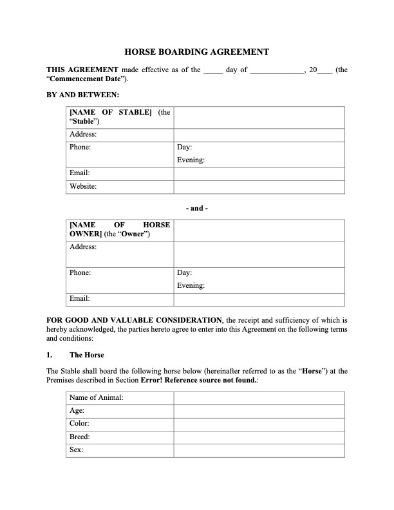
This section names the horse owner and the stable owner or manager. It includes contact details and addresses. Clear identification prevents misunderstandings about who is responsible.
Boarding Fees And Payment Terms
It states the cost of boarding the horse. The schedule for payments and accepted payment methods appear here. This part explains penalties for late or missed payments.
Services Included In Boarding
This part lists what care the stable will provide. Feeding, grooming, exercise, and stall cleaning may be included. It also notes extra services and their costs.
Duration And Termination Clauses
This explains how long the agreement lasts. It tells how either party can end the contract. Notice periods and conditions for ending the agreement are clear here.
Credit: www.megadox.com
Setting Clear Responsibilities
Setting clear responsibilities in a horse board agreement helps avoid confusion. Both the horse owner and barn owner must know their duties. Clear roles protect the horse’s health and well-being. This section explains the key responsibilities for each party.
Owner’s Duties
The horse owner must provide accurate information about the horse’s health. They should supply feed, supplements, and any special equipment needed. Regular payments for board and services must be made on time. Owners must notify the barn about any changes in the horse’s condition. They should also respect barn rules and schedules.
Barn Owner’s Obligations
The barn owner must provide a safe and clean environment for the horse. Daily care includes feeding, watering, and stall cleaning. They should monitor the horse’s behavior and health closely. The barn owner must keep the facilities secure and well-maintained. Clear communication with the horse owner is essential to report any issues.
Emergency Care And Veterinary Access
Both parties must agree on emergency procedures before boarding starts. The barn owner should have quick access to a veterinarian at all times. Immediate care is crucial if the horse gets sick or injured. The owner should provide contact details and payment authorization for emergencies. Clear emergency plans protect the horse and give peace of mind.
Handling Health And Safety
Handling health and safety is a key part of any horse board agreement. It protects the horse, the owner, and the barn staff. Clear rules help keep horses healthy and safe. Everyone knows what to expect and how to act in different situations.
Vaccinations And Health Records
Every horse should have up-to-date vaccinations. These protect against common diseases. The owner must provide proof of vaccinations. Health records should be shared with the barn manager. This helps track the horse’s health and avoid risks.
Injury And Illness Protocols
Plans must be in place for injuries and illnesses. The barn must have a clear process for emergencies. Owners should be contacted right away if a horse is hurt. Quick action can prevent serious problems. Staff should know how to care for sick or injured horses.
Liability And Insurance Coverage
Liability rules show who is responsible for accidents. Insurance helps cover costs from injuries or damage. The board agreement should state what insurance is needed. Both owners and barns should understand their coverage. This avoids confusion if something goes wrong.

Credit: standard-boarding-agreement.pdffiller.com
Rules For Facility Use
Rules for facility use keep the horse boarding stable safe and organized. Clear guidelines help everyone enjoy the space fairly. They protect the horses, staff, and visitors.
Understanding these rules is important for all boarders. Respecting them makes the experience smooth and pleasant.
Access And Visiting Hours
Boarders can visit only during set hours. These times are designed to ensure safety and proper care. Outside visiting hours, access is limited to staff and emergency situations. Visitors should check in at the main office before entering. This helps maintain order and security.
Use Of Equipment And Amenities
Equipment such as saddles, brushes, and tack must be used carefully. Only use items assigned to your horse or stall. Shared amenities like wash racks and arenas have scheduled times for use. Clean equipment after use to keep it ready for others. Report any damage or missing items immediately to staff.
Behavior And Conduct Policies
Respectful behavior is required at all times. Loud noises and rough actions can frighten horses. Keep children supervised and calm around animals. Follow staff instructions promptly. No smoking, alcohol, or drugs are allowed on the premises. Good manners create a friendly and safe environment for everyone.
Resolving Disputes
Disputes can arise in any horse boarding agreement. Resolving these issues quickly keeps the relationship healthy. Clear steps help both parties avoid confusion and stress. A well-defined plan for dispute resolution protects everyone involved.
Communication Channels
Open communication prevents many problems. Both parties should agree on how to talk. Phone calls, emails, or in-person meetings work well. Set regular check-ins to discuss any concerns. Listening carefully helps understand each other’s views. Clear messages reduce the chance of misunderstandings.
Mediation And Arbitration Options
Sometimes, disputes need outside help. Mediation offers a neutral person to guide talks. This process is informal and less costly. Arbitration involves a third party who makes a decision. It is more formal but still faster than court. Both options avoid long legal battles. Agree on these methods before problems start.
Customizing Agreements
Customizing a horse board agreement helps meet the needs of both owner and barn. Each horse requires different care and attention. A clear, detailed contract prevents misunderstandings. It sets expectations for care, services, and costs.
Special Care Instructions
Include specific needs for your horse in the agreement. Mention feeding times, diet, and supplements clearly. Note any medical conditions or allergies. Describe grooming routines and exercise preferences. This ensures your horse gets the care it needs.
Additional Services And Fees
List extra services like training, hoof care, or vet visits. State their costs separately in the contract. This avoids surprises on the bill later. Both parties understand what services are included or extra. Transparency about fees builds trust between owner and barn.
Updating The Contract
Life and horse needs change over time. Include a clause to review and update the contract regularly. This allows adjustments for new care needs or services. Both owner and barn stay aligned on expectations. A flexible contract protects everyone involved.

Credit: north-carolina-horse-boarding-contracts-templates.pdffiller.com
Frequently Asked Questions
What Is A Horse Board Agreement?
A horse board agreement is a written contract between horse owners and boarding facilities. It sets rules and costs.
Why Is A Horse Board Agreement Important?
It protects both parties by clearly stating care responsibilities and payment terms for the horse.
What Details Are Included In A Horse Board Agreement?
It covers services, fees, feeding, health care, liability, and termination conditions for boarding.
How Can I Avoid Disputes With A Horse Board Agreement?
Clear terms on care, payments, and rules help prevent misunderstandings between owners and barns.
Can A Horse Board Agreement Be Customized?
Yes, agreements can be tailored to fit specific needs of the horse and owner.
What Happens If Either Party Breaks The Agreement?
The agreement usually explains steps for resolving issues or ending the boarding arrangement safely.
Conclusion
A clear horse board agreement protects both owner and stable. It sets rules about care, costs, and responsibilities. This helps avoid misunderstandings and keeps horses safe. Always read the agreement carefully before signing. Ask questions if anything seems unclear. A good agreement makes horse boarding smoother and stress-free.
Trust and communication grow with a well-written contract. Keep a copy for future reference. This simple step supports your horse’s health and happiness.
As an Amazon Associate, I earn from qualifying purchases.