If your cat isn’t eating on its own, you might feel worried and unsure about what to do next. Syringe feeding can be a simple and effective way to make sure your furry friend gets the nutrition they need.
But you might be wondering: How do you do it without causing stress or harm? In this guide, you’ll learn easy steps to syringe feed your cat safely and comfortably. Keep reading—you’ll gain the confidence to help your cat feel better and get back to their playful self.
Preparing For Syringe Feeding
Preparing for syringe feeding is an important step to help your cat eat safely. Getting ready reduces stress for both you and your cat. It helps make the feeding process smooth and effective. This section covers what you need before starting syringe feeding.
Choosing The Right Syringe
Select a syringe that fits your cat’s mouth comfortably. A 3 to 5 ml syringe works well for most cats. Avoid syringes with needles; use only the plastic tip. Make sure the syringe is clean and free of cracks. This keeps feeding safe and easy.
Selecting Suitable Food
Pick food that is soft and easy to swallow. Wet cat food or special liquid diets work best. Avoid dry or chunky foods that can cause choking. Warm the food slightly to room temperature. Cold food can upset your cat’s stomach.
Creating A Calm Environment
Find a quiet place without loud noises or distractions. Keep your cat comfortable and relaxed. Speak softly and move slowly to avoid startling your cat. Use a towel to gently hold your cat if needed. A calm setting helps your cat accept feeding better.
Getting Your Cat Ready
Preparing your cat before syringe feeding is important. Cats can feel scared or stressed. Calm and gentle preparation helps feeding go smoothly. Understanding your cat’s mood and health makes a big difference.
Handling Your Cat Gently
Use soft hands when touching your cat. Speak softly to keep your cat calm. Avoid sudden moves that might scare your cat. Hold your cat firmly but gently. Support their body to make them feel safe. This helps your cat relax before feeding.
Positioning For Feeding
Find a quiet place without distractions. Sit down and hold your cat close. Keep your cat’s head slightly raised. This helps your cat swallow easily. Hold the syringe at a gentle angle. Avoid forcing the syringe into your cat’s mouth. Let your cat open its mouth slowly.
Checking Your Cat’s Health
Look for signs of illness before feeding. Check if your cat is alert and responsive. Notice if your cat breathes normally. Look for any signs of pain or discomfort. If your cat is very weak, contact a vet. Healthy cats respond better to syringe feeding.
Step-by-step Feeding Process
Syringe feeding a cat requires patience and care. Follow a clear process to make feeding safe and calm. Break the task into small, easy steps. This helps your cat feel less stressed and get the nutrition needed.
Filling The Syringe
Start by choosing the right food. Use a liquid or soft mix. Draw the food gently into the syringe. Avoid air bubbles inside the syringe. Air can cause discomfort or choking.
Introducing The Syringe To Your Cat
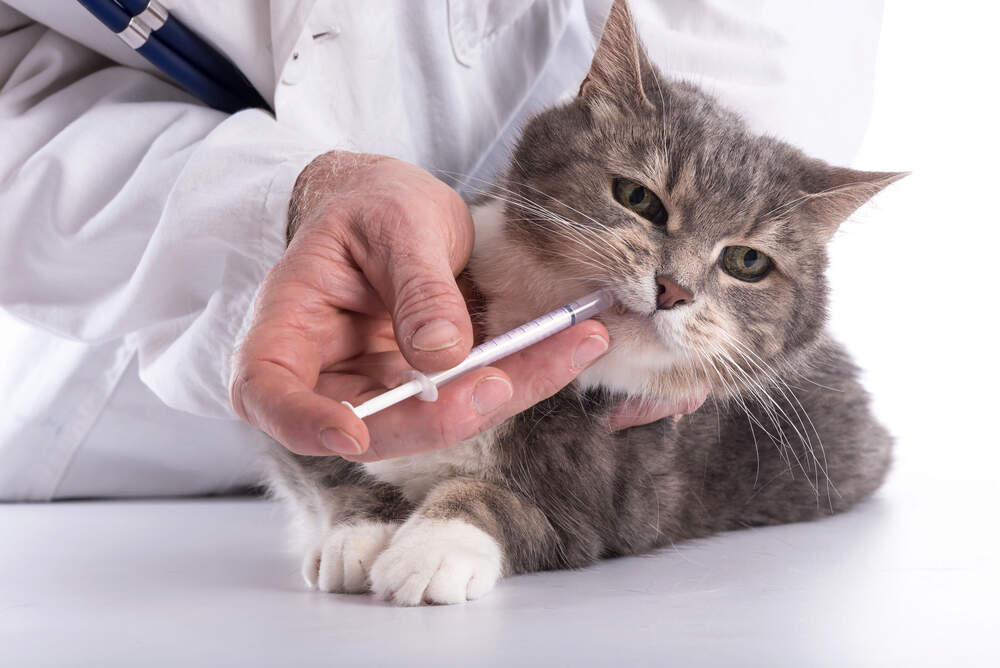
Hold your cat gently but firmly. Let your cat smell the syringe first. Place the syringe near their mouth slowly. Do not force the syringe into the mouth. Let your cat get used to it.
Administering The Food Slowly
Push the plunger slowly and gently. Give small amounts of food at a time. Pause often to let your cat swallow. Watch for any signs of discomfort. Slow feeding prevents choking and stress.
Monitoring Your Cat’s Response
Observe your cat’s behavior during feeding. Look for signs of distress or refusal. If your cat pulls away, stop for a moment. Praise your cat when it accepts food. Adjust speed and position as needed.

Credit: mrfrs.org
Common Challenges And Solutions
Syringe feeding a cat can be tough. Many cat owners face challenges that make the process stressful. Knowing common problems helps you feed your cat safely and calmly. Below are some common challenges and simple solutions.
Dealing With Resistance
Cats often resist syringe feeding. They may bite, squirm, or pull away. Hold your cat gently but firmly. Wrapping your cat in a towel can stop scratching. Speak softly to keep your cat calm. Try feeding small amounts slowly. Patience is key.
Avoiding Choking Or Aspiration
Choking and aspiration are serious risks. Always feed your cat slowly. Use a syringe with the right size tip. Hold the syringe at a slight angle. Never force food into the throat. Stop if your cat coughs or gags. Let your cat swallow before the next bite.
Managing Stress For You And Your Cat
Stress makes feeding harder for both of you. Create a quiet, safe space for feeding. Keep your voice calm and steady. Take breaks if either of you feels tense. Use gentle strokes to relax your cat. Stay patient and positive throughout the process.
Aftercare Tips
After syringe feeding your cat, proper care helps keep things smooth and safe. Small steps make a big difference. These tips protect your cat’s health and comfort. Follow these easy aftercare steps to ensure your cat stays happy and healthy.
Cleaning The Syringe
Rinse the syringe right after feeding. Use warm water and mild soap. Avoid harsh chemicals that can harm your cat. Clean every part well to stop bacteria growth. Let the syringe air dry completely before storing.
Rewarding Your Cat
Give your cat a gentle pet or soft words after feeding. Offer a small favorite treat if allowed. This builds trust and makes feeding less stressful. Keep rewards calm and simple to avoid overwhelming your cat.
Tracking Feeding Progress
Write down how much your cat eats each time. Note any changes in appetite or behavior. Track weight to see if your cat gains or loses. Share this information with your vet for better care.
Credit: www.adamspetcare.com

Credit: allpetcareanimalhospital.com
Frequently Asked Questions
How Do I Prepare A Syringe For Feeding My Cat?
Use a clean syringe and fill it with prescribed liquid food or medication before feeding.
What Is The Best Position To Hold My Cat During Syringe Feeding?
Hold your cat gently but firmly, with their head slightly raised to avoid choking.
How Can I Prevent My Cat From Biting The Syringe?
Keep the syringe tip small, feed slowly, and offer gentle praise to calm your cat.
How Often Should I Syringe Feed My Cat?
Follow your vet’s instructions; usually, syringe feeding is done several times daily if needed.
What Signs Show My Cat Is Not Eating Well With A Syringe?
Look for coughing, gagging, or refusal to swallow; these need immediate veterinary attention.
Can I Use Homemade Food For Syringe Feeding My Cat?
Only use homemade food approved by a vet to ensure it meets your cat’s needs.
Conclusion
Syringe feeding a cat takes patience and care. Start slow and be gentle to avoid stress. Watch your cat’s reaction and adjust as needed. Clean the syringe after each feeding to keep it safe. Regular feeding helps your cat stay healthy and strong.
Practice makes this process easier for both of you. Remember, your calm attitude helps your cat feel safe. Keep trying, and your cat will get used to it. This simple care can make a big difference in your pet’s life.
As an Amazon Associate, I earn from qualifying purchases.