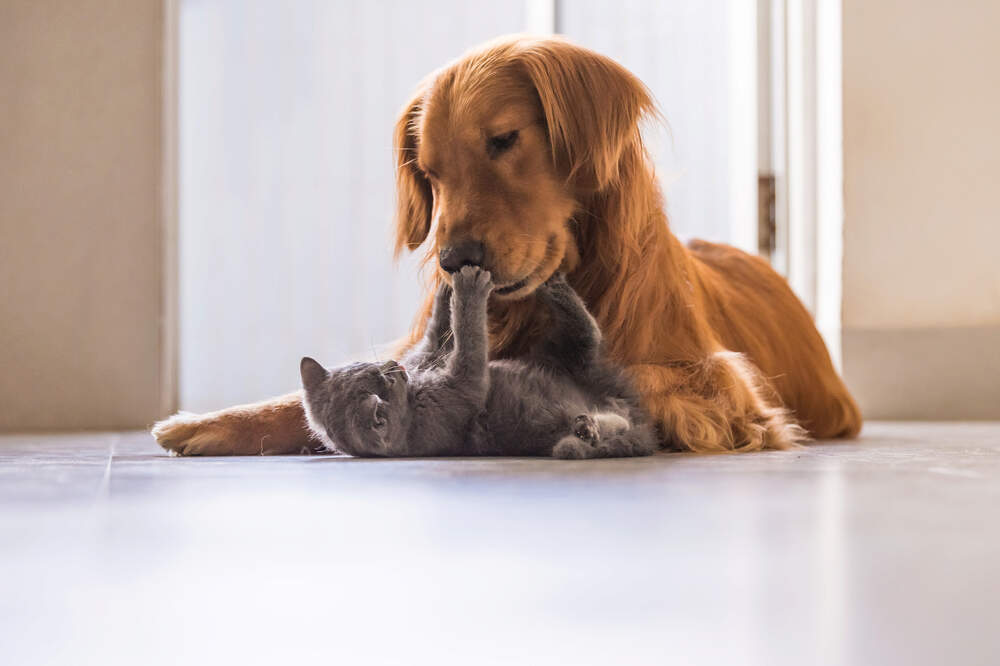
Is your dog constantly chasing or attacking your cat? You’re not alone, and it can be really stressful to see your furry friends at odds.
But the good news is, you can change this behavior. Understanding why your dog acts this way is the first step to creating a peaceful home for both pets. Keep reading, and you’ll discover simple, effective ways to stop the fights and bring harmony back to your household.
Your dog and cat can live together happily—you just need the right approach.

Credit: www.wikihow.com
Recognize Aggression Triggers
Recognizing what makes your dog aggressive toward your cat is key to stopping attacks. Dogs often show certain behaviors before they act out. By spotting these early signs, you can intervene and keep both pets safe. Understanding triggers helps you manage your dog’s reactions better.
Common Causes Of Dog Aggression
Dogs may attack cats due to fear or protectiveness. Some dogs see cats as threats or prey. Territorial behavior plays a big role. Dogs might also act out if they feel stressed or anxious. Lack of socialization with cats can lead to aggression. Sometimes, past bad experiences cause fear-based attacks.
Signs Your Dog Is About To Attack
Watch for stiff body posture and raised fur. Growling or snarling shows rising aggression. Intense staring at the cat signals trouble. Ears pinned back or forward indicate focus. Tail position changes, like a high or stiff tail. Sudden lunging or snapping moves are clear warnings. Recognizing these signs early can prevent an attack.
Credit: www.comfortzone.com
Create Safe Spaces
Creating safe spaces helps keep your dog and cat calm and secure. It reduces stress and stops fights before they start. Both pets need their own quiet areas to relax and feel safe. This approach helps them learn to live together peacefully over time.
Separate Areas For Each Pet
Give each pet a special space to call their own. Your cat needs a quiet spot away from the dog. A cozy bed or a small room works well. The dog should have a separate area too. This keeps them apart and lowers chances of conflict.
Make sure these spaces are easy to access but not shared. Your cat might like a high perch or a small hideout. The dog might enjoy a comfy crate or a corner with toys. Each pet feels safe and less threatened in their own zone.
Use Barriers And Gates
Use barriers like baby gates to divide your home. Gates stop the dog from chasing the cat. They allow pets to see and smell each other safely. This helps them get used to each other slowly.
Barriers also create a controlled environment for training. You can correct your dog without risking a chase. The cat can retreat quickly if it feels scared. This builds trust and helps reduce aggressive behavior.
Training Techniques
Training techniques play a key role in stopping your dog from attacking your cat. These methods help your dog learn good behavior and feel calm around the cat. Patience and consistency matter most.
Start training early and keep sessions short. Use positive rewards like treats and praise. Avoid punishment as it can cause fear or aggression. Focus on clear commands and calm responses.
Basic Obedience Commands
Teach your dog simple commands like “sit,” “stay,” and “leave it.” These commands help control your dog’s actions near the cat. Practice daily in different places with distractions.
Use a firm but kind voice. Reward your dog immediately after following commands. This builds trust and understanding. Over time, your dog will listen better and behave calmly around the cat.
Desensitization And Counterconditioning
Desensitization means slowly exposing your dog to the cat. Start with the dog at a distance where it feels calm. Gradually reduce the distance over several sessions.
Counterconditioning changes your dog’s feelings about the cat. Give treats or toys when the dog sees the cat but stays calm. This links the cat to good things instead of fear or anger.
Keep sessions short and positive. If your dog shows signs of stress, take a step back. Repeat often to help your dog accept the cat peacefully.

Credit: www.youtube.com
Supervised Introductions
Introducing your dog to your cat needs care and attention. Supervised introductions help both pets feel safe. These controlled meetings reduce fear and aggression. They build trust step by step. Patience is key for a peaceful home.
Controlled Meeting Tips
Start in a quiet room with no distractions. Keep your dog on a leash. Let the cat move freely but watch closely. Use calm voices to soothe both animals. Reward good behavior with treats and praise. Stop the meeting if either pet shows stress. Keep sessions short and positive. Repeat often to build comfort.
Gradual Exposure Strategies
Begin with short, separate times near each other. Let your dog see the cat behind a barrier. Swap bedding or toys to share scents. Slowly allow closer contact over days or weeks. Always watch body language for signs of tension. Increase the time they spend together slowly. Make each meeting calm and safe. This helps reduce fear and aggression.
Manage Environmental Factors
Managing environmental factors is key to stopping your dog from attacking your cat. Simple changes in your home can reduce tension and prevent fights. A calm, organized space helps both pets feel safe and secure.
Remove Toys And Food Conflicts
Dogs and cats can become aggressive over toys or food. Take away toys that cause fights. Keep pet toys separate for each animal. Avoid shared feeding bowls to stop competition. Remove any food left out after meals. This limits reasons for your dog to attack your cat.
Establish Feeding Routines
Set clear feeding times for both pets. Feed your dog and cat in different places. This keeps them focused on their own food. Consistent routines reduce stress and protect your cat. A regular schedule teaches pets to respect each other’s space.
Use Positive Reinforcement
Using positive reinforcement helps change your dog’s behavior toward your cat. It focuses on rewarding good actions instead of punishing bad ones. This method builds trust and encourages your dog to stay calm around the cat. Your dog learns what behaviors bring rewards, making attacks less likely. Patience and consistency are key to seeing results with positive reinforcement.
Reward Calm Behavior
Watch your dog carefully. When your dog stays calm near the cat, give a treat or praise. This tells your dog that calm behavior brings good things. Use a soft voice and gentle petting to reward your dog. Repeat this often to make calmness a habit. Over time, your dog will want to stay calm to earn rewards.
Redirect Aggressive Actions
If your dog shows signs of aggression, act quickly. Use a toy or treat to shift your dog’s attention away from the cat. This breaks the focus on the cat and stops aggression before it starts. Guide your dog to play or do a command like “sit” or “stay.” Reward your dog when it follows your redirection. This teaches your dog to choose positive actions over attacks.
Seek Professional Help
Stopping your dog from attacking your cat can be very hard. Sometimes, you need help from experts. Professionals understand animal behavior deeply. They can give advice and training that works. Seeking professional help can make your home safe and calm for both pets.
When To Consult A Trainer
A dog trainer knows how to teach dogs good behavior. Trainers use special techniques to reduce aggression. If your dog attacks your cat often, call a trainer. Trainers watch how your dog acts and guide you. They teach commands and ways to control your dog. Trainers help your dog learn to live peacefully with cats.
Veterinary Behaviorists
Veterinary behaviorists are vets with extra training in animal behavior. They understand why your dog acts aggressive. They can find if health problems cause the attacks. Sometimes, medication helps calm aggressive dogs. Behaviorists create a plan to change your dog’s behavior safely. Their advice is based on science and many years of experience.
Frequently Asked Questions
How Can I Stop My Dog From Chasing My Cat?
Train your dog with commands like “stay” and “leave it” to reduce chasing behavior.
Why Does My Dog Attack My Cat Suddenly?
Dogs may attack due to fear, jealousy, or territorial instincts.
Can Separate Feeding Areas Help Stop Dog-cat Fights?
Yes, feeding pets separately can reduce competition and tension.
How Long Does It Take To Stop Dog Aggression Towards Cats?
Consistency in training can show results in a few weeks.
Should I Use A Leash To Control My Dog Around Cats?
Using a leash helps manage your dog’s actions safely during introductions.
When Is It Best To Seek Professional Help For Dog Attacks?
Seek help if aggression is severe or training does not improve behavior.
Conclusion
Stopping your dog from attacking your cat takes patience and care. Consistent training helps your dog understand good behavior. Give both pets their own safe spaces to relax. Watch their interactions closely and separate them if needed. Reward calm and gentle actions to encourage peace.
Remember, building trust takes time and effort. Stay calm and patient during the process. A peaceful home is possible with steady work and love.
As an Amazon Associate, I earn from qualifying purchases.