Have you ever wondered what happens when a coyote attacks a cat? It’s a scary thought for any pet owner.
Understanding how a coyote kills a cat can help you protect your furry friend better. You’ll learn exactly what happens during these attacks and why they are so dangerous. Keep reading to discover key facts that every cat owner needs to know to keep their pets safe.
Credit: www.reddit.com
Coyote Hunting Behavior
Coyotes are skilled hunters with unique behaviors. They use sharp senses and clever tactics. Their hunting habits help them survive in many places.
Understanding how coyotes hunt explains why they can be a threat to small pets like cats. Their behavior changes depending on the environment and prey available.
Hunting Strategies
Coyotes hunt alone or in small groups. They rely on stealth and patience. They often stalk quietly and wait for the right moment to strike. Sudden bursts of speed help them catch prey quickly.
They use their strong jaws to bite and hold prey. Coyotes are mostly active at dawn and dusk. These times give them the best chance to surprise prey.
Preferred Prey
Coyotes eat many animals. They prefer rabbits, rodents, and small mammals. Cats can fall into their prey list, especially if left outside at night. They also eat birds and insects sometimes.
Food choice depends on what is easy to catch nearby. Coyotes adapt their diet based on availability. This helps them survive in different places.
Adaptability In Urban Areas
Coyotes live in cities and suburbs now. They find food in garbage and pet food left outside. They learn to avoid humans but still hunt pets like cats.
They use parks, alleys, and empty lots to move safely. Coyotes change hunting times to avoid people. This adaptability makes them a common urban predator.
How Coyotes Target Cats
Coyotes are skilled hunters that can easily target cats. They use their sharp senses and clever tactics to find and catch their prey. Understanding how coyotes target cats can help pet owners keep their animals safe.
Scent And Sound Detection
Coyotes have a strong sense of smell. They can detect a cat’s scent from far away. Even faint scents left on grass or fences attract them. Coyotes also listen carefully. They hear small noises like a cat’s footsteps or meows. These sounds guide them closer to their target.
Stalking Techniques
Coyotes move quietly and slowly when stalking. They keep low to the ground to avoid being seen. Coyotes watch the cat’s movements for a long time. They wait for the right moment to approach. Patience is key in their hunting style.
Ambush Tactics
Coyotes often use surprise attacks. They hide behind bushes or trees near where cats rest or play. Suddenly, they rush out to catch the cat off guard. This quick attack reduces the cat’s chance to escape. Coyotes rely on speed and surprise to succeed.
The Attack Process
The attack process of a coyote on a cat is quick and efficient. Coyotes rely on stealth and speed to catch their prey. They observe quietly before moving in for the attack. Understanding this process helps pet owners stay alert and protect their animals.
Initial Contact
The coyote approaches silently, using cover like bushes or tall grass. It watches the cat carefully, waiting for the right moment. The cat often does not notice the coyote until it is very close. Coyotes use surprise to their advantage.
Bite And Kill Methods
Once close, the coyote bites the cat, usually aiming for the neck or head. This bite is strong enough to quickly immobilize the cat. Coyotes may use their sharp teeth to hold the cat down. The goal is to stop the cat from escaping fast.
Duration Of Attack
The whole attack usually lasts less than a minute. Coyotes act fast to avoid danger or attracting attention. After the kill, the coyote often drags the cat to a safe spot. This speed helps the coyote protect its meal from other animals.
Cat Vulnerabilities
Coyotes are skilled hunters. Cats face many dangers around them. Their weaknesses make them easy targets. Understanding these weak points helps explain how coyotes catch cats.
Physical Weaknesses
Cats are smaller and lighter than coyotes. They have less strength to fight back. Their sharp claws and teeth may not stop a larger predator. Coyotes use strong jaws to bite quickly. Cats can get hurt fast in a struggle.
Behavioral Risks
Cats often roam alone, especially at night. They may not sense danger nearby. Coyotes hunt quietly and wait for chances. Cats that are careless or curious face more risk. Fear can freeze a cat instead of making it run.
Lack Of Escape Routes
Cats need places to hide or climb. Open yards or streets offer few safe spots. Coyotes chase cats into corners or fences. Without trees or shelters, cats have no way out. This traps cats and makes them easy prey.
Signs Of A Coyote Attack On Cats
Coyotes are wild animals with strong hunting skills. They can attack cats quickly and leave clear signs behind. Knowing these signs helps pet owners protect their cats and act fast.
Recognizing a coyote attack early can save your cat’s life. Pay close attention to injuries, behavior, and nearby tracks.
Injury Patterns
Coyote bites usually target the neck and head. Deep puncture wounds and torn skin are common. Cats may have broken bones or missing fur. Blood around the mouth or paws is a serious warning.
Behavioral Changes In Cats
After an attack, cats might hide or avoid people. They may show fear or aggression. Loss of appetite and trouble walking are signs. Cats often become restless and vocal if hurt.
Tracking Coyote Presence
Look for paw prints near your home or yard. Coyote tracks are larger than dog prints and have sharp claw marks. Scat with fur or bones may appear on paths. Howling or yipping sounds at night also indicate coyotes nearby.
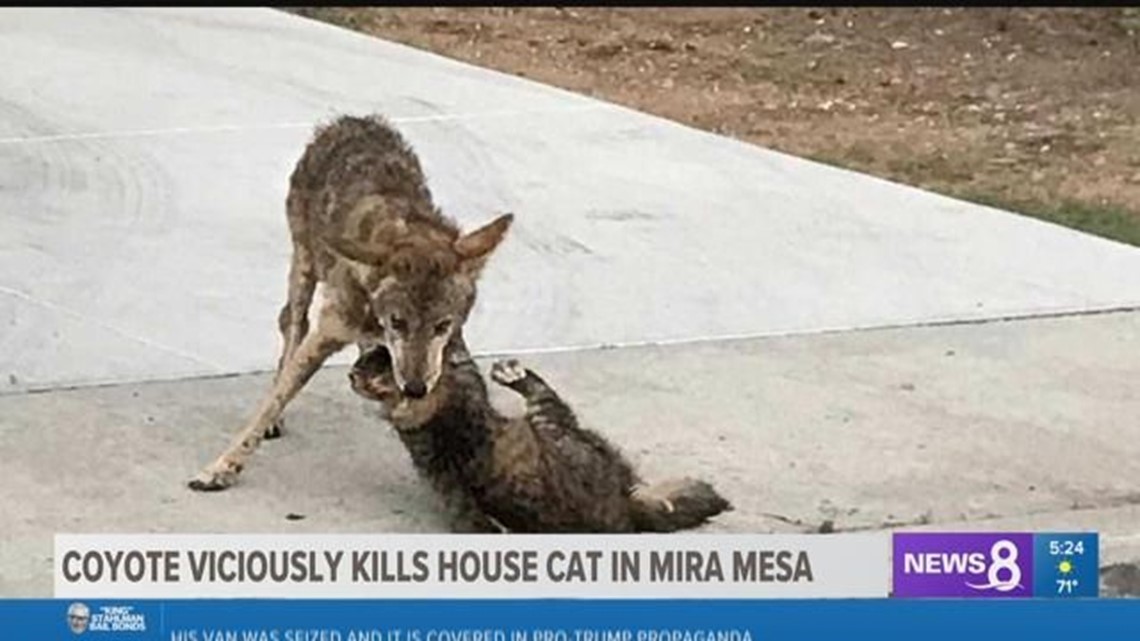
Credit: www.cbs8.com
Preventing Coyote Attacks
Preventing coyote attacks is key to keeping cats safe outdoors. Coyotes are wild animals that can be dangerous to small pets. Taking steps to protect your cat helps reduce risks and gives peace of mind. Simple changes around your home can make a big difference in keeping coyotes away.
Securing Outdoor Spaces
Fencing is the first line of defense. Use a tall fence at least six feet high. Make sure it has no gaps or holes. Bury the bottom of the fence to stop coyotes from digging underneath. Consider adding a coyote roller on top to prevent climbing. Keep your yard clean and free of food scraps. Remove bird feeders and pet food from outside.
Deterrent Methods
Motion-activated lights or sprinklers can scare coyotes away. Loud noises like radios or alarms also help. Use coyote repellent sprays around your yard edges. These sprays contain smells coyotes dislike. Walking your cat on a leash keeps it safe. Avoid letting your cat roam freely at dawn or dusk when coyotes are active.
Community Awareness
Talk with neighbors about coyote safety. Share tips and watch for coyote activity together. Report aggressive coyote behavior to local animal control. Join or start a neighborhood watch program. More eyes help keep the whole area safer. A community working together can reduce coyote attacks significantly.

Credit: archive.alleghenyfront.org
Frequently Asked Questions
How Do Coyotes Usually Attack Cats?
Coyotes use stealth and speed. They sneak close and quickly grab cats with their jaws.
What Body Parts Do Coyotes Target On Cats?
Coyotes often bite the neck or head to quickly immobilize cats.
Can Cats Defend Themselves Against Coyote Attacks?
Cats may scratch or hiss, but coyotes are stronger and faster, so defense is limited.
Why Do Coyotes Kill Cats Instead Of Other Animals?
Cats are easy prey because they are small, slow, and often alone outdoors.
How Can I Protect My Cat From Coyote Attacks?
Keep cats indoors, especially at night. Use fences and avoid leaving food outside.
Are Coyote Attacks On Cats Common In Urban Areas?
Yes, coyotes adapt well to cities and may hunt cats near homes and parks.
Conclusion
Coyotes use stealth and speed to catch cats quickly. They aim for the neck to stop their prey fast. Cats often cannot escape once a coyote attacks. Understanding this helps keep pets safe outdoors. Always watch your pets in areas where coyotes live.
Small changes in habits can protect your cat. Stay alert and act fast if you see a coyote nearby. Safety is the best way to prevent harm.
As an Amazon Associate, I earn from qualifying purchases.