If your cat has left an unwanted surprise on your leather couch, you know how tricky it can be to clean it up without damaging the material. The smell and stain can be stubborn, and you might worry about making it worse.
But don’t worry—you’re not stuck with that problem. You’ll discover simple, effective steps to remove cat pee from your leather couch quickly and safely. Keep reading, and you’ll learn how to protect your couch and keep your home fresh again.

Credit: www.wikihow.com
Identify The Stain
Identifying the cat pee stain on your leather couch is the first step in cleaning it effectively. You need to know exactly where the stain is and how bad it looks. This helps in choosing the right cleaning method and prevents further damage to your leather. Act fast and carefully examine the couch for signs of the stain.
Locate The Affected Area
Start by checking the couch closely. Cat pee may not always be visible right away. Look for discoloration, damp spots, or changes in the leather texture. Use your nose too. Cat urine has a strong smell that can help find hidden stains. Don’t miss any corners, seams, or crevices where the stain might hide.
Assess The Stain Severity
After locating the stain, check how deep it goes. Is the leather just wet on the surface or soaked through? Light stains need quick surface cleaning. Deep stains may have soaked into the leather and padding. Severe stains can cause long-lasting odor and damage. Knowing the severity guides you to pick the right cleaning steps and products.
Gather Cleaning Supplies
Before cleaning cat pee from a leather couch, gather the right supplies. Proper tools help remove stains and protect leather. Being prepared saves time and prevents damage.
Leather-safe Cleaners
Choose cleaners made for leather surfaces. Avoid harsh chemicals that can dry or crack leather. Mild soap or special leather cleaner works best. Test on a small area first to check for color change.
Absorbent Materials
Use soft cloths or paper towels to blot the pee. Do not rub, as it spreads the stain. Have cotton balls or microfiber cloths ready for gentle cleaning. Absorbent materials help soak up moisture quickly.
Protective Gear
Wear gloves to protect your hands from bacteria and cleaning agents. Use old clothes or an apron to avoid stains on your clothes. A mask can help reduce smell while cleaning.
Initial Cleanup Steps
Cleaning cat pee from a leather couch needs quick action. The first steps are very important to stop stains and smells. You must act fast to protect your couch. These initial cleanup steps help keep your leather in good shape. Follow simple methods to reduce damage and keep your couch fresh.
Blotting The Stain
Start by blotting the stain with a clean cloth. Press gently to absorb the urine. Do not rub, as this can spread the stain. Use a soft, dry cloth or paper towel. Change the cloth as it gets wet. Keep blotting until no more urine comes up. This step removes liquid and stops deep stains.
Avoiding Spread
Stop the stain from spreading on your leather couch. Work only on the stained area. Avoid pressing too hard or moving the cloth around. Use a small, clean cloth for each blot. Keep the surrounding leather dry. This prevents urine from soaking into other parts. Quick, careful action limits damage and keeps your couch cleaner.
Credit: www.dogster.com
Apply Cleaning Solutions
Applying the right cleaning solutions is key to removing cat pee from a leather couch. The solution breaks down the urine and stops the smell. Use gentle products made for leather to avoid damage. Test the cleaner on a small, hidden spot first. This ensures the leather stays safe and looks good after cleaning.
Using Vinegar And Water
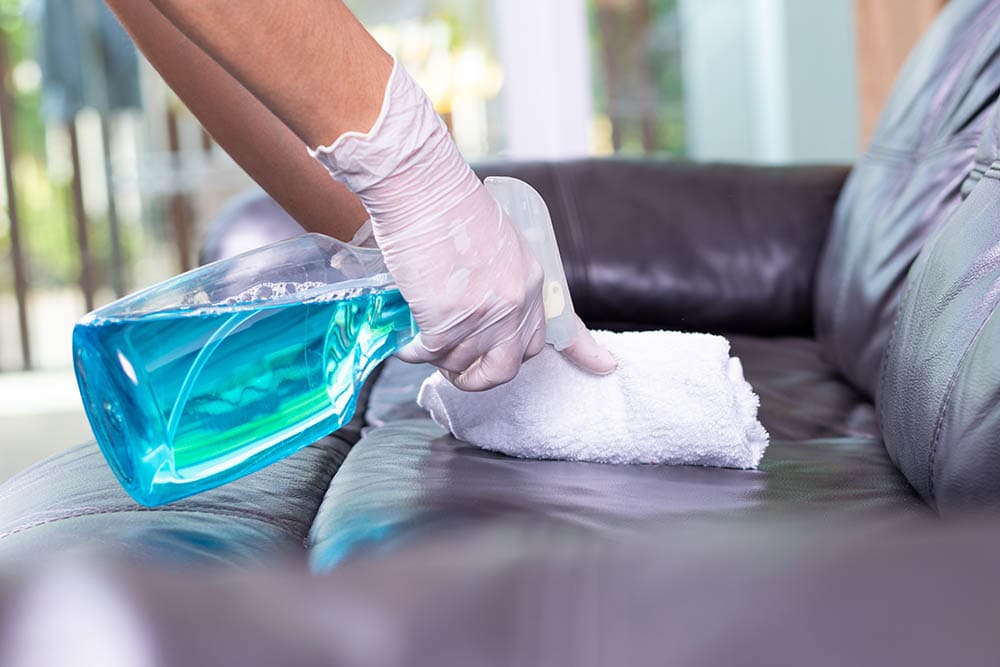
Mix equal parts white vinegar and water in a spray bottle. Spray the solution lightly on the stained area. Use a soft cloth to blot the urine stain gently. Vinegar neutralizes the odor and cleans the leather without harsh chemicals. Avoid soaking the leather, which can cause damage. Let the couch air dry after cleaning.
Commercial Leather Cleaners
Choose a commercial leather cleaner designed for pet stains. Follow the instructions on the product carefully. Apply the cleaner to the stained area with a soft cloth. These cleaners remove stains and odors effectively and protect the leather. Wipe the couch with a dry cloth after cleaning. This keeps the leather soft and shiny.
Diy Enzyme Cleaners
Enzyme cleaners break down the proteins in cat urine. Buy an enzyme cleaner safe for leather or make your own. Spray the enzyme cleaner on the affected area and let it sit. The enzymes work to remove the stain and smell deeply. Afterward, wipe the leather gently with a clean cloth. This method helps prevent your cat from marking again.
Remove Odor Effectively
Cat pee leaves a strong smell on leather couches. Removing this odor is important for a fresh, clean home. Simple household items help remove the smell deeply. These methods absorb and neutralize the odor effectively. Follow these easy steps to keep your couch smelling good again.
Baking Soda Application
Baking soda is a natural odor absorber. Sprinkle a generous layer on the affected area. Let it sit for several hours or overnight. This gives the powder time to soak up the smell. After resting, vacuum the baking soda carefully. Repeat if the odor still lingers. Baking soda is safe for leather and easy to use.
Activated Charcoal Use
Activated charcoal traps odor molecules well. Place small bags of charcoal near the couch. Keep them close to the stained spot for best results. Leave the bags for a day or two. The charcoal absorbs the urine smell silently and efficiently. This method works without touching the leather surface. Activated charcoal is a powerful, natural deodorizer.
Drying The Leather
After cleaning cat pee from your leather couch, drying is crucial. Wet leather can become damaged or warped. Proper drying keeps your couch looking good and lasting longer. Follow careful steps to dry the leather without harm.
Air Drying Techniques
Start by letting the leather dry naturally in a room with good air flow. Open windows or use a fan set on low. Move air helps moisture evaporate faster. Avoid placing the couch in direct sunlight. This can dry the leather too fast and cause cracks. Pat the wet spots gently with a soft cloth to remove excess moisture before air drying.
Avoiding Heat Damage
Never use a hair dryer or heater directly on the leather. High heat can make the leather stiff and brittle. It may also change the color of your couch. Keep heat sources at least a few feet away. Let the leather dry slowly at room temperature. This keeps the material soft and flexible. Heat damage is hard to fix, so patience pays off.
Conditioning The Leather
Leather can dry out and crack after cleaning cat urine. Conditioning the leather restores moisture. It keeps the couch soft and flexible. Proper conditioning also helps prevent stains from setting again. This step is key to maintain your leather couch’s look and feel.
Choosing The Right Conditioner
Select a conditioner made for leather furniture. Avoid products with wax or silicone. They can leave residue or damage leather. Look for natural oils like mink oil or lanolin. These nourish the leather without harming it. Test the conditioner on a small hidden spot first. Check for any color change or damage before full use.
Applying Conditioner Properly
Use a clean, soft cloth to apply conditioner. Dab a small amount on the cloth. Rub it gently into the leather in circles. Cover the entire affected area evenly. Let the conditioner soak in for 15 to 30 minutes. Wipe off any extra with a dry cloth. Repeat if the leather feels dry or stiff. Conditioning regularly keeps your couch soft and strong.

Credit: flameharbor.com
Prevent Future Accidents
Preventing future accidents on your leather couch is key to keeping it clean and fresh. Cats may return to spots they smell urine. Stopping this behavior early protects your furniture and reduces stress.
Behavioral Training Tips
Train your cat to use the litter box regularly. Keep the box clean and in a quiet place. Praise your cat when it uses the box. Avoid punishment; it may cause fear or confusion. Use gentle redirection to guide your cat away from the couch. Provide more litter boxes if you have many cats. Consider using calming sprays or diffusers to reduce anxiety.
Protective Couch Covers
Cover your leather couch with a waterproof protector. These covers stop urine from reaching the leather. Choose covers that are easy to remove and wash. Use materials that feel comfortable to your cat. Change and clean covers often to avoid odors. Protective covers can save your couch and your wallet. They add a layer of safety while training your cat.
Frequently Asked Questions
How Do I Remove Cat Pee Smell From A Leather Couch?
Use a mix of water and white vinegar to blot the area, then air dry.
Can Baking Soda Help Clean Cat Urine On Leather?
Yes, sprinkle baking soda to absorb moisture and odor, then vacuum after drying.
What Cleaning Products Are Safe For Leather Couch Urine Stains?
Choose mild soap or leather cleaner made for pets; avoid harsh chemicals.
How Soon Should I Clean Cat Pee On Leather?
Clean the spot immediately to prevent stains and strong odors from setting.
Will Leather Get Damaged By Cat Urine?
Yes, urine can stain and dry out leather if not cleaned quickly.
Should I Use Water Alone To Clean Cat Urine On Leather?
Water helps dilute urine, but vinegar or leather cleaner works better to remove smell.
Conclusion
Cleaning cat pee from leather takes patience and care. Act quickly to stop stains and smells. Use gentle cleaners made for leather to avoid damage. Dry the area well after cleaning. Repeat if needed to fully remove odor. Keep your couch smelling fresh and looking good.
Regular cleaning helps prevent future accidents. Your leather couch can stay clean and soft. Remember, small steps protect your furniture and home.
As an Amazon Associate, I earn from qualifying purchases.