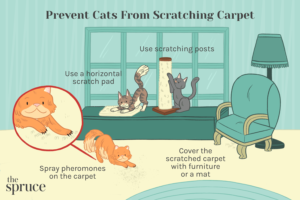
Is your carpet looking worn out because your cat just can’t stop scratching it? You’re not alone.
Cats naturally scratch to sharpen their claws and mark their territory, but that doesn’t mean your carpet has to suffer. Imagine enjoying a clean, scratch-free floor while your cat stays happy and healthy. You’ll discover simple, effective ways to stop your cat from scratching the carpet — methods that work without stress or frustration for you or your furry friend.
Keep reading to learn how to protect your home and keep your cat content at the same time.

Credit: www.amazon.com
Why Cats Scratch Carpets
Cats scratching carpets is a common issue for many pet owners. Understanding why cats do this helps solve the problem. Cats scratch to meet their natural needs. This behavior is normal and serves several purposes.
Instinct And Behavior
Scratching is a natural action for cats. It comes from their wild ancestors. Scratching helps cats stretch their muscles. It also keeps their claws sharp and ready.
Marking Territory
Cats use scratching to mark their space. Their paws release a scent only other cats can smell. This scent tells other cats, “This is my area.” Scratching helps cats feel safe and secure.
Nail Maintenance
Scratching removes the old layers of a cat’s claws. This keeps nails clean and healthy. It stops claws from getting too long or sharp. Scratching on soft surfaces, like carpets, feels good to cats.
Signs Your Cat Is Scratching Too Much
Cats scratch. It is normal behavior. But too much scratching can damage your home. It can hurt your cat too. Watch for signs that your cat scratches too much. These signs help you act before the problem grows.
Damaged Carpet Areas
Look closely at your carpet. Are there rough or torn spots? Scratched areas show where your cat claws often. These spots may look worn out or frayed. Damage can get worse fast if not stopped.
Cat’s Restlessness
Notice your cat’s mood and movement. A restless cat may scratch more. It may pace or seem nervous. Scratching might be its way to feel better. Restlessness means your cat needs help or attention.
Visible Claw Marks
Check your carpet for claw marks. They appear as lines or small cuts. Claw marks show your cat uses its claws on the carpet. These marks tell you scratching is frequent and strong.
Best Alternatives To Carpets
Stopping your cat from scratching the carpet needs good alternatives. Cats need places to scratch. Providing other options saves your carpet and keeps your cat happy. The best alternatives are easy to find and use.
Scratching Posts
Scratching posts are tall, sturdy, and covered in rough material. Cats love to stretch and scratch on them. Place the post near the carpet your cat scratches. This helps your cat switch to the post. Use posts made of sisal or wood for best results.
Cat Trees
Cat trees are fun and useful. They have multiple levels and places to scratch. Cats enjoy climbing and playing on them. A cat tree gives your cat a special area. It also keeps your cat active and entertained.
Cardboard Scratchers
Cardboard scratchers are cheap and easy to replace. Many cats like the texture of cardboard. These scratchers come in flat or curved shapes. Put them in spots your cat likes to scratch. Cardboard scratchers can save your carpet from damage.
Training Your Cat To Scratch Elsewhere
Training your cat to stop scratching the carpet means teaching it to scratch somewhere else. Cats need to scratch to keep their claws healthy and mark their space. Giving them the right place to scratch helps protect your carpet and keeps your cat happy.
Positive Reinforcement
Reward your cat when it uses the right scratching spot. Use treats or gentle praise to show you like the behavior. Positive reinforcement helps your cat learn faster and enjoy the new habit. Be patient and consistent to see good results.
Using Catnip
Catnip can attract your cat to a new scratching post or pad. Sprinkle catnip on the scratching surface to make it more appealing. Your cat will want to scratch there because it smells nice and feels good. This trick encourages your cat to choose the right place.
Redirecting Behavior
When your cat starts scratching the carpet, gently move it to the scratching post. Do this every time without punishment. Offer a toy or treat to keep your cat interested in the new spot. Over time, your cat will learn to scratch only where you want.
Protecting Carpets From Scratching
Protecting your carpet from cat scratching is key to keeping your home neat. Cats scratch to mark territory and sharpen claws. Stopping this habit on carpets saves your floor and keeps your cat happy.
Some tools and tricks help protect carpet areas without stress. These methods teach cats to avoid certain spots. Use them to guide your cat to better scratching places.
Carpet Covers And Mats
Carpet covers and mats shield areas cats like to scratch. They create a tough surface cats avoid. Clear plastic runners or rubber mats work well. Put these covers where scratching happens most. Change locations if your cat tries other spots. This method protects your carpet without harming your cat.
Deterrent Sprays
Deterrent sprays have smells cats dislike but are safe. Spraying carpet edges stops cats from scratching there. Choose sprays made for pets to avoid harm. Reapply often to keep smell strong. Cats learn to avoid sprayed areas over time. This technique helps protect your carpet without cages or barriers.
Double-sided Tape Tricks
Double-sided tape feels sticky and strange on cats’ paws. Place strips on carpet spots cats scratch. Cats dislike the sticky feeling and leave those areas. Tape works as a gentle reminder to stop scratching. Replace tape regularly for best results. This simple method saves your carpet and teaches your cat good habits.
Credit: www.reddit.com
Regular Nail Care For Cats
Regular nail care plays a big role in stopping cats from scratching the carpet. Cats use their nails to mark territory and stretch their muscles. Keeping nails trimmed reduces damage to carpets and furniture. It also helps your cat stay comfortable and healthy.
Routine nail care keeps nails short and less sharp. This makes scratching less harmful and less interesting for cats. You can manage nail care at home with some simple tools and patience.
Trimming Nails Safely
Trim your cat’s nails every two to three weeks. Use special cat nail clippers for the best results. Hold your cat’s paw gently and press the toe to extend the nail. Cut only the sharp tip. Avoid the pink part, called the quick, as it causes pain and bleeding.
Stay calm and speak softly during trimming. Stop if your cat becomes too stressed. Try again later or split the task into smaller sessions.
Using Soft Nail Caps
Soft nail caps cover your cat’s claws without trimming. They prevent damage while letting your cat scratch naturally. Apply the caps with non-toxic glue on trimmed nails. Replace them every four to six weeks as they fall off.
Nail caps are safe and painless. They offer a good option for cats who dislike nail trimming. Caps protect carpets and furniture from scratches effectively.
When To Seek Professional Help
Visit a vet or groomer if nail care feels too hard. Professionals have tools and skills to trim nails safely. They can also check for nail or paw problems.
Seek help if your cat’s nails grow too long or cause pain. Regular checkups keep your cat’s paws healthy. Professionals provide advice to improve your nail care routine.
Creating A Cat-friendly Environment
Creating a cat-friendly environment helps stop carpet scratching. Cats need spaces that feel safe and fun. They use scratching to mark territory and stretch muscles. Offering better options keeps your carpet safe and your cat happy.
Providing Toys And Activities
Toys keep cats busy and reduce boredom. Use balls, feather wands, and puzzle toys. Rotate toys to keep interest high. Scratching posts with different textures attract cats. Offer climbing trees or shelves for exercise.
Establishing Playtime Routines
Regular playtime helps release energy. Cats like short, frequent sessions. Play before meals to mimic hunting. Use interactive toys to engage your cat. This reduces unwanted scratching from excess energy.
Ensuring Comfortable Resting Spots
Cats love cozy, quiet places to rest. Provide soft beds near windows or warm spots. Cats scratch to mark resting areas. Comfortable spots reduce the need to mark carpets. Change bedding often to keep it fresh.

Credit: www.amazon.com
Frequently Asked Questions
Why Does My Cat Scratch The Carpet So Much?
Cats scratch to mark territory, stretch muscles, and keep claws sharp.
How Can I Protect My Carpet From Cat Scratches?
Use carpet protectors, double-sided tape, or place scratching posts nearby.
What Type Of Scratching Post Stops Carpet Scratching?
Tall, sturdy posts with rough surfaces like sisal attract cats best.
Can Trimming My Cat’s Nails Reduce Carpet Damage?
Yes, regular nail trimming lowers scratching damage and keeps claws dull.
Does Using Catnip Help Redirect Scratching Behavior?
Catnip attracts cats to posts, encouraging scratching there instead of carpet.
How Long Does It Take To Stop A Cat Scratching Carpet?
With patience and training, changes usually happen within a few weeks.
Conclusion
Stopping a cat from scratching the carpet takes time and patience. Offer your cat good alternatives like scratching posts or pads. Use gentle training and rewards to guide their behavior. Keep your cat’s nails trimmed to reduce damage. Protect your carpet with covers or sprays made safe for pets.
Remember, your cat scratches to feel good and stay healthy. Help them do it the right way, and your home stays nice too. Small changes make a big difference for you and your cat.
As an Amazon Associate, I earn from qualifying purchases.