Thinking about surrendering your cat but worried about the cost? You’re not alone.
Letting go of a pet is never easy, and the last thing you want is surprise fees adding to your stress. Understanding how much it really costs to surrender a cat can help you make the best decision for both you and your furry friend.
Keep reading to find out what expenses you might face and what options are available to make this process as smooth as possible. Your peace of mind and your cat’s well-being matter most.
Surrender Fees At Animal Shelters
Surrendering a cat to an animal shelter often involves a fee. This fee helps cover the cost of caring for the cat. Shelters rely on these fees to provide food, medical care, and shelter. Understanding surrender fees helps pet owners prepare for this process.
Typical Fee Range
Surrender fees usually range from $25 to $75. Some shelters may charge less, while others charge more. The fee depends on the shelter’s location and resources. This fee is a one-time payment when giving up the cat. It helps the shelter care for the cat until adoption.
Factors Affecting Cost
Several factors influence surrender fees at shelters. The cat’s age can change the cost; kittens often cost more. Medical needs also affect the fee, especially if the cat needs treatment. Some shelters charge extra for vaccinations or spaying. Local shelter policies and funding also impact fees. Each shelter sets fees based on its budget and care standards.
Credit: www.mybeevet.com
Costs At Rescue Organizations
Surrendering a cat to a rescue organization often involves some costs. These fees help the rescue care for the animal and find a new home. Each rescue sets its own rules and fees. Understanding these costs can help you prepare and avoid surprises.
Donation-based Surrenders
Many rescue groups ask for a donation instead of a fixed fee. This donation helps cover food, medical care, and shelter. The amount usually depends on the rescue’s needs. Some rescues accept any amount, while others suggest a minimum donation. Donations keep rescues running and support more animals.
Additional Expenses To Expect
Besides donations, some rescues may charge for vet visits or vaccinations. You might also pay for spaying or neutering your cat before surrender. Some rescues ask for proof of these services. Transportation or intake fees can add to the total cost. Knowing these extra costs helps you plan better.
Veterinary Expenses Before Surrender
Before surrendering a cat, veterinary expenses are important to consider. These costs can affect the total amount spent and the process of surrendering your pet. Many shelters require cats to have updated health records. This ensures the cat is safe to be placed in a new home. Preparing your cat with proper veterinary care helps the shelter manage its health better.
Vaccinations And Health Checks
Vaccinations protect cats from common illnesses. Shelters often ask for proof of vaccines before accepting a cat. Typical vaccines include rabies, feline distemper, and respiratory infections. Health checks confirm the cat is free from diseases. A vet visit may cost between $50 and $150. These costs can vary depending on the clinic and location.
Spaying And Neutering Fees
Spaying or neutering is necessary before surrendering a cat. Many shelters require cats to be fixed to control the pet population. Surgery costs range from $100 to $300. Low-cost clinics may offer discounts for these procedures. Completing this step can save money for the shelter and help your cat find a new home faster.
Credit: hsslc.org
Hidden Costs To Consider
Surrendering a cat involves more than just a fee. Many hidden costs can add up quickly. These extra expenses affect your total spending. Knowing them helps you plan better. It prevents surprises during the process.
Transportation And Travel
Taking your cat to the shelter or rescue takes time and money. You might need fuel for your car. Public transport can also cost money. Some shelters require appointments, meaning multiple trips. Long drives may need breaks for your cat’s comfort. These travel costs are easy to overlook but important.
Pet Supplies And Carriers
Your cat needs safe transport gear. A sturdy carrier is essential to avoid stress or injury. Carriers range in price, depending on size and quality. You may also need extra supplies like blankets or toys. These items keep your cat calm during travel. Buying these supplies adds to your overall surrender cost.
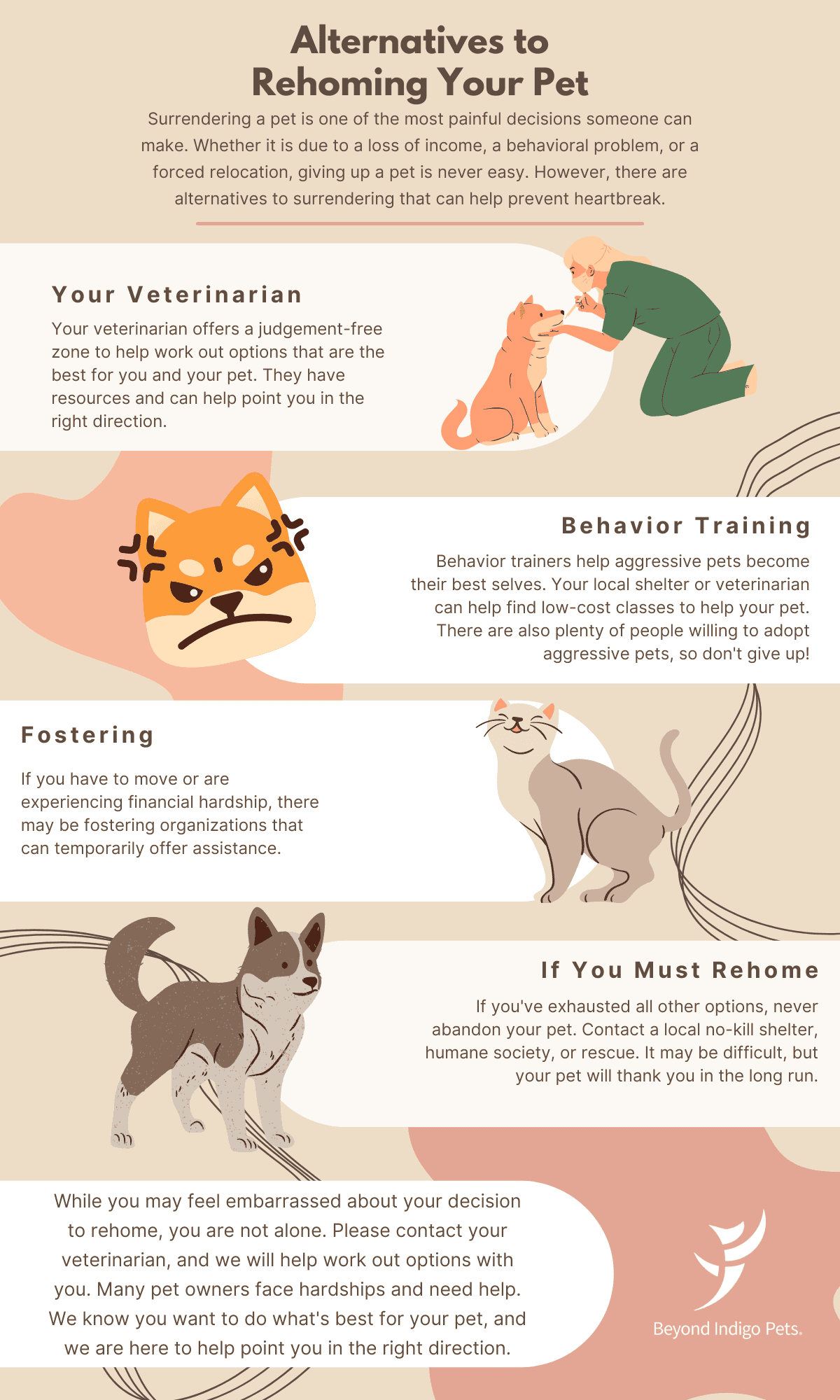
Alternatives To Surrendering
Surrendering a cat can be a hard choice. Many pet owners face this decision due to personal or financial reasons. Before surrendering, explore other options that keep your cat safe and cared for. These alternatives can help reduce stress for both you and your pet.
Rehoming Through Networks
Rehoming your cat through friends and family is a good option. People who know your cat may offer a loving home. Use social media groups or community boards to find potential adopters. This way, you keep your cat in a familiar environment. It also saves shelter costs and stress for your pet.
Temporary Foster Care Options
Temporary foster care can give you time to solve problems. Foster homes care for cats until a permanent home is ready. Many animal groups and shelters offer foster programs. This option helps if you face short-term issues like moving or illness. Your cat stays safe without being surrendered permanently.

Credit: www.hslm.ca
Financial Assistance Programs
Surrendering a cat can be costly. Many shelters charge fees for intake, vaccinations, and care. These expenses add up quickly. Financial assistance programs can help ease the burden. They make it easier to find a new home for your cat without big costs.
Nonprofit Support Services
Nonprofit organizations offer help to pet owners in need. They sometimes cover surrender fees or provide vouchers. Many focus on keeping pets with their families. Their aid can include food, medical care, and shelter fees. Contact local animal rescues for assistance options. These groups want to reduce pet homelessness and support owners.
Local Government Aid
Some city or county agencies offer pet surrender help. They may provide low-cost or free surrender options. Animal control offices often run these programs. They work to control stray animal populations. Check your local government website for details. These services help owners manage surrender costs during difficult times.
Frequently Asked Questions
How Much Does It Cost To Surrender A Cat?
The cost to surrender a cat varies from $20 to $75 depending on the shelter or rescue.
Are There Free Places To Surrender A Cat?
Some shelters accept cats for free, especially public or government-run ones.
What Factors Affect Cat Surrender Fees?
Fees depend on location, shelter policies, cat’s age, and vaccination status.
Can Surrender Fees Cover Cat Medical Care?
Yes, fees often help cover vaccinations, spaying/neutering, and basic health checks.
Is There A Difference In Cost For Stray Vs. Owned Cats?
Stray cats may have lower or no surrender fees compared to owned cats.
Can Surrender Fees Be Waived In Emergencies?
Some shelters waive fees during emergencies or for owners in financial hardship.
Conclusion
Surrendering a cat often comes with costs you should know. Fees vary by shelter and location, so plan ahead. Some places charge a small fee; others may not. Prepare your cat’s health records to make the process smoother. Remember, surrendering your cat is a big decision.
Take time to explore all options before deciding. Your cat’s well-being matters most in every step you take.
As an Amazon Associate, I earn from qualifying purchases.