Are you wondering how old your cat can be to get fixed? Whether you have a playful kitten or an older feline friend, knowing the right time for spaying or neutering is important for your cat’s health and happiness.
You might worry if your cat is too old for the surgery or if it’s still safe to do. This article will clear up those doubts and help you make the best choice for your furry companion. Keep reading to find out everything you need to know about the ideal age for fixing your cat and why it matters.

Credit: www.golfsouthayrshire.com
Ideal Age For Spaying And Neutering
Choosing the right time to spay or neuter your cat is very important. The ideal age affects your cat’s health and behavior. It also helps control the pet population. Knowing the best age helps you plan the surgery safely and easily.
Early Age Procedures
Many vets perform spaying or neutering as early as eight weeks old. This is called early age or pediatric spay/neuter. It is safe for healthy kittens. Early surgery helps prevent unwanted litters. It also reduces some health risks and unwanted behaviors.
Recommended Age Range
The common age for spaying or neutering is between four and six months. At this age, cats are usually big enough for surgery. Their organs have developed enough to handle anesthesia. Most shelters and clinics use this range for the procedure. It balances safety and effectiveness well.
Late Age Considerations
Older cats can still be spayed or neutered safely. The risks may increase slightly with age. Health checks are important before surgery in older cats. Spaying or neutering later in life still offers health and behavior benefits. Always consult a vet for older cats’ surgery plans.
Health Benefits Of Fixing Cats
Fixing cats offers many health benefits for your pet. It helps keep them safe and healthy throughout life. Spaying or neutering can prevent serious illnesses and improve quality of life. Understanding these benefits encourages responsible pet care.
Reducing Health Risks
Fixing cats lowers the risk of some cancers. Female cats avoid uterine and ovarian cancer. Male cats have less chance of testicular cancer. Spaying also prevents dangerous infections like pyometra. These health risks can be life-threatening if untreated. Surgery early in life reduces these dangers effectively.
Behavioral Improvements
Fixed cats often show calmer behavior. They roam less and stay safer indoors. Neutered males stop spraying strong odors to mark territory. Fixed females do not go into heat, reducing loud yowling. These changes make living with cats more peaceful. Behavioral improvements also reduce stress for pets.
Population Control Impact
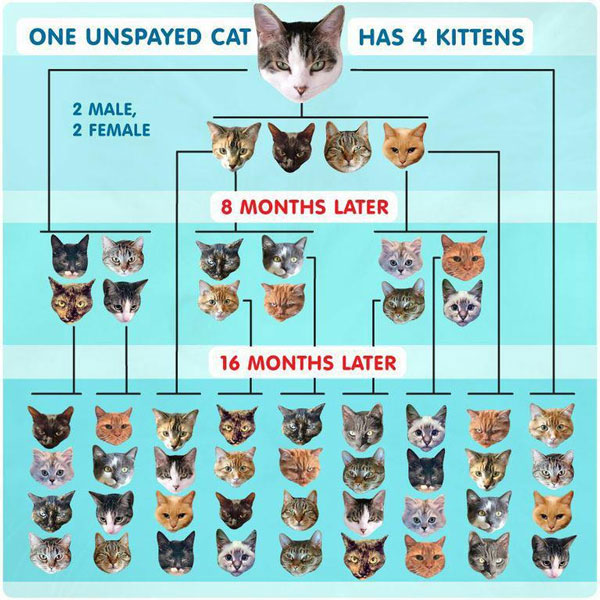
Fixing cats helps control pet overpopulation. It prevents unwanted litters that add to shelters. Reducing stray cats lowers risks of disease spread. Fewer homeless cats means better care for existing pets. Population control improves community health and safety. Responsible pet ownership starts with fixing cats.
Risks Of Spaying Or Neutering At Different Ages
Spaying or neutering cats is important for their health and behavior. The cat’s age can affect the risks of surgery. Different ages carry different challenges for the procedure and recovery. Understanding these risks helps pet owners make better choices.
Surgery Risks For Kittens
Kittens usually handle surgery well. Their small size means less tissue to cut. But very young kittens have fragile bodies. Anesthesia can be riskier for them. Their organs are still developing, so careful monitoring is needed. Surgeons must be experienced with young cats.
Older Cat Surgery Challenges
Older cats often have health issues. These can include heart or kidney problems. Such conditions increase surgery risks. Older cats may react poorly to anesthesia. Their healing process is slower. The vet may require extra tests before surgery. Surgery might be postponed if the cat is too weak.
Recovery Time Factors
Recovery depends on the cat’s age and health. Kittens usually heal quickly, with few complications. Older cats take longer to recover. They may need more rest and care. Pain management is important for all ages. Proper nutrition helps speed up healing. Monitoring the cat after surgery ensures a safe recovery.
Credit: www.varatmkittclinic.com
Special Cases And Exceptions
Some cats need special care before getting fixed. Age is not the only factor. Health, pregnancy, or rescue status can change the plan. Understanding these special cases helps owners and vets decide the best time.
Pregnant Cats
Spaying pregnant cats is possible but needs care. Vets check how far along the pregnancy is. Surgery may happen early to avoid risks. It helps prevent more kittens and health problems later.
Owners should talk to their vet about options. The vet can explain what is safest for the cat and her babies.
Cats With Health Issues
Sick or weak cats may need extra time before surgery. Vets test their health first. Sometimes, treatment comes before fixing to make surgery safer. Chronic conditions like heart or kidney problems need close monitoring.
Delaying spay surgery might be necessary until the cat is stronger. Every case is different. A vet’s advice is very important here.
Rescue And Shelter Guidelines
Shelters often spay cats regardless of age to control populations. They follow strict rules to keep cats healthy and safe. Even older cats get surgery if healthy enough. This helps reduce stray animals and saves lives.
Rescue groups assess each cat’s condition before surgery. They balance risks with benefits to protect the cat’s future.
Veterinarian Recommendations
Veterinarians provide clear advice on the best age to spay or neuter cats. Their recommendations help keep pets healthy and safe. Understanding their guidance ensures a smooth surgery experience for your cat.
Pre-surgery Evaluations
Vets check your cat’s health before surgery. They test for infections and overall wellness. Blood work and physical exams are common steps. These checks reduce risks during anesthesia and surgery.
Post-surgery Care Tips
After surgery, vets advise careful monitoring. Keep your cat calm and indoors. Watch for signs of pain or infection. Follow medication schedules exactly as prescribed. Proper rest helps your cat heal faster.
When To Consult A Vet
Contact your vet if your cat shows unusual behavior after surgery. Signs include swelling, bleeding, or loss of appetite. Early vet visits prevent complications. Always ask questions about your cat’s recovery.

Credit: rosavtomattorg.ru
Frequently Asked Questions
How Old Should A Cat Be For Spaying Or Neutering?
Cats can be fixed as early as 8 weeks old, but most vets recommend 4 to 6 months.
Can Older Cats Still Be Safely Neutered Or Spayed?
Yes, cats of any age can be fixed if they are healthy and cleared by a vet.
What Are The Risks Of Spaying An Older Cat?
Older cats may face higher anesthesia risks, but careful vet checks reduce problems.
Does Age Affect Recovery After Cat Spaying Or Neutering?
Older cats might recover slower, but proper care helps them heal well.
Is It Better To Fix Cats Before Or After Six Months?
Fixing before six months helps prevent unwanted litters and certain health problems.
Can Pregnant Cats Be Spayed Or Neutered Safely?
Spaying pregnant cats is possible but requires expert veterinary care and consideration.
Conclusion
Cats can be fixed at many ages, even when they get older. Early spaying or neutering helps avoid health and behavior problems. Older cats need a vet check before surgery. Recovery might take a bit longer, but most do well.
Talk to your vet to find the best time to fix your cat. Keeping cats fixed helps control the pet population and keeps them healthy. Don’t worry about age alone; focus on your cat’s overall health. Taking this step shows you care about your cat’s future.
As an Amazon Associate, I earn from qualifying purchases.