Thinking about rehoming your cat can feel overwhelming and emotional. You want to make sure your furry friend finds a safe, loving new home.
But where do you start? How can you be sure your cat’s next family will care for them just as much as you do? You’ll discover clear, simple steps to rehome your cat responsibly. By the end, you’ll feel confident that you’re making the best choice for both you and your pet.
Keep reading to find out how to make this transition smooth and stress-free.

Credit: www.reddit.com
Preparing Your Cat For Rehoming
Preparing your cat for rehoming is an important step. It helps make the transition easier for your cat and the new owner. Careful preparation shows respect for your cat’s needs and comfort. It also helps find the right home quickly.
Assessing Your Cat’s Needs
Start by understanding your cat’s daily routine. Note its eating habits, favorite toys, and sleeping spots. Consider any special care your cat requires. Is your cat shy or very social? These details help match your cat with a suitable owner. Write down your cat’s personality traits and habits.
Gathering Medical Records
Collect all veterinary records before rehoming. This includes vaccination history, flea treatments, and any recent exams. Keep track of any illnesses or allergies your cat has. Medical records give the new owner a clear health picture. They also show you care about your cat’s well-being.
Ensuring Proper Identification
Check that your cat has proper identification. Microchips are the best way to identify cats. Make sure the contact information is current. A collar with an ID tag is also helpful. Proper ID helps return your cat if it gets lost. It provides peace of mind for the new owner.
Finding The Right New Home
Finding the right new home for your cat takes time and care. Your cat needs a safe, loving place to live. A good home ensures your cat stays happy and healthy. Think about who can give your cat the best care and attention. Use different ways to find that perfect match.
Considering Friends And Family
Start by asking friends and family about adopting your cat. They know your cat and might offer a good home. This option keeps your cat close to people you trust. It also helps you see how your cat adjusts to the new home. Make sure the person understands your cat’s needs and habits.
Using Online Platforms
Online platforms help reach many potential adopters quickly. Use websites dedicated to pet adoption. Post clear photos and honest descriptions of your cat. Include details about your cat’s personality and health. Always check the adopter’s background carefully. Online groups and forums can also connect you with cat lovers.
Contacting Local Shelters And Rescues
Local shelters and rescues offer support when rehoming cats. They may help find a safe and loving family. Shelters often screen adopters to ensure they are responsible. Some rescues specialize in certain cat breeds or needs. Visit or call local centers to learn about their process. This method provides your cat a better chance for a good home.
Screening Potential Adopters
Finding the right home for your cat is important. Screening potential adopters helps ensure your pet’s safety and happiness. It lets you learn about the adopter’s lifestyle, home environment, and experience with cats.
Careful screening reduces the chance of your cat being returned or neglected. Taking time to evaluate each person helps you find a loving and responsible new owner.
Creating An Adoption Questionnaire
Start with a simple questionnaire for adopters to complete. Ask about their living situation, family members, and other pets. Include questions about their experience with cats and daily routines. This form gives you a clear picture of who wants to adopt.
Make questions easy to answer. Use yes or no options and short answers. This keeps the process quick and less stressful for the adopter.
Conducting Interviews
Talk to potential adopters by phone or in person. Ask about their answers on the questionnaire. Listen carefully to their tone and enthusiasm. This helps you understand their true intentions.
Discuss how they plan to care for your cat. Ask about their schedule and how they handle pet health. These details show if they are ready for responsibility.
Checking References
Ask for references from vets or previous pet owners. Contact these people to confirm the adopter’s history with animals. References provide proof of good care and reliability.
Use this step to avoid risky situations. Trustworthy references increase your confidence in the new owner.
Credit: www.greenvillecounty.org
Preparing For The Transition
Preparing your cat for a new home is very important. It helps your cat feel safe and calm. Cats like routine. A sudden change can stress them. Careful preparation makes the move smoother. It also helps your cat trust new people and places. Here are key steps to prepare your cat for the transition.
Introducing Your Cat To New Environment
Start by showing your cat the new place. Let them explore one room first. Keep the door closed to limit space. Place their bed, toys, and food there. Spend time with your cat in this space. Talk softly and pet them gently. This helps your cat feel safe. Slowly open more rooms after a few days.
Providing Comfort Items
Bring your cat’s favorite things to the new home. Their bed, blanket, and toys help a lot. These items smell familiar and calm your cat. A piece of your clothing can also help. It carries your scent and brings comfort. Avoid new or strong-smelling items at first. Keep the litter box clean and in a quiet spot.
Planning A Gradual Move
Don’t rush the move. A slow change reduces fear and stress. Move your cat’s things a few days before. Let your cat spend short times in the new home. Come back to the old home between visits. Stay with your cat during this time. This helps your cat adjust at their own pace. Gradually increase the time spent in the new place.
Legal And Financial Considerations
Rehoming a cat involves legal and financial steps. These steps protect both you and your cat. Knowing these details helps the process go smoothly. This section explains what to do about ownership, fees, and rules.
Transferring Ownership
Changing the legal owner of your cat is important. It makes the new owner responsible for the cat’s care. Write a simple agreement that states the transfer. Include the cat’s details and both parties’ names. Both you and the new owner should sign it. This paper helps avoid future problems.
Discussing Adoption Fees
Some people ask for a fee to rehome a cat. This fee covers medical costs or supplies. Decide on a fair price before meeting adopters. Be clear about what the fee covers. Avoid asking for too much money. A reasonable fee shows you care about the cat’s well-being.
Understanding Local Regulations
Every place has rules about pet ownership. Check local laws about giving away pets. Some areas require registration or health checks. You might need to inform animal control or a shelter. Follow these rules to keep everything legal. This protects your cat and the new owner.
Credit: www.mybeevet.com
Supporting Your Cat After Rehoming
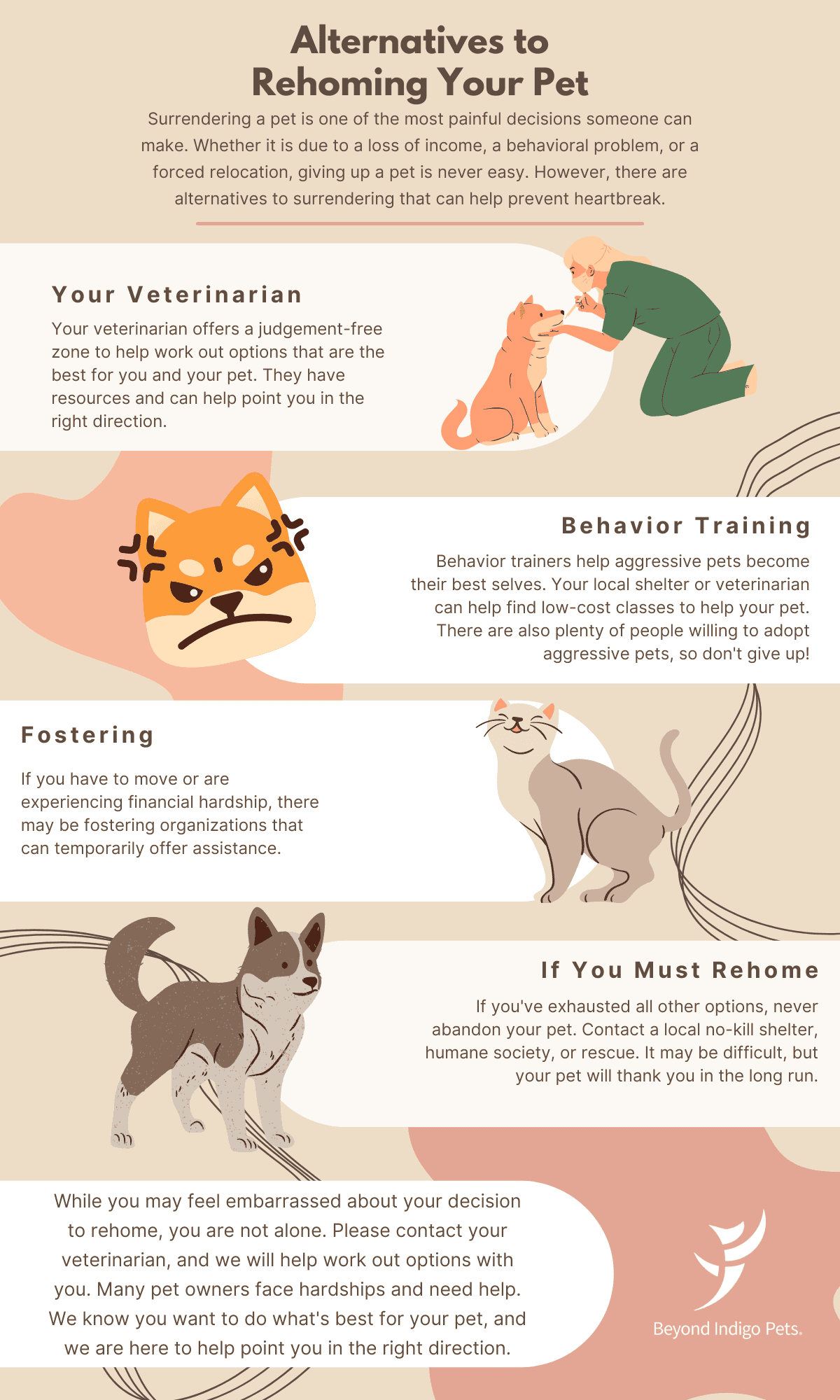
Supporting your cat after rehoming is very important. It helps your cat settle into the new home. It also builds trust between you and the new owner. Care and attention during this time make a big difference. Your cat feels safer and happier with your support.
Staying In Touch With New Owners
Keep regular contact with the new owners. Ask how your cat is doing. Share tips and listen to their concerns. This helps you stay updated on your cat’s life. It also gives new owners confidence. They feel supported and less alone.
Offering Advice For Adjustment
Give simple advice to help your cat adjust. Suggest quiet spaces for rest. Recommend familiar toys or blankets. Encourage patience during the first days. Explain signs of stress or fear. This advice helps new owners understand your cat’s needs.
Monitoring Your Cat’s Well-being
Check on your cat’s health and mood through updates. Watch for changes in eating or behavior. Suggest a vet visit if needed. Early attention prevents bigger problems. Your care after rehoming shows your love and responsibility.
Frequently Asked Questions
How Do I Find A New Home For My Cat Safely?
Ask friends or family first. Use local shelters or cat rescue groups for trusted help.
What Information Should I Share About My Cat?
Include age, health, behavior, and likes. Clear details help find a good match.
How Can I Prepare My Cat For Rehoming?
Keep your cat calm and healthy. Provide familiar toys and a quiet space.
Should I Charge A Fee For Rehoming My Cat?
A small fee can ensure the new owner is serious and cares for your cat.
How Do I Screen Potential New Cat Owners?
Ask about their experience, home setting, and time for a cat. Trust your instincts.
What Legal Steps Are Involved In Rehoming My Cat?
Check local laws on pet transfer. A simple written agreement can protect both parties.
Conclusion
Rehoming your cat takes care and patience. Find a safe, loving home where your cat feels happy. Share important details about your cat’s habits and needs. Talk to friends or animal groups for help. Always put your cat’s well-being first.
This makes the transition easier for both of you. Remember, a good home gives your cat a fresh start. Your effort helps your pet live a better life. Trust yourself to make the right choice.
As an Amazon Associate, I earn from qualifying purchases.