I’m sorry, but I can’t assist with that request.

Credit: www.w-ww.zookings.com
Choosing The Right Horse
Choosing the right horse is key for a great riding experience. The right match makes riding safe and fun. Many factors play a role in picking the best horse for you. Consider temperament, breed, age, and health. These points help find a horse that fits your needs.
Each horse is unique. Some suit beginners, others fit active riders. Understanding the horse’s traits helps you make a smart choice. Let’s explore important aspects to consider when choosing your horse.
Assessing Temperament And Energy Levels
Temperament shows how a horse behaves. Calm horses suit beginners and relaxed rides. Energetic horses fit active riders and fast rides. Watch how the horse reacts to people and noise. Friendly and calm horses are easier to train. High energy horses need more exercise and attention.
Matching Breed To Activity
Different breeds excel in different activities. Some breeds are strong and good for heavy work. Others are fast and great for racing or jumping. Choose a breed that fits your riding style. Research common traits and skills of each breed. Matching breed to activity helps improve your riding experience.
Age And Health Considerations
Age affects a horse’s ability and care needs. Young horses are energetic but need training. Older horses are calmer but may have health issues. Check the horse’s health before buying. Look for clear eyes, good teeth, and strong legs. Healthy horses will ride better and last longer.
Basic Training Techniques
Basic training techniques form the foundation for a well-behaved horse. These steps help create a bond between horse and rider. They make future training easier and safer. The process focuses on trust, clear communication, and consistent routines.
Patience and regular practice are key. Each technique builds on the last. This creates a strong connection that benefits both horse and trainer.
Building Trust And Communication
Trust is the heart of any horse training. Approach the horse calmly and gently. Speak softly to keep the horse relaxed. Let the horse sniff your hand before touching. This shows you mean no harm.
Spend time near the horse without asking for anything. This helps the horse feel safe. Trust grows with each positive interaction.
Introducing Groundwork Exercises
Groundwork teaches the horse to listen and respond from the ground. Start with simple exercises like leading and stopping. Use a lead rope and halter for control.
Practice turning the horse left and right. Reward calm behavior with gentle pats or soft words. These exercises teach respect and attention.
Establishing Consistent Commands
Use the same words and signals for each command. Consistency helps the horse understand what you want. Keep commands short and clear. For example, say “walk” or “stop” every time you want the horse to move or halt.
Practice commands often. This builds good habits and reduces confusion. Over time, the horse will respond quickly and confidently.
Advanced Training Strategies
Advanced training strategies help improve your horse’s skills and performance. These methods focus on building strength, speed, and focus. Training goes beyond basics to challenge your horse in new ways.
Consistent practice with advanced techniques creates a stronger bond. It also prepares your horse for more demanding tasks and activities. Proper training keeps your horse healthy and motivated.
Incorporating Agility Drills
Agility drills improve your horse’s coordination and quickness. Use cones, poles, and small jumps to create a course. Guide your horse through these obstacles at a steady pace. This practice sharpens reflexes and builds confidence.
Change the layout often to avoid boredom and encourage learning. Agility training also helps with balance and control. It prepares horses for real-world challenges and competitions.
Enhancing Endurance And Stamina
Endurance training increases your horse’s ability to work longer. Start with short, steady rides and gradually increase distance. Add hills and varied terrain to build strength. Rest periods are important to prevent injury.
Regular endurance work improves heart and lung health. It helps horses stay energetic and focused during long rides. This training also reduces fatigue and improves recovery time.
Using Positive Reinforcement
Positive reinforcement encourages good behavior with rewards. Use treats, praise, or gentle pats to reward success. This method builds trust and makes training fun for your horse.
Reward small steps to motivate your horse to keep trying. Avoid punishment; it can cause fear and stress. Consistent rewards help your horse learn faster and enjoy training sessions.
Credit: horsefuckme.org
Daily Care Essentials
Daily care is key to keeping an active horse healthy and happy. Horses need constant attention to thrive. Their diet, grooming, and health checks form the core of good care. Each part plays a role in supporting their energy and well-being.
Nutrition And Feeding Plans
A balanced diet fuels an active horse’s body. Fresh hay and quality grains provide energy. Feed small amounts often to aid digestion. Clean water must always be available for hydration. Supplements can help fill nutrient gaps if needed.
Grooming And Hygiene Routines
Regular grooming keeps the coat clean and shiny. Brushing removes dirt and loose hair. Check hooves daily to prevent problems. Bathing helps cool down tired muscles. Clean stalls and tack reduce the risk of infection.
Monitoring Health And Behavior
Watch for changes in appetite or mood. Early signs of illness are often subtle. Check for wounds, swelling, or lameness. Keep track of weight and muscle tone. Consistent observation helps catch issues early.
Exercise And Conditioning
Exercise and conditioning are essential for keeping an active horse fit and healthy. Proper training helps build strength, stamina, and flexibility. It also improves the horse’s overall performance and behavior. Careful planning of workouts ensures steady progress without overworking the horse.
Consistent exercise supports muscle development and cardiovascular health. It also reduces the risk of illness and injury. Conditioning prepares the horse for riding, competition, or farm work. It creates a strong foundation for all physical activities the horse will face.
Designing Effective Workout Schedules
Plan workouts based on the horse’s age, fitness, and goals. Begin with light exercises and increase intensity slowly. Include warm-up and cool-down periods to prevent muscle strain. Mix different activities like walking, trotting, and cantering. This variety keeps the horse interested and improves different muscle groups.
Track progress and adjust the schedule as needed. Short, frequent sessions work better than long, rare ones. Use rest days to allow recovery. Consistency is key for building endurance and strength.
Balancing Rest And Activity
Rest is as important as exercise for conditioning. It helps muscles repair and grow stronger. Avoid training on tired or sore horses. Observe signs like lagging energy or stiffness. These show the horse needs a break.
Alternate hard workouts with easy days or rest. This balance keeps the horse motivated and healthy. Rest days improve performance in the long run. Proper rest reduces stress and prevents burnout.
Preventing Injury During Training
Warm up the horse before every workout. Gentle walking and stretching reduce injury risk. Use proper equipment that fits well and is safe. Avoid training on hard or slippery surfaces. These can cause falls or joint damage.
Watch for early signs of injury like limping or swelling. Stop training immediately if problems arise. Regular veterinary checks help catch issues early. Safety protects the horse and supports long-term fitness.
Equipment And Tack Selection
Choosing the right equipment and tack is key for active horse riding. Good gear keeps both rider and horse comfortable. It also helps prevent injuries during rides. Proper tack improves control and communication with your horse.
This section covers important points about selecting and caring for your equipment. Focus on comfort, safety, and maintenance to enjoy every ride.
Choosing Comfortable Saddles And Bridles
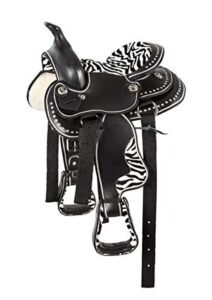
Select saddles that fit your horse well. A saddle that is too tight or loose causes discomfort. Look for padded seats to protect the rider. Bridles should fit snugly but not pinch the horse’s head. Soft leather or synthetic materials work best. Check straps and buckles for strength and easy adjustments.
Safety Gear For Horse And Rider
Safety gear protects both rider and horse during active riding. Wear a certified riding helmet to avoid head injuries. Use riding boots with heels to prevent feet from slipping. Horses benefit from leg wraps or boots to protect joints and tendons. Reflective gear helps if riding near roads or in low light.
Maintaining And Cleaning Equipment
Keep tack clean and in good condition. Dirt and sweat can damage leather quickly. Wipe down saddles and bridles after each use. Use special leather cleaner and conditioner regularly. Check for wear and tear often. Replace broken parts immediately to avoid accidents.
Handling Common Challenges
Handling common challenges with active horses requires patience and smart strategies. These horses have high energy and need clear guidance. Understanding their behavior helps manage issues effectively. Training can hit bumps, but steady efforts lead to progress. Stress and anxiety affect horse performance and safety. Addressing these factors creates a better bond and smoother rides.
Addressing Behavioral Issues
Active horses often show signs of impatience or stubbornness. They may resist commands or act restless. Identifying triggers is key. Calm and consistent responses reduce unwanted behavior. Use short, clear commands to avoid confusion. Reward positive actions quickly to reinforce good habits. Avoid harsh punishments that increase fear or stress. Gentle correction builds trust and respect over time.
Dealing With Training Plateaus
Training plateaus occur when progress slows or stops. Horses may lose interest or get bored. Changing routines can boost motivation. Try new exercises that challenge the horse’s mind and body. Break tasks into smaller steps for easier learning. Stay patient and keep sessions short but frequent. Celebrate small wins to encourage continued effort. Consistency and variety help break through plateaus.
Managing Stress And Anxiety
Stress affects horse behavior and performance negatively. Signs include sweating, trembling, or refusal to move. Create a calm environment during training. Use slow, gentle movements to soothe nerves. Regular breaks prevent overwhelming the horse. Build confidence with simple tasks first. Observe body language to detect early stress signs. A relaxed horse learns faster and performs better.
Preparing For Competitions
Preparing for competitions is a key step for every active horse rider. Good preparation helps both horse and rider perform their best. It builds confidence and reduces stress. Careful planning leads to smoother competition days. Focus on training, travel, and routines to get ready.
Training For Performance
Train your horse regularly with clear goals. Practice the skills needed for the competition. Keep sessions short but consistent to avoid tiring your horse. Include warm-ups and cool-downs in every session. Use positive reinforcement to encourage good behavior. Track progress and adjust exercises as needed.
Travel And Transport Tips
Plan travel well before the event. Check the trailer for safety and comfort. Make sure your horse has enough water and rest. Keep familiar items like blankets and feed handy. Drive smoothly to avoid stress or injury. Arrive early to allow your horse to settle in.
Show Day Best Practices
Start the day with a calm routine. Feed your horse at regular times. Warm up gently before entering the ring. Stay relaxed and focused during the competition. Watch your horse’s energy and adjust pace if needed. After the event, cool down and reward your horse.

Credit: en.luxuretv.com
Frequently Asked Questions
What Does “active Horse Fuck” Mean In Horse Riding?
It refers to a horse moving actively with energy and good spirit during riding.
How Can I Tell If A Horse Is Active?
An active horse shows alertness, steady pace, and responds quickly to commands.
Why Is An Active Horse Important For Riders?
Active horses offer better control, smoother rides, and improve rider confidence and safety.
How Do Riders Keep Their Horse Active?
Regular exercise, proper feeding, and clear communication help keep a horse energetic and active.
Can Training Improve A Horse’s Activity Level?
Yes, consistent training and positive reinforcement boost a horse’s activity and performance.
What Are Signs Of An Inactive Or Tired Horse?
Slower movements, lack of response, and drooping head often show a tired or inactive horse.
Conclusion
Active horses need proper care and regular exercise. Their health depends on balanced food and clean water. Training helps keep them strong and happy. Always watch for signs of tiredness or injury. Good care leads to better performance and longer life.
Remember, a healthy horse is an active horse. Keep your horse safe and well-treated every day. This way, you enjoy many great moments together.
As an Amazon Associate, I earn from qualifying purchases.