Have you ever wondered what makes a horse such a powerful and graceful animal? Understanding the anatomy of the horse can unlock secrets about its strength, speed, and endurance.
Whether you are a rider, a horse owner, or simply curious, knowing how your horse’s body works can help you care for it better and improve its performance. You will discover the key parts of a horse’s body and how they all work together.
Keep reading, and you’ll see your horse in a whole new light.
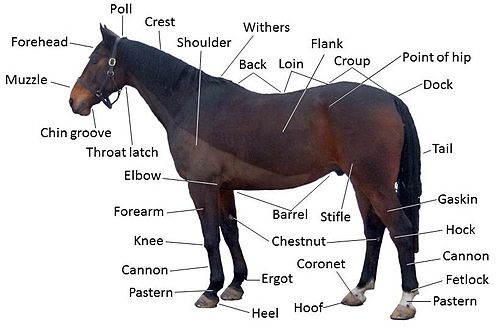
Credit: en.wikipedia.org
Skeletal Structure
The skeletal structure of a horse is the framework that supports its entire body. It gives shape and strength to the horse. This structure protects vital organs and allows movement. Understanding the horse’s skeleton helps in caring for its health and performance.
Major Bones
The horse has about 205 bones. The skull protects the brain and supports the face. The spine runs from the neck to the tail, holding the body upright. The ribs protect the heart and lungs. The limbs have long bones like the femur and humerus. The hooves are supported by small bones called the coffin bones.
Joint Functions
Joints connect bones and allow movement. They help the horse walk, run, and jump. Some joints bend, like the knee and hock. Others, like the pelvis, provide stability. Healthy joints are vital for smooth motion. Cartilage and fluid keep the joints cushioned and flexible.
Common Skeletal Issues
Horses can face many bone problems. Arthritis causes joint pain and stiffness. Fractures may happen from falls or accidents. Osteoporosis weakens bones and makes them fragile. Bone infections can cause swelling and lameness. Early care and regular check-ups help prevent these issues.
Muscular System
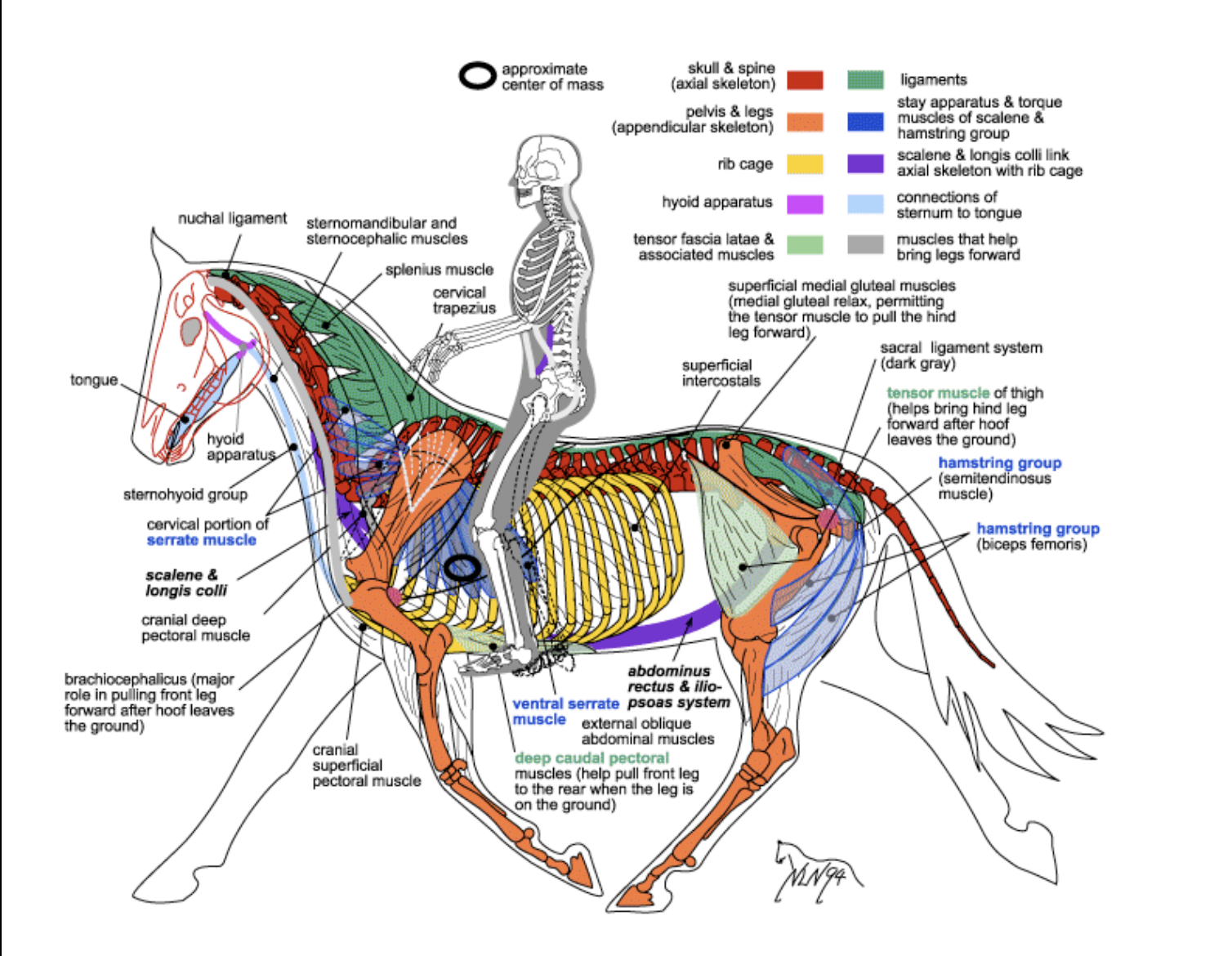
The muscular system is vital for a horse’s movement and strength. It allows the horse to run, jump, and carry loads. Muscles work with bones and joints to create smooth and controlled actions.
Strong muscles help horses perform well and stay healthy. Understanding the key muscles helps owners and riders care for their horses better.
Key Muscle Groups
Horses have large muscle groups in the neck, shoulders, and back. The gluteal muscles power the hind legs for running and jumping. The forearm muscles control the movement of the front legs. The abdominal muscles support the core and balance.
Each muscle group plays a unique role in movement and posture. Healthy muscles keep the horse agile and injury-free.
Muscle Movement
Muscles contract to create movement. They pull on bones to bend or straighten joints. Different muscles work together for complex actions like galloping or turning.
Strong, flexible muscles improve performance and reduce fatigue. Regular exercise helps muscles stay active and responsive.
Muscle Health Tips
Provide balanced nutrition with enough protein for muscle repair. Warm up the horse before exercise to avoid strains. Regularly stretch muscles to keep them flexible. Massage can improve blood flow and reduce soreness. Rest is crucial for muscle recovery after work.
Respiratory System
The respiratory system in horses plays a vital role in their health and performance. It allows oxygen to enter the body and carbon dioxide to leave. This exchange happens in the lungs and airways. Proper breathing supports energy and stamina, especially during physical activity.
Understanding how the respiratory system works helps in caring for horses. It also aids in spotting problems early. Healthy lungs mean a strong, active horse that can perform well.
Breathing Mechanics
Horses breathe through their nostrils, which filter and warm the air. Air travels down the trachea into the lungs. The lungs contain tiny sacs called alveoli, where oxygen and carbon dioxide swap places. The diaphragm muscle helps pull air in and push it out. Horses have a large lung capacity to support their size and activity level.
Exercise Impact
Exercise raises a horse’s breathing rate to deliver more oxygen. The heart and lungs work harder during running or jumping. Efficient breathing helps delay tiredness. Poor respiratory health can limit exercise ability. Monitoring breathing during and after exercise shows a horse’s fitness level and lung health.
Respiratory Care
Keep the horse’s environment clean and dust-free to protect lungs. Avoid smoky or dusty areas as much as possible. Regular veterinary check-ups catch respiratory issues early. Watch for coughing, nasal discharge, or labored breathing. Proper rest and hydration support lung recovery and health.
Digestive System
The horse’s digestive system is unique and vital for its health. It breaks down food into nutrients the body can use. Understanding this system helps keep horses healthy and strong.
Horses are grazing animals. Their digestive system is designed for constant eating and slow digestion. This process supports their energy and overall well-being.
Digestive Process
Horses start digestion in the mouth. Chewing breaks food into smaller pieces. Saliva helps soften the food for easier swallowing.
Food moves down the esophagus into the stomach. The stomach is small but powerful. It mixes food with acids and enzymes to break it down.
Next, food enters the small intestine. Here, nutrients like proteins and fats are absorbed. The large intestine ferments fibrous food, producing energy for the horse.
Nutritional Needs
Horses need a diet high in fiber. Grass and hay provide this fiber. Fiber keeps the digestive system working smoothly.
Water is essential. It helps move food through the digestive tract. Without enough water, horses can suffer from digestive problems.
Balanced minerals and vitamins support digestion. These nutrients help the horse absorb food properly. A good diet matches the horse’s workload and health.
Common Digestive Problems
Colic is a common and serious issue. It causes pain and discomfort in the abdomen. Colic can result from gas, blockages, or twisted intestines.
Ulcers are another problem. They occur when stomach acid damages the stomach lining. Stress and diet changes often cause ulcers.
Diarrhea and constipation also affect horses. Both disturb the normal digestive process. Early care and proper feeding prevent many issues.
Nervous System
The nervous system in horses controls their body and mind. It sends messages between the brain, spinal cord, and muscles. This system helps horses move, feel, and react to their environment. Understanding the nervous system reveals how horses think and behave.
Central And Peripheral
The central nervous system includes the brain and spinal cord. It processes information and controls the body’s actions. The peripheral nervous system connects the brain and spinal cord to the rest of the body. It sends signals to muscles and organs. This system helps horses respond quickly to changes.
Sensory Organs
Horses have strong senses that help them survive. Their eyes allow wide vision and detect movement. Ears pick up sounds from far away. The nose senses smells, and the skin feels touch and pain. These organs send signals to the brain for processing.
Behavioral Responses
The nervous system guides horse behavior. It triggers fight or flight reactions in danger. Horses use body language like ear and tail movements. Learning and memory happen through nervous system activity. This helps horses adapt to new situations and training.
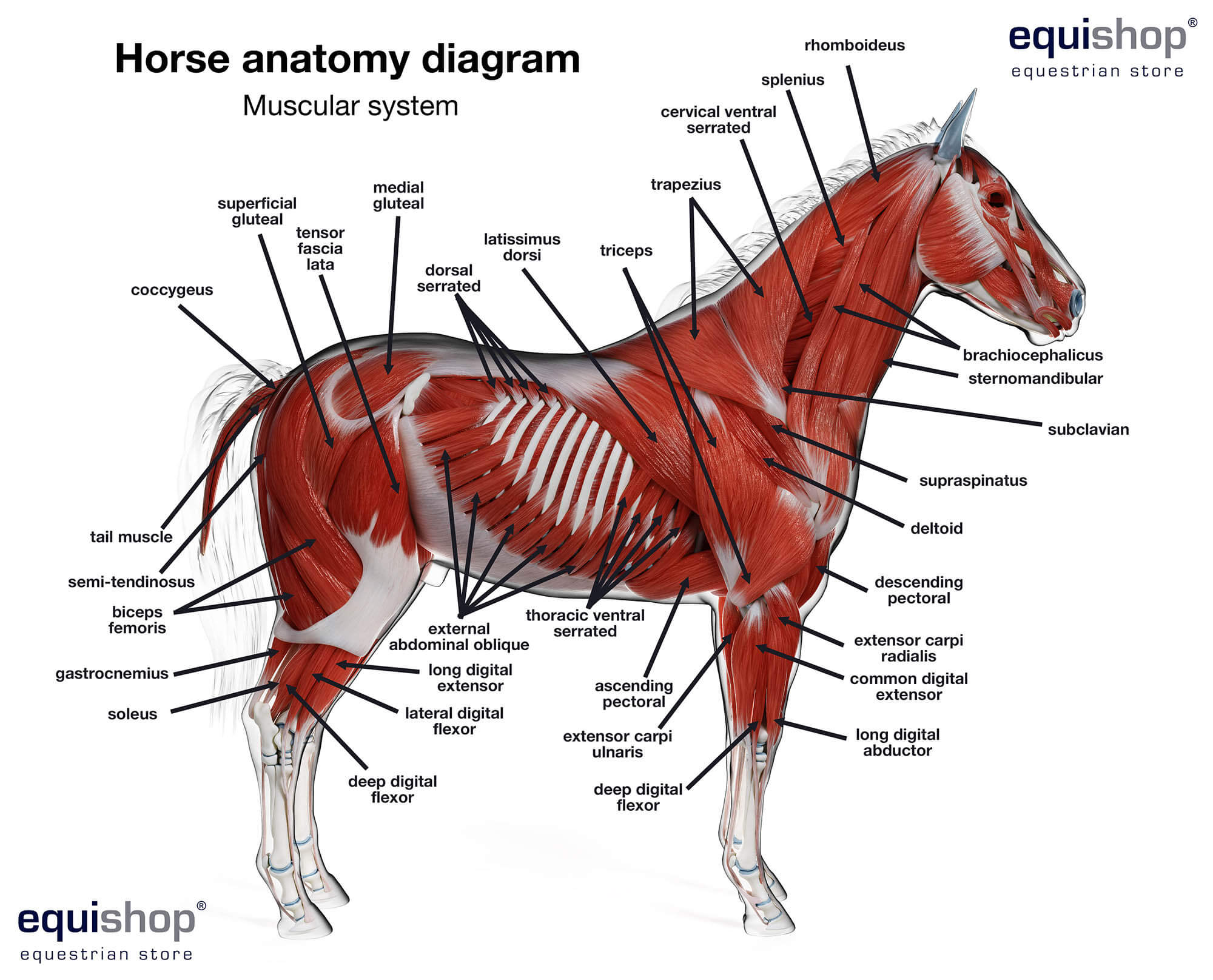
Credit: www.equishop.com
Hoof Anatomy
The hoof is a key part of a horse’s body. It supports weight and helps with movement. Understanding hoof anatomy helps keep horses healthy and strong.
The hoof is not just a hard shell. It has many parts that work together. Each part has a special role in protecting the foot and absorbing shock.
Hoof Structure
The hoof has several important parts. The outer wall is tough and protects the inside. The sole covers the bottom and keeps the foot safe. The frog is a soft, triangular part that helps with balance. Inside, the coffin bone gives shape and strength. Blood vessels and nerves run through the hoof, making it alive and sensitive.
Hoof Care
Regular hoof care is vital. Cleaning hooves daily removes dirt and stones. Trimming keeps the hoof shape correct. Shoeing may be needed to protect the hoof. A farrier trims and shoes hooves with skill. Healthy hooves prevent pain and injury. Proper care supports good movement and comfort.
Signs Of Hoof Problems
Watch for signs of hoof trouble. Limping or uneven steps can mean pain. Cracks or chips in the hoof wall are bad signs. A foul smell might show infection. Heat or swelling around the hoof is a warning. Early care helps avoid serious hoof problems.
Skin And Coat
The skin and coat of a horse play a vital role in its health and well-being. The skin acts as a protective barrier and helps regulate body temperature. The coat varies in type and texture depending on the horse’s breed and environment. Understanding the skin and coat helps in proper care and grooming.
Skin Functions
The skin protects the horse from injury and infection. It helps keep out harmful bacteria and parasites. The skin also controls body temperature by releasing sweat. It senses touch, heat, and cold through nerve endings. Healthy skin shows good overall health in a horse.
Coat Types
Horses have different coat types based on breed and season. Some have short, smooth coats while others have long, thick hair. Winter coats grow thicker to keep horses warm. Summer coats are usually thinner to help stay cool. Coat color and texture vary widely among horses.
Grooming Practices
Regular grooming keeps the coat clean and shiny. Brushing removes dirt, sweat, and loose hair. Grooming also improves blood flow to the skin. It helps spot wounds or skin problems early. Bathing is done occasionally to clean deeply. Proper grooming supports healthy skin and coat.
Credit: www.bevet.com
Common Injuries And Prevention
Horses are strong animals, but they can get hurt easily. Knowing about common injuries helps keep horses safe. Prevention is key to avoiding pain and long recovery.
Injuries often happen during work, play, or rest. Some injuries are mild, while others need quick care. Spotting early signs can save a horse’s health.
Injury Types
Sprains and strains affect muscles and ligaments. Cuts and bruises happen from sharp or hard objects. Tendon injuries can slow down or stop movement. Hoof problems cause pain and lameness. Bone fractures are serious and need expert care.
Early Signs
Watch for limping or uneven walking. Swelling and heat show inflammation. Changes in behavior may signal pain. Reduced appetite or energy means trouble. Stiffness after rest is a warning.
Preventive Measures
Provide proper warm-up before exercise. Use good footing to avoid slips. Keep stalls and pastures clean and safe. Regular hoof care prevents many problems. Balanced diet strengthens muscles and bones. Avoid overworking tired horses. Regular vet check-ups catch issues early.
Frequently Asked Questions
What Are The Main Parts Of A Horse’s Body?
A horse’s body includes the head, neck, trunk, legs, and tail. Each part has a special role.
How Does A Horse’s Skeletal System Support Its Movement?
The skeleton gives shape and support. It helps horses run fast and carry weight.
What Muscles Help A Horse Run And Jump?
Strong muscles in the legs and back power running and jumping. They give speed and strength.
How Does A Horse’s Heart And Lungs Work Together?
The heart pumps blood, and lungs provide oxygen. Together, they keep the horse active and healthy.
Why Is A Horse’s Digestive System Unique?
Horses digest food slowly in a long intestine. This helps them get energy from grass and hay.
What Senses Are Strongest In A Horse’s Anatomy?
Horses see well in the dark and hear sounds far away. Their smell helps them find food and friends.
Conclusion
Understanding the horse’s body helps us care for them better. Each part has a special job to keep horses strong and healthy. Knowing their bones, muscles, and organs shows how they move and live. This knowledge makes horse care safer and more kind.
Keep learning about horses to enjoy their company more. Their anatomy is a key to building trust and friendship. Simple facts can lead to a deeper bond with these amazing animals.
As an Amazon Associate, I earn from qualifying purchases.