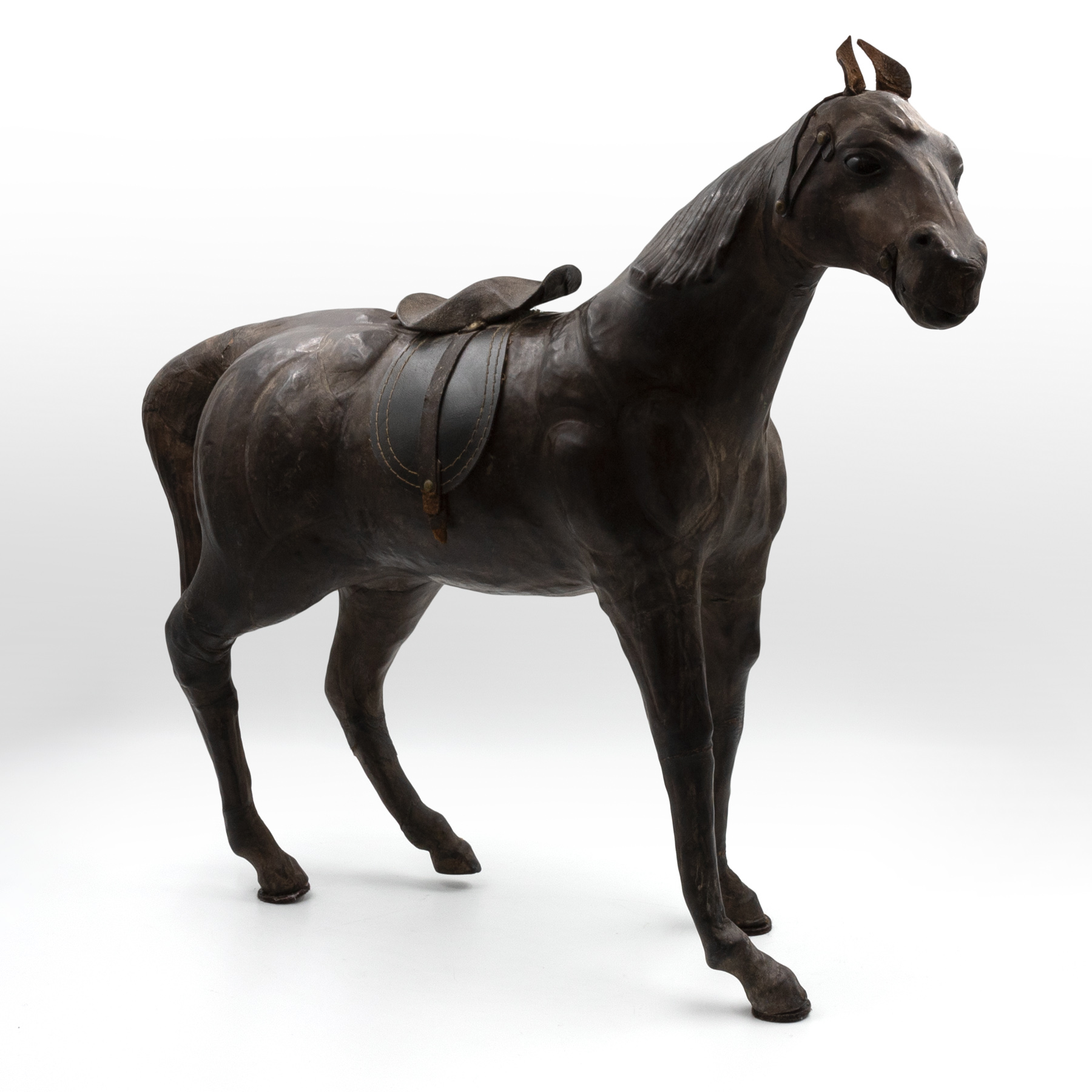
Imagine holding a piece of history in your hands—something that tells stories of time, craftsmanship, and beauty. An antique leather horse isn’t just a decorative item; it’s a treasure that can add warmth and character to your space.
If you’ve ever wondered how this unique piece can transform your home or collection, you’re about to discover why so many people are drawn to its charm. Keep reading to find out how an antique leather horse can bring a special touch to your life and why it deserves a place in your world.
Credit: www.gardencourtantiques.com
History Of Leather Horses
Leather horses have a rich and fascinating history. They were crafted to represent strength and beauty. Over time, these pieces became valuable antiques.
Many cultures created leather horses for art, play, or ceremony. Their designs show skill and tradition. Collectors and historians admire them today.
Origins And Evolution
Leather horses first appeared centuries ago. Early artisans used natural leather to shape horses. They carved and stitched with care.
At first, these horses were simple toys or tools. Over years, their design grew more detailed. Different regions added unique styles.
The evolution shows changes in technology and fashion. Some became decorative objects in homes or temples. Others served as children’s playthings.
Cultural Significance
Leather horses hold special meaning in many cultures. They often symbolize power, freedom, or protection. Some were used in ceremonies or festivals.
In certain places, leather horses represent status or wealth. Families passed them down as heirlooms. They reflect the values and beliefs of their makers.
These horses also connect people to nature and animals. Their craftsmanship honors the horse’s role in human life.
Famous Antique Examples
Several leather horses stand out in history. One famous example comes from 18th century Europe. It shows fine detail and expert leatherwork.
Another well-known piece is from Asia, used in rituals. It is prized for its age and cultural importance. Museums often display such antiques.
Collectors seek these rare items for their beauty and story. Each antique leather horse tells a unique tale.
Craftsmanship And Materials
Antique leather horses showcase skill and quality in every detail. The beauty lies in the careful choice of materials and the hands that shape them. Craftsmanship and materials define the charm and durability of these pieces. Each leather horse tells a story of tradition and patience.
Leather Types Used
High-quality leather is the foundation of every antique leather horse. Common types include full-grain and top-grain leather. Full-grain leather is thick and strong, keeping its natural texture. Top-grain leather is smoother, crafted for a refined look. Vegetable-tanned leather is popular for its natural color and durability. These leathers age beautifully, gaining character over time.
Techniques And Tools
Craftsmen use time-honored methods to shape leather into horses. Hand-stitching ensures strong seams that last. Tools like leather knives, stamps, and needles create detailed designs. Cutting and molding the leather requires precision and care. Each step adds to the horse’s unique charm. The process blends skill with patience, resulting in a work of art.
Artisan Traditions
Making leather horses follows traditions passed down through generations. Artisans learn to respect the material and honor old techniques. Many use patterns that stayed the same for decades. These traditions keep the craft alive and authentic. Each piece reflects the culture and history of its maker. The result is a timeless treasure full of meaning.
Design Styles And Features
Antique leather horses come in various design styles and features. These styles reflect different times and places. Each piece has unique traits that tell a story. Understanding these differences helps appreciate their beauty.
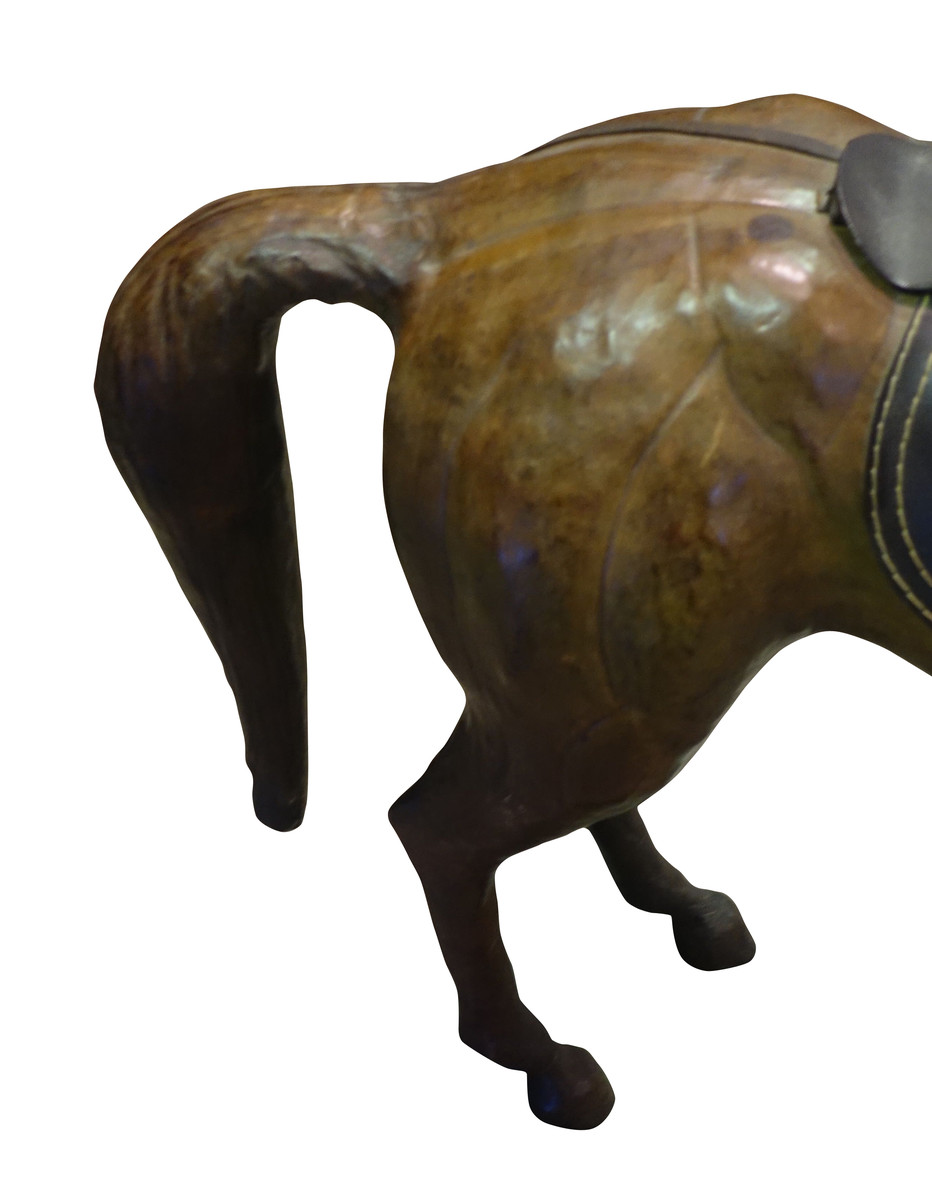
Design styles range from classic shapes to regional variations. Decorative elements add charm and character. Size and proportions influence how the piece fits in a space. Each aspect plays a role in the overall look.
Classic Vs. Regional Styles
Classic antique leather horses often show simple, timeless designs. They focus on smooth lines and balanced shapes. Regional styles reflect local culture and history. These may have bold patterns or unique forms. Each style reveals the maker’s background and tradition.
Decorative Elements
Leather horses often feature hand-tooled patterns. These can include flowers, swirls, or geometric shapes. Some have painted accents or metal studs. Decorations highlight craftsmanship and add visual interest. They make each piece distinct and special.
Size And Proportions
Sizes vary from small figurines to large sculptures. Proportions affect the horse’s realism and presence. Some have elongated legs or exaggerated features. Others keep natural body shapes. Choosing the right size depends on display space and personal taste.
Credit: www.balsamoantiques.com
Caring For Antique Leather Horses
Antique leather horses are beautiful and delicate. Caring for them helps keep their charm and value. Proper care prevents damage and wear over time. It also keeps the leather soft and strong.
Cleaning, restoring, and storing are key steps. Each step needs gentle attention and the right materials. Follow these simple tips to protect your antique leather horse.
Cleaning Tips
Use a soft, dry cloth to remove dust. Avoid using water or harsh chemicals. A slightly damp cloth can clean stubborn dirt. Test any cleaner on a small, hidden area first. Use leather cleaner made for antique items only. Always dry the leather gently with a soft towel.
Restoration Practices
Restore with care to avoid damage. Use leather conditioner designed for old leather. Apply a small amount and rub gently. Avoid over-conditioning, which can soften leather too much. For cracks or tears, consult a professional restorer. Do not use glue or tape on antique leather.
Storage Recommendations
Store in a cool, dry place away from sunlight. Sunlight can cause fading and drying. Keep away from heaters and damp areas. Use breathable fabric covers to protect from dust. Avoid plastic bags that trap moisture. Check the leather regularly for mold or dryness.
Incorporating Leather Horses In Decor
Antique leather horses bring charm and character to any room. Their rich texture and vintage look add warmth. These pieces can create a unique focal point in your home. Using them in decor blends history with style. They fit well in many types of rooms and settings.
Placement Ideas
Place a leather horse on a sturdy wooden shelf. It works well near books or old photos. Use it on a side table for a subtle touch. Larger pieces look great on the floor by a fireplace. Keep them where natural light highlights their color and detail.
Complementary Vintage Pieces
Pair leather horses with old wooden boxes or trunks. Antique lamps and brass items enhance their appeal. Use vintage rugs and cushions to soften the space. These items create a cozy, lived-in feeling. They bring out the horse’s classic beauty.
Creating Thematic Spaces
Design a rustic corner with leather horses and farm tools. Create a library nook with leather chairs and vintage books. Use soft lighting to add warmth and comfort. Such themes tell a story and invite guests to stay. Leather horses make these spaces feel special and timeless.
Collecting And Investing
Collecting and investing in antique leather horses can be a rewarding experience. These pieces hold charm and history. They also offer potential value growth over time. Knowing how to identify, understand market trends, and assess value helps collectors make smart choices.
Identifying Authentic Pieces
Authentic antique leather horses have unique signs. Look for natural aging on the leather. Genuine wear marks show use and time. Check the stitching and craftsmanship. Hand-stitched details often mean older, quality work. Avoid pieces with perfect or new-looking surfaces. Authentic items may have small flaws or cracks. Provenance or history adds proof of authenticity.
Market Trends
The market for antique leather horses changes with demand. Interest often rises with vintage and rustic decor trends. Auctions and antique fairs reveal current prices. Rare or well-preserved pieces attract more buyers. Popular sizes and styles shift over time. Watch for growing collector communities online. Their preferences can influence market prices.
Valuation Factors
Condition is key in valuing antique leather horses. Well-maintained leather keeps higher worth. Age matters, but condition weighs more. Original parts increase value significantly. Unique designs or maker signatures add worth. Size and detail also affect price. Provenance or documented history boosts value. Rarity usually means higher investment potential.

Credit: www.lorfordsantiques.com
Frequently Asked Questions
What Is An Antique Leather Horse?
An antique leather horse is a vintage decorative item made from aged leather shaped like a horse.
How Is Antique Leather Horse Made?
Skilled artisans cut, shape, and stitch leather pieces to form a horse figure with details.
Why Collect Antique Leather Horses?
They hold historical value, show craftsmanship, and add charm to home decor collections.
How To Care For Antique Leather Horses?
Keep them dry, clean with a soft cloth, and avoid direct sunlight to prevent damage.
Where To Buy Authentic Antique Leather Horses?
Look for trusted antique stores, online auctions, and specialty vintage shops for genuine pieces.
What Makes Antique Leather Horses Valuable?
Age, condition, craftsmanship, and rarity all increase their value among collectors and enthusiasts.
Conclusion
Antique leather horses hold a special charm and history. They show great skill and care from the past. Collectors and lovers find joy in their unique look. Each piece tells a story through its worn leather and design. Owning one connects you to a rich tradition.
These items bring warmth and character to any space. Consider adding an antique leather horse to your collection. It’s a piece that lasts and inspires. A true treasure for those who appreciate timeless art.
As an Amazon Associate, I earn from qualifying purchases.