When winter chills settle in, keeping your horses warm and comfortable becomes a top priority. You want to protect your animals from the cold, but choosing the right barn heater can feel overwhelming.
What if there was a simple way to ensure your horses stay cozy and healthy all season long? You’ll discover how barn heaters can make a real difference for your horses—and learn how to pick the best one for your barn.
Stay with us, and you’ll never worry about cold weather harming your horses again.
Types Of Barn Heaters
Choosing the right barn heater helps keep horses warm and healthy during cold months. Different types of heaters work in various ways. Some use electricity, others burn fuel. Understanding each type guides you to the best choice for your barn.
Electric Heaters
Electric heaters are easy to install and use. They produce no fumes and need little maintenance. These heaters work best in small to medium-sized barns. They provide steady warmth but may increase electricity bills.
Propane Heaters
Propane heaters run on gas and heat spaces quickly. They are portable and good for larger barns. These heaters need proper ventilation to avoid harmful gases. They offer strong heat but require regular fuel refills.
Infrared Heaters
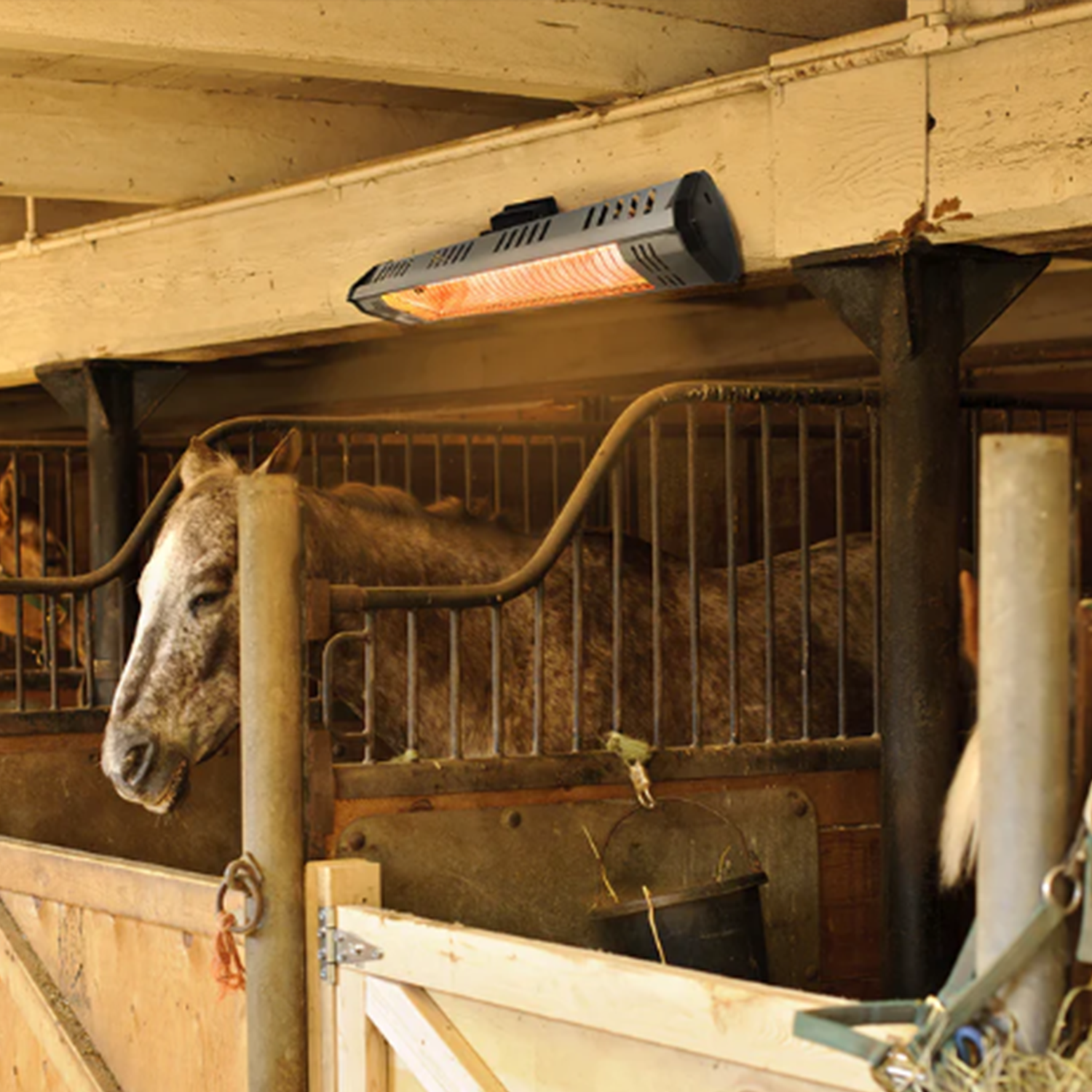
Infrared heaters warm objects and animals directly, not the air. They save energy and keep horses comfortable. These heaters work quietly and produce no fumes. Infrared is ideal for barns with open doors or drafts.
Wood-burning Heaters
Wood-burning heaters use logs to create a natural heat source. They add a rustic feel to the barn. These heaters need space for wood storage and regular cleaning. Wood heat is cost-effective but needs more attention.
Choosing The Right Heater
Choosing the right heater for your horse’s barn is important. A good heater keeps horses warm and comfortable. It also saves energy and prevents accidents. Several factors affect which heater fits best. Understanding these helps make a smart choice.
Barn Size And Layout
Measure your barn before buying a heater. Large barns need heaters with higher power. Small barns can use smaller, less powerful heaters. Think about the barn’s shape too. Open spaces need different heating than divided stalls. Place heaters where heat spreads evenly.
Horse Safety Considerations
Safety is the top priority for horse heaters. Choose heaters with protective covers to avoid burns. Avoid heaters that create sparks or flames. Keep heaters away from hay and bedding. Use heaters designed for animal barns. Check for automatic shut-off features in case of tipping.
Energy Efficiency
Energy-efficient heaters save money on electricity. Look for heaters with good energy ratings. Infrared heaters warm horses directly, reducing wasted energy. Use timers or thermostats to control heater use. This prevents overheating and lowers bills. Efficient heaters work well even in cold weather.
Installation Requirements
Consider how easy the heater is to install. Some heaters need professional installation. Others can be mounted on walls or ceilings. Check if your barn’s power supply matches the heater’s needs. Proper installation ensures safety and good heater function. Follow all manufacturer instructions carefully.
Benefits Of Heated Barns
Heated barns offer many benefits for horses during cold weather. They create a warm and safe space that helps horses stay healthy and comfortable. Keeping the barn warm protects horses from harsh winter conditions and prevents common cold-related problems.
Improved Horse Comfort
Warm barns help horses feel more relaxed and calm. Cold temperatures can cause stress and discomfort. A heated barn keeps the air temperature stable. Horses can rest better and sleep more deeply. Comfortable horses have better moods and behave well.
Health And Wellness
Cold barns can lead to health problems like respiratory issues and stiff joints. Heated barns reduce the risk of illness. Warm air helps horses keep their body temperature steady. It also supports good blood flow and muscle function. Healthy horses recover faster from exercise and injury.
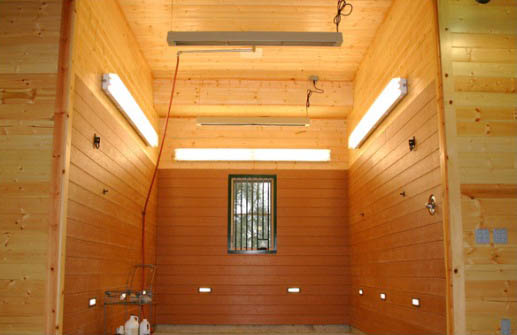
Preventing Frozen Water Sources
Frozen water is a big problem in winter. Horses need constant access to fresh water. Heated barns prevent water buckets and troughs from freezing. This ensures horses drink enough water every day. Proper hydration keeps horses strong and energetic.
Credit: www.amberwayequine.com
Safety Tips For Barn Heating
Keeping your barn warm is important for your horses, but safety must come first. Heating systems can cause risks if not used properly. Follow these safety tips to protect your horses and your barn.
Proper Ventilation
Good airflow stops harmful gases from building up. Always keep vents open. Avoid blocking air paths with equipment or supplies. Fresh air helps keep horses healthy and safe.
Fire Prevention Measures
Choose heaters made for barn use. Keep heaters away from straw, wood, and other flammable things. Never leave heaters on when the barn is empty. Use smoke detectors and fire extinguishers nearby.
Regular Maintenance
Check heaters often for damage or dirt. Clean dust and debris from heater parts. Replace worn or broken parts quickly. Regular checks stop malfunctions and reduce fire risks.
Emergency Preparedness
Have a clear plan for emergencies. Teach everyone how to turn off heaters fast. Keep exits clear and easy to open. Store fire extinguishers where they can be reached quickly.
Cost And Energy Savings
Heating a barn for horses involves costs that affect your budget. Understanding these costs helps you save money over time. Energy use also plays a big role in managing expenses. Efficient heaters and smart practices lower your bills. This section breaks down the costs and shares tips to save energy.
Initial Investment
Buying a barn heater requires upfront money. Prices vary by type and size of the heater. Electric heaters often cost less at first. Gas or propane heaters may cost more but last longer. Installation can add to your initial expense. Choosing the right heater for your barn size matters. A well-chosen heater works efficiently and saves money later.
Operating Costs
Running a barn heater uses fuel or electricity. These costs depend on heater type and usage hours. Electric heaters can raise your electric bill quickly. Gas heaters need regular fuel refills. Keep track of fuel prices in your area. Regular maintenance keeps heaters working well. A well-maintained heater uses less energy and costs less to run.
Energy-saving Practices
Simple steps reduce energy use in your barn. Use timers to run heaters only when needed. Insulate your barn to keep heat inside. Close doors and windows during cold weather. Use thermostats to control temperature precisely. Keep heaters clean and free of dust. These actions lower energy bills and keep horses comfortable.
Popular Brands And Models
Choosing the right barn heater helps keep horses warm during cold months. Many brands offer reliable and safe heating options. Some models focus on energy efficiency, while others prioritize durability and safety. Understanding popular brands and models makes the decision easier.
Top Electric Heaters
Electric heaters are easy to install and use inside barns. The King Electric K12 is a favorite. It heats quickly and has safety features. The Dr. Infrared Heater is another good choice. It runs quietly and uses less power. Both models work well in small to medium-sized barns.
Leading Propane Heaters
Propane heaters offer strong heat for larger spaces. The Mr. Heater Big Maxx is popular among barn owners. It heats large areas fast and has built-in safety controls. The Heatstar By Enerco is also trusted. It’s durable and easy to move around. These heaters need good ventilation to keep the air fresh.
Recommended Infrared Options
Infrared heaters warm horses directly without heating the air. The Dr. Infrared Heater is well-known and reliable. It provides gentle, steady warmth. The TPI Corporation infrared heater is another option. It is energy efficient and safe for animals. Infrared heaters help keep horses comfortable without drying out the barn air.
Diy Heating Solutions
Keeping horses warm in cold weather can be done with simple DIY heating solutions. These ideas help maintain a cozy barn without expensive equipment. Small changes make a big difference for your horses’ comfort and health.
Insulation Tips
Start by sealing drafts around doors and windows. Use weather stripping or heavy plastic sheets to block cold air. Add thick curtains or blankets over stall doors for extra warmth. Straw or shavings on the floor act as natural insulation. Cover walls with plywood or foam boards to hold heat inside. Proper insulation keeps the barn warmer with less energy.
Using Heat Lamps Safely
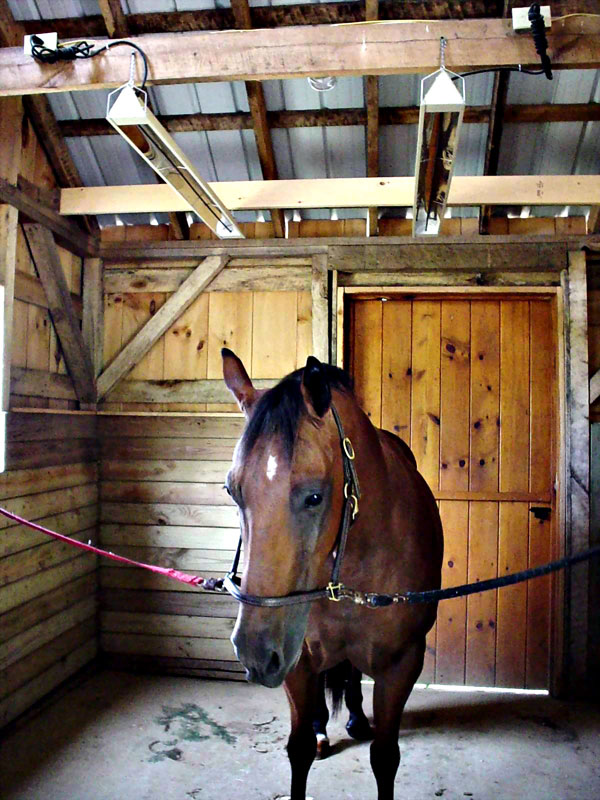
Choose heat lamps made for barns and animals. Hang lamps high enough to avoid contact with bedding or animals. Use sturdy mounts to prevent lamps from falling. Check lamps daily for damage or overheating. Keep cords away from water and chew areas. Always follow manufacturer safety instructions to prevent fire risks.
Temporary Heating Ideas
Use portable heaters designed for barns during very cold days. Place heaters away from flammable materials and animals. Hot water bottles or heat packs in horse blankets provide extra warmth. Turn on heaters only when people are nearby to monitor them. These solutions help during short cold snaps or emergencies.
Credit: store.stablefarmandtack.com
Credit: www.medalistfeed.com
Frequently Asked Questions
What Types Of Barn Heaters Are Best For Horses?
Safe, low-heat, and moisture-resistant heaters like radiant or ceramic types work best for barns.
How Do Barn Heaters Keep Horses Comfortable In Winter?
Heaters maintain a warm, stable temperature that protects horses from cold stress and illness.
Are Electric Barn Heaters Safe For Horse Stalls?
Yes, if installed properly with safety features and used away from bedding and water.
How Much Electricity Does A Barn Heater Typically Use?
Most barn heaters use between 500 and 1500 watts, depending on size and settings.
Can Barn Heaters Reduce Respiratory Problems In Horses?
Yes, by preventing cold air drafts and dampness, heaters help reduce respiratory issues.
Should Barn Heaters Run All Night In Horse Barns?
Running heaters overnight is safe if thermostats control temperature and safety checks are done.
Conclusion
Barn heaters keep horses warm during cold months. They help maintain comfort and health. Choosing the right heater depends on barn size and ventilation. Safe installation is important to avoid risks. Regular checks keep heaters working well. Warm barns reduce stress and illness in horses.
Investing in good heating protects your animals. A cozy barn means happier horses all winter.
As an Amazon Associate, I earn from qualifying purchases.