If you’re serious about barrel racing, you know how important every detail is—especially your reins. Barrel horse reins aren’t just gear; they’re your connection to your horse, giving you control, comfort, and confidence on the track.
Choosing the right reins can make a huge difference in your performance and your horse’s responsiveness. You’ll discover what makes the best barrel horse reins, how to pick the perfect pair for your needs, and tips to keep them in top shape.
Keep reading to take your riding to the next level.
Types Of Barrel Horse Reins
Barrel horse reins come in several styles. Each type serves a specific purpose and suits different riding needs. Choosing the right rein can improve control and comfort during barrel racing.
Reins vary in material, length, and design. Some offer a better grip, while others provide more flexibility. Understanding these types helps riders pick the best fit for their horse and style.
Split Reins
Split reins are two separate pieces of leather or rope. They give riders quick control and easy adjustment. Riders often prefer split reins for their versatility and traditional look.
Closed Reins
Closed reins form a continuous loop. They offer steady contact and prevent reins from slipping. Closed reins work well for riders who want consistent control.
Rope Reins
Rope reins are made from braided rope or synthetic materials. They provide excellent grip, even in wet conditions. Rope reins are lightweight and flexible for fast maneuvers.
Leather Reins
Leather reins are classic and durable. They offer a firm feel and strong hold. Many riders choose leather reins for their elegance and long-lasting quality.

Credit: www.runninghardproducts.com
Choosing The Right Reins For Barrel Racing
Choosing the right reins for barrel racing can affect your performance. Reins help you steer and control your horse during fast turns. Picking reins that fit your needs makes riding easier and safer. Focus on material, length, grip, and durability to find the best reins.
Material Considerations
Reins come in leather, nylon, and rubber. Leather feels soft and looks classic. Nylon is strong and dries fast after rain. Rubber reins provide extra grip, especially in wet conditions. Choose a material that suits your riding style and weather.
Length And Thickness
Length affects how much control you have over the horse. Short reins give quick response but less freedom. Longer reins allow more movement but need careful handling. Thickness matters for comfort and grip. Thin reins are light but can dig into your hands. Thicker reins offer better hold but may feel heavy.
Grip And Control
Good grip helps you keep control during sharp turns. Some reins have textured surfaces or rubber coatings for better hold. Smooth reins can slip, causing loss of control. Choose reins that stay steady in your hands, even when you sweat or ride fast.
Durability Factors
Barrel racing puts strong pressure on reins. Durable reins resist wear and tear over time. Look for strong stitching and quality materials. Check for rein flexibility. Stiff reins may break easier, while too soft ones may stretch out. Durable reins save money and keep you safe.
Rein Features For Comfort
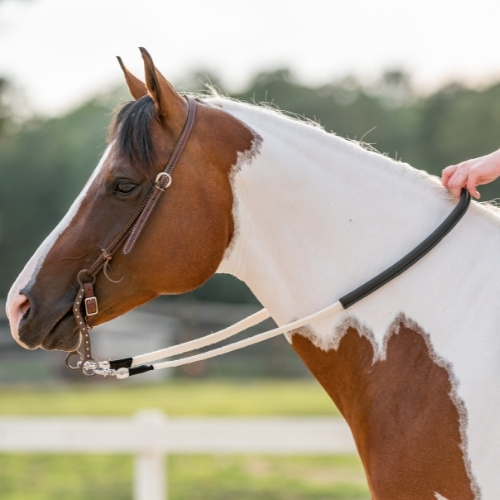
Barrel horse reins need to offer more than control. Comfort plays a big role in how well a rider and horse work together. Comfortable reins reduce hand fatigue and improve communication. This section highlights key features that make reins comfortable during barrel racing.
Padding Options
Padding adds softness where hands grip the reins. Common padding materials include neoprene and gel. These help prevent blisters and soreness. Some reins have extra padding near the buckle for added comfort. Padding also absorbs sweat, keeping reins dry and easy to hold.
Flexibility And Softness
Reins must bend and flex with hand movements. Soft leather or synthetic materials offer this flexibility. Stiff reins can cause discomfort and limit control. Soft reins allow smooth signals to the horse. Flexible reins reduce tension in the rider’s fingers and wrists.
Weight And Balance
Lightweight reins reduce strain during long rides. Balanced reins feel natural in the hand. Heavy reins can tire the rider quickly. A good balance helps maintain steady contact with the horse’s mouth. Proper weight and balance improve overall riding comfort and control.
Credit: jmpatelcollege.com
Maintaining Barrel Horse Reins
Maintaining barrel horse reins is important to keep them strong and safe. Proper care helps the reins last longer. It also keeps the horse comfortable during rides.
Simple steps like cleaning, storing, and fixing reins make a big difference. These small tasks protect your reins from damage and wear. Follow easy tips to care for your reins every day.
Cleaning Tips
Clean reins after each ride to remove dirt and sweat. Use a soft cloth and warm water for leather reins. Avoid using harsh chemicals that can dry the leather. For synthetic reins, mild soap works well. Let reins dry naturally, away from direct heat or sun.
Storage Practices
Store reins in a cool, dry place. Hang them loosely to avoid bends or creases. Keep reins away from moisture and extreme temperatures. Use a clean bag or container to protect reins from dust. Proper storage stops cracks and keeps the reins flexible.
Repair And Replacement
Check reins regularly for signs of wear like cracks or fraying. Small damage can be fixed with leather conditioner or stitching. Replace reins if damage is severe to ensure safety. Always use quality replacement parts made for barrel racing. Well-maintained reins improve control and rider confidence.
Common Mistakes With Barrel Horse Reins
Choosing the right barrel horse reins is key for good riding. Many riders make simple mistakes that affect control and comfort. These errors can reduce your horse’s performance and safety. Knowing common errors helps you pick and care for reins better. Avoid these mistakes to improve your riding experience.
Incorrect Length
Reins too long or too short cause problems. Long reins make control harder and slow reactions. Short reins can pull too tight, upsetting the horse. Measure reins to fit your riding style and horse size. Proper length helps smooth turns and better communication.
Poor Material Choice
Materials affect grip, durability, and comfort. Cheap reins may wear out fast or slip in hands. Leather offers good grip but needs care. Synthetic reins last long and resist weather. Choose material that matches your needs and weather conditions. Good material keeps reins reliable and safe.
Neglecting Maintenance
Reins need regular cleaning and checks. Dirt and sweat damage leather and weaken reins. Broken reins risk accidents during rides. Clean reins after each ride and check for wear. Proper care extends reins’ life and keeps horse safe.
Tips For Maximizing Control
Controlling barrel horse reins well is key to better riding. Good control helps guide your horse smoothly and safely. Focus on simple tips to improve your grip and communication with your horse.
These tips will help you handle reins better, adjust tension correctly, and use training methods that build trust and response.
Proper Rein Handling
Hold the reins firmly but gently. Avoid gripping too tight. Use your fingers to keep a steady hold. Keep your hands low and close to the saddle. This position gives clear signals to your horse. Always keep your hands quiet and steady.
Adjusting Rein Tension
Check rein tension often. Too loose reins cause delayed signals. Too tight reins can confuse or hurt the horse. Find a balanced tension that feels natural. Small changes help your horse respond quickly. Practice feeling the right tension during rides.
Training Techniques
Train your horse to respond to light rein cues. Use short, consistent sessions for better learning. Reward your horse when it reacts correctly. Work on stopping, turning, and slowing down with reins. Practice in calm areas before moving to fast runs.

Credit: barrelhorsenews.com
Frequently Asked Questions
What Are Barrel Horse Reins Made Of?
Barrel horse reins are usually made from leather or synthetic materials for durability and grip.
How Do Barrel Horse Reins Improve Riding Control?
They help riders steer and stop quickly, essential for fast barrel racing turns.
What Length Should Barrel Horse Reins Be?
Rein length varies, but 54 to 60 inches is common for comfort and control.
Can Barrel Horse Reins Affect Horse Performance?
Yes, the right reins provide better communication between rider and horse, enhancing performance.
How To Clean And Maintain Barrel Horse Reins?
Use mild soap and water for cleaning; condition leather reins regularly to keep them soft.
Are Split Reins Or Romal Reins Better For Barrel Racing?
Split reins offer better control and quick handling, preferred in barrel racing over romal reins.
Conclusion
Choosing the right barrel horse reins helps improve your riding control. Comfort and durability matter for both you and your horse. Good reins make turns smoother and rides safer. Consider material, length, and grip before buying. Simple care keeps reins in top shape longer.
Trust your feel and try different types. Enjoy better rides with the right reins every time.
As an Amazon Associate, I earn from qualifying purchases.