If you care about your horse’s comfort and performance, understanding bit guards is a must. These simple yet powerful tools can protect your horse’s mouth from irritation and improve how your horse responds to the bit.
Imagine your horse moving smoothly, free from pain or discomfort caused by the bit rubbing against their lips. You’ll discover exactly how bit guards work, why they matter, and how to choose the right ones for your horse. Keep reading to learn how a small change can make a big difference in your riding experience.
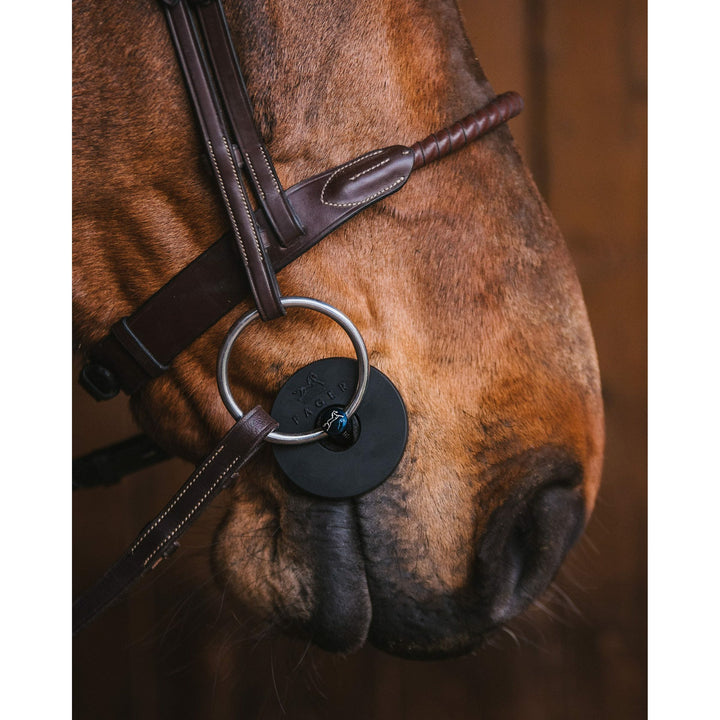
Credit: fagerbitsusa.com
What Are Bit Guards
Bit guards are small, protective pieces placed on a horse’s bit. They help prevent rubbing and pinching on the horse’s mouth. These guards create a barrier between the bit and the horse’s lips or cheeks. This barrier reduces discomfort and helps the horse stay calm while riding.
Bit guards are usually made from rubber or soft plastic. They come in different sizes to fit various bits. Many riders use bit guards to protect sensitive horses. These guards also help keep the bit in the right place during riding.
Purpose Of Bit Guards
Bit guards protect the horse’s mouth from pain. They stop the bit from pinching the lips or cheeks. This makes riding more comfortable for the horse. Bit guards also prevent the bit from moving too much. This helps the rider keep better control.
Materials Used For Bit Guards
Most bit guards are made from soft rubber or plastic. These materials are gentle on the horse’s skin. They are flexible and fit snugly around the bit. Soft materials reduce the chance of rubbing or chafing. Many bit guards are durable and easy to clean.
How Bit Guards Fit On The Bit
Bit guards slide onto the cheek pieces of the bit. They sit between the bit and the horse’s lips. The fit should be snug but not tight. Proper fitting stops the bit from moving sideways. This keeps the bit stable and the horse more comfortable.
Benefits Of Using Bit Guards
Bit guards offer many benefits for both horses and riders. They improve the riding experience by adding comfort and control. Using bit guards can prevent common problems that horses face with bits. These small accessories make a big difference in horse training and riding.
Enhanced Comfort For Horses
Bit guards cushion the horse’s mouth from the bit. They stop the bit from pressing too hard on soft areas. This reduces pain and discomfort. Comfortable horses stay calm and focused during rides. Bit guards help horses accept the bit easily.
Improved Control For Riders
Bit guards keep the bit stable in the horse’s mouth. This stability helps riders give clearer signals. Riders can guide their horses with less effort. Better control makes riding safer for both horse and rider. Bit guards support smoother communication between them.
Preventing Bit Pinching
Bit guards stop the bit from pinching the horse’s lips. Pinching causes sores and irritation. This can make horses resistant to the bit. Bit guards act as a barrier to protect delicate skin. Preventing pinches helps horses stay relaxed and willing.
Types Of Bit Guards
Bit guards protect a horse’s mouth from pinching and rubbing. They fit on the bit and keep it from moving too much. Different materials make different types of bit guards. Each type has its own benefits. Choosing the right bit guard helps your horse stay comfortable and happy.
Rubber Bit Guards
Rubber bit guards are soft and flexible. They absorb shock and protect the horse’s lips. They come in many colors and sizes. Rubber guards are easy to clean and last long. They work well for everyday riding and training.
Leather Bit Guards
Leather bit guards offer a classic look. They are strong and durable. Leather softens with use and fits well. These guards add extra padding around the bit. They suit horses with sensitive mouths. Leather guards need regular care to stay good.
Silicone Bit Guards
Silicone bit guards are very soft and gentle. They provide excellent comfort for delicate skin. Silicone is easy to wash and dries fast. These guards are flexible and fit tightly. They are perfect for horses that need extra protection.
Choosing The Right Bit Guard
Choosing the right bit guard for your horse is important for comfort and control. Bit guards protect the horse’s mouth from pinching and rubbing. They also help keep the bit stable. A well-fitted bit guard makes riding safer and more pleasant for both horse and rider.
Matching Bit And Bridle
Pick a bit guard that fits your bit type. Some bits need thicker guards, others thinner ones. Check if the guard matches the bridle style. The bit guard should not interfere with the bridle’s function. This ensures smooth communication between rider and horse.
Considering Horse’s Mouth Shape
Every horse’s mouth is different. Some horses have wide mouths, others narrow. Choose a bit guard that suits your horse’s mouth shape. Guards that are too small can pinch. Too large guards may move too much. A good fit prevents discomfort and injury.
Size And Fit Tips
Measure your bit before selecting a guard. The guard should fit snugly around the bit. It must not slide off during riding. Check the thickness and diameter of the guard. Try the guard on your horse before riding. Adjust for comfort and stability.
How To Fit Bit Guards
Fitting bit guards on a horse is simple but important. Bit guards protect the horse’s mouth from pinching and rubbing. They keep the bit stable and more comfortable for the horse. A correct fit helps prevent injury and improves the horse’s response to the bit. Follow the right steps to fit bit guards safely and effectively.
Step-by-step Fitting Guide
First, choose the right size bit guard for your bit. Bit guards come in different sizes for various bits. Slide the bit guard onto the bit’s cheekpiece. Make sure it sits snugly around the bit rings.
Next, place the bit in the horse’s mouth gently. Adjust the bit guard so it rests against the horse’s cheeks without squeezing. Check that the bit guard covers the sharp edges of the bit rings. It should not pinch the horse’s skin or hair.
Finally, attach the bridle and test the fit. The bit guard should stay in place when the horse moves. Ensure the horse looks comfortable and shows no signs of pain. Adjust if needed to avoid tightness or slipping.
Common Fitting Mistakes To Avoid
One common mistake is fitting bit guards too loose. Loose guards can slip and cause discomfort. Another error is pushing the bit guard too far onto the bit. This can pinch the horse’s skin and cause sores.
Do not use bit guards that do not match the bit size. Wrong sizes fail to protect the horse properly. Avoid placing the bit guard where it blocks the horse’s mouth. This stops the horse from moving the bit naturally.
Always check the bit guard before riding. A damaged or worn bit guard can hurt the horse. Replace bit guards regularly to keep your horse safe and happy.
Caring For Bit Guards
Bit guards protect your horse’s mouth from pinching and rubbing. Proper care keeps them safe and comfortable. Clean, store, and replace bit guards regularly. This care helps bit guards last longer and work well.
Cleaning Techniques
Rinse bit guards with warm water after each use. Use mild soap to remove dirt and saliva. Avoid harsh chemicals that can damage the material. Gently scrub with a soft brush if needed. Dry completely before storing to prevent mold.
Storage Recommendations
Store bit guards in a clean, dry place. Keep them away from direct sunlight and heat. Avoid placing heavy objects on top to prevent deformation. Use a small container or bag to keep them dust-free. Proper storage maintains their shape and durability.
When To Replace Bit Guards
Check bit guards for cracks or tears regularly. Replace if the material feels hard or brittle. Worn bit guards can hurt your horse’s mouth. Change them if they no longer fit properly. Fresh bit guards ensure comfort and safety for your horse.
Tips For Training With Bit Guards
Training a horse with bit guards requires patience and care. Bit guards help protect the horse’s mouth and improve comfort. Using them correctly can make riding easier and safer for both horse and rider.
Start slowly and watch your horse closely. Learn how to adjust your riding style to match the new equipment. These tips will guide you through the process smoothly.
Introducing Bit Guards Gradually
Begin by fitting the bit guards during short, calm sessions. Let your horse wear them while standing still. Allow time for your horse to get used to the new feel.
Increase use slowly over several days. Avoid sudden changes that might scare your horse. Consistent, gentle introduction helps your horse accept bit guards better.
Monitoring Horse’s Reaction
Observe your horse’s behavior when using bit guards. Look for signs of discomfort or resistance. Adjust the fit if you notice rubbing or pinching.
Pay attention to head tossing, excessive salivation, or refusal to take the bit. These signs show your horse needs more time or a better fit. A calm horse means the bit guards suit well.
Adjusting Riding Techniques
Use softer hands to avoid pressure on your horse’s mouth. Bit guards cushion the bit, but gentle control is still necessary. Practice smooth rein movements to build trust.
Change your cues slightly if your horse responds differently. Always stay calm and patient during training. Good communication helps your horse learn faster with bit guards.
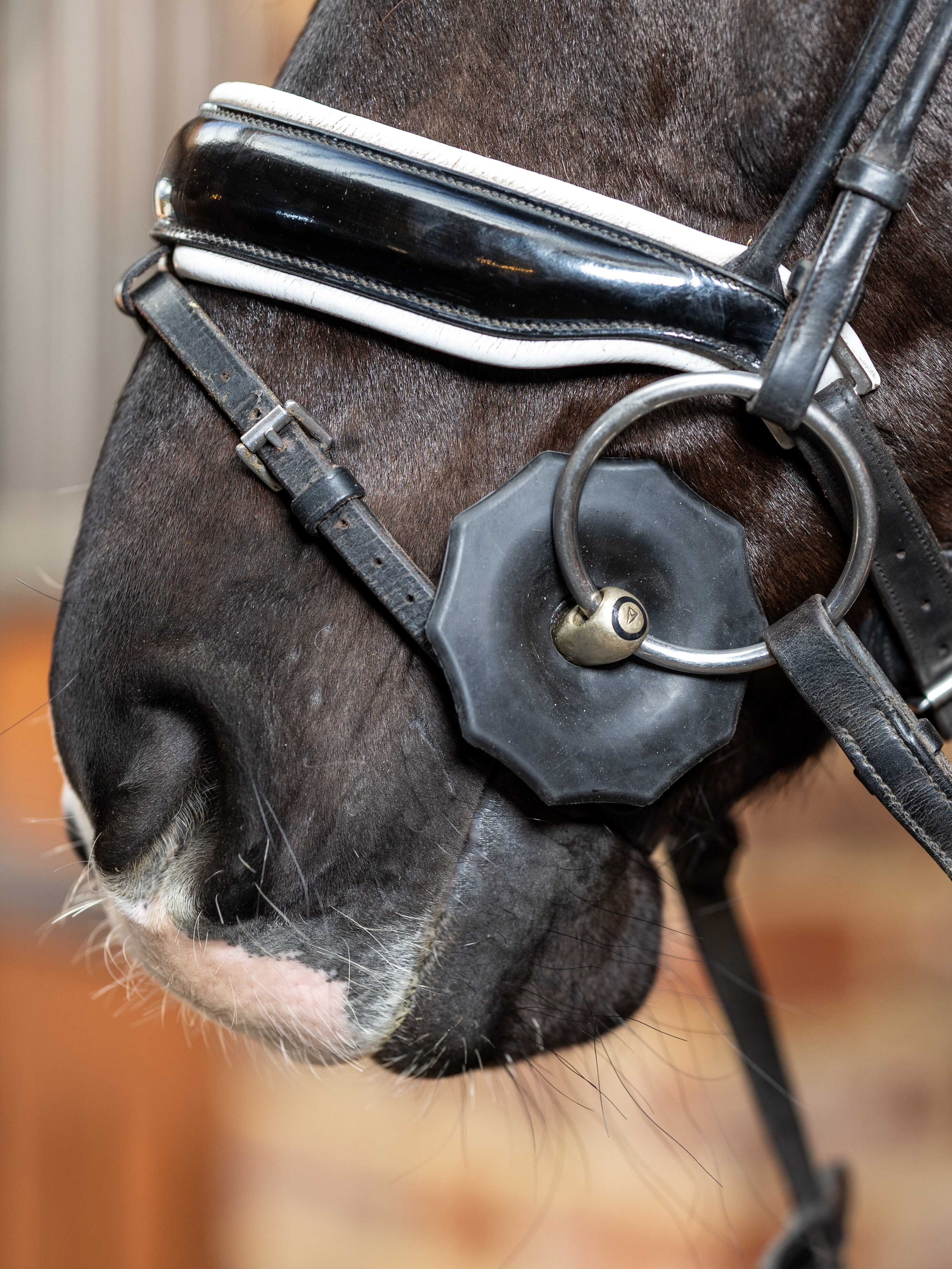
Credit: www.lemieux.com
Common Problems And Solutions
Bit guards help protect your horse’s mouth from pinching and rubbing. They improve comfort during riding. Yet, some common issues can occur. Knowing these problems and their solutions keeps your horse happy and safe.
Bit Guard Slipping
Bit guards can slip off the bit during riding. This happens if the guard is too loose or worn out. Choose the right size to fit your bit snugly. Replace old, stretched guards regularly. Secure the bit properly in the horse’s mouth.
Discomfort Signs In Horses
Watch for signs if the bit guard causes pain. Your horse may toss its head or refuse to move. Look for excessive drooling or mouth opening. These signs show the guard may not fit well. Adjust or change the bit guard for better comfort.
Dealing With Allergies
Some horses react to rubber or plastic in bit guards. Allergies cause swelling or sores near the mouth. Switch to hypoallergenic bit guards made from softer materials. Clean the guards after every ride to reduce irritation. Consult a vet if allergies persist.

Credit: en.wikipedia.org
Frequently Asked Questions
What Are Bit Guards For Horses Used For?
Bit guards stop the bit from pinching horse’s mouth sides and prevent sores.
How Do Bit Guards Improve Horse Comfort?
They keep the bit steady and reduce rubbing inside the horse’s mouth.
Can Bit Guards Fit All Types Of Horse Bits?
Most bit guards fit common bit sizes but check size before buying.
Are Bit Guards Easy To Put On And Remove?
Yes, bit guards snap on and off quickly without tools or hassle.
Do Bit Guards Affect A Horse’s Performance?
Bit guards help horses feel comfortable, which can improve focus and riding.
How Do I Clean And Maintain Bit Guards?
Wash with warm water and mild soap, then dry before storing.
Conclusion
Bit guards protect your horse’s mouth from pinching and rubbing. They help keep the bit steady and comfortable. Choosing the right bit guards can improve your horse’s performance. Regularly check them for wear and replace when needed. Happy horses mean better rides for you.
Bit guards are a small step that makes a big difference. Try them and see how your horse feels. Simple care leads to happy, healthy horses every day.
As an Amazon Associate, I earn from qualifying purchases.