If you care deeply about your horse’s health, you know that every nutrient counts. One mineral you might be overlooking is copper.
It plays a big role in your horse’s coat, joints, and overall well-being. But how do you know if your horse needs a copper supplement? And how can you choose the right one? Keep reading to discover why copper matters for your horse and how the right supplement can make a real difference in their health and happiness.

Credit: www.missysbucket.com.au
Benefits Of Copper For Horses
Copper is a vital mineral for horses. It supports many body functions. Ensuring enough copper in their diet helps keep horses healthy and strong. Below are key benefits of copper for horses.
Role In Immune Function
Copper helps strengthen the horse’s immune system. It supports the production of important enzymes. These enzymes fight infections and reduce illness risks. Horses with enough copper recover faster from sickness. It is essential for a healthy defense system.
Impact On Coat And Hoof Health
Copper plays a big part in maintaining a shiny coat. It helps produce melanin, which gives color to the hair. A good copper level prevents dull and brittle coats. It also supports strong hoof growth. Healthy hooves reduce lameness and other foot problems.
Support For Bone Development
Copper is important for building strong bones. It helps form collagen, a key part of bone tissue. Young horses especially need copper for proper bone growth. Adequate copper reduces the risk of bone disorders. It keeps the skeletal system firm and healthy.
Signs Of Copper Deficiency
Copper is a key mineral for horses. It helps keep their body strong and healthy. Without enough copper, horses can show different signs. Recognizing these signs early helps prevent serious problems. Below are some common signs of copper deficiency in horses.
Physical Symptoms To Watch
Coat color may fade or lose its shine. Hair can become dull and dry. Horses might show weak or brittle hooves. Some develop swollen joints or lameness. Bone growth can slow down in young horses. Copper deficiency often causes poor wound healing.
Behavioral Changes
Horses may seem tired or less active. They might appear restless or irritable. Some show less interest in food. Difficulty focusing or slower reactions can occur. These changes often signal health issues needing attention.
Common Health Issues Linked To Low Copper
Low copper can cause anemia or weak immune systems. Horses may suffer from heart or lung problems. Bone disorders like osteoporosis are common. Nervous system issues might develop as well. Copper deficiency can lead to slow growth and poor reproduction.
Choosing The Right Copper Supplement
Choosing the right copper supplement for horses is important for their health. Copper helps with strong bones, healthy coat, and good immune function. Selecting the correct supplement supports these benefits and avoids problems.
Different types of copper supplements are available. Each type works in a unique way in the horse’s body. Knowing the options helps pick the best one for your horse.
Types Of Copper Supplements
Copper sulfate is common and affordable. It dissolves well but may cause stomach upset in some horses.
Copper oxide is less soluble and often less effective. It may not meet daily copper needs fully.
Copper chelates are made by bonding copper to amino acids. They absorb better and are gentler on the stomach.
Copper proteinate is another chelated form. It offers good absorption and supports overall health well.
Dosage Recommendations
Daily copper needs vary by horse size and diet. On average, horses need about 10 mg of copper daily.
Too much copper can be toxic. Stick to recommended dosages on the product label.
Work with a vet to adjust dosage based on your horse’s health and feed.
Quality And Safety Considerations
Choose supplements from trusted brands with clear labels. Check for third-party testing or certifications.
Avoid products with unknown ingredients or poor reviews. Safety matters for your horse’s well-being.
Store supplements in a cool, dry place to keep them effective.
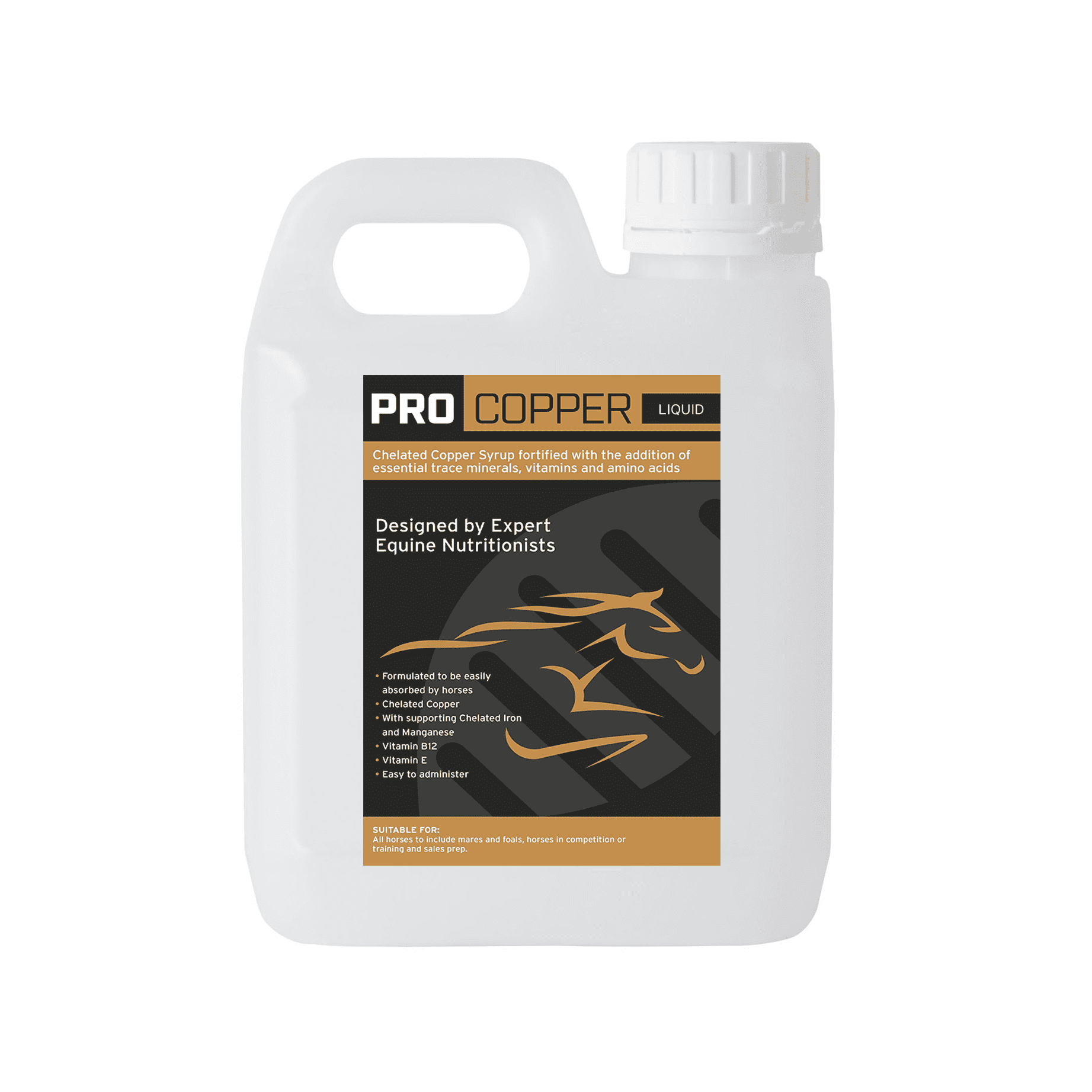
Credit: www.afssupplies.co.uk
How To Administer Copper Supplements
Administering copper supplements to horses requires care and attention. Proper methods ensure the horse receives the right amount. Copper supports healthy hooves, coat, and immune function. Incorrect dosing can cause issues. Understanding how to give supplements is key to success.
Incorporating Supplements Into Feed
Mix copper supplements directly into your horse’s daily feed. Use a small amount of grain or mash to hold the supplement. Make sure the horse eats all the feed with the supplement. Avoid mixing with large amounts of feed where the supplement might be missed. Consistency in feeding time helps the horse get used to the supplement.
Monitoring Intake And Adjusting Dosage
Watch your horse closely after starting supplements. Check for changes in coat shine, hoof health, and energy. Consult your vet for regular blood tests to measure copper levels. Adjust the dose based on the horse’s size, diet, and health needs. Always follow the recommended dosage on the product label or vet advice.
Avoiding Over-supplementation
Too much copper can harm your horse’s liver and digestion. Never exceed the recommended amount without vet approval. Avoid giving multiple supplements that contain copper at the same time. Keep all supplements stored safely and out of reach. Careful dosing prevents toxicity and keeps your horse safe and healthy.
Copper And Performance Enhancement
Copper plays a key role in improving a horse’s performance. This mineral helps many body functions that are important for active horses. Adding copper supplements can support energy, recovery, and overall health. These benefits can help horses perform better in training and competitions.
Understanding how copper affects a horse’s body shows why it is important. The right amount of copper keeps muscles strong and helps the horse stay active longer. It also helps the body heal faster after hard work. Copper supports many systems that keep horses healthy and ready to perform.
Boosting Energy And Stamina
Copper helps produce red blood cells. These cells carry oxygen to muscles. More oxygen means better energy and less tiredness. Horses with enough copper can work longer without feeling weak. This improves their stamina during races or long rides.
It also supports enzymes that create energy in cells. This means horses can use their food better. Copper helps turn food into fuel for muscles. This keeps horses active and alert during exercise.
Enhancing Recovery Times
After exercise, horses need to recover quickly. Copper helps repair tissues and build new cells. This speeds up healing of muscles and joints. A good recovery means horses can train more often.
Copper also supports the immune system. A strong immune system fights infections and inflammation. This reduces downtime caused by sickness or injury. Faster recovery keeps horses healthy and ready to perform again.
Supporting Overall Vitality
Copper is important for many body functions beyond muscles. It helps form strong bones and healthy skin. Horses with enough copper have shiny coats and strong hooves.
Copper also supports nerve function. This helps horses stay calm and focused. Good nerve health improves coordination and response times during training. Overall, copper supports a horse’s health and well-being.
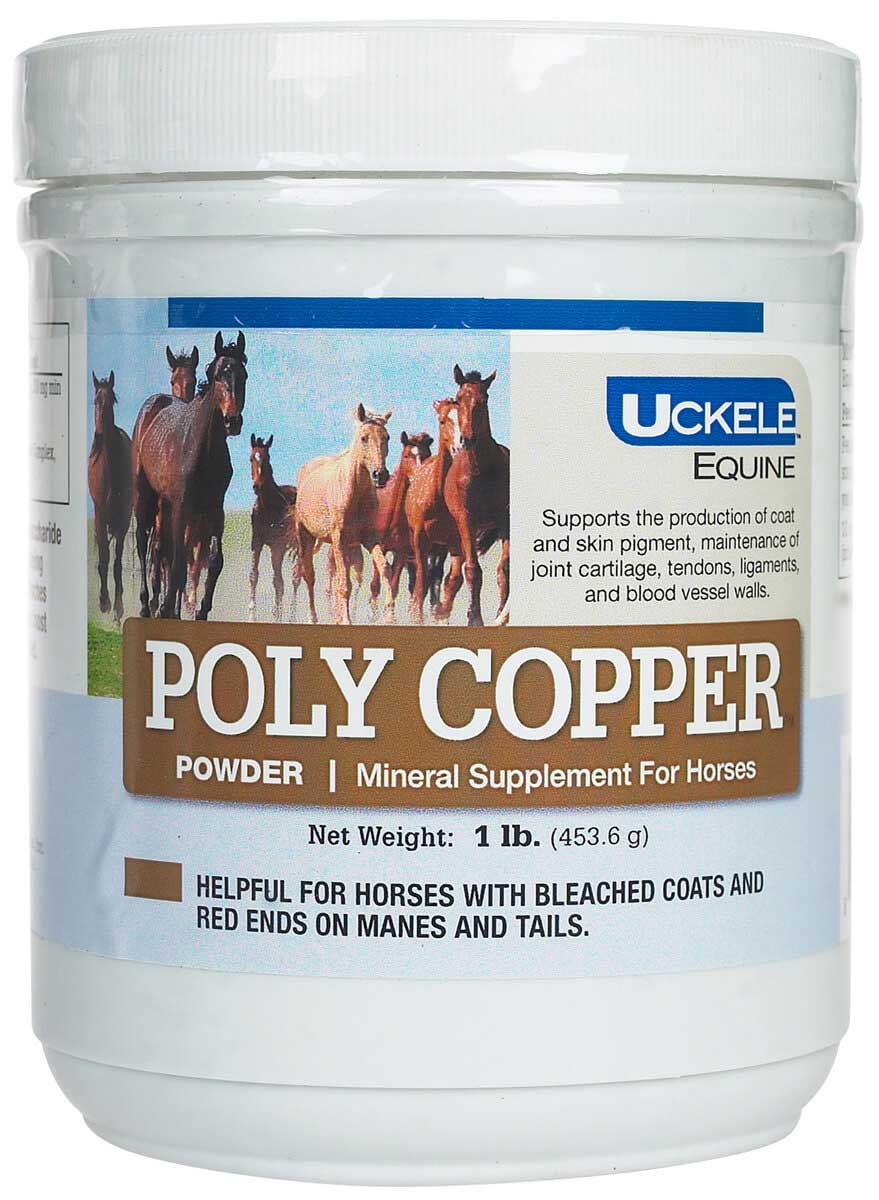
Credit: www.valleyvet.com
Potential Risks And Precautions
Giving copper supplements to horses can help their health. But too much copper can cause problems. Knowing the risks helps keep your horse safe. Careful use and watching for signs of trouble are very important.
Signs Of Copper Toxicity
Too much copper can harm your horse. Watch for weakness and lack of appetite. Your horse may have a dull coat and pale gums. Yellowing of the skin or eyes can appear. Dark urine and diarrhea are warning signs. Early detection helps prevent serious damage.
Interactions With Other Minerals
Copper works with other minerals in the body. High levels of zinc or molybdenum can stop copper absorption. This can cause copper deficiency even with supplements. Balance is key to avoid mineral conflicts. Testing soil and feed helps find the right mix.
Consulting A Veterinarian
Always talk to a vet before starting copper supplements. Vets can check your horse’s copper levels and health. They suggest the right dose and type of supplement. Regular check-ups ensure your horse stays safe. Follow their advice for the best results.
Real-life Success Stories
Many horse owners have shared their positive experiences with copper supplements. These stories show real benefits for horse health and performance. Copper helps support strong bones, healthy coat, and good immune function. Owners have seen clear changes after adding copper supplements to their horses’ diets.
These success stories give hope and practical proof. They show how copper can make a difference in daily horse care. Below are some examples from real horse owners.
Case Studies Of Improved Health
A horse with dull coat and slow healing wounds showed big improvement. After copper supplements started, the coat became shiny and wounds healed faster. Another case involved a young foal with weak bones. Copper helped strengthen the bones and the foal grew healthier.
Some horses had low energy and poor appetite. Adding copper gave them more vitality and better eating habits. These cases show copper’s role in boosting overall horse health. Many owners report fewer infections and better recovery times too.
Performance Gains From Supplementation
Several riders noticed better stamina and strength in their horses after copper use. One eventing horse improved speed and endurance during competitions. The rider credited copper for the enhanced muscle function and energy.
Racehorses also showed gains in recovery after races. Copper helped reduce fatigue and muscle soreness. Trainers noticed more consistent training sessions and better race results. These stories highlight copper’s impact on horse performance and fitness.
Frequently Asked Questions
What Are The Benefits Of Copper Supplements For Horses?
Copper supports healthy bones, joints, coat, and immune system in horses.
How Much Copper Does A Horse Need Daily?
Horses generally need about 10 to 20 mg of copper per day.
Can Copper Deficiency Affect A Horse’s Health?
Yes, it can cause poor coat, weak bones, and joint problems.
How To Give Copper Supplements To Horses Safely?
Mix copper with feed or use special supplements as directed by a vet.
Are There Risks Of Giving Too Much Copper To Horses?
Yes, excess copper can cause toxicity and damage to the liver.
What Signs Show A Horse May Need Copper Supplements?
Dull coat, slow growth, and weak joints may indicate copper deficiency.
Conclusion
Copper supplements help keep horses healthy and strong. They support good bone growth and a shiny coat. Horses need the right amount of copper every day. Too little can cause health problems. Too much can be harmful too. Talk to a vet before adding copper to your horse’s diet.
Watch your horse’s health and behavior closely. Balanced copper levels improve your horse’s overall well-being. Simple care steps make a big difference. Copper matters for happy, active horses.
As an Amazon Associate, I earn from qualifying purchases.