If you own or care for a horse, understanding its dental health is key to keeping it happy and healthy. A dental chart for horses is a simple tool that helps you track your horse’s teeth growth, wear, and any issues that may arise.
By learning how to read and use this chart, you can spot problems early and ensure your horse gets the right care at the right time. Ready to discover how a dental chart can make a real difference in your horse’s well-being?
Keep reading, and you’ll find out everything you need to know to take better care of your equine friend.
Equine Dental Anatomy
Understanding equine dental anatomy helps care for your horse’s teeth better. Horses have unique teeth that suit their eating habits. Their teeth keep growing and wearing down throughout life. This balance is key to their health.
Knowing the types of teeth and their roles makes dental care easier. It also helps spot problems early. Below are important details about horse teeth you should know.
Tooth Types And Functions
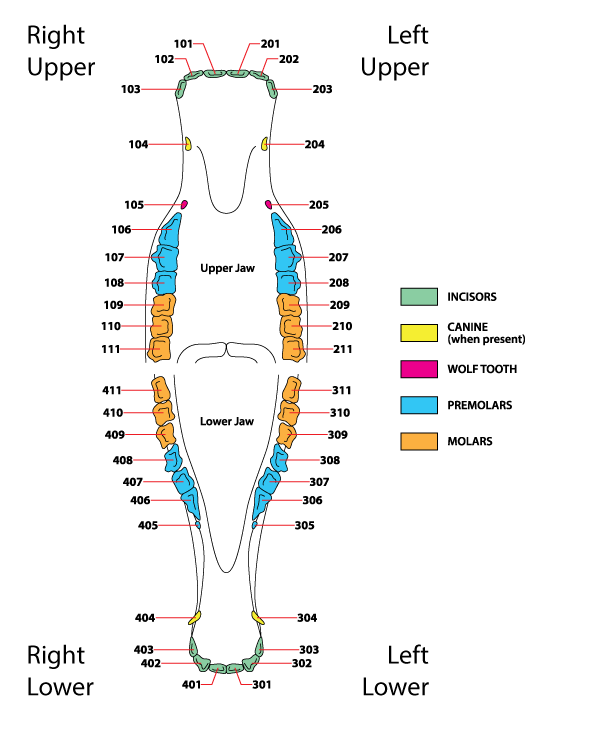
Horses have incisors, canines, premolars, and molars. Incisors cut grass and other food. Canines are small and mostly found in male horses. Premolars and molars grind food into smaller pieces. This chewing helps with digestion and nutrient absorption.
Dental Growth And Wear
Horse teeth grow continuously to replace worn surfaces. Chewing tough plants causes natural wear. This wear balances growth to keep teeth functional. Uneven wear can cause sharp edges and pain. Regular dental checks prevent such issues.
Common Dental Structures
Each tooth has a crown, neck, and root. The crown is the visible part above the gum. The neck connects the crown to the root. The root anchors the tooth inside the jawbone. Enamel covers the crown, protecting teeth from damage.
Credit: mojaveriverequine.com
Reading A Horse Dental Chart
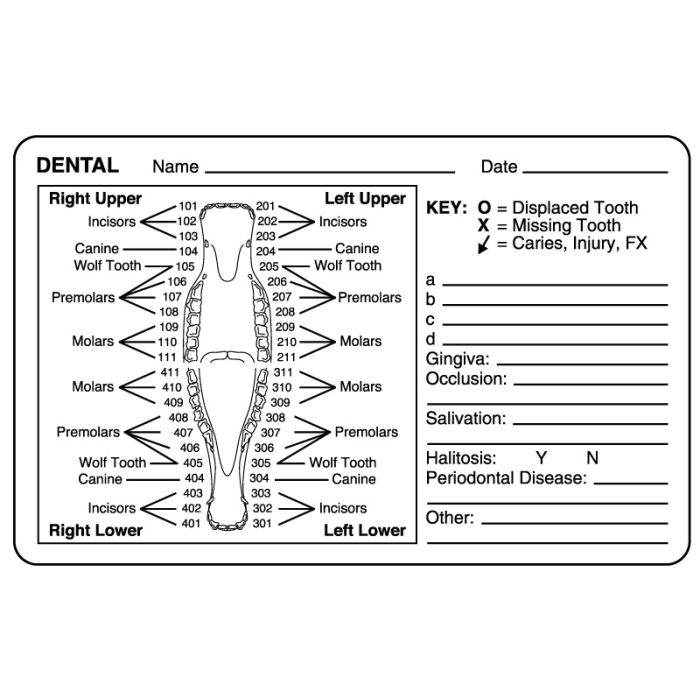
Reading a horse dental chart helps understand the horse’s oral health. It shows details about each tooth and any dental issues. This guide simplifies the chart to help you care for your horse better. Clear knowledge of the chart aids in spotting problems early.
Chart Layout And Symbols
The dental chart has rows and columns. Each row shows different types of teeth. Symbols mark the condition of teeth, like missing or worn down. Circles often mean healthy teeth. Crosses or shaded areas show problems or treatments.
Identifying Teeth Positions
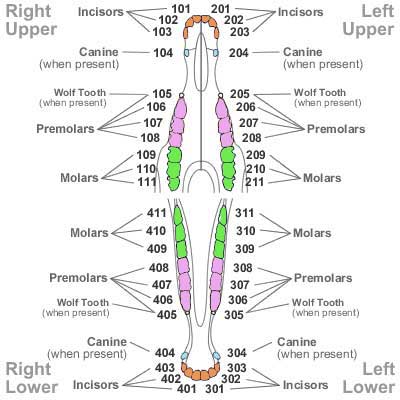
Teeth are numbered from front to back. Incisors are at the front, used for biting. Canines sit just behind incisors in some horses. Behind canines are premolars and molars, used for chewing. The chart shows each tooth’s exact place in the mouth.
Interpreting Dental Conditions
The chart notes common issues like sharp edges or cavities. It may show uneven wear or missing teeth. Markings help spot infections or gum problems. Understanding these signs helps plan dental care and avoid pain. Regular chart updates track changes over time.
Common Equine Dental Issues
Equine dental problems can affect a horse’s eating and behavior. Healthy teeth are key for good nutrition and comfort. Many common issues show signs that owners should notice early. Regular checks help catch problems before they worsen.
Understanding these common dental issues helps keep horses healthy and happy. Here are some frequent problems found in horse teeth.
Sharp Enamel Points
Sharp enamel points form on the edges of horse teeth. These points can cut the cheeks or tongue while chewing. They cause pain and make eating difficult. Regular dental floating smooths these sharp edges. This simple care prevents sores and discomfort.
Hooks And Ramps
Hooks and ramps appear as abnormal tooth growths. Hooks grow at the front or back of the teeth. Ramps form on the side surfaces. Both cause uneven chewing and jaw pain. They may lead to weight loss and bad breath. Dental work can remove these growths effectively.
Wave Mouth And Step Mouth
Wave mouth means the chewing surface looks wavy instead of flat. Step mouth happens when one tooth grows higher than the others. Both disrupt normal chewing and cause uneven wear. Horses may drop food or chew slowly. Treatment involves correcting the bite with dental care.
Tooth Decay And Abscesses
Tooth decay is rare but serious in horses. It causes cavities and weakens teeth. Abscesses form when infection reaches the tooth root. Signs include swelling, bad smell, and pain. These conditions need urgent veterinary treatment. Early care prevents severe damage and tooth loss.
Routine Dental Care Practices
Routine dental care is vital for a horse’s health and comfort. Proper dental maintenance helps prevent pain and eating problems. Regular attention to a horse’s teeth supports overall well-being and performance.
Knowing the right care steps improves the horse’s quality of life. Simple practices can avoid serious dental issues down the road.
Floating Techniques
Floating means filing a horse’s sharp teeth edges. This process smooths out uneven surfaces that cause pain. A professional uses special tools to gently file teeth. Floating helps horses chew better and avoid mouth sores. It must be done carefully to avoid injury.
Dental Checkup Frequency
Regular dental exams are important for early problem detection. Most horses need a checkup every six months. Some may need more frequent visits depending on age and diet. Consistent checks keep teeth healthy and catch issues early. This reduces discomfort and costly treatments later.
Tools And Equipment
Veterinarians use specific tools for horse dental care. Common tools include dental floats, speculums, and mirrors. Floats smooth the teeth, while speculums keep the mouth open safely. Mirrors help inspect hard-to-see areas. Proper equipment ensures safe and effective care.
Impact Of Dental Health On Horse Performance
Dental health plays a vital role in a horse’s performance. Poor teeth condition can cause pain and discomfort. This pain affects many aspects of a horse’s daily life. Proper dental care helps horses stay healthy and perform well.
Feeding And Digestion
Healthy teeth allow horses to chew food properly. Good chewing breaks food into smaller pieces. This helps the stomach digest food easily. If teeth are sharp or uneven, horses may avoid eating. Poor chewing can cause weight loss and low energy. Regular dental checks keep the horse eating well and strong.
Behavioral Changes
Pain from dental problems can change a horse’s behavior. Horses may become grumpy or restless. They might resist the bit during riding. Some horses drop food or chew slowly. These signs show discomfort and need attention. Fixing dental issues often brings back calm behavior.
Overall Well-being
Good dental health supports a horse’s overall well-being. It reduces pain and stress in daily life. Healthy teeth improve sleep and comfort. Horses with good dental care have better mood and energy. Regular dental care is a key part of horse wellness.
When To Consult A Veterinary Dentist
Knowing when to consult a veterinary dentist is crucial for your horse’s health. Dental issues can cause pain and affect feeding. Early detection helps prevent serious problems.
Regular dental checks are important. Watch for signs that suggest a dental exam is needed. Some issues require immediate professional care to avoid complications.
Signs Of Dental Pain
Horses with dental pain may drop food while eating. They might chew slowly or show a lack of interest in food. Bad breath or excessive salivation can also be warning signs. Head shaking or rubbing the mouth often indicates discomfort. Observe your horse’s behavior closely for any changes.
Emergency Dental Situations
Broken or loose teeth need urgent attention. Severe mouth bleeding or swelling requires quick dental care. Difficulty opening the mouth or persistent bad smell signals infection. Sudden weight loss linked to eating problems is an emergency. Act fast to avoid worsening the condition.
Specialized Treatments
Some dental problems need expert treatment beyond routine care. These include tooth extractions or correcting abnormal bite patterns. Advanced dental cleaning and repair might be necessary. A veterinary dentist uses special tools for precise care. Proper treatment improves comfort and overall health.
Maintaining Long-term Dental Health
Maintaining long-term dental health is key to keeping your horse comfortable and strong. Healthy teeth help horses chew food well and avoid pain. Careful attention to dental health ensures your horse stays active and happy for years.
Diet And Nutrition Tips
Good diet supports strong teeth. Feed your horse roughage like hay and grass. Avoid too many sugary treats. Provide fresh water daily. Balanced minerals like calcium and phosphorus help maintain healthy teeth. A proper diet reduces dental problems.
Regular Monitoring Strategies
Check your horse’s teeth often. Look for sharp edges, loose teeth, or changes in chewing. Schedule dental exams at least twice a year. Early detection of problems prevents serious damage. Use a dental chart to track changes over time.
Record Keeping And Chart Updates
Keep detailed records of dental exams and treatments. Update the dental chart after each visit. Note any issues found and work done. Good record keeping helps track your horse’s dental health history. It guides future care decisions effectively.
Credit: www.bradfordfamilydentist.ca
Credit: www.unitedadlabel.com
Frequently Asked Questions
What Is A Dental Chart Horse Used For?
A dental chart helps track a horse’s teeth age and health over time.
How To Read A Horse’s Dental Chart Correctly?
Look at tooth shape, wear, and eruption to estimate the horse’s age.
Why Is Horse Dental Care Important?
Healthy teeth help horses eat well and stay comfortable.
When Do Horse Teeth Change Or Grow?
Horse teeth change mostly between ages 2 and 5 years.
Can A Dental Chart Show Horse Age Accurately?
A dental chart gives a good estimate but not an exact age.
How Often Should Horse Teeth Be Checked?
Check horse teeth every 6 to 12 months for best health.
Conclusion
A dental chart for horses helps track their teeth health easily. It shows the age and condition of each tooth clearly. This guide supports better care and early problem detection. Knowing how to read the chart saves time and costs in the long run.
Regular checks keep horses comfortable and healthy. Use the chart to stay informed and care well for your horse. Simple steps lead to a happy, strong horse.
As an Amazon Associate, I earn from qualifying purchases.