If your dog has been diagnosed with stomach cancer, you’re probably overwhelmed and searching for answers. One of the hardest questions you might have is: how long does a dog with stomach cancer usually live?
Understanding this can help you prepare emotionally and make the best decisions for your furry friend’s care. You’ll find clear, straightforward information about the disease, what affects your dog’s prognosis, and what you can do to give your dog the best quality of life possible.
Keep reading—this knowledge can make a real difference for you and your pet.
Credit: wearethecure.org
Signs Of Dog Stomach Cancer
Recognizing the signs of dog stomach cancer early improves care and comfort. This illness affects your pet’s digestive system and can change daily habits. Watch closely for any unusual symptoms or behavior. Early detection helps your vet provide the best support possible.
Common Symptoms
Dogs with stomach cancer often show signs like vomiting and weight loss. Appetite might drop or disappear completely. You may see diarrhea or constipation. Some dogs have a swollen belly or stomach pain. These symptoms are important signals of trouble.
Behavioral Changes
Your dog might act tired or weak. It may avoid play or walks it usually enjoys. Restlessness or hiding can also happen. These changes show your dog is not feeling well. Notice if your pet becomes less social or more irritable.
When To See A Vet
Visit the vet if your dog vomits often or loses weight fast. If eating habits change or your dog seems in pain, don’t wait. Early vet visits help catch stomach cancer sooner. Timely care can ease symptoms and improve quality of life.
Causes And Risk Factors
Understanding the causes and risk factors of dog stomach cancer helps pet owners stay alert. This cancer type can develop due to several reasons. Some factors increase the chances more than others. Knowing these can aid early detection and care.
Genetic Predisposition
Some dog breeds inherit genes that raise cancer risk. These genetic traits pass from parent dogs to puppies. Certain breeds show higher rates of stomach cancer. Breeds like Belgian Shepherds and Staffordshire Bull Terriers face more risk. Genetic factors alone do not guarantee cancer but increase likelihood.
Diet And Environment
What a dog eats can affect stomach health. Diets low in fresh food and high in processed items may harm the stomach. Exposure to harmful chemicals or toxins in the environment also adds risk. Poor water quality and polluted air can play a role. Keeping a clean, safe living space benefits dog health.
Age And Breed Susceptibility
Older dogs have a higher chance of developing stomach cancer. Cancer risk grows as dogs age and their body weakens. Some breeds are naturally more prone due to their biology. Breeds like Chow Chows and Collies show higher susceptibility. Regular vet visits are vital for aging dogs and high-risk breeds.
Diagnosis Methods
Diagnosing stomach cancer in dogs requires careful and precise methods. Early detection helps in planning the right treatment. Veterinarians use several steps to confirm the presence of cancer and understand its severity. Each method provides valuable information about the dog’s health and the tumor.
Physical Examination
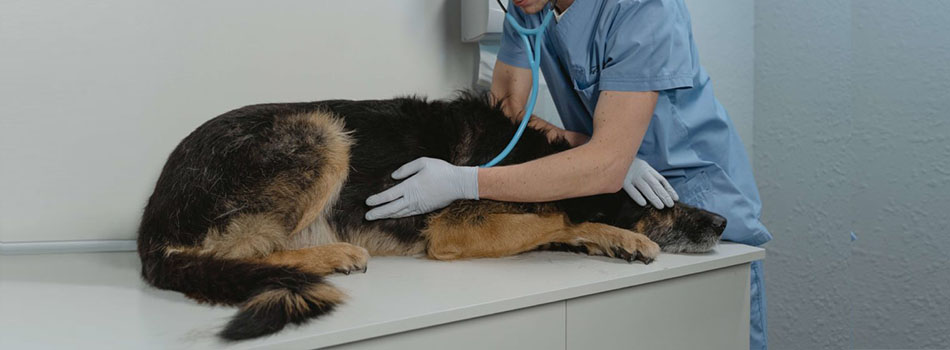
The first step is a physical exam. The vet checks the dog’s abdomen for swelling or pain. They also look for signs like weight loss or vomiting. These clues can suggest stomach problems. Physical exams guide the vet on what tests to do next.
Imaging Techniques
Imaging helps to see inside the dog’s body. X-rays can show abnormal shapes or masses in the stomach. Ultrasounds give a clearer picture of soft tissues. These images help locate tumors and check if cancer spread. Imaging is painless and quick for the dog.
Biopsy Procedures
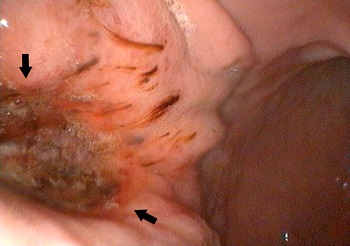
A biopsy is the most sure way to diagnose stomach cancer. The vet takes a small tissue sample from the stomach. This sample is studied under a microscope. It shows if cancer cells are present and what type they are. Biopsies may be done during endoscopy or surgery.
Treatment Options
Treatment options for dog stomach cancer vary by the cancer stage and the dog’s overall health. The main goal is to control the cancer and ease symptoms. Some treatments aim to remove the tumor. Others help slow cancer growth or improve the dog’s comfort.
Surgery
Surgery is often the first treatment step. It removes the tumor from the stomach. This can help extend the dog’s life. Surgery may not cure the cancer but can reduce pain. Recovery depends on the tumor size and location. Your vet will discuss if surgery is a good choice.
Chemotherapy
Chemotherapy uses drugs to kill cancer cells. It may follow surgery to target remaining cells. Sometimes, it helps shrink tumors before surgery. Chemotherapy can slow cancer growth and spread. Side effects may occur but vets manage them well. Treatment plans vary by case and dog’s health.
Palliative Care
Palliative care focuses on comfort and quality of life. It helps dogs with advanced cancer or when other treatments stop working. This care includes pain relief and managing symptoms. Feeding support and gentle exercise can improve wellbeing. Palliative care helps dogs feel better in their last days.
Survival Timeframes
Understanding survival timeframes for dogs with stomach cancer helps pet owners prepare. It shows what to expect and guides care decisions. Each dog’s situation is unique, so timeframes can vary widely. The following sections explain key factors, average life expectancy, and rare cases of longer survival.
Factors Influencing Prognosis
Several factors affect how long a dog may live with stomach cancer. The type of cancer plays a big role. Early detection often leads to better outcomes. The stage of cancer at diagnosis matters too. Dogs with less advanced cancer tend to live longer. The dog’s age and overall health also impact survival. Treatment options and response to therapy influence prognosis as well.
Average Life Expectancy
On average, dogs with stomach cancer live between three to six months after diagnosis. This estimate depends on the cancer’s progression and treatment. Without treatment, survival time may be shorter. Surgery combined with chemotherapy can extend life expectancy. Regular veterinary care improves comfort and quality of life during this time.
Cases With Extended Survival
Some dogs live much longer than expected despite a tough diagnosis. Early treatment and strong immune response help. Tumors that grow slowly give more time. In rare cases, dogs have lived over a year after diagnosis. These cases highlight the importance of personalized care and hope.
Improving Quality Of Life
Improving your dog’s quality of life is very important after a stomach cancer diagnosis. Focus on comfort and happiness. Small changes can make a big difference every day. Care routines help your dog feel better and stay strong.
Nutrition And Diet Tips
Choose easy-to-digest foods for your dog. Soft and bland meals work well. Small, frequent meals help avoid nausea and discomfort. Fresh water must always be available. Avoid foods that upset your dog’s stomach. Consult your vet for special diets or supplements. Good nutrition supports energy and healing.
Pain Management
Control your dog’s pain with the vet’s guidance. Use prescribed medications carefully and as directed. Watch for signs of pain like whining or restlessness. Comfortable bedding helps reduce pressure on the stomach. Gentle massages may soothe sore muscles. Keeping pain low improves your dog’s mood and activity.
Emotional Support
Offer lots of love and gentle attention. Stay calm and patient during care routines. Quiet time together helps your dog feel safe. Play soft music or use calming scents to reduce stress. Keep familiar toys and blankets nearby. Emotional support strengthens your bond and eases anxiety.
Preventive Measures
Preventive measures play a key role in managing your dog’s health. Taking steps early can help reduce the risk of stomach cancer. These actions also support your dog’s overall well-being. Small changes can make a big difference.
Regular Vet Checkups
Schedule vet visits at least twice a year. Vets can spot early signs of illness. Early treatment improves your dog’s chances of recovery. Routine exams keep vaccinations and health records updated. Discuss any unusual symptoms with your vet.
Healthy Lifestyle Choices
Feed your dog a balanced diet rich in nutrients. Avoid foods that cause stomach upset or allergies. Provide fresh water at all times. Ensure your dog gets daily exercise to maintain a healthy weight. Limit exposure to harmful chemicals and toxins.
Early Detection Benefits
Finding stomach cancer early helps start treatment sooner. Early care may extend your dog’s life. It can reduce pain and improve comfort. Regular checks and watching for symptoms aid early detection. Notice changes in appetite, vomiting, or weight loss quickly.
Credit: www.clearcaninecancer.com
Credit: www.rvc.ac.uk
Frequently Asked Questions
How Long Can Dogs Live With Stomach Cancer?
Survival varies but often ranges from a few weeks to several months.
What Symptoms Show Stomach Cancer In Dogs?
Common signs include vomiting, weight loss, appetite loss, and belly pain.
Can Stomach Cancer In Dogs Be Treated Successfully?
Treatment options exist but success depends on cancer stage and dog’s health.
Does Surgery Improve Life Expectancy In Dog Stomach Cancer?
Surgery may extend life, especially if cancer is caught early.
What Factors Affect A Dog’s Survival With Stomach Cancer?
Cancer type, stage, treatment, and overall health impact survival time.
How Can I Ease My Dog’s Pain From Stomach Cancer?
Pain relief and supportive care help improve comfort and quality of life.
Conclusion
Dog stomach cancer affects pets differently. Survival times vary based on treatment and cancer stage. Early diagnosis helps improve life quality and length. Talk to your vet for the best care plan. Comfort and love are key during this time.
Stay informed and watch your dog closely. Every day counts, so cherish each moment together.
As an Amazon Associate, I earn from qualifying purchases.