If you own a draft horse, you know how important it is to have the right halter. A draft horse halter isn’t just any piece of gear—it’s the key to keeping your horse safe, comfortable, and easy to handle.
But with so many options out there, how do you choose the best one for your horse? You’ll discover exactly what makes a draft horse halter stand out, what to look for, and how to pick the perfect fit for your powerful companion.
Keep reading, and you’ll find the answers that make your life—and your horse’s—so much better.
Credit: frontierequestrian.com
Choosing The Right Material
Choosing the right material for a draft horse halter is important. The material affects the halter’s strength, comfort, and how long it lasts. Picking the best option helps keep your horse safe and happy. Two common materials are leather and nylon. Each has its own benefits and drawbacks.
Leather Vs Nylon
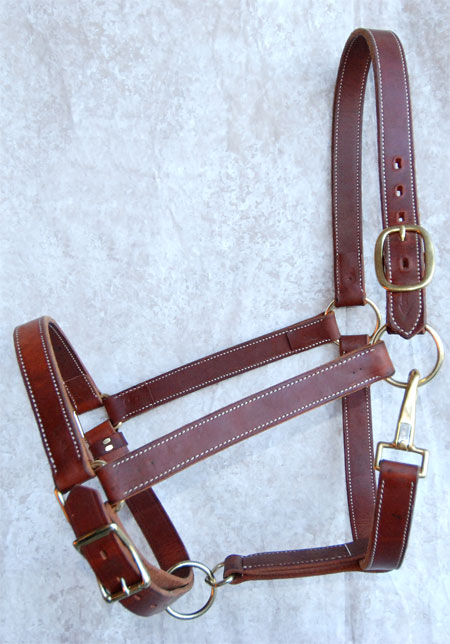
Leather halters look classic and strong. They soften with use and fit well. Leather is easy to clean but needs regular care. It can break if it gets wet or dry.
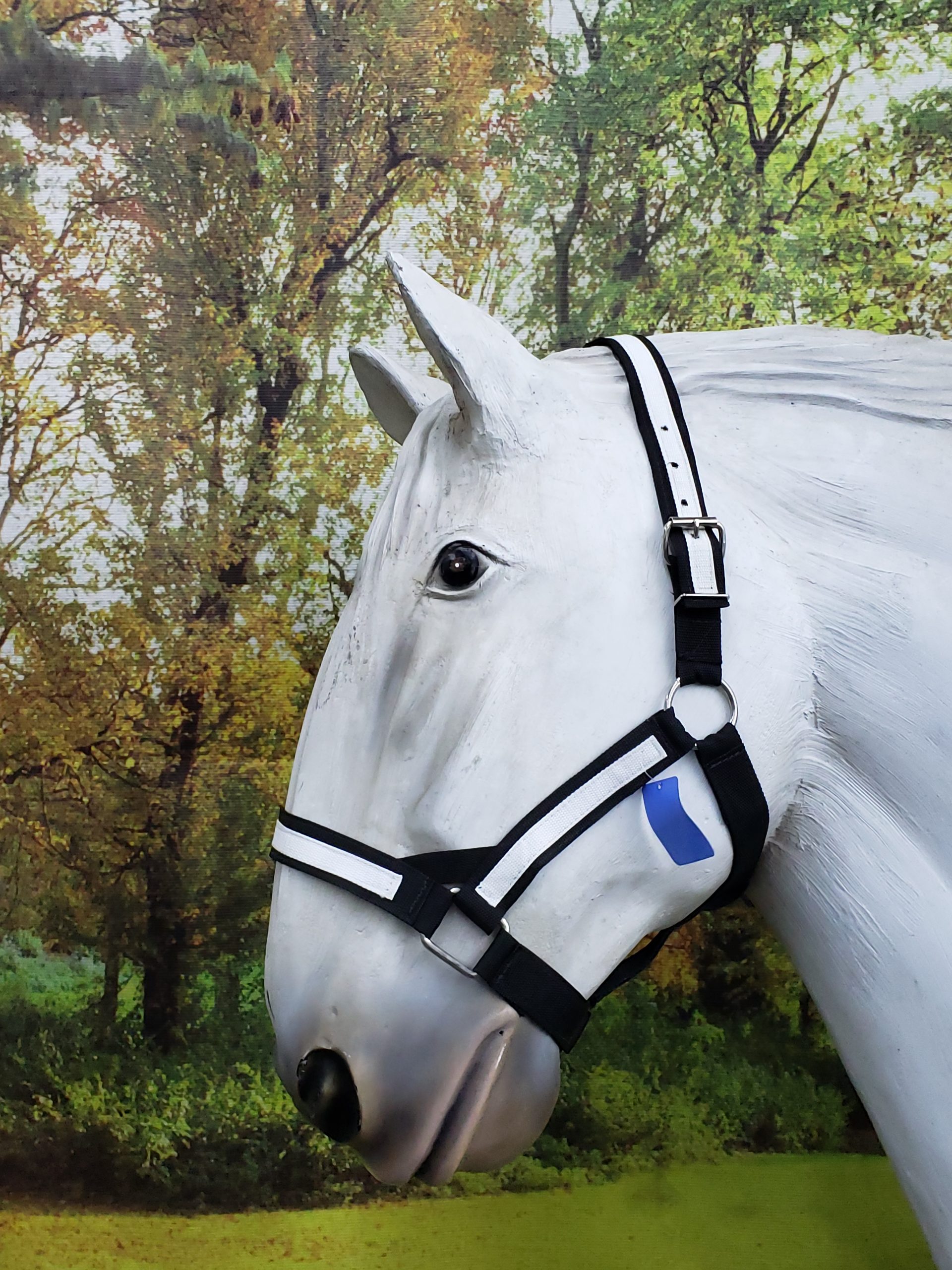
Nylon halters are bright and come in many colors. They are lighter and dry fast. Nylon is easy to wash and lasts in wet weather. Some nylon can rub the horse’s skin if it is rough.
Durability Factors
Durability depends on material quality and how you use the halter. Leather can last many years with care. It resists stretching but can crack if not oiled.
Nylon is strong and resists water damage. It holds color well but may fray over time. Check stitching and hardware for extra strength.
Comfort Considerations
Comfort matters for your horse’s health and behavior. Leather molds to the horse’s face and feels soft. It can prevent chafing if it fits right.
Nylon is less flexible but often padded. Padding helps stop rubbing and sores. Make sure the halter fits snugly but not tight.
Key Features Of Draft Horse Halters
Draft horse halters need to be strong and comfortable. They hold the horse safely without causing pain. Good halters fit well and last long. Knowing their key features helps in choosing the right one.
These halters must handle the strength of large draft horses. Comfort is important to avoid skin damage. Quality materials and hardware ensure safety and durability.
Adjustable Fit
Adjustable halters allow a perfect fit for each horse. Straps can be tightened or loosened easily. This prevents rubbing and discomfort. A good fit also stops the horse from slipping out.
Padding And Lining
Soft padding protects the horse’s skin. It reduces pressure on the nose and behind the ears. Lining inside the halter adds extra comfort. It helps avoid sores and irritation during long use.
Hardware Quality
Strong hardware keeps the halter secure. Buckles and rings must resist rust and breakage. Heavy-duty metal parts last longer and hold the horse safely. Check the quality before buying to ensure safety.
Measuring Your Draft Horse
Measuring your draft horse correctly is key to choosing the right halter. A well-fitted halter keeps your horse comfortable and safe. It also helps you control the horse better. Taking accurate measurements avoids costly returns or discomfort.
Head Size Guide
Start by measuring the horse’s head length from the poll to the muzzle. Next, measure the circumference around the horse’s nose, just below the cheekbones. Finally, measure the circumference behind the ears around the poll. These three numbers give a clear idea of the horse’s head size. Use a soft tape measure for accuracy. Write down each measurement clearly for reference.
Fitting Tips
Check that the halter fits snugly but not tightly. Leave space for two fingers between the halter and the horse’s skin. Adjust the noseband so it sits midway between the eyes and nostrils. The throat latch should be loose enough to allow easy breathing. Make sure the halter does not rub or pinch the horse. Regularly recheck the fit as horses can change size over time.
Common Measurement Mistakes
Do not pull the tape too tight when measuring. Avoid using a stiff ruler or metal tape. Measure the horse while calm and standing square. Avoid measuring when the horse’s head is tilted. Do not guess or round up numbers too much. Always double-check measurements before buying a halter.
Types Of Draft Horse Halters
Draft horse halters come in different types for various needs. Each type serves a special purpose. Choosing the right halter helps in handling and training draft horses safely. Understanding these types makes caring for draft horses easier.
Work Halters
Work halters are strong and durable. They are made to handle heavy use on farms or ranches. These halters hold well during tough tasks like pulling or moving heavy loads. They often have extra padding for comfort. The design keeps the horse secure while working.
Show Halters
Show halters look neat and elegant. They highlight the horse’s features during competitions. These halters are lighter and finer than work halters. Made from leather or polished materials, they add style without stress. Show halters focus on appearance and fit perfectly.
Training Halters
Training halters help teach horses new skills. They give better control for guiding and correcting behavior. Many training halters have special designs to apply gentle pressure. This helps horses learn commands quickly and safely. Training halters are important tools for beginners and pros alike.
Maintenance And Care
Proper maintenance and care extend the life of draft horse halters. Clean halters keep your horse comfortable. They also prevent damage and wear. Different materials need different care methods.
Cleaning Leather Halters
Use a soft brush to remove dirt first. Then, wipe with a damp cloth. Apply leather cleaner gently using a sponge. Avoid soaking the leather to prevent damage. Let it dry naturally, away from sunlight. Finish with leather conditioner to keep it soft.
Nylon Halter Care
Rinse nylon halters with warm water to remove dirt. Use mild soap for tougher stains. Scrub gently with a soft brush. Rinse well to remove all soap. Hang to air dry completely before use. Avoid using harsh chemicals that weaken fibers.
Storage Tips
Store halters in a cool, dry place. Avoid damp or direct sunlight areas. Hang halters on hooks to keep shape. Keep away from rodents and pests. Regularly inspect halters for signs of wear. Replace parts or halters if needed for safety.
Credit: www.mydrafthorse.com
Safety Tips For Halter Use
Using a draft horse halter safely protects both the horse and handler. Understanding key safety tips lowers risks during handling. Simple habits make a big difference in preventing accidents and injuries.
Proper Handling
Always approach your horse calmly and confidently. Speak softly to avoid startling it. Use slow, steady movements when putting on or taking off the halter. Keep your hands clear of the horse’s mouth and legs. Stand to the side to avoid getting stepped on or kicked. Hold the lead rope firmly but gently to control the horse without causing stress.
Avoiding Injuries
Check the halter fit to prevent rubbing or pinching. Loose halters can catch on objects, causing harm. Never tie a horse with a halter that can’t break away in emergencies. Avoid sharp edges or broken parts on the halter. Keep the area free of hazards where the horse is handled. Watch the horse’s behavior closely for signs of discomfort or fear.
When To Replace A Halter
Replace the halter if you notice frayed straps or broken buckles. Wear weakens the halter’s strength and safety. Change the halter if it no longer fits properly. A poor fit can cause chafing or escape. Regularly inspect the halter, especially after heavy use or accidents. Use a strong, well-maintained halter to keep your horse safe at all times.
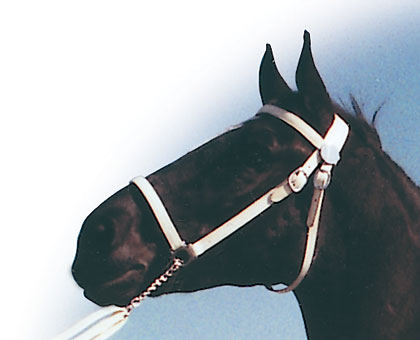
Credit: www.mydrafthorse.com
Frequently Asked Questions
What Is A Draft Horse Halter Used For?
A draft horse halter helps control and guide large horses safely and comfortably.
How Do I Choose The Right Size Halter?
Measure your horse’s head and select a halter matching those dimensions.
What Materials Are Best For Draft Horse Halters?
Strong nylon or leather materials offer durability and comfort for draft horses.
How Do I Properly Fit A Draft Horse Halter?
The halter should fit snugly but allow two fingers to fit underneath.
Can Draft Horse Halters Be Used For Training?
Yes, they help lead, train, and manage draft horses during handling.
How Do I Clean And Maintain A Halter?
Use mild soap and water, then air dry to keep the halter in good shape.
Conclusion
Choosing the right draft horse halter helps keep your horse safe and comfortable. A good halter fits well and lasts long. It also makes handling easier for you. Pay attention to materials and size before buying. A proper halter supports daily work and training.
Remember, a strong halter means a happy horse. Take your time to find the best fit. This small step improves your horse’s care and your experience. Simple but important.
As an Amazon Associate, I earn from qualifying purchases.