If you care for draft horses, you know how important their hooves are. Draft horse shoes play a big role in keeping your horse strong, comfortable, and ready to work.
But not all horseshoes are made the same. Choosing the right shoes can protect your horse from injury, improve performance, and even save you money on vet bills. You’ll discover everything you need to know about draft horse shoes—how they work, why they matter, and how to pick the best ones for your horse.
Keep reading to make sure your draft horse gets the care it deserves.

Credit: www.ebay.com
Types Of Draft Horse Shoes
Draft horse shoes come in different types to suit various needs. Each type offers unique benefits for the horse’s comfort and performance. Choosing the right shoe depends on the horse’s work and hoof condition.
Understanding the types helps owners and farriers make better decisions. Here are the main types of draft horse shoes commonly used.
Standard Steel Shoes
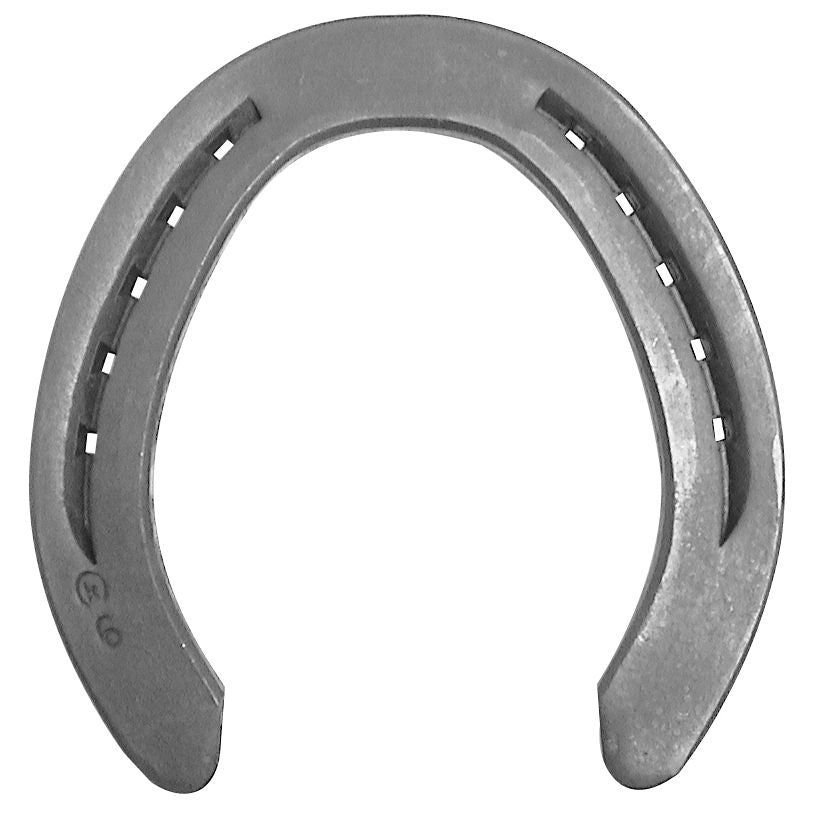
Standard steel shoes are the most common type for draft horses. They are strong and durable, perfect for heavy work. These shoes protect the hooves and provide good traction. Steel is heavy but lasts a long time. Farriers can shape steel shoes easily to fit the hoof well.
Aluminum Shoes
Aluminum shoes weigh less than steel shoes. This reduces the load on the horse’s legs. They are often used for horses that need more speed or less fatigue. Aluminum shoes wear faster but offer good shock absorption. These shoes help keep the horse comfortable during long work hours.
Composite And Rubber Options
Composite and rubber shoes are newer choices in the market. They provide excellent cushioning to protect the hooves. These shoes reduce impact and prevent slipping on hard surfaces. Composite shoes are lighter than steel but strong enough for draft horses. Rubber options add extra grip and comfort in wet conditions.
Choosing The Right Shoe Size
Choosing the right shoe size for draft horses is very important. A proper fit keeps the horse comfortable and safe. The right shoe supports the hoof and prevents injuries. It also helps the horse perform well in work or shows. Understanding how to measure and what affects shoe size is key.
Measuring Hoof Dimensions
Start by cleaning the hoof completely. Use a hoof gauge or ruler to measure the width across the widest part. Measure the length from the toe to the heel. Write down these numbers carefully. Measure all four hooves because sizes can differ. Accurate measurements help pick the best shoe size.
Factors Influencing Shoe Size
Hoof shape varies by breed and individual horse. Draft horses usually have bigger, wider hooves. Workload affects shoe choice; heavier work needs stronger shoes. The terrain also matters—soft ground may need different shoes than hard surfaces. Shoe wear and hoof health must be checked regularly. These factors guide the final shoe size decision.
Materials For Comfort And Strength
Draft horse shoes must balance comfort and strength for heavy work. The materials used affect how well the shoe protects the horse’s hooves. Strong materials support weight and rough terrain. Soft materials help absorb shocks and reduce strain. Choosing the right materials keeps horses healthy and able to work longer.
Steel Vs. Aluminum Durability
Steel shoes are strong and last longer. They resist wear from hard surfaces and heavy loads. Steel can handle rough ground without breaking.
Aluminum shoes are lighter but less tough. They wear out faster on rocky or hard surfaces. Aluminum reduces the horse’s leg weight, helping speed.
Steel suits heavy work and tough conditions best. Aluminum fits lighter tasks and faster horses.
Shock Absorbing Materials
Shock absorption lowers hoof and leg stress. Rubber pads or gel inserts cushion each step. These materials reduce impact and prevent injuries.
Soft pads also improve comfort on hard ground. They help horses stay sound during long workdays. Shock absorbing materials protect joints and tendons.
Fitting Techniques For Draft Horses
Fitting shoes for draft horses requires skill and care. Their large size and heavy weight need special attention. Proper shoe fitting keeps their hooves healthy and strong. It also helps prevent injuries and discomfort during work.
Each step in the fitting process matters. From trimming the hooves to shaping the shoes, precision is key. This section covers important techniques to fit draft horses with the right shoes.
Trimming Hooves Properly
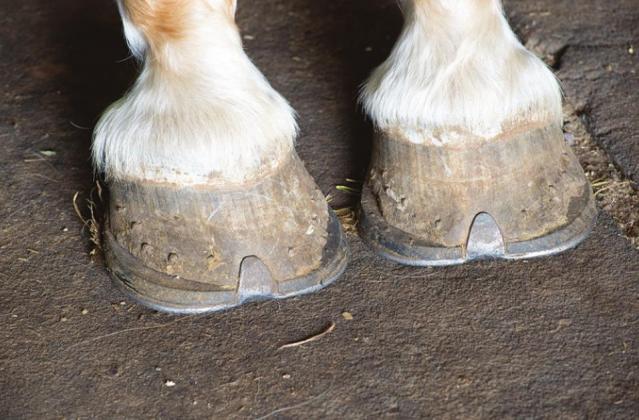
Trim hooves carefully before shoeing. Remove excess hoof wall to create a flat surface. Balance the hoof by checking the sole and frog. Keep the hoof shape natural and even. Proper trimming helps the shoe sit well and lasts longer.
Customizing Shoe Fit
Use shoes made for draft horses. Their size and shape must match the hoof exactly. Heat the shoe to shape it perfectly. Check the shoe’s width and length against the hoof. Nail the shoe gently without hurting the hoof. A custom fit supports the horse’s weight and movement.
Common Fitting Mistakes
Avoid shoes that are too big or small. Poor trimming can cause uneven pressure. Nails placed incorrectly may cause pain or infection. Using the wrong shoe type can lead to slipping or damage. Careless fitting reduces comfort and performance.
Maintenance And Care Tips
Draft horse shoes need regular care to keep your horse healthy and strong. Proper maintenance helps prevent injuries and improves performance. Simple steps can extend the life of the shoes and keep your horse comfortable.
Regular Inspection Routines
Check the shoes often for loose nails or cracks. Look at the hoof edges for signs of wear. Early detection of problems avoids bigger issues later. Make inspections a daily habit, especially after rides or work.
Cleaning And Replacing Shoes
Remove dirt and mud from shoes to prevent slipping. Use a stiff brush to clean thoroughly. Replace shoes every 6 to 8 weeks or if damaged. Proper fitting shoes help avoid hoof pain and injury.
Signs Of Wear And Damage
Watch for uneven wear or bent nails. Cracked or broken shoes need immediate attention. Pay attention if your horse limps or shows discomfort. These signs indicate a need for shoe care or replacement.
Enhancing Traction And Safety
Draft horses work hard on many surfaces. Their shoes must help them stay steady and safe. Good traction stops slipping and injuries. It also helps horses pull heavy loads more easily.
Choosing the right shoes for your horse can improve its grip. This keeps the horse comfortable and confident in its work. Safety is important for both the horse and handler.
Studs And Traction Devices
Studs are small metal pieces added to horse shoes. They dig into soft or slippery ground. This gives the horse a better grip. Traction devices vary in size and shape. Some are removable, allowing flexibility for different tasks.
Different studs work better on different surfaces. Some help on mud, while others suit icy or rocky areas. Using the right studs reduces the chance of falls. It also protects the horse’s joints from stress.
Terrain Considerations
Different lands need different shoe choices. Soft fields need shoes with good grip to avoid slipping. Hard roads require shoes that protect the hoof from wear. Rocky ground calls for durable shoes with extra traction.
Matching shoes to terrain helps the horse work well. It also keeps the horse’s hooves healthy. Changing shoes as the terrain changes keeps traction steady. This is vital for long work days and rough conditions.
Cost And Longevity Factors
Draft horse shoes play a big role in the horse’s performance and health. Understanding cost and longevity helps owners plan better. Knowing what affects price and how long shoes last saves money and keeps horses comfortable.
Initial Investment Vs. Durability
Draft horse shoes cost more than regular shoes. They are larger and made from strong materials like steel or aluminum. The price reflects the size and strength needed for heavy work.
Durability depends on the shoe material and the horse’s activity. Steel shoes last longer but weigh more. Aluminum shoes are lighter but wear out faster. Choosing the right shoe balances cost and how long it lasts.
Balancing Comfort And Expense
Comfort affects how well a horse works and stays healthy. Well-fitted shoes reduce pain and injury risk. Custom shoes cost more but offer better fit and comfort.
Cheaper shoes may save money upfront but cause issues later. Regular checks and proper shoe care extend shoe life. Good care means fewer replacements and less expense over time.
Credit: tnfarriersupply.com
Credit: www.lcnok.com
Frequently Asked Questions
What Are Draft Horse Shoes Made Of?
Draft horse shoes are usually made from strong steel or aluminum for durability.
How Often Should Draft Horse Shoes Be Replaced?
Shoes should be replaced every 6 to 8 weeks, depending on wear and activity.
Why Do Draft Horses Need Special Shoes?
Draft horses need extra support due to their heavy weight and strong work.
Can Draft Horse Shoes Prevent Hoof Injuries?
Yes, they help protect hooves and reduce the risk of injuries during work.
How Are Draft Horse Shoes Fitted Properly?
A farrier trims the hoof and shapes the shoe to fit the horse’s hoof.
What Types Of Draft Horse Shoes Exist?
Common types include standard steel shoes, rim shoes, and bar shoes for support.
Conclusion
Draft horse shoes protect heavy horses’ hooves during work. They provide extra support and durability on tough surfaces. Choosing the right shoes helps horses stay healthy and strong. Proper fitting prevents injuries and improves performance. Regular checks keep shoes in good shape and avoid problems.
Caring for draft horses starts with good hoof care. Strong shoes mean safer, happier horses every day. This simple step makes a big difference in horse health.
As an Amazon Associate, I earn from qualifying purchases.