If you work with draft horses, you know that having the right tack makes all the difference. Your horse’s comfort and your control depend on gear designed just for their size and strength.
But with so many options out there, how do you choose the best draft horse tack for your needs? This guide will help you understand the key pieces, what to look for, and how to ensure your horse performs at its best while staying comfortable.
Keep reading to discover everything you need to know to get the perfect fit and feel for your powerful partner.
Types Of Draft Horse Tack
Draft horse tack includes many types of equipment. Each piece has a special job. They help horses work safely and comfortably. Knowing the types of draft horse tack is important for proper care and use.
These tack types fit the size and strength of draft horses. They support pulling heavy loads and working long hours. The main types are harnesses, bridles and bits, collars and hames, and saddles and pads.
Harnesses
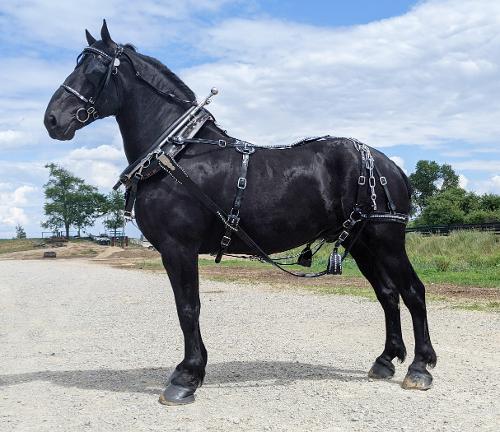
Harnesses hold the horse to the load it pulls. They spread the weight evenly across the horse’s body. Made of leather or synthetic materials, harnesses include straps, buckles, and rings. Proper fit prevents chafing and injury. Different harness styles suit different tasks like plowing or logging.
Bridles And Bits
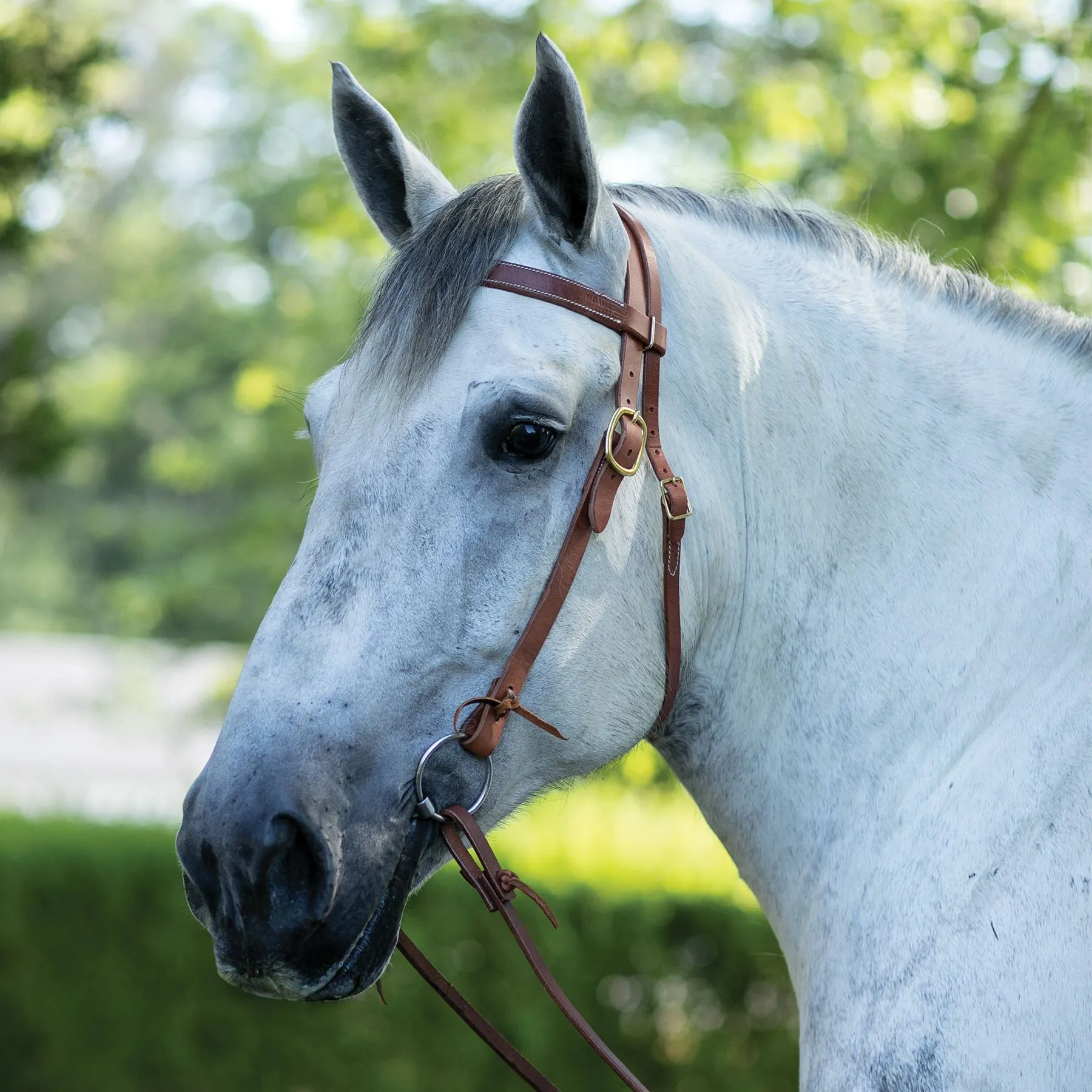
Bridles control the horse’s head and direction. The bit fits in the horse’s mouth. It helps the driver give commands. Draft horse bridles are strong and sturdy. They have thick straps to handle the horse’s power. Bits vary from simple to complex, depending on training and use.
Collars And Hames
Collars rest on the horse’s neck and shoulders. They allow the horse to push against the load. Hames are metal or wood pieces attached to the collar. They provide points to attach the traces and reins. A well-fitted collar and hames reduce strain and increase pulling efficiency.
Saddles And Pads
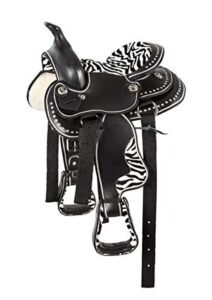
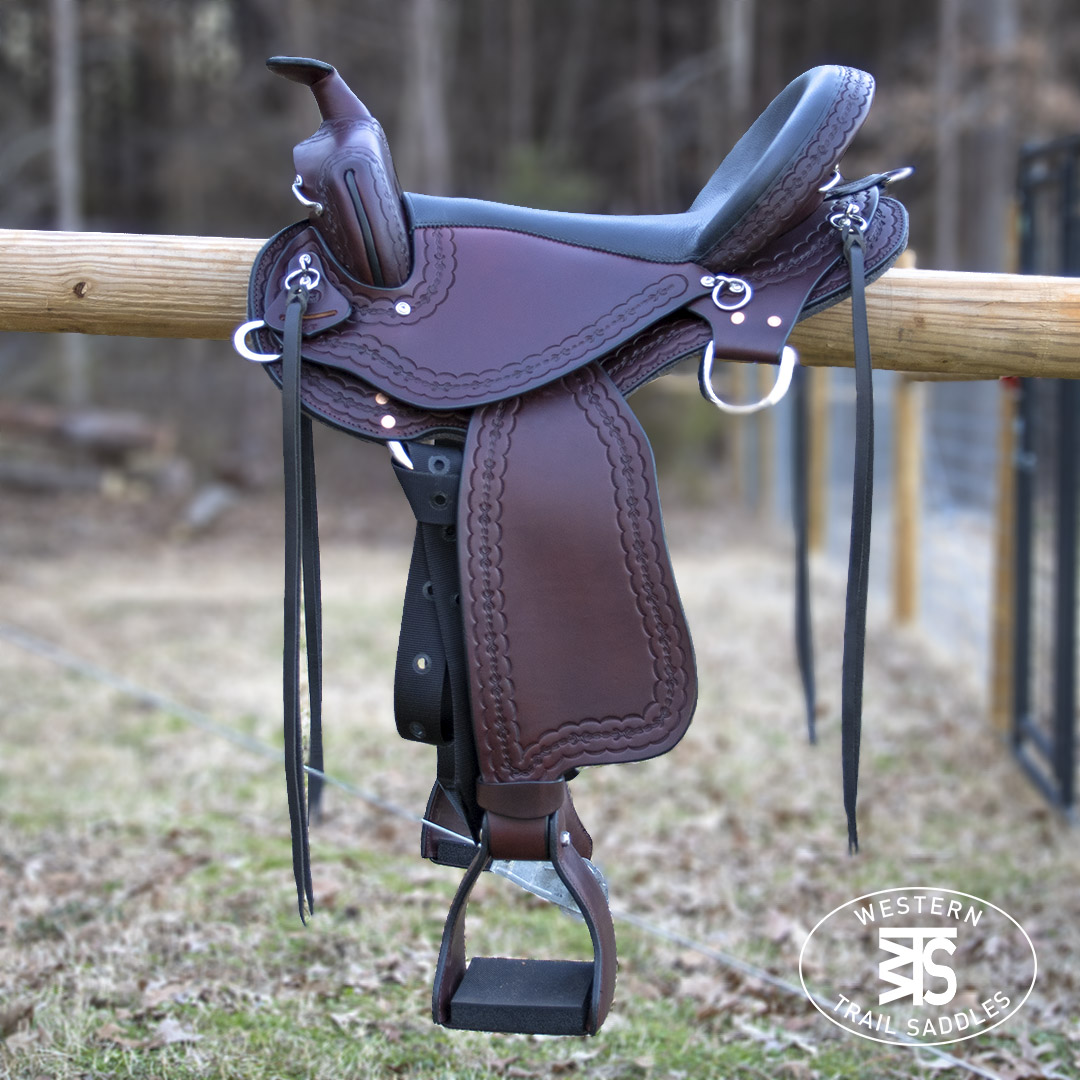
Saddles for draft horses differ from riding saddles. They often support riders or drivers while working. Pads go under saddles to cushion and protect the horse’s back. Both must fit well to avoid sores. Thick padding helps with comfort during long work hours.
Credit: www.sstack.com
Materials Used In Tack
Draft horse tack must be strong and durable. The materials used affect comfort, safety, and longevity. Choosing the right materials ensures the tack works well with the horse’s size and strength. This section covers common materials found in draft horse tack.
Leather Options
Leather is a traditional choice for draft horse tack. It is strong and flexible. Full-grain leather offers the best durability. It softens over time, making it more comfortable for the horse. Leather tack requires regular cleaning and oiling. This keeps it from drying out and cracking. Many tack makers use vegetable-tanned leather for its natural finish. It is also easier to repair if damaged.
Synthetic Alternatives
Synthetic materials are popular for their low cost and easy care. Nylon and biothane are common types. These materials resist water, dirt, and stains. They are lighter than leather, which some horses prefer. Synthetic tack does not need oiling or special cleaning products. It comes in many colors and styles. Some synthetic options mimic leather’s look but last longer in wet conditions.
Metal Components
Metal parts provide strength and security to tack. Stainless steel is common for buckles, rings, and clips. It resists rust and corrosion. Brass is another option, often used for decorative pieces. Metal parts must fit well and work smoothly. Poor-quality metal can cause injury or fail under stress. Strong, well-made metal components help keep the tack safe and reliable.
Choosing The Right Tack
Choosing the right tack for your draft horse is key to good performance and care. Tack includes all the equipment like saddles, bridles, and harnesses. Picking the right pieces helps your horse work well and stay happy. This guide covers the main points to consider.
Size And Fit
Draft horses are large and strong. Tack must fit their size perfectly. Too tight can hurt the horse. Too loose can cause slipping and accidents. Measure your horse carefully before buying tack. Check straps, buckles, and padding to ensure comfort. Proper fit helps avoid sores and injuries.
Purpose And Task
Different tasks need different tack. Pulling heavy loads needs strong, durable harnesses. Riding requires comfortable saddles made for big horses. Match the tack to the work your draft horse does. Using the right equipment makes work easier and safer for both of you.
Comfort And Safety
Comfort means less stress for your horse. Soft padding reduces rubbing and pressure points. Safety features like sturdy buckles and secure fastenings prevent accidents. Inspect tack often for wear and damage. Replace old or broken parts right away to keep your horse safe.
Credit: www.shipshewanaharness.com
Maintenance And Care
Proper maintenance and care of draft horse tack extend its life and keep horses comfortable. Regular attention prevents damage and ensures safety during rides. Clean, store, and repair tack with care to avoid costly replacements.
Cleaning Techniques
Remove dirt and sweat after every use. Use a soft brush to clean dust and mud. Mild soap and warm water work well for leather parts. Avoid soaking leather; wipe it gently. Let tack air dry away from direct sunlight. Apply leather conditioner to keep leather soft and strong.
Storage Tips
Store tack in a cool, dry place. Avoid damp areas to prevent mold and mildew. Hang bridles and harnesses to keep their shape. Use breathable covers to protect from dust. Keep tack away from pests like rodents. Regularly check stored tack for damage or wear.
Repair And Replacement
Inspect tack regularly for cracks or tears. Tighten loose buckles and straps promptly. Replace worn parts to ensure safety. Use strong thread and proper tools for repairs. Seek professional help for major fixes. Timely repairs save money and keep horses safe.
Customizing Tack For Performance
Customizing tack for draft horses is key to improving their work and comfort. Every horse is different. Adjusting tack helps match their strength and shape. Proper tack reduces strain and boosts their power. It also makes work safer and easier. Paying attention to details creates better performance and happier horses.
Adjustments For Strength
Draft horses need tack that fits their size and muscle. Stronger horses require thicker, tougher leather. Straps should be wide to spread pressure evenly. Reinforcements at stress points prevent wear and tear. Custom padding supports muscles and avoids chafing. These changes help the horse use strength without pain.
Enhancing Control
Control is vital for guiding draft horses safely. Tack adjustments improve rider signals and horse response. Nosebands and bits must fit comfortably but firmly. Properly placed reins give clear, gentle commands. Custom fittings reduce slipping and distractions. This control keeps both horse and handler calm and focused.
Balancing Weight
Draft horses carry heavy loads, so balancing tack weight matters. Evenly distributed weight prevents muscle strain. Saddles and harnesses should not press too hard on any spot. Lightweight materials can reduce overall burden. Balanced tack helps horses move steadily without extra effort. This balance supports endurance during long work hours.
Credit: westerntrailsaddles.com
Common Issues And Solutions
Draft horse tack is strong but faces common problems over time. These issues can affect the comfort of your horse and the tack’s durability. Knowing the problems and how to fix them helps keep your horse safe and happy.
Regular checks and care prevent many problems. Addressing small issues early saves money and effort later.
Wear And Tear
Tack made from leather and metal parts can wear out. Straps may crack or fray. Metal buckles can rust or bend. Check your tack often for signs of damage. Replace worn straps before they break. Clean and oil leather to keep it soft and strong.
Fit Problems
Ill-fitting tack can hurt your horse. Too tight straps cause pain and sores. Too loose tack may slip or cause accidents. Measure your horse carefully before buying. Adjust straps to fit snugly but not tight. Watch your horse’s behavior for signs of discomfort.
Preventing Injuries
Good tack fit and condition reduce injury risks. Soft padding helps protect your horse’s skin. Avoid sharp edges or rough spots on the tack. Inspect tack before each use. Replace any part that might cause rubbing or pinching. A comfortable horse performs better and stays healthier.
Frequently Asked Questions
What Is Draft Horse Tack Used For?
Draft horse tack is used to control and guide draft horses during work or riding.
How To Choose The Right Draft Horse Harness?
Select harnesses based on horse size, strength, and the type of work or pulling.
What Materials Are Best For Draft Horse Tack?
Leather and strong synthetic materials are durable and comfortable for draft horses.
How To Maintain And Clean Draft Horse Tack?
Clean tack regularly with saddle soap, and condition leather to keep it soft.
Can Draft Horse Tack Fit Different Horse Breeds?
Yes, adjustable tack fits various breeds but must suit the horse’s size and shape.
Why Is Proper Fitting Important For Draft Horse Tack?
Proper fit prevents discomfort, injury, and ensures better performance and safety for horses.
Conclusion
Choosing the right draft horse tack keeps your horse safe and comfortable. Good tack helps your horse work better and feel good. Always check the fit and quality before use. Clean and care for your tack regularly to last longer.
Understanding the basics makes handling easier and safer for both. This knowledge supports a strong bond between you and your horse. Keep learning and improving your tack skills step by step. Your draft horse will thank you with better work and trust.
As an Amazon Associate, I earn from qualifying purchases.