If you own a horse, knowing the early signs of Lyme disease can protect your beloved animal from serious health issues. Lyme disease often hides behind subtle symptoms that are easy to miss.
But catching it early can make all the difference in your horse’s recovery. You’ll discover the key warning signs to watch for and learn how to act quickly. Keep reading to safeguard your horse’s health before Lyme disease takes hold.
Lyme Disease Basics
Lyme disease is a serious illness that affects horses. It can cause pain and other health problems. Knowing the basics helps you spot signs early. Early detection can protect your horse from severe effects.
Understanding the cause and how horses get infected is key. This knowledge helps in prevention and timely care.
What Causes Lyme Disease
Lyme disease is caused by a bacteria named Borrelia burgdorferi. This bacteria lives in certain ticks. These ticks carry the bacteria and spread it to animals and humans. The bacteria can hide in the horse’s body and cause illness over time.
How Horses Contract Lyme Disease
Horses get Lyme disease through tick bites. Infected ticks attach to the horse’s skin. They feed and pass the bacteria into the horse’s blood. Most ticks are very small and hard to see. Horses grazing in wooded or grassy areas face higher risks. Checking horses for ticks after outdoor time is important.
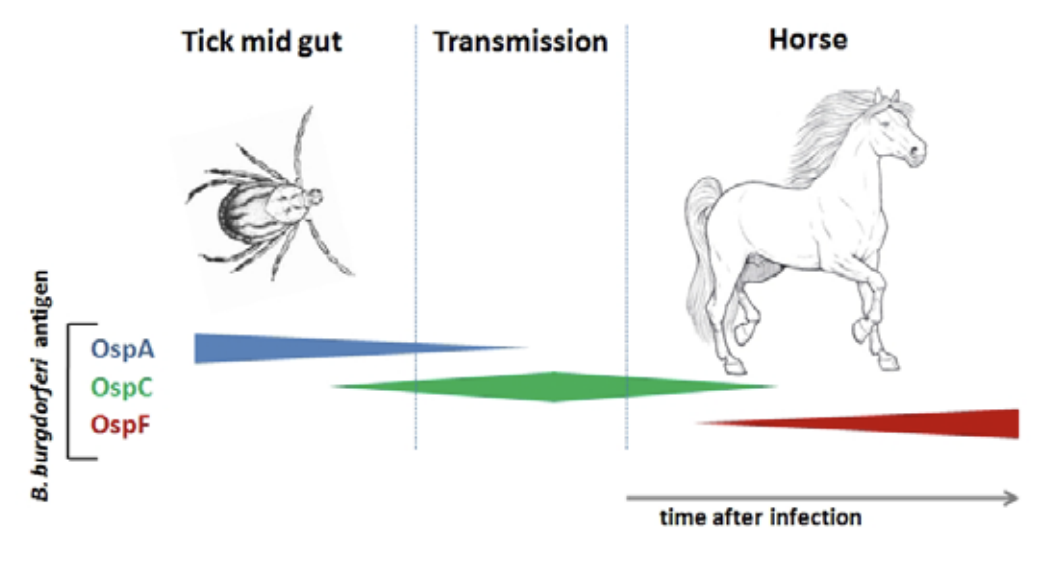
Credit: www.vet.cornell.edu
Initial Behavioral Changes
Early signs of Lyme disease in horses often show through changes in their behavior. These signs can be subtle. Owners may notice that their horse is not acting like usual. Watching closely helps catch the disease early. Catching it early means better care and faster recovery.
Reduced Activity Levels
A horse with Lyme disease may move less than before. It might seem tired or weak. This drop in activity is not normal for a healthy horse. The horse may also avoid running or playing. Simple tasks like walking can become harder. These changes happen because the disease affects the joints and muscles. Pay attention if your horse is less lively than usual.
Changes In Appetite
Another sign is a change in how much the horse eats. A horse with Lyme disease may eat less than normal. Sometimes, the horse refuses food for a day or two. This loss of appetite can lead to weight loss. It is important to note any drop in interest in food. This change often signals that the horse is feeling unwell.
Physical Symptoms
Physical symptoms are often the first signs of Lyme disease in horses. These signs can alert owners to a possible infection early. Recognizing these symptoms helps in seeking timely treatment. The infection mainly affects joints and overall energy levels.
Lameness And Joint Swelling
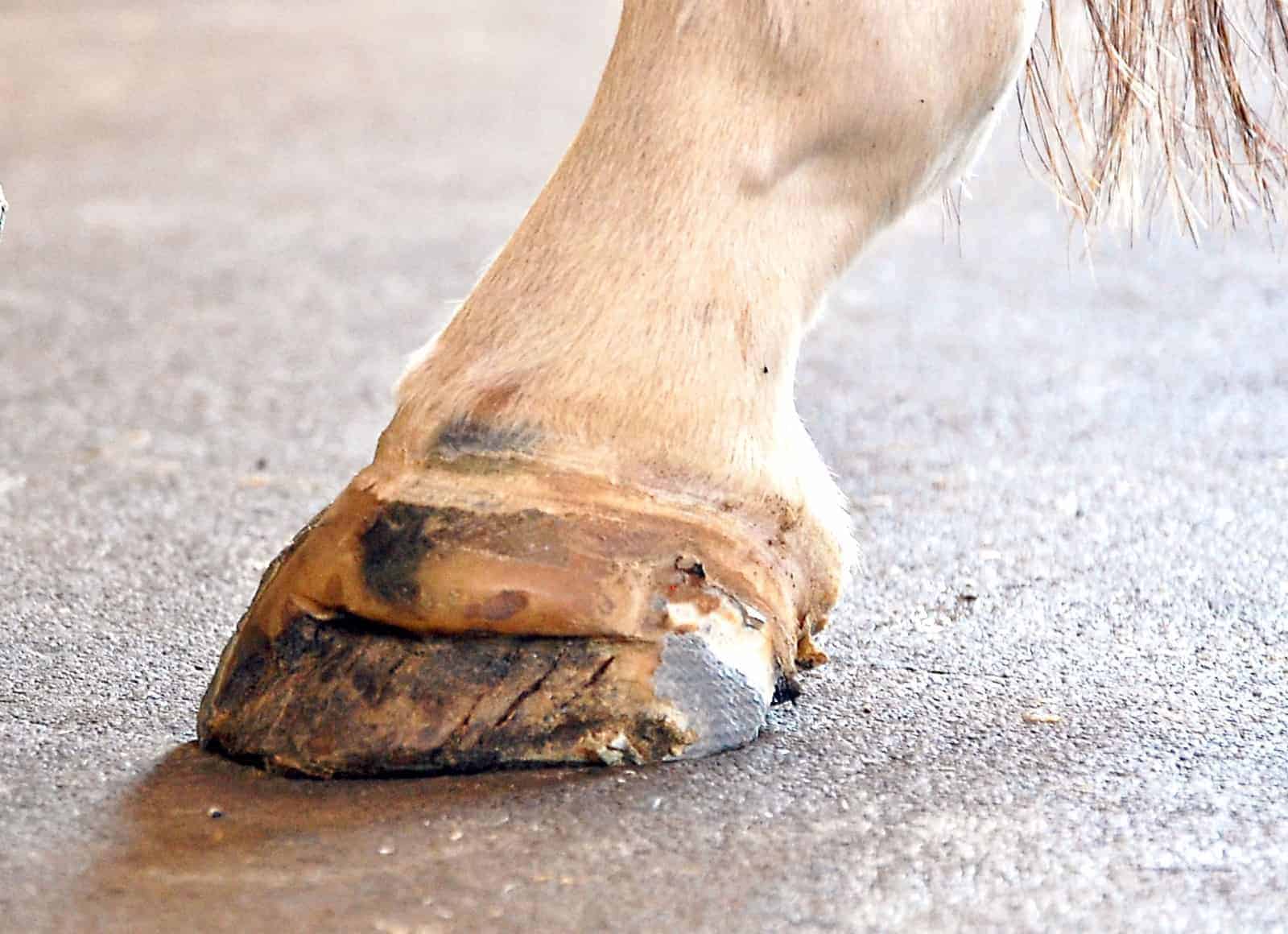
Lameness is a common early symptom of Lyme disease in horses. It may appear in one or more legs. The affected joints often swell and feel warm to touch. Horses might show stiffness and trouble moving. Joint swelling can cause discomfort and reluctance to move. Early detection of these signs is crucial for proper care.
Fever And Fatigue
Fever is another sign of Lyme disease in horses. It may come and go or stay constant. Fatigue follows, making horses less active than usual. They may seem tired and weak even with little exercise. This drop in energy can affect their daily routine. Monitoring temperature and energy helps in spotting the illness early.
Neurological Signs
Neurological signs in horses can signal early Lyme disease. The infection can affect the horse’s nervous system. This leads to visible problems in movement and balance. Detecting these signs early helps in quick treatment and better recovery.
Muscle Weakness
Muscle weakness is a common neurological sign. Horses may struggle to stand or walk normally. Their muscles may feel soft or limp. You might see trembling or difficulty lifting legs. This weakness can affect one side or the whole body. It shows the nervous system is not working well.
Head Tilt And Coordination Issues
Head tilt is a clear sign of nerve problems. The horse may hold its head to one side. This happens because the infection disrupts balance control. Coordination issues include stumbling or wobbling. Horses might have trouble turning or walking straight. These signs point to Lyme disease affecting the brain or nerves.
Skin And Coat Indicators
Skin and coat changes often signal early Lyme disease in horses. These signs may appear before other symptoms. Noticing them can help catch the illness early. Watch your horse’s skin and coat carefully. Changes might seem small but are important.
Hair Loss
Hair loss can show up in patches. The coat may look thin or uneven. This happens because the infection affects the skin’s health. The horse might scratch or rub more than usual. Spots without hair should not be ignored. They could mean Lyme disease is developing.
Skin Sensitivity
The skin may become tender or sore. Your horse might flinch when touched in certain areas. Redness or swelling can appear on the skin. These signs suggest irritation linked to Lyme disease. Sensitive skin often causes discomfort for the horse. Early attention helps prevent more serious problems.
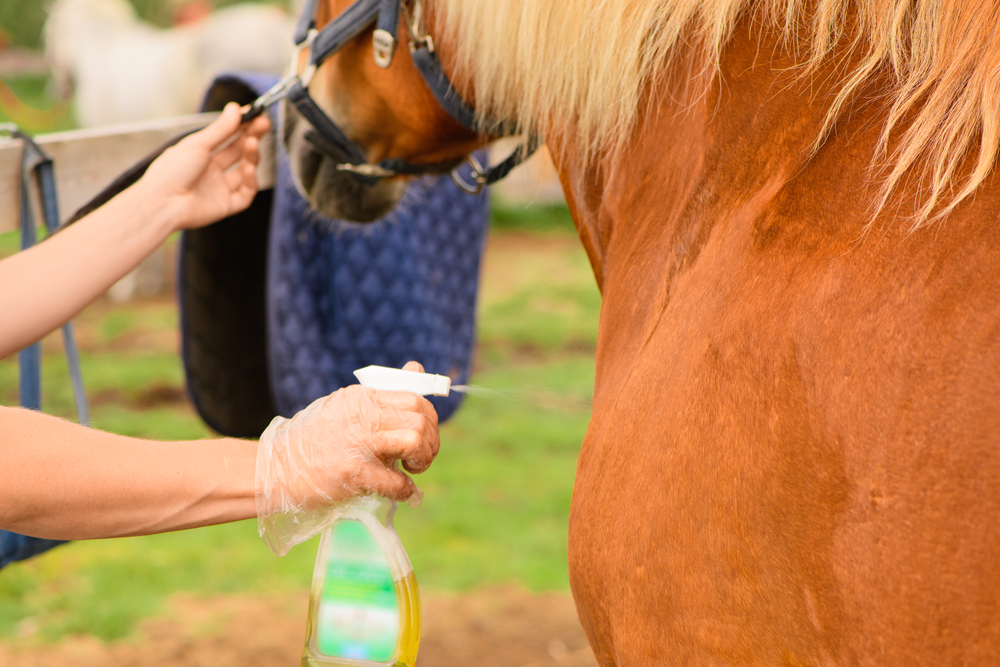
Credit: leatherstockingvetgroup.com
Diagnostic Challenges
Diagnosing Lyme disease in horses is not easy. Early signs often look like other common horse illnesses. This makes it hard for vets to identify the disease quickly. Getting the right diagnosis is important to start treatment early. Without clear signs, the process becomes tricky and time-consuming.
Similarities With Other Conditions
Lyme disease symptoms often mimic other horse conditions. Joint pain and lameness appear in many illnesses. Fever and lethargy also show up in several infections. These overlaps cause confusion for vets. Misdiagnosis can delay proper care. Careful observation and ruling out other diseases is necessary.
Testing Methods
There is no single test that confirms Lyme disease in horses. Blood tests can detect antibodies but may not show current infection. Some horses carry antibodies without being sick. This makes test results hard to interpret. Vets often rely on a mix of tests and clinical signs. Repeated testing may be needed for accurate diagnosis.
When To Contact A Vet
Knowing when to contact a vet is key in managing Lyme disease in horses. Early signs can be subtle. Acting quickly can save your horse from severe illness. Watch for unusual behavior or symptoms that last more than a day. Trust your instincts and seek professional advice early.
Early Intervention Benefits
Early treatment helps stop the disease from worsening. It reduces the chance of long-term damage. The vet can provide the right medicine fast. This speeds up your horse’s recovery. Early care also lowers treatment costs over time.
Monitoring Symptom Progression
Keep a close eye on your horse’s symptoms daily. Note any changes in mood, movement, or appetite. Record new signs like lameness or swelling. Share this information with your vet. It helps them decide on the best treatment steps.
Credit: thehorse.com
Frequently Asked Questions
What Are The First Signs Of Lyme Disease In Horses?
Early signs include fever, lameness, swelling, and loss of appetite in horses.
How Soon Do Lyme Disease Symptoms Appear In Horses?
Symptoms usually appear within 1 to 5 months after a tick bite.
Can Lyme Disease Cause Lameness In Horses?
Yes, Lyme disease often causes shifting lameness and joint pain in horses.
How Is Lyme Disease Diagnosed In Horses?
Veterinarians use blood tests and clinical signs to diagnose Lyme disease.
What Treatments Work Best For Lyme Disease In Horses?
Antibiotics like doxycycline are commonly used to treat Lyme disease effectively.
Can Lyme Disease Be Prevented In Horses?
Tick control and avoiding tick-infested areas help prevent Lyme disease in horses.
Conclusion
Noticing early signs of Lyme disease helps protect your horse’s health. Watch for changes in behavior, movement, or appetite. Early care can prevent serious problems later. Talk to your vet if you see any symptoms. Acting fast keeps your horse strong and comfortable.
Stay alert and keep your horse safe from Lyme disease. Small steps today mean a healthier horse tomorrow.
As an Amazon Associate, I earn from qualifying purchases.