Are you looking for a simple and effective way to keep your horses safe and secure? An electric fence for horses kit might be exactly what you need.
Imagine having a reliable fence that not only protects your horses but is also easy to set up and maintain. You’ll discover how the right electric fence kit can save you time, reduce stress, and give your horses the freedom they deserve—all while keeping them safely contained.
Keep reading to find out how to choose the perfect kit for your needs and what to look for to ensure your horses stay happy and protected.
Choosing The Right Electric Fence Kit
Choosing the right electric fence kit is important for keeping horses safe and secure. The right kit makes installation easier and provides reliable performance. It helps protect horses without causing harm. Understanding different kits and features helps pick the best option. Knowing your horse’s needs ensures the fence works well.
Types Of Kits Available
Electric fence kits come in many types. Some kits include a charger, wire, and posts. Others offer just the charger and let you add parts. Solar-powered kits use sunlight, good for remote areas. Plug-in kits need an electric outlet nearby. Choose a kit that fits your location and budget.
Key Features To Look For
Look for a charger with enough power for your fence length. The voltage should be safe but strong to deter horses. Check if the kit includes durable wires and sturdy posts. Easy installation tools help save time and effort. Weather resistance is important for outdoor use.
Assessing Your Horse’s Needs
Consider your horse’s size and behavior. Bigger horses need stronger fences. Some horses may test the fence more, needing higher voltage. Think about the area size you want to fence. A larger area needs a more powerful charger. Safe fencing keeps horses calm and protected.
Essential Components Of The Kit
Electric fence kits for horses include several key parts. Each part plays a role in keeping horses safe and secure. Knowing these components helps you set up the fence correctly. This guide explains the most important parts in the kit.
Fence Energizer Options
The fence energizer powers the electric fence. It sends pulses of electricity through the wire. Choose between solar, battery, or mains-powered energizers. Solar energizers work well in sunny areas. Battery energizers are good for remote places. Mains-powered units need a power outlet nearby. Pick one based on your fence size and location.
Wires And Tape Choices
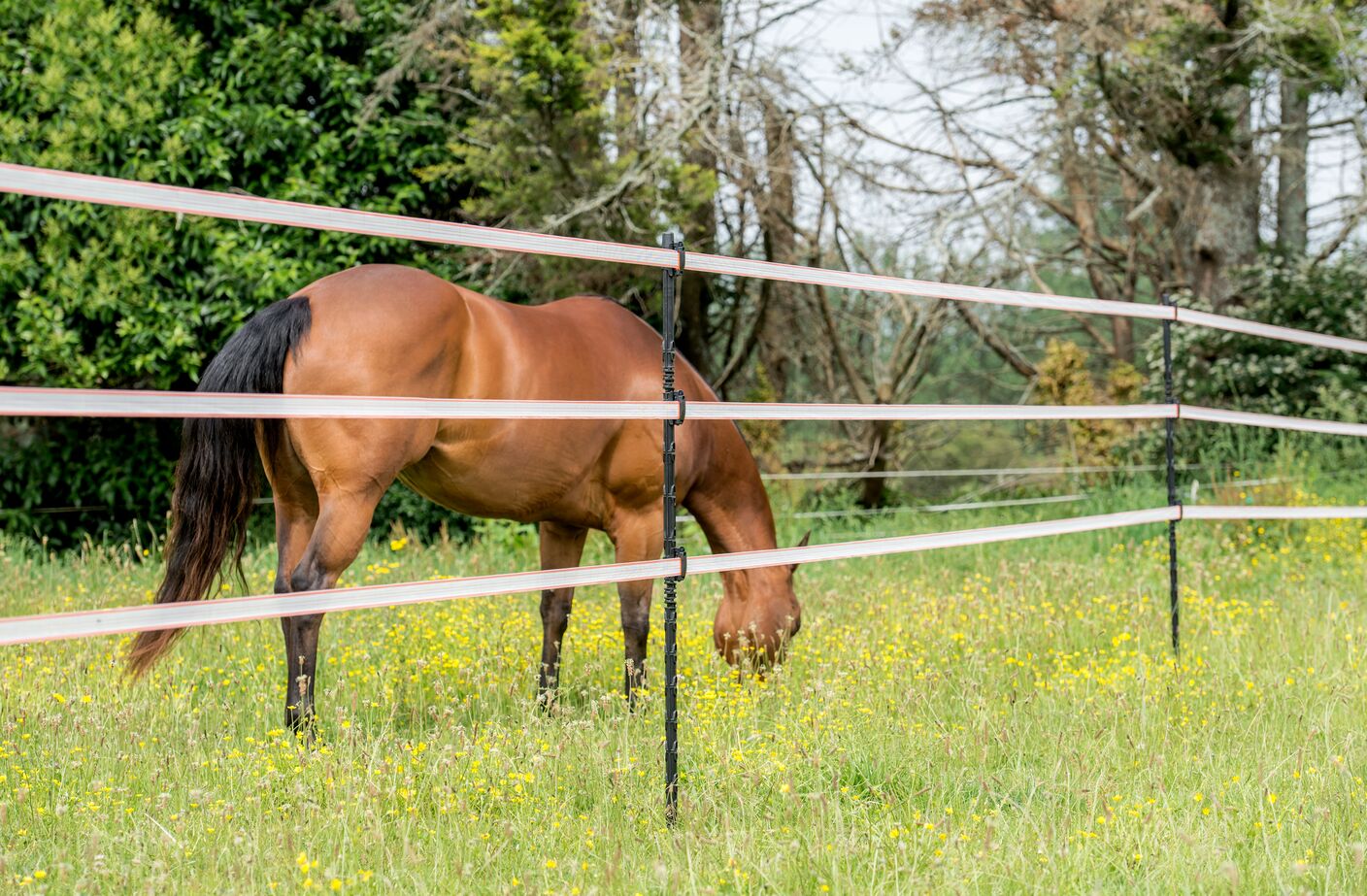
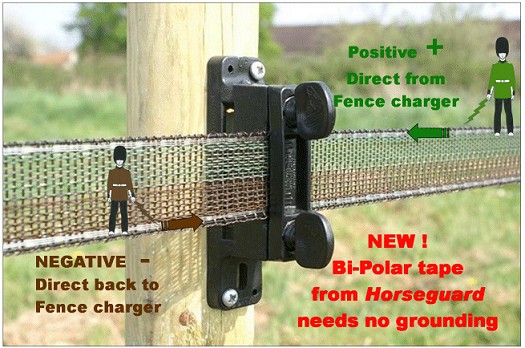
Fence wire or tape carries the electric charge. Wire is strong and lasts longer. Tape is visible and safer for horses. Both come in different thicknesses and materials. Stainless steel wire resists rust. Poly tape is lightweight and easy to handle. Choose based on your fence length and horse type.
Posts And Insulators
Posts hold the wires or tape in place. You can use wood, plastic, or metal posts. Plastic posts are light and easy to move. Wood posts are sturdy for permanent fences. Insulators keep the wires from touching the posts. They stop the electric current from grounding out. Install insulators at every post for best results.
Step-by-step Setup Guide
Setting up an electric fence for horses is easier than many think. This guide breaks the process into clear steps. Follow each step carefully for a safe and strong fence. Good preparation and careful installation protect your horses effectively.
Planning Your Fence Layout
Start by choosing the fence area. Measure the space to know how much material you need. Mark corners and gate spots clearly. Think about natural obstacles like trees or rocks. Plan the fence to keep horses safe and contained. A well-planned layout saves time during installation.
Installing Posts And Insulators
Place posts at marked points. Use strong posts for corners and gates. Push or dig holes deep for stability. Attach insulators to posts to hold wires or tape. Make sure insulators fit tightly and face outward. Check posts are straight before fixing insulators.
Stringing The Wire Or Tape
Unroll wire or tape along the posts. Keep the wire or tape tight to avoid sagging. Attach it securely to each insulator. Leave no gaps where horses might escape. Use gloves to protect your hands while working. Proper tension prevents damage and improves safety.
Connecting The Energizer
Place the energizer near a power source. Connect the energizer to the fence wire or tape. Attach the ground wire to a metal rod driven into the soil. Check all connections are tight and secure. Turn on the energizer and test the fence. The electric pulse should be steady and strong.
Credit: am.gallagher.com
Safety Tips For Horses And Handlers
Keeping horses and handlers safe around an electric fence is very important. Electric fences can protect horses from wandering off. They also keep unwanted animals out. Safety tips help avoid accidents and injuries. Understanding how to use the fence correctly is key.
Proper Voltage Levels
Set the fence voltage to a safe level for horses. Too high voltage can scare or hurt them. Too low voltage might not stop horses from touching the fence. Aim for 2,000 to 4,000 volts. This range is enough to keep horses alert without harm. Use a fence tester to check the voltage regularly.
Avoiding Common Hazards
Keep the fence area clear of objects that horses can get tangled in. Remove branches or debris near the fence line. Avoid placing the fence too close to water sources or feed areas. Check for loose wires or broken insulators. These can cause shocks or injuries to horses and handlers. Always wear gloves when handling the fence wires.
Regular Maintenance Checks
Inspect the electric fence at least once a week. Look for broken wires, loose connections, and damaged insulators. Test the voltage during each check. Fix any problems immediately to keep the fence working well. Clean the fence from dirt or vegetation that may lower its power. Regular care extends fence life and ensures safety.
Troubleshooting Common Issues
Troubleshooting common issues with your electric fence for horses kit is important. It helps keep the fence working well and your horses safe. Many problems are easy to fix with some basic checks and steps. This guide covers key issues you might face.
Power Supply Problems
Check the power source first. Make sure the charger is plugged in correctly. Look for blown fuses or tripped breakers. Replace batteries if your charger uses them. A weak power supply means the fence won’t work properly. Test the voltage with a meter for accuracy.
Fence Line Breaks
Look closely along the fence for broken wires or loose connections. Animals and weather can cause damage. Fix any breaks by reconnecting or replacing wires. Use proper connectors to keep the line strong. Regular inspections help catch breaks early.
Signal Loss Causes
Signal loss happens when the electric pulse can’t travel fully. Check for overgrown plants touching the fence; they drain power. Wet or damaged insulators cause shorts. Make sure wires are not touching the ground. Clear vegetation and replace faulty parts to restore the signal.
Credit: www.horseguardfence.com
Benefits Of Electric Fencing For Horses
Electric fencing offers many advantages for horse owners. It provides a safe and reliable way to keep horses inside a designated area. This type of fence helps prevent horses from escaping or injuring themselves.
Electric fences are easy to install and maintain. They use a mild electric pulse that trains horses to respect the boundary. This makes managing horses simpler and less stressful for owners.
Effective Containment
Electric fences deliver a gentle shock that horses quickly learn to avoid. This keeps horses safely inside the fenced area. The fence acts as a strong, clear barrier without harming the animals. It reduces the chance of horses pushing through or breaking the fence.
Cost And Time Savings
Electric fencing is less expensive than many traditional fence types. It requires fewer materials and less labor to build. Maintenance takes less time because repairs are simple. Owners save money and effort over the fence’s lifetime.
Flexibility And Scalability
Electric fences can be adjusted to fit different spaces. They work well for small paddocks or large pastures. Adding more fencing is easy and quick. This flexibility suits changing needs and growing properties.

Credit: www.amazon.com
Frequently Asked Questions
What Is Included In An Electric Fence For Horses Kit?
A typical kit includes energizer, wires, posts, insulators, and a ground rod for easy setup.
How Does An Electric Fence Keep Horses Safe?
It delivers a mild shock that teaches horses to stay away from the fence.
Can I Install The Electric Fence Kit By Myself?
Yes, the kits are designed for easy DIY installation with clear instructions.
How Much Space Can One Electric Fence Kit Cover?
Coverage depends on the energizer power, usually between 5 to 40 acres per kit.
What Maintenance Does An Electric Horse Fence Require?
Check wires, insulators, and energizer regularly to ensure proper function and safety.
Are Electric Fences Safe For All Horse Breeds?
Yes, electric fences work safely for all breeds when installed and used correctly.
Conclusion
Choosing the right electric fence kit keeps horses safe and secure. It controls their movement without harm. Easy setup saves time and effort on your farm. Good fences protect horses from outside dangers. Regular checks ensure the system works well.
This simple tool helps manage your horses better. Trust the kit for a safe environment. Your horses will stay happy and healthy. A reliable fence supports your daily care. Safety and ease go hand in hand.
As an Amazon Associate, I earn from qualifying purchases.