If you own a horse or are thinking about getting one, knowing how to properly equip your horse is essential. The right gear can make a huge difference in your horse’s comfort, safety, and performance.
Whether you ride for fun, competition, or work, choosing the best equipment helps you build a stronger bond with your horse and enjoy every moment together. Ready to discover what you really need and avoid common mistakes? Keep reading, and you’ll find simple tips to equip your horse the right way.
Credit: www.equiphorse.com
Tack Basics
Tack is the basic gear used to ride and control a horse. It includes items that help the rider stay safe and guide the horse properly. Understanding the main tack pieces is important for any horse rider.
Each part of the tack has a special role. Knowing these parts helps in choosing the right equipment for the horse and rider. Let’s explore the key tack basics.
Saddles And Their Types
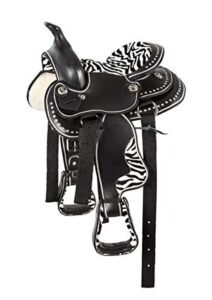
Saddles provide a seat for the rider on the horse’s back. They protect both the horse and rider during riding. There are different types of saddles made for various activities.
English saddles are light and used in jumping or dressage. Western saddles are heavier and designed for comfort during long rides. Each saddle fits different riding styles and horse shapes.
Bridles And Bits
Bridles hold the bit and help control the horse’s head. They include straps that go around the horse’s face. The bit fits inside the horse’s mouth and helps guide the horse.
Bits come in many shapes and sizes, each giving different pressure. A gentle bit works for calm horses. Stronger bits may be needed for difficult horses. Choosing the right bit is key for clear communication.
Stirrups And Leathers
Stirrups are footrests attached to the saddle by leathers. They help the rider balance and stay secure on the horse. Stirrups come in various styles to suit different riders.
Leather straps, called leathers, connect the stirrups to the saddle. They are adjustable to fit the rider’s leg length. Good-quality stirrups and leathers improve safety and comfort during rides.
Protective Gear
Protective gear is crucial for horses and riders. It keeps them safe during riding and training. Good gear prevents injuries and helps horses stay comfortable. Horses need protection for their legs, eyes, and body. Riders need helmets to protect their heads. This gear supports health and performance.
Leg Boots And Wraps
Leg boots protect horses’ legs from knocks and scrapes. They support tendons and ligaments during exercise. Wraps provide extra cushioning and help reduce swelling. Both are easy to put on and remove. Choose boots and wraps that fit well and stay in place.
Fly Masks And Sheets
Fly masks keep insects away from horses’ eyes and face. They stop irritation and infections from flies and bugs. Fly sheets cover the horse’s body to block insects too. These items are made from light, breathable materials. They allow air to flow while offering protection.
Safety Helmets For Riders
Safety helmets protect riders from head injuries. They absorb impact during falls or accidents. Helmets should fit snugly and feel comfortable. Choose helmets that meet safety standards and offer good ventilation. Wearing a helmet always reduces risk during riding.
Riding Apparel
Riding apparel is essential for every equestrian. It protects riders and improves comfort. Proper clothing helps with safety and control while riding. Choosing the right gear makes a big difference in the experience.
Proper Riding Boots
Riding boots protect your feet and ankles. They offer a good grip on the stirrups. Boots also prevent your feet from slipping. Look for boots with a small heel for safety. Quality boots last longer and support your feet well.
Comfortable Breeches
Breeches should fit snugly but allow movement. They keep you comfortable during long rides. The fabric should stretch and breathe. Padded breeches reduce pressure on your seat bones. Choose light colors for hot weather and dark for cold.
Gloves And Outerwear
Gloves protect your hands from blisters and cold. They improve your grip on the reins. Outerwear keeps you warm and dry in bad weather. Look for jackets that are windproof and water-resistant. Layering helps adjust to changing temperatures.

Credit: www.classicshowjumps.com
Grooming Essentials
Grooming your horse is key to its health and happiness. Clean and well-groomed horses feel comfortable and look great. The right tools make grooming easier and more effective. Every horse owner needs a basic set of grooming essentials.
These tools help remove dirt, sweat, and loose hair. They also protect your horse’s skin and hooves. Let’s explore the main grooming essentials you should have.
Brushes And Combs
Brushes and combs remove dirt and loose hair from the coat. Use a curry comb first to loosen dirt and debris. Then, a stiff brush cleans the body and legs. A soft brush works well for sensitive areas like the face.
Combs help detangle the mane and tail without pulling too hard. Choose brushes with comfortable handles and strong bristles. Regular brushing improves blood flow and keeps the coat shiny.
Hoof Care Tools
Hoof care is vital to prevent injury and infection. A hoof pick clears out mud, stones, and manure from the hoof. Clean hooves reduce the risk of thrush and other diseases.
Use a hoof knife carefully to trim excess hoof material. Hoof rasps smooth rough edges for better shoe fit. Check hooves daily to spot problems early. Proper hoof care keeps your horse strong and sound.
Cleaning Supplies
Cleaning supplies keep grooming tools and your horse clean. Use mild soaps or shampoos designed for horses. These products remove sweat and dirt without drying the skin.
Clean water and sponges help rinse off shampoo and dirt. Towels dry your horse after washing to prevent chills. Keep your grooming area tidy to avoid infections. Clean tools last longer and work better.
Training Equipment
Training equipment is essential for effective horse training. It helps riders communicate clearly with their horses. The right tools improve safety and performance during training sessions. This equipment supports both beginners and experienced riders.
Lunging Gear
Lunging gear includes items like lunging lines, cavessons, and surcingles. These tools help control the horse from the ground. Lunging allows horses to exercise and learn commands safely. Proper lunging gear ensures comfort and control during training.
Training Aids
Training aids help horses understand rider signals better. They include side reins, martingales, and training halters. These aids guide horse movement and posture. Using them carefully can improve a horse’s balance and responsiveness.
Whips And Spurs
Whips and spurs serve as communication tools, not punishment. Whips encourage forward movement and focus. Spurs help give precise leg cues. Both require gentle and skilled use to avoid harm.
Credit: www.youtube.com
Transportation Gear
Transportation gear is essential for moving horses safely and comfortably. It protects horses during travel and helps prevent injuries. Choosing the right gear keeps horses calm and secure on the road.
Good transportation equipment makes every trip smoother. It supports both the horse and the handler throughout the journey.
Horse Trailers
Horse trailers provide a safe space for horses during travel. They come in many sizes to fit different horse breeds. Ventilation is important to keep air flowing inside the trailer. Smooth floors reduce slipping risks. Well-maintained trailers ensure a calm ride for horses.
Travel Boots And Wraps
Travel boots protect horses’ legs from bumps and scrapes. Wraps offer extra support to tendons and ligaments. Both reduce swelling after long trips. Properly fitting boots and wraps prevent discomfort. They are easy to put on and take off.
Tie Rings And Safety Straps
Tie rings keep horses safely secured in trailers. Safety straps prevent sudden movement during travel. They reduce the risk of injury inside the trailer. Strong, durable materials ensure reliability. Easy-to-use designs save time and effort.
Frequently Asked Questions
What Essential Gear Should I Equip My Horse With?
Basic gear includes a saddle, bridle, reins, and a halter for control and safety.
How Do I Choose The Right Saddle For My Horse?
Select a saddle that fits both horse and rider comfortably and suits your riding style.
Why Is Proper Horse Hoof Care Important?
Healthy hooves prevent pain, infections, and lameness, keeping your horse active and happy.
What Safety Equipment Should Riders Use When Equipping A Horse?
Riders should wear helmets, boots, and gloves to protect themselves while riding.
How Often Should Horse Tack Be Cleaned And Checked?
Clean and inspect tack after every use to ensure durability and horse comfort.
Can Equipping A Horse Improve Its Performance?
Proper gear helps the horse move freely and perform tasks efficiently without discomfort.
Conclusion
Equipping your horse properly keeps it safe and comfortable. Good gear helps your horse perform better every day. Choose the right tools for your horse’s needs. Regular checks on equipment ensure everything fits well. Proper care for your horse shows respect and love.
Keep learning about horse care to improve your skills. Happy horses make happy riders, plain and simple.
As an Amazon Associate, I earn from qualifying purchases.