Have you ever wondered how to train your horse to stay calm and confident around flags? Flags can be tricky for many horses—they flutter, move, and catch their attention in unexpected ways.
If your horse spooks or gets nervous at the sight of a flag, you’re not alone. But what if you could turn that fear into curiosity and trust? Learning the right techniques to introduce flags can make your horse more relaxed and focused, whether you’re training for shows, trail rides, or just building a stronger bond.
Keep reading, and you’ll discover simple steps that can transform your horse’s reaction to flags, making every ride safer and more enjoyable for both of you.
Credit: www.grangecoop.com
Benefits Of Flag Training
Flag training offers many benefits for horses and riders. It helps improve communication and safety. Horses learn to trust the rider and become more calm around new objects. This method also boosts the horse’s focus and responsiveness. Riders gain better control, making riding easier and more enjoyable.
Building Trust And Confidence
Flag training helps horses get used to new sights and sounds. This reduces their fear of flags or other objects. Horses learn that the rider is safe and reliable. Trust grows with every training session. Confident horses stay calm in different situations.
Improving Horse Responsiveness
Using a flag teaches horses to react quickly to signals. Horses pay more attention to rider cues. This training helps horses listen carefully and respond faster. Better responsiveness leads to smoother rides and less confusion.
Enhancing Rider Control
Flag training improves the rider’s ability to guide the horse. Riders can direct the horse with clear, gentle signals. This control helps manage the horse in tricky situations. It makes riding safer and more relaxed for both.
Choosing The Right Flag
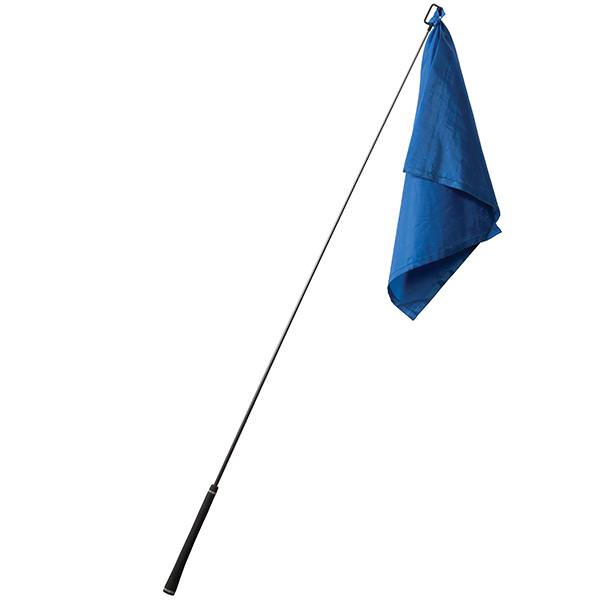
Choosing the right flag is key for successful horse training. The flag must be safe, visible, and easy to handle. It helps the horse get used to new sights and sounds calmly. Picking the correct flag can make training smoother and less stressful for both horse and trainer.
Material And Size Considerations
Flags come in many materials like nylon, polyester, or cotton. Nylon and polyester dry quickly and resist tearing. Cotton feels soft but may get heavy when wet. The flag size should be big enough to catch the horse’s attention. A flag about 3 feet by 2 feet works well for most horses. Too large flags can scare horses, while very small ones may not be seen clearly.
Colors And Patterns
Bright colors help the flag stand out during training. Red, blue, and yellow are popular choices. Avoid dull or dark colors that blend with the environment. Patterns like stripes or checks add extra movement to attract the horse’s eye. Keep colors simple. Too many patterns or colors can confuse the horse.
Safety Tips
Always check the flag’s edges for sharp threads or loose parts. Use a flag with a sturdy pole that won’t break easily. Avoid flags with heavy attachments or metal parts. Keep the flag away from the horse’s face to prevent fear or injury. Stop training if the horse shows strong fear. Safety is key to build trust and a good learning experience.
Preparing Your Horse
Preparing your horse for flag training is a vital step. It builds trust and helps your horse feel safe. Proper preparation leads to better learning and less fear. Spend time understanding your horse’s feelings and reactions.
Start slowly and be patient. A calm horse learns faster and stays focused. Preparation shapes how your horse will respond to new challenges, including the flag.
Calming Techniques
Calm your horse before training sessions. Use gentle strokes and soft voices. Deep breathing helps both you and your horse relax. Stand quietly near your horse until it feels safe. Avoid sudden movements or loud sounds. These steps reduce stress and build confidence.
Groundwork Essentials
Groundwork builds respect and control. Teach your horse to follow simple commands. Use a lead rope and practice walking, stopping, and turning. Reward your horse with praise or treats. Clear signals help your horse understand your intent. This foundation makes flag training smoother.
Assessing Your Horse’s Temperament
Observe how your horse reacts to new things. Is it curious or scared? Calm horses adapt faster to flags. Nervous horses need more time and gentle care. Knowing your horse’s temperament guides your training pace. Respect your horse’s limits to avoid fear.
Basic Flag Training Exercises
Basic flag training exercises help horses get used to flags calmly and safely. These exercises build trust and improve the horse’s response. Start simple and keep sessions short. Patience is key for success.
Introducing The Flag Slowly
Begin by showing the flag at a distance. Let the horse see it without moving it too much. Allow the horse to sniff and touch the flag gently. Avoid sudden movements that might scare the horse. Repeat this until the horse stays calm near the flag.
Desensitization Drills
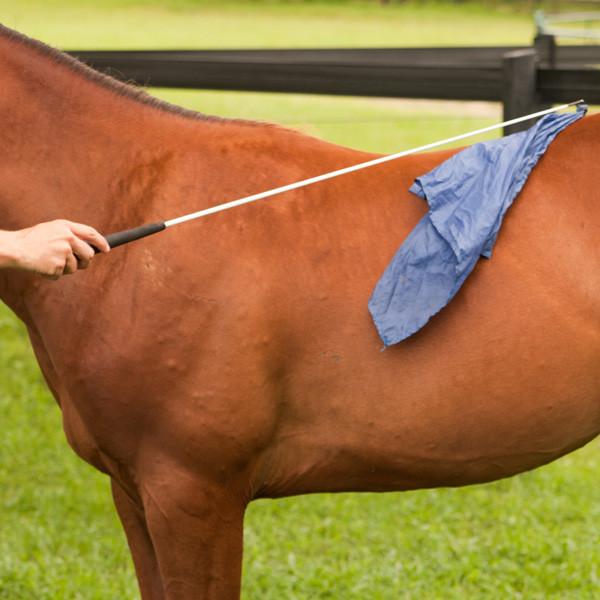
Wave the flag slowly to the side, then stop. Watch how the horse reacts. If the horse stays calm, increase the movement little by little. Use short sessions and plenty of breaks. Praise the horse often to build confidence. This drill helps reduce fear of the flag.
Using Flags For Directional Cues
Hold the flag on one side to signal a turn. Move the flag forward to ask the horse to walk. Practice these signals in a quiet area. Keep commands clear and consistent. The horse learns to connect flag movements with actions. This improves communication during riding or training.
Advanced Training Methods
Advanced training methods enhance a horse’s ability to respond calmly to flags. These techniques build trust and improve communication between horse and rider. Horses learn to stay focused despite sudden movements or noise. Such training helps horses perform well in various environments.
Trainers use flags in controlled ways to teach horses to remain calm. Gradual exposure reduces fear and builds confidence. This approach makes horses more reliable and safe during rides.
Incorporating Flags In Riding Sessions
Introduce flags slowly during riding sessions. Start with small, soft flags to avoid startling the horse. Move the flag gently near the horse’s body. Praise the horse for calm behavior.
Increase the flag’s movement as the horse becomes comfortable. Use flags on both sides to balance training. Keep sessions short and positive. Consistency helps horses learn faster.
Flag Training For Trail Riding
Trail riding with flags prepares horses for outdoor challenges. Flags simulate unexpected movements and sounds on trails. Train horses to stay calm when flags wave nearby. Practice in different locations to build confidence.
This training helps horses ignore distractions like wildlife or other riders. It also improves the horse’s focus and safety during trail rides. Horses become less likely to spook on busy trails.
Combining Flags With Voice Commands
Pair flag signals with clear voice commands. Use short, simple words that the horse knows. For example, say “stay” while waving the flag slowly. This combination strengthens the horse’s response.
Consistent use of voice and flag cues helps the horse understand commands better. It also improves the rider’s control. This method builds a strong connection and clear communication.

Credit: www.weaverequine.com
Common Challenges And Solutions
Training horses with flags can be tricky at times. Many trainers face common challenges during the process. Understanding these problems helps trainers find the best solutions. This section highlights typical issues and offers easy ways to overcome them.
Handling Fearful Reactions
Some horses get scared of the flag’s movement or sound. They may back away or show signs of stress. Stay calm and patient. Use slow, gentle movements to help the horse get used to the flag. Let the horse observe the flag from a distance before moving closer. Reward calm behavior with treats or praise. Repeat short, positive sessions to build trust.
Dealing With Distractions
Horses often get distracted by noises or other animals. These distractions can interrupt training progress. Choose a quiet, familiar place to train. Keep sessions short to hold the horse’s attention. Use clear, consistent signals with the flag. Avoid training near busy roads or noisy areas. Gradually introduce distractions once the horse is confident.
Adjusting Techniques For Different Horses
Each horse learns differently and needs unique training methods. Some horses respond quickly, while others take more time. Watch the horse’s body language closely. Change the flag’s speed or distance based on the horse’s comfort. Use more encouragement for shy horses. For bold horses, keep the training firm but gentle. Adjusting methods helps all horses learn well.
Maintaining Progress
Maintaining progress in flag training horses is essential to keep the horse focused and confident. Consistency helps the horse remember lessons and build strong habits. Small, steady steps lead to long-term success.
Regular attention prevents setbacks and keeps training enjoyable for both horse and trainer.
Regular Practice Routines
Set a daily schedule for flag training sessions. Short, frequent sessions work best. Keep sessions fun and varied to hold the horse’s interest. Consistent practice helps the horse learn faster and stay calm with the flag.
Tracking Improvement
Note the horse’s reactions during each session. Write down successes and areas needing work. Watch for signs of stress or confusion. Tracking progress guides your training plan and shows how far you have come.
When To Seek Professional Help
Some horses may struggle or show fear with flags. If progress stops or behavior worsens, ask a trainer for help. Professionals can offer new techniques and support. Don’t wait too long to get advice. Early help saves time and frustration.
Credit: horseeducation.co.uk
Frequently Asked Questions
What Is Flag Training For Horses?
Flag training teaches horses to stay calm around moving flags and objects.
Why Use Flag Training With Horses?
It helps horses trust handlers and reduces fear of sudden movements.
How Do You Start Flag Training A Horse?
Begin by slowly waving a flag near the horse at a safe distance.
How Long Does Flag Training Usually Take?
Training time varies but often takes a few weeks with regular practice.
Can Flag Training Improve Horse Safety?
Yes, it reduces horse spooking, making handling and riding safer.
What Equipment Do I Need For Flag Training?
A lightweight flag on a stick and a calm, patient approach are enough.
Conclusion
Training horses with flags builds trust and confidence. It helps horses stay calm in new situations. Using clear signals makes communication easier between you and your horse. This method takes time and patience but brings great results. Remember to stay consistent and gentle throughout training.
Your horse will learn to respond well to your cues. Flag training can improve safety for both horse and rider. Keep practicing regularly to see steady progress. This simple tool can create a strong bond and better control.
As an Amazon Associate, I earn from qualifying purchases.