If you care deeply about your horse, you want to give it the best life possible. But sometimes, it’s hard to know exactly what your horse needs.
From diet and exercise to grooming and health care, there’s a lot to consider. This guide is here to help you understand everything important for horses, so you can keep your companion happy and healthy. Keep reading, and discover simple tips that make a big difference for your horse’s well-being.
Daily Feeding Routine
Feeding horses daily is essential for their health and happiness. A good routine keeps them strong and active. Careful planning helps avoid problems like colic or poor digestion. Horses need the right food, fresh water, and consistent meal times. This section explains how to create a daily feeding routine that suits your horse’s needs.
Balanced Diet Components
Horses need a mix of fibers, proteins, vitamins, and minerals. Hay or pasture grass is the main source of fiber. It helps keep their stomach healthy and digestion smooth. Grains like oats or barley provide energy. Proteins come from alfalfa or commercial feeds. Vitamins and minerals support bones, muscles, and overall health. Avoid sudden changes in food to prevent stomach upset.
Proper Water Intake
Clean water must be available all day. Horses drink about 5 to 10 gallons daily. Water helps digestion and keeps them cool. Always check water for dirt or algae. Warm water in cold weather encourages drinking. Dehydration can cause serious health problems. Make water easy to reach and refill often.
Feeding Schedule Tips
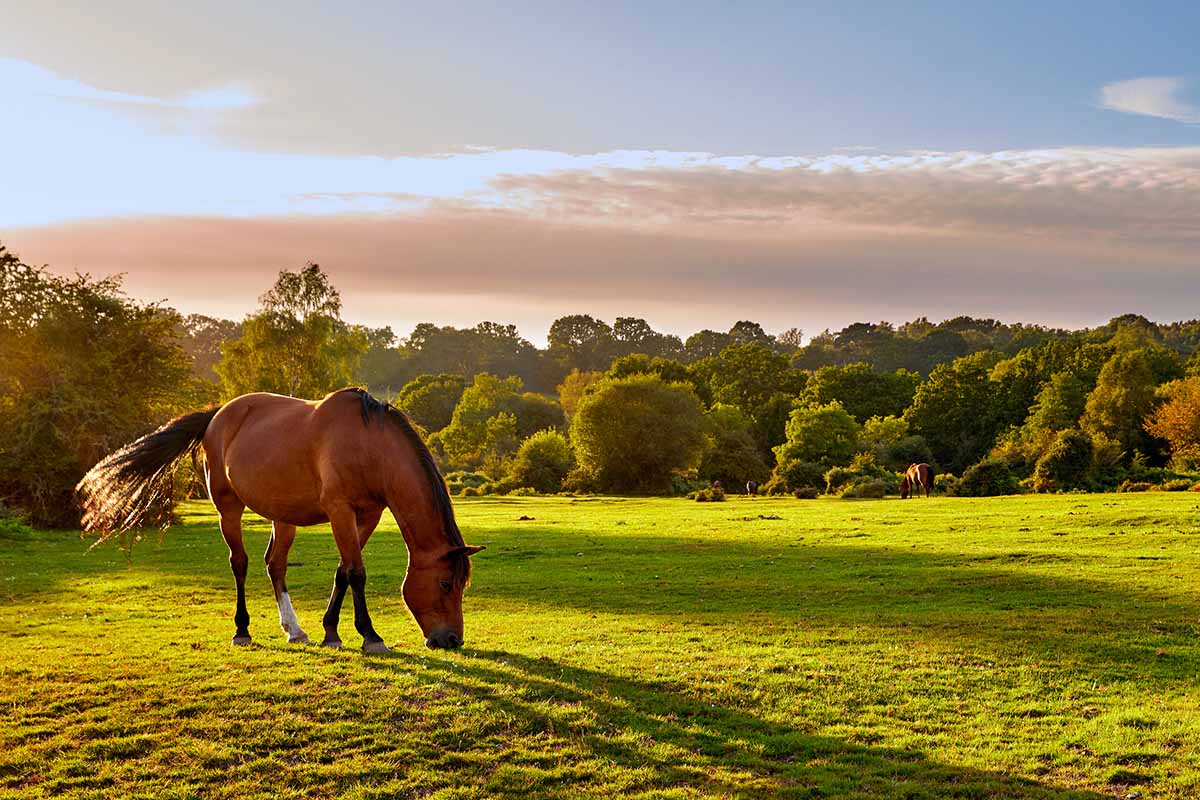
Feed horses at the same times every day. Small, frequent meals reduce the risk of colic. Usually, feed hay twice or thrice daily. Grains should be given in measured amounts. Avoid feeding right before or after heavy work. Watch your horse’s weight and adjust food accordingly. Consistent routines build trust and improve digestion.
Credit: mynewhorse.equusmagazine.com
Grooming Essentials
Grooming is a key part of caring for horses. It keeps them healthy and happy. Regular grooming helps spot health problems early. It also builds trust between horse and owner.
Brushing Techniques
Start with a curry comb to loosen dirt and hair. Use circular motions on the horse’s body. Avoid bones and sensitive areas. Next, use a stiff brush to remove dirt. Brush in short, gentle strokes. Finish with a soft brush on the face and legs.
Hoof Care Basics
Pick out hooves daily to remove dirt and stones. Check for cracks, thrush, or injuries. Use a hoof pick carefully, starting from the heel. Keep hooves dry and clean. Regular farrier visits help maintain healthy hooves.
Bathing And Coat Maintenance
Bath your horse only when needed. Use warm water and mild shampoo. Rinse thoroughly to avoid skin irritation. Dry the coat well after washing. Regular brushing helps keep the coat shiny and clean. It also removes sweat and dust.
Exercise And Activity
Exercise and activity are essential for a horse’s health and happiness. Regular movement keeps horses strong and fit. It also helps their minds stay sharp. Horses that move often show better behavior and fewer health problems.
Daily Exercise Benefits
Daily exercise improves muscle tone and joint flexibility. It supports healthy digestion and blood flow. Horses that exercise daily burn excess energy calmly. Their immune systems grow stronger and more resilient. Exercise also lowers stress and prevents boredom in horses.
Safe Riding Practices
Safe riding protects both horse and rider from injury. Always use proper tack and check it before riding. Warm up horses slowly to prevent muscle strain. Ride at a pace suitable for the horse’s fitness level. Stop if the horse shows signs of pain or tiredness.
Turnout And Pasture Time
Turnout gives horses a chance to move freely. Pasture time encourages natural behaviors like grazing and socializing. It reduces stress and improves mental health. Ensure pastures are safe, free from hazards and well maintained. Turnout time complements formal exercise and keeps horses happy.
Credit: www.fearfreehappyhomes.com
Health Monitoring
Health monitoring is vital for horses to stay strong and active. Regular checks help catch problems early. Healthy horses perform better and live longer. Owners must watch their horses closely every day.
Recognizing Illness Signs
Horses show signs when they are sick. Look for changes in appetite, behavior, or movement. Notice if a horse is coughing or has a runny nose. Pay attention to unusual sweating or lameness. Early detection can prevent serious issues.
Routine Veterinary Care
Veterinary visits keep horses healthy. Schedule regular check-ups to track health status. Vets check teeth, hooves, and overall condition. They can spot problems invisible to owners. Routine care reduces risks of illness and injury.
Vaccination And Deworming
Vaccines protect horses from many diseases. Follow a vaccination schedule recommended by your vet. Deworming stops parasites that harm horses’ health. Use dewormers regularly based on vet advice. This keeps horses strong and free from infections.
Shelter And Environment
Providing a safe and comfortable shelter is vital for horses. Their environment affects health, mood, and performance. Good shelter protects from harsh weather and offers a quiet resting place. It must be clean, dry, and well-ventilated.
Stable Setup Tips
Choose a stable with enough space for movement. The floor should be firm and non-slippery. Ensure good airflow to reduce dust and moisture. Place feeders and water buckets where horses can reach easily. Clean the stable daily to prevent infections.
Bedding Choices
Select bedding that absorbs moisture well. Straw and wood shavings are popular options. Avoid dusty or moldy bedding to protect lungs. Change bedding regularly to keep the stall fresh. Soft bedding helps horses rest and avoid sores.
Weather Protection
Horses need shelter from rain, wind, and sun. Use solid walls or windbreaks on at least two sides. Provide shade during hot summer days. In winter, keep the shelter dry and warm. Check the shelter often for damage or leaks.

Credit: www.rideequisafe.com
Mental Well-being
Mental well-being is as important for horses as their physical health. A calm, happy horse performs better and lives longer. Mental care helps horses stay relaxed and focused.
Horses are social animals. They need contact with others to feel safe. Isolation can cause stress and bad behavior.
Social Interaction
Horses thrive in groups or pairs. They communicate through body language and sounds. Regular time with other horses supports their emotional health. Social interaction prevents boredom and loneliness. Group turnout or buddy systems work well.
Enrichment Activities
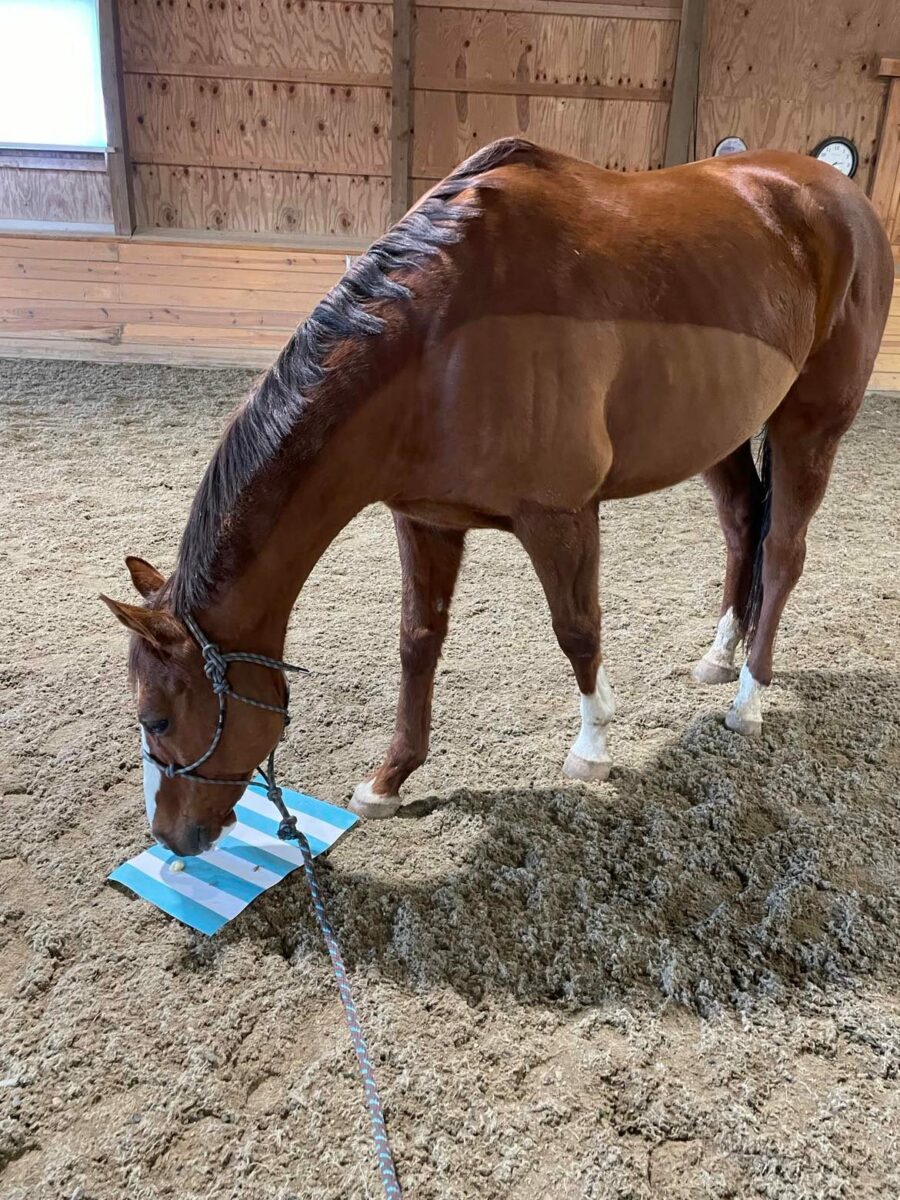
Keeping a horse’s mind busy reduces negative behaviors. Toys, obstacles, and new experiences stimulate curiosity. Enrichment can include varied feeding methods or safe objects to explore. Changing routines slightly helps horses stay alert and interested. Mental challenges improve focus and reduce stress.
Stress Reduction Techniques
Stress harms a horse’s body and mind. Gentle grooming calms nerves and builds trust. Slow, steady exercise releases tension and promotes relaxation. Quiet environments with minimal noise help horses stay calm. Consistent routines provide a sense of security. Recognizing stress signs allows early care and support.
Frequently Asked Questions
What Is The Best Diet For Horses To Stay Healthy?
Horses need a balanced diet of hay, grass, grains, and clean water daily.
How Often Should Horses Get Exercise For Good Health?
Daily exercise, like walking or riding, helps horses stay fit and avoid health issues.
What Are Common Signs Of Illness In Horses?
Look for coughing, limp, loss of appetite, and unusual behavior as illness signs.
How Can I Keep My Horse’s Hooves Clean And Healthy?
Regular hoof cleaning and trimming prevent infections and keep hooves strong.
Why Is Grooming Important For Horses?
Grooming removes dirt, improves circulation, and strengthens the bond between horse and owner.
What Vaccinations Do Horses Need To Prevent Diseases?
Horses need vaccines for tetanus, influenza, and West Nile virus to stay safe.
Conclusion
Caring for horses takes attention and patience. Every horse needs good food, clean water, and safe shelter. Regular exercise keeps them healthy and happy. Watching their behavior helps catch problems early. A strong bond grows with kindness and trust. Small daily efforts make a big difference.
Horses return love and loyalty in many ways. Enjoy the journey of horse care every day.
As an Amazon Associate, I earn from qualifying purchases.