If you’ve ever struggled with a horse that pulls or refuses to listen, you know how frustrating it can be. Gag bits for horses might be the tool you need to regain control and improve communication with your partner.
But what exactly are gag bits, and how can they help without causing harm? You’ll discover everything you need to know about gag bits, so you can make the best choice for your horse’s comfort and your riding success. Keep reading to learn how to use gag bits the right way and see real improvements in your riding experience.
What Are Gag Bits
Gag bits are special types of horse bits used to control horses better. They give riders more leverage and can apply pressure in a unique way. These bits help riders guide horses more precisely, especially strong or fast ones. Understanding gag bits helps in choosing the right equipment for riding.
Basic Design And Function
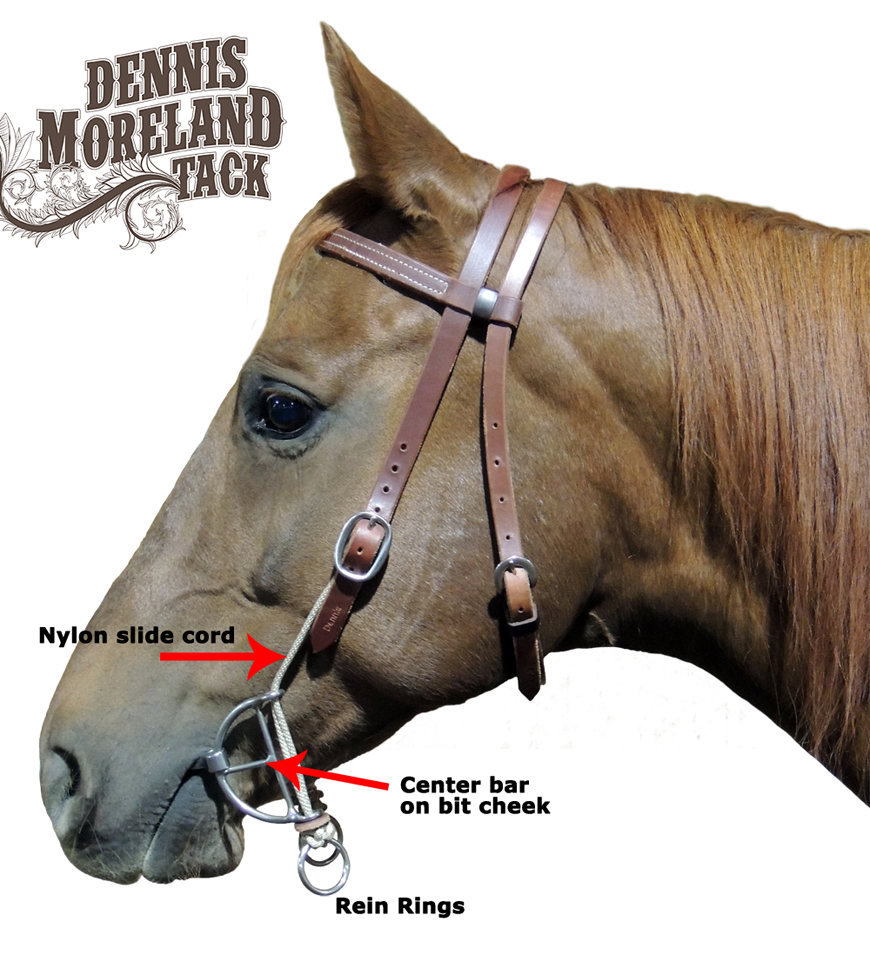
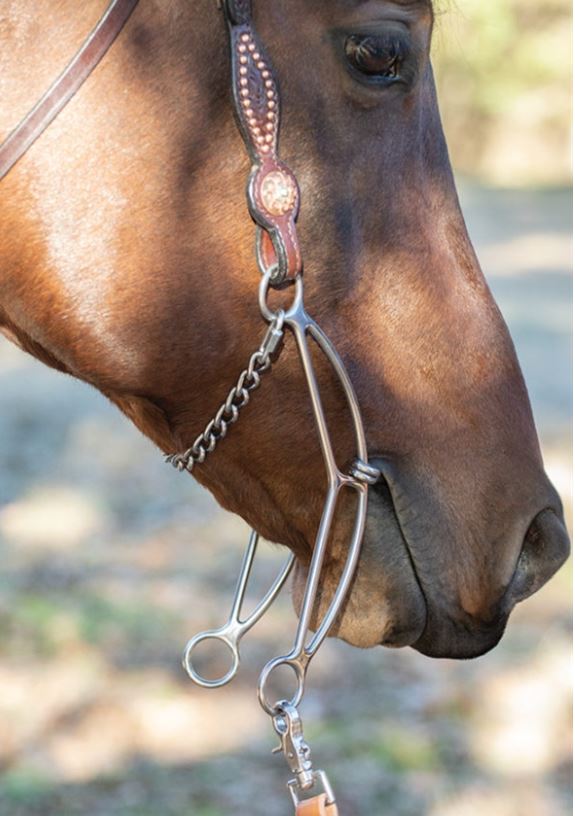
A gag bit has a simple but effective design. It has rings on the sides and a mouthpiece in the middle. The reins attach to the lower rings, not the mouthpiece. When the rider pulls the reins, the bit slides upward in the horse’s mouth. This movement applies pressure to the horse’s lips and poll. The pressure encourages the horse to raise its head and pay attention.
Gag bits work by creating leverage. This means the rider uses less force to get more control. The bit’s sliding action gives a clear signal to the horse. It helps in quick stops and better steering.
Types Of Gag Bits
There are several types of gag bits. Each type works a little differently. The most common types include the Pelham gag, the Dutch gag, and the American gag.
The Pelham gag combines a gag bit with a curb bit. It has two sets of reins for different control levels. The Dutch gag has a flexible mouthpiece with rings that slide freely. It offers more gentle pressure. The American gag uses a fixed mouthpiece and is popular in rodeo riding. Each type suits different riding styles and horse needs.
Benefits Of Using Gag Bits
Gag bits offer unique benefits for riders seeking better control and clearer signals. These bits work well for strong or energetic horses. They provide gentle pressure that guides the horse without causing pain. Understanding these benefits helps riders choose the right bit for their horse.
Using a gag bit can improve the riding experience for both horse and rider. It supports smooth communication and helps maintain balance. This makes riding safer and more enjoyable.
Enhanced Control
Gag bits give riders more control over their horse’s head and neck. They apply pressure to the corners of the mouth and poll. This encourages the horse to lower its head and stay calm. The design allows quick adjustments without harshness. Riders can respond faster to sudden movements or distractions. This control helps in tight spaces or during fast turns. It keeps the horse focused and steady.
Improved Communication
Clear signals matter in horse riding. Gag bits help riders send precise messages with gentle pressure. The bit moves in the horse’s mouth to show direction and speed. This movement helps horses understand commands better. Horses learn to trust the rider’s hands and respond smoothly. It reduces confusion and resistance during rides. Better communication strengthens the bond between horse and rider. Each ride becomes more relaxed and effective.
Choosing The Right Gag Bit
Choosing the right gag bit for your horse is important. It affects comfort, control, and communication. A well-chosen bit helps your horse respond better. It also prevents discomfort or injury. Understanding your horse’s needs and the bit’s features is key to making the right choice.
Matching Bit To Horse’s Needs
Every horse is different. Some need more control, others need gentler guidance. Consider your horse’s training level and behavior. A strong, stubborn horse may need a different bit than a sensitive one. Think about the riding style, too. Match the bit’s action with the horse’s response. Test different bits carefully to see what works best.
Material And Size Considerations
Bit material affects comfort and durability. Stainless steel is common and lasts long. Rubber or plastic bits are softer and suit sensitive mouths. Size matters a lot. The bit should fit the horse’s mouth well. Too small can pinch, too large can slide and cause sores. Measure your horse’s mouth width before buying. Choose a bit that fits snugly but comfortably.
Credit: www.quarterhorsenews.com
Fitting Gag Bits Correctly
Fitting gag bits correctly is key to your horse’s comfort and control. A well-fitted bit helps your horse respond better. It prevents pain and injury. This section explains how to fit gag bits properly.
Proper Placement
Place the gag bit so it rests comfortably in the horse’s mouth. The bit should sit just behind the front teeth. It must not press hard against the bars of the mouth. Check that the bit is level and not tilted. Make sure the bit is not too loose or too tight.
Adjusting For Comfort
Adjust the cheekpieces of the bridle to fit the gag bit. They should hold the bit securely without pinching. The horse’s lips must close easily around the bit. Watch your horse’s reactions when you adjust. If the horse shows signs of discomfort, change the fit. Proper adjustment helps avoid soreness and keeps the horse calm.
Training With Gag Bits
Training with gag bits requires care and patience. These bits apply pressure differently than regular bits. They can help improve control and communication with the horse. Proper training ensures the horse stays comfortable and responsive. Start slow and be gentle to build trust and understanding.
Introducing The Bit Gradually
Let the horse get used to the gag bit slowly. Begin by placing the bit in the horse’s mouth during calm times. Allow the horse to wear it without riding at first. This helps reduce fear or resistance. Observe the horse’s reaction and comfort level. Only start riding once the horse accepts the bit calmly.
Techniques For Effective Use
Use light, steady pressure on the reins. Avoid sharp or harsh pulls. Gag bits work best with gentle guidance. Practice smooth rein movements to communicate clearly. Release pressure quickly when the horse responds. Reward good behavior with praise or a soft touch. Keep training sessions short to maintain focus. Regular practice improves the horse’s response and trust.
Credit: barrelracers.com
Common Issues And Solutions
Gag bits can cause issues if not used properly. Horses may feel discomfort or resist the bit’s pressure. Knowing common problems helps keep your horse calm and responsive. Simple fixes improve the riding experience for both horse and rider.
Avoiding Discomfort
Discomfort is the main cause of problems with gag bits. Check the fit carefully. The bit should not pinch the horse’s lips or tongue. Use soft, smooth materials to reduce soreness. Adjust the cheek pieces so the bit sits correctly in the mouth. Give your horse time to get used to the gag bit. Watch for signs of pain or irritation. A comfortable horse performs better and stays calm.
Handling Resistance
Resistance shows the horse does not accept the bit well. Start with gentle pressure and increase slowly. Avoid harsh pulling or sudden movements. Use a light hand to gain trust. Train the horse to respond to the gag bit with patience. Reward good behavior and progress. If resistance continues, reconsider the bit type or check for health issues. A horse that trusts the rider stays relaxed and listens better.
Alternatives To Gag Bits
Gag bits are popular for control but not always the best choice. Some horses find them harsh or uncomfortable. Riders often seek gentler options. These alternatives still offer control but with less pressure.
Other Bit Options
There are many types of bits besides gag bits. Snaffle bits are common and gentle. They apply direct pressure on the horse’s mouth. Pelham bits combine snaffle and curb actions. They give more control with less force. Kimberwick bits add curb pressure softly. Each bit suits different horse needs and rider skills.
Bitless Bridles
Bitless bridles work without a metal bit in the mouth. They use pressure on the horse’s nose and head. This can be more comfortable for sensitive horses. Bitless options include sidepulls, hackamores, and cross-under bridles. They offer control while reducing mouth pain. Many riders choose bitless for training or sensitive horses.

Credit: www.equineknowledge.co.uk
Maintenance And Care
Proper maintenance and care of gag bits extend their life and keep horses comfortable. Regular cleaning removes dirt and saliva that build up during use. Safe storage stops damage and keeps the bit ready for the next ride. Following simple care steps protects your investment and helps your horse perform better.
Cleaning Tips
Rinse the gag bit with warm water after every ride. Use a soft brush to remove stuck dirt and saliva. Avoid harsh chemicals that can harm the metal or your horse’s mouth. Dry the bit thoroughly with a clean cloth to prevent rust. Check for cracks or sharp edges before storing. Clean bits keep your horse healthy and happy.
Storage Recommendations
Store the gag bit in a dry, cool place away from sunlight. Use a soft pouch or a padded box to avoid scratches. Keep the bit separate from other tack to prevent damage. Avoid damp areas that cause rust and corrosion. Regularly inspect the bit during storage for any signs of wear. Proper storage ensures the bit stays safe and lasts longer.
Frequently Asked Questions
What Is A Gag Bit For Horses?
A gag bit is a type of horse bit that applies pressure on the mouth and poll.
How Does A Gag Bit Work On A Horse?
It lifts the bit in the horse’s mouth to increase control and encourage head movement.
When Should You Use A Gag Bit For Riding?
Gag bits are used for strong or hard-to-control horses during riding or training.
Are Gag Bits Safe For All Horses?
Gag bits need careful use; they may cause discomfort if used incorrectly or too harshly.
What Are The Differences Between Gag Bits And Snaffle Bits?
Gag bits apply poll pressure and lift the bit, unlike snaffle bits that only apply mouth pressure.
How To Choose The Right Gag Bit Size For My Horse?
Choose a gag bit size that fits the horse’s mouth comfortably without pinching or slipping.
Conclusion
Gag bits can help control strong or fast horses. They work by adding pressure on the horse’s mouth and poll. Use them carefully and with proper knowledge. Always watch your horse’s comfort and response. Choose the right gag bit for your riding style and horse’s needs.
Proper use leads to better communication and safety. Remember, gentle hands and clear signals matter most. Take time to learn and practice with your horse. This helps build trust and better riding experiences.
As an Amazon Associate, I earn from qualifying purchases.