If you care about your horse’s comfort and performance, you know how important the right gear can be. Gel pads for horses are more than just a trendy accessory—they can make a real difference in your horse’s health and how they feel under the saddle.
Imagine reducing pressure points, preventing injuries, and giving your horse a smoother ride every time. Curious to find out how gel pads can change your riding experience? Keep reading, because what you learn here could transform your bond with your horse and boost their wellbeing like never before.
Benefits Of Gel Pads
Gel pads offer many benefits for horses and riders. These pads provide extra support and comfort. They help protect the horse’s back during rides. Using gel pads can improve the overall experience for horses.
Enhanced Shock Absorption
Gel pads absorb shocks from movement and jumps. This reduces the impact on the horse’s spine. It helps prevent injuries during riding. Shock absorption makes rides smoother and safer for horses.
Improved Comfort For Horses
Gel pads fit well and spread pressure evenly. This reduces discomfort under the saddle. Horses feel more relaxed and move freely. Comfort leads to better performance and happier horses.
Reduced Risk Of Pressure Sores
Gel pads reduce pressure points on the horse’s back. This lowers the chance of sores and bruises. The soft gel cushions sensitive areas. It helps keep the horse healthy and pain-free.
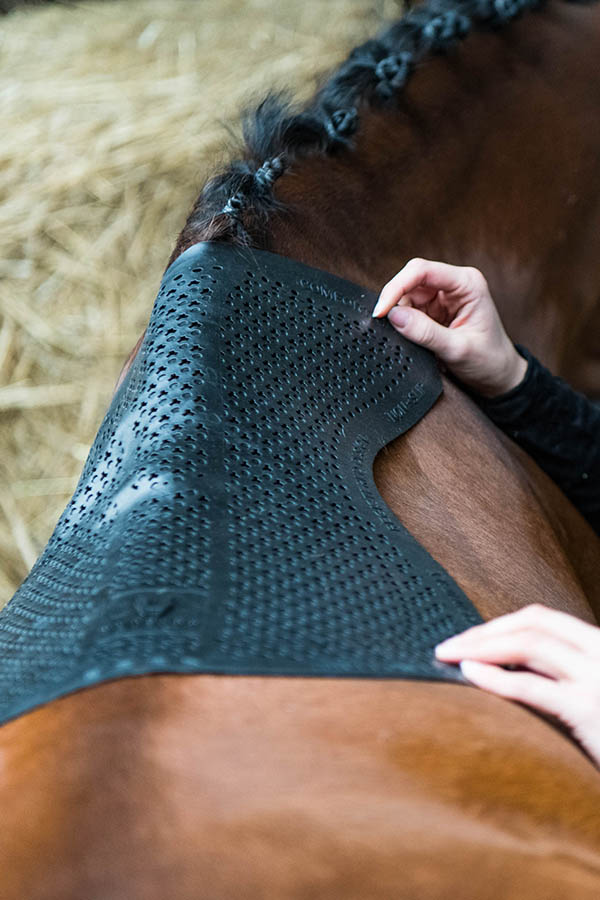
Credit: horsena.com
Types Of Gel Pads
Gel pads offer important support and comfort for horses during riding or training. They come in different types to meet various needs. Choosing the right gel pad helps protect the horse’s back and improves performance.
Each type of gel pad has unique features. Some focus on shock absorption, while others help with cooling or fit. Understanding these types makes it easier to pick the best pad for your horse.
Standard Gel Pads
Standard gel pads provide basic cushioning and shock absorption. They reduce pressure on the horse’s back from the saddle. These pads are made from soft gel that molds slightly to the horse’s shape. They work well for everyday riding and light training.
Cooling Gel Pads
Cooling gel pads help lower heat buildup under the saddle. They keep the horse’s back cooler during long rides or hot weather. These pads contain special gel that absorbs and dissipates heat. They also offer good cushioning and comfort.
Custom Molded Gel Pads
Custom molded gel pads are designed to fit each horse perfectly. They are shaped based on the horse’s back and saddle shape. These pads provide the best support and reduce the risk of sores. They work well for horses with special needs or sensitive backs.
Choosing The Right Gel Pad
Choosing the right gel pad is key for your horse’s comfort and performance. Gel pads help protect your horse’s back and improve saddle fit. Selecting the right one requires understanding your horse’s needs and your equipment. This guide will help you make a smart choice.
Matching Pad To Horse’s Needs
Every horse has a unique shape and size. Measure your horse’s back carefully before buying a gel pad. Consider any areas that need extra cushioning or protection. Some horses need thicker gel pads for more shock absorption. Others may need thinner pads to avoid bulkiness. Choose a gel pad that fits your horse’s back well.
Considering Saddle Compatibility
Not all gel pads work with every saddle. Check your saddle’s shape and size first. The gel pad must fit under the saddle without slipping. It should not change the saddle’s balance or pressure points. Test the pad under the saddle before long rides. Proper fit helps prevent discomfort for both horse and rider.
Evaluating Durability And Maintenance
Gel pads face wear from sweat and movement. Pick a gel pad made with durable materials. It should resist tearing and flattening over time. Check if the pad is easy to clean. Some gel pads are machine washable, which saves time. Regular cleaning keeps the pad fresh and extends its life.
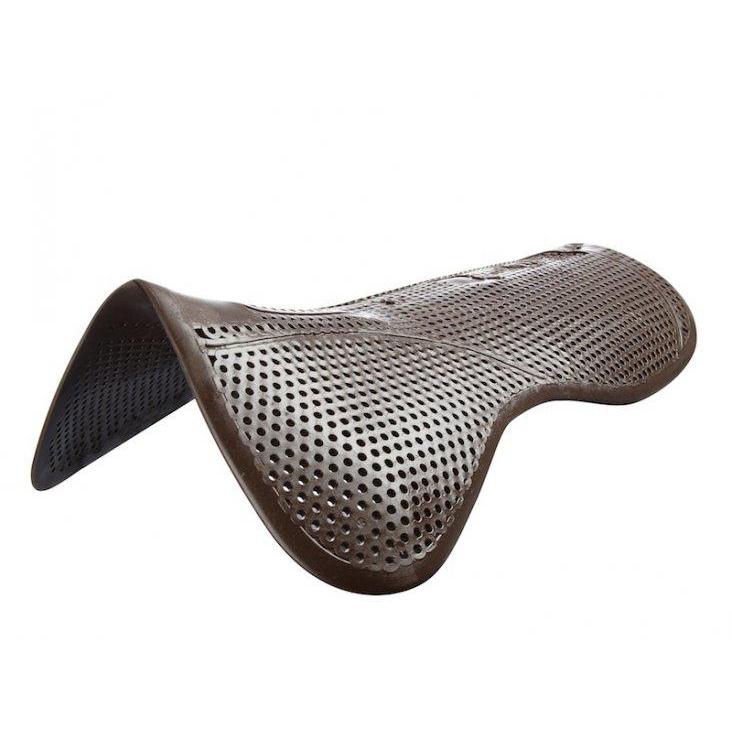
Credit: www.psfstore.com.au
Proper Gel Pad Usage
Using gel pads properly helps your horse stay comfortable and avoid injuries. Gel pads provide cushioning and reduce pressure under the saddle. Proper use also extends the life of the gel pads and keeps your horse safe during riding.
Correct Placement Techniques
Place the gel pad directly under the saddle. Make sure it lies flat on the horse’s back. Avoid wrinkles or folds that can cause pressure points. Center the pad so it covers the saddle area evenly. Check the fit before every ride to ensure comfort.
Regular Cleaning And Care
Clean gel pads after every use with mild soap and water. Avoid harsh chemicals that can damage the material. Let the pad air dry completely before storing or using again. Proper cleaning keeps the gel soft and prevents skin irritation on your horse.
Monitoring Wear And Tear
Inspect gel pads regularly for cracks or thinning. Replace pads showing damage to protect your horse’s back. Check stitching and edges for signs of wear. Timely replacement helps avoid discomfort and injury during riding.
Injury Prevention Strategies
Preventing injuries in horses is key to keeping them healthy and happy. Using gel pads can help protect a horse’s body during rides. These pads reduce pressure and absorb shock. Still, gel pads work best with other care steps. Combining good equipment and regular checks helps avoid injuries.
Combining Gel Pads With Proper Saddle Fit
A well-fitting saddle spreads weight evenly across the horse’s back. Gel pads add extra cushioning and comfort. Together, they reduce pressure points and rubbing. This prevents sores and muscle strain. Always check the saddle fit before riding. Adjust or change the saddle if needed.
Routine Leg And Back Checks
Check your horse’s legs and back daily. Look for swelling, heat, or cuts. Touch muscles to feel for tightness or pain. Early detection stops small problems from becoming serious. Use gel pads as a part of your horse’s care routine. They protect areas that might get sore.
Adjusting Training To Avoid Overuse
Overworking a horse can cause injuries. Change training intensity and length often. Give your horse rest days to recover. Use gel pads during hard or long rides. They help reduce impact on muscles and joints. Careful training keeps your horse strong and injury-free.
Common Mistakes To Avoid
Gel pads for horses offer great comfort and protection. Using them correctly is key to avoid problems. Many horse owners make simple mistakes that reduce the pads’ benefits. Understanding these common errors helps keep your horse happy and healthy.
Using Worn Out Pads
Old gel pads lose their cushioning power. They become thin and less effective over time. Using worn out pads can cause pressure points and sores. Check pads regularly for signs of wear. Replace them as soon as they look damaged or flat.
Ignoring Signs Of Discomfort
Horses often show discomfort through behaviors or skin changes. Watch for sweating, shifting weight, or restlessness. Redness or swelling under the pad signals trouble. Ignoring these signs can lead to injuries. Always stop and check if your horse seems uneasy.
Improper Pad Layering
Gel pads work best with correct layering under the saddle. Too many layers create tightness and reduce cushion effect. Too few layers may not protect the horse’s back well. Follow manufacturer guidelines on layering. Keep the fit snug but not tight for best results.
Expert Tips For Maximum Comfort
Gel pads can greatly improve a horse’s comfort during riding and recovery. Proper use and care of these pads ensure your horse stays happy and healthy. Below are expert tips to get the most out of gel pads for horses.
Regular Vet Consultations
Schedule regular vet check-ups to monitor your horse’s health. Vets can spot issues that may affect pad comfort. They guide you on the right type of gel pad for your horse. This helps avoid discomfort or injury.
Incorporating Gel Pads In Rehabilitation
Use gel pads to support horses recovering from injuries. They cushion sensitive areas and reduce pressure. Follow your vet’s advice on pad use during rehab. Pads aid healing and keep the horse calm and comfortable.
Customizing Pads For Specific Activities
Choose gel pads based on the horse’s activity level. Different activities need different support and cushioning. Adjust pad thickness and shape for training, trail riding, or competition. Custom fit pads improve comfort and performance.

Credit: www.annaghmoresaddlery.com
Frequently Asked Questions
What Are Gel Pads For Horses Used For?
Gel pads cushion the horse’s legs and hooves to reduce pressure and prevent injuries.
How Do Gel Pads Benefit Horse Hooves?
They absorb shock, protect hooves, and help reduce soreness during riding or work.
Can Gel Pads Help With Horse Leg Injuries?
Yes, gel pads provide support and comfort to injured legs during healing.
How To Choose The Right Gel Pad For A Horse?
Pick pads based on size, thickness, and the horse’s specific needs for comfort.
How Often Should Gel Pads Be Replaced?
Replace gel pads every few months or when they show signs of wear.
Are Gel Pads Easy To Clean And Maintain?
Yes, gel pads can be cleaned with mild soap and water for reuse.
Conclusion
Gel pads help protect horses’ legs during exercise and rest. They offer cushioning that reduces pressure and absorbs shock. Many riders trust gel pads to keep horses comfortable and safe. Choosing the right gel pad depends on your horse’s needs and activity.
Proper use can prevent injuries and support recovery. Always check fit and condition before use. Small steps can improve your horse’s health and performance. Gel pads are a simple way to care for your horse daily. Consider trying them to see the benefits yourself.
As an Amazon Associate, I earn from qualifying purchases.